

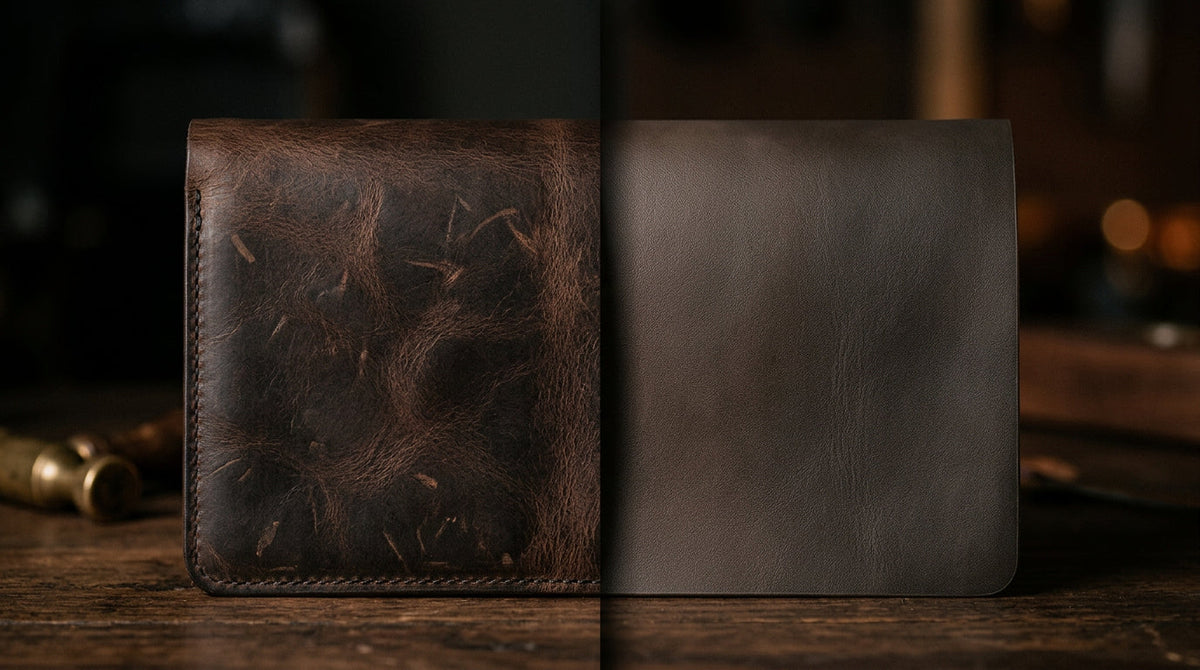
Vegan Leather vs Real Leather: A Lifecycle Comparison
Quick answer: Most "vegan leather" is plastic-based (PU or PVC) and typically lasts two to five years before cracking or peeling, while full-grain real leather lasts decades and ages well. Newer plant-based alternatives exist but often still contain plastic binders. Neither option is automatically "greener" — it depends on materials, durability and end-of-life.
What "Vegan Leather" is actually made of
"Vegan leather" is an umbrella term for any leather-look material with no animal hide. The most common types are very different from each other:
|
Type |
Base material |
Plastic content |
Typical durability |
Notes |
|---|---|---|---|---|
|
PU leather |
Polyurethane coating on fabric |
High |
~2–5 years |
The most common faux leather |
|
PVC leather |
Polyvinyl chloride |
High |
A few years |
Stiffer; falling out of favour |
|
Plant-based (Piñatex, cactus/Desserto, apple, cork, mycelium) |
Pineapple leaf, cactus, apple waste, cork, fungus |
Often still uses a PU binder |
Varies; newer, less long-term data |
Lower-impact inputs, but check the binder |
The key thing buyers miss: a "plant-based" or "bio" leather is not necessarily plastic-free. Many use a plant input combined with a polyurethane layer for durability, so they sit somewhere between fully synthetic and a true plastic-free material.
Durability and cost-per-wear
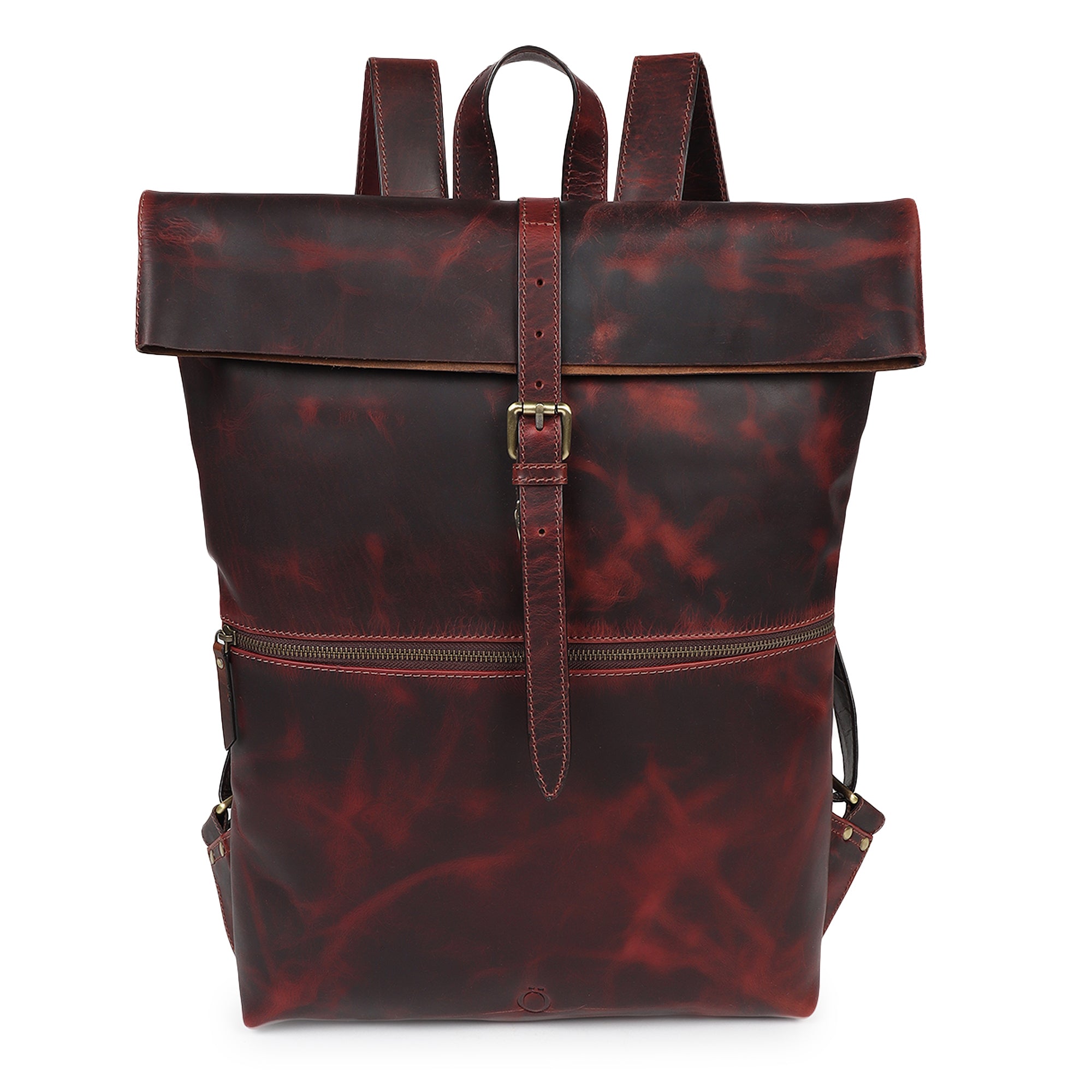
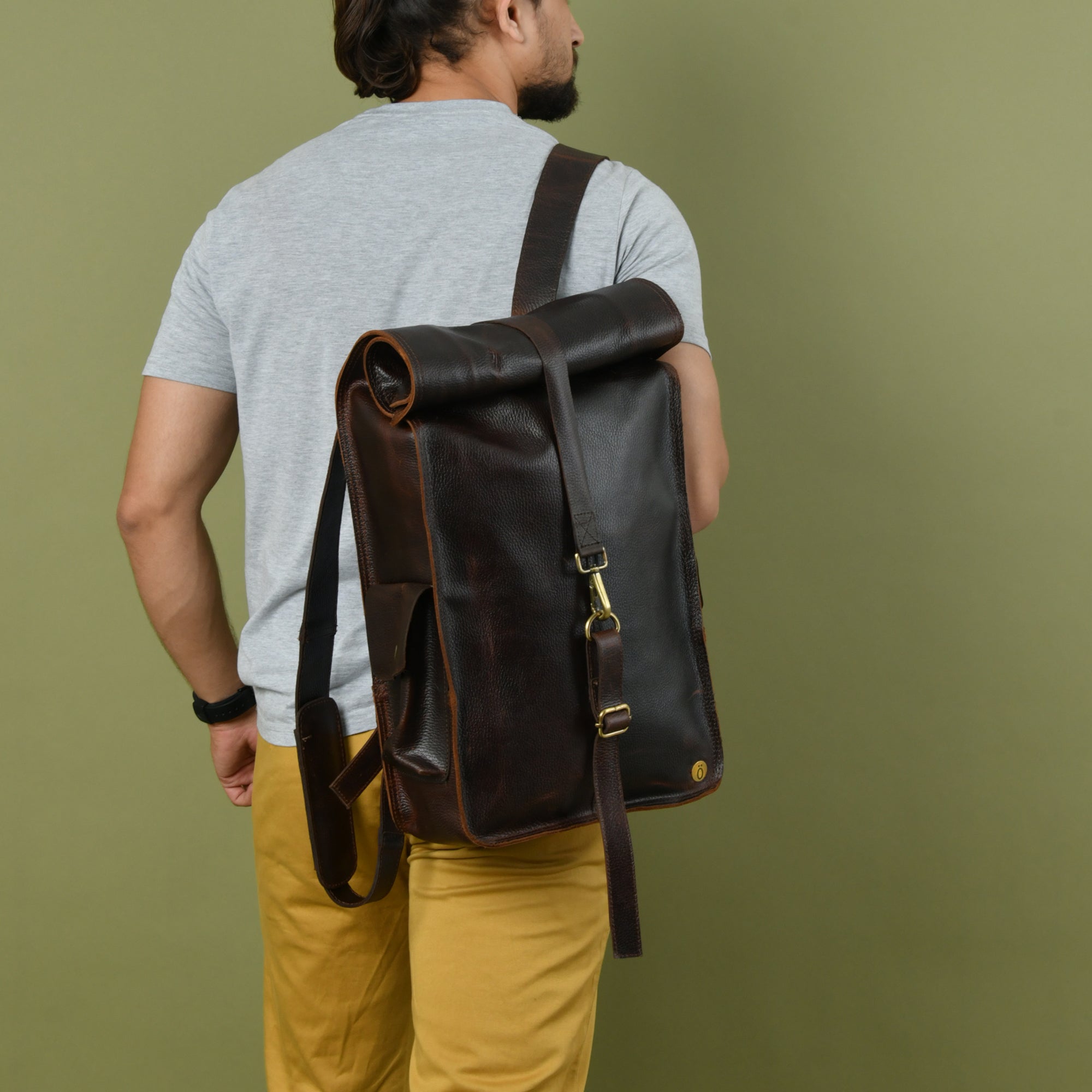
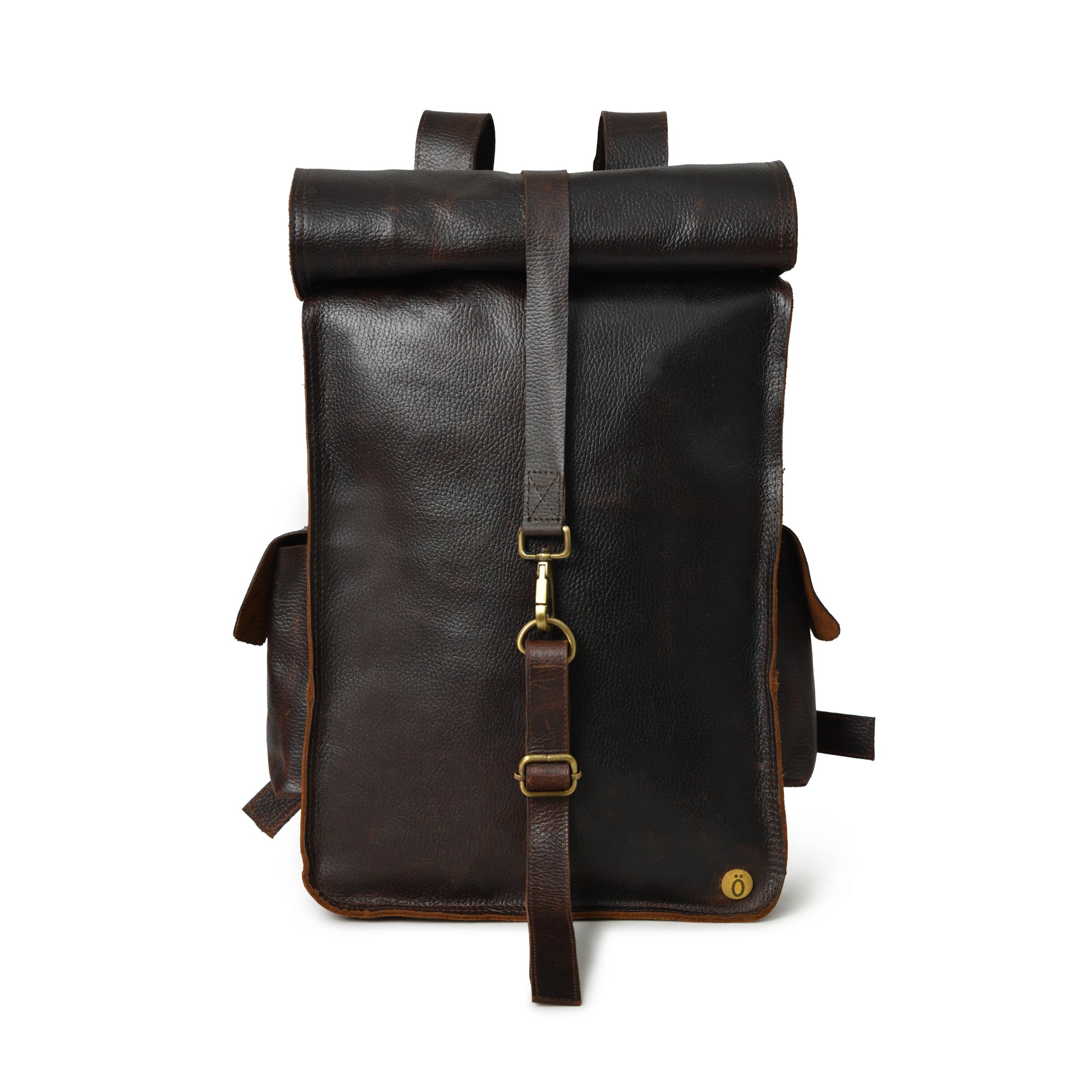
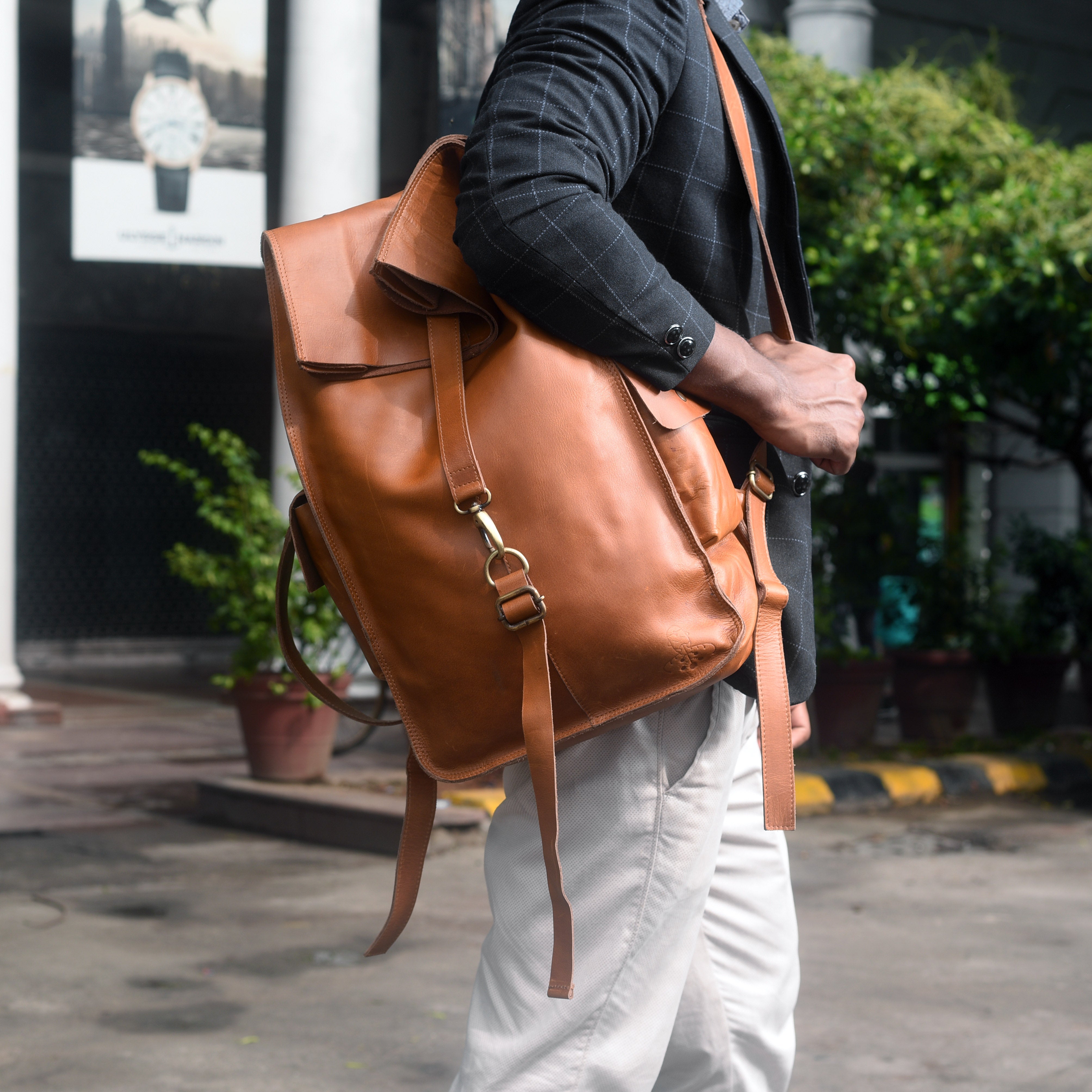
This is where the two diverge most. Coated synthetic leathers wear by the coating cracking and peeling away from the backing fabric — a failure that cannot be repaired and tends to appear within a few years of regular use. Full-grain real leather has no coating to peel; it develops a patina and, with basic care, lasts many times longer.
Over a five-to-ten-year horizon, a single full-grain bag often replaces several synthetic ones. That changes the cost-per-wear maths, and it also changes the waste maths: one long-lived item versus several discarded ones.
The environmental trade-off, honestly
Neither side gets a clean win:
-
Real leather carries the footprint of the herd (largely attributed to meat/dairy) and of tanning chemicals, but lasts a long time and, depending on tanning, is partly biodegradable.
-
Synthetic vegan leather avoids animal hide and tanning, but is usually fossil-fuel-derived plastic that does not biodegrade, can shed microplastics, and often has a short usable life — meaning more frequent replacement.
-
Plant-based alternatives improve the input side, but their longevity and the plastic binders they sometimes use are still being understood.
The most defensible environmental position for any material is the same: buy less, buy something that lasts, and keep it for years.
When each one genuinely wins
-
Choose real (full grain) leather if you want maximum lifespan, repairability and patina, and you'll keep the item for years.
-
Choose vegan leather if avoiding animal products is the priority, or you want a specific look, lower upfront cost, or an easy-wipe surface — accepting a shorter lifespan.
-
Watch plant-based options as the genuinely interesting middle ground, while checking how much plastic binder they contain and how durable they prove to be.
Frequently asked questions
- Is vegan leather just plastic? Most vegan leather is plastic-based (PU or PVC). Some newer options use plant inputs such as pineapple, cactus or cork, but these often still contain a plastic binder.
- Does vegan leather last as long as real leather? Usually, no. Common PU vegan leather tends to crack or peel within a few years, while full-grain real leather can last decades with care.
- Is vegan leather better for the environment? Not automatically. It avoids animal hide and tanning, but most is fossil-fuel plastic that doesn't biodegrade and is often replaced more frequently. Durability and end-of-life matter as much as the material.
- What is the most durable vegan leather? Higher-quality PU leathers last longer than cheap ones, but no mainstream vegan leather currently matches full-grain real leather for lifespan.





%20and%20typically%20lasts%20two%20to%20five%20years%20before%20cracking%20or%20peeling,%20while%20full-grain%20real%20leather%20lasts%20decades%20and%20ages%20well.%20Newer%20pl...)