
Is Leather Sustainable? A Plain-English Guide to the Rules and Claims
Quick answer: Leather's sustainability depends almost entirely on how the hide is tanned and sourced, not on leather as a material in the abstract. Most leather is a by-product of the meat and dairy industries. Its main environmental questions are the chemicals used in tanning and the land use behind the herd — both of which are increasingly governed by EU and international rules.
Is leather a by-product or a driver?
The large majority of leather is made from the hides of animals raised for meat and dairy. Those hides would otherwise be waste, so turning them into a durable material is, in that sense, a use of an existing by-product rather than the reason an animal exists. The nuance is that hides do carry some commercial value, so "100% waste" overstates it — "co-product" is the more honest term. Either way, the climate footprint of the herd is mostly attributed to meat and milk, not to the bag.
A separate, genuine point in leather's favour is longevity: a full-grain leather bag that lasts decades and is repairable has a very different lifetime footprint from a synthetic bag replaced every couple of years.
Tanning is where the real footprint sits
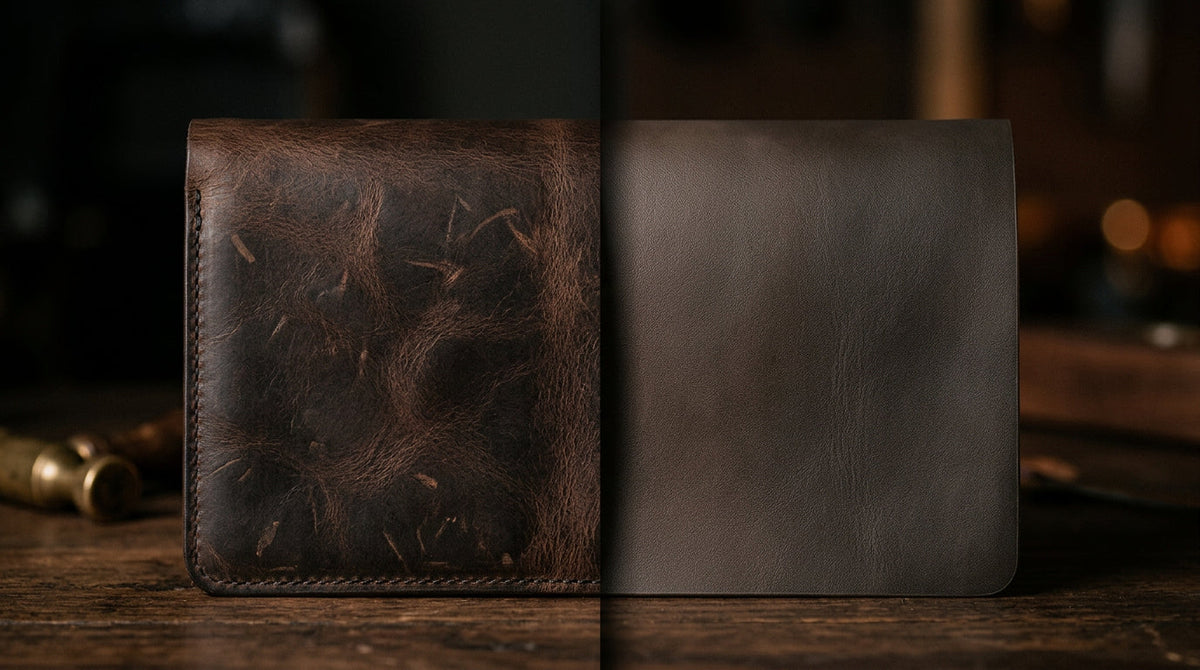
Turning a raw hide into stable leather (tanning) is the stage with the biggest environmental impact, and there are two dominant methods:
|
Chrome tanning |
Vegetable tanning |
|
|---|---|---|
|
Share of global leather |
The large majority (~80%+) |
A minority, traditional method |
|
Tanning agent |
Chromium salts |
Plant tannins (bark, leaves, fruit) |
|
Speed |
Fast (a day or so) |
Slow (weeks) |
|
Main concern |
Chemical effluent; chromium handling |
Water and time intensive |
|
Look & feel |
Soft, supple, colour-stable |
Firmer, earthy, ages with patina |
The headline worry people raise about chrome tanning is hexavalent chromium (chromium VI) — a harmful compound that can form if the process is mishandled. This is exactly what regulation targets (see below). Vegetable tanning avoids chromium but is slower and water-intensive, so neither method is automatically "green"; what matters is whether the tannery manages its chemicals, water and waste responsibly.
What the certifications and rules actually mean
This is the part most articles skip. Here are the names you'll see, in plain English:
-
Leather Working Group (LWG): an industry body that audits and rates tanneries on environmental performance (water, energy, chemical management, traceability). An LWG-certified tannery is a meaningful signal; the rating applies to the tannery, not automatically to every finished product.
-
REACH (EU): the EU's chemicals regulation. It restricts hexavalent chromium in leather articles to very low limits, which is the main legal safeguard against the chrome-tanning concern above for anything sold in the EU.
-
ZDHC (Zero Discharge of Hazardous Chemicals): an initiative and "Manufacturing Restricted Substances List" that brands and suppliers use to keep hazardous chemicals out of production.
-
EUDR (EU Deforestation Regulation): brings cattle (and therefore leather supply chains) into scope, requiring proof that commodities are not linked to deforestation. Application dates have been adjusted more than once — verify the current date and obligations before citing them.
How to read a sustainability claim without being greenwashed
-
Look for specifics, not vibes: a named tannery certification (e.g. LWG) or tanning method beats a vague "eco-friendly" label.
-
Treat "vegan leather" as a separate question, not an automatic win — most is plastic-based (see our vegan-vs-real comparison).
-
Ask whether the product is built to last and repair, since longevity is a large part of real-world footprint.
-
Be wary of brands claiming certifications without saying who is certified or to what standard.
Questions worth asking any leather brand
-
How is your leather tanned — chrome, vegetable, or something else?
-
Is your tannery audited by a recognised body such as the Leather Working Group?
-
Where are the hides sourced, and can the supply chain be traced?
-
How long is the product designed to last, and can it be repaired?
A brand that answers these plainly — including where it is still working things out — is being more honest than one that simply prints "sustainable" on the label.
Frequently asked questions
- Is leather eco-friendly? Leather is neither automatically green nor automatically harmful. Most leather is a by-product of meat and dairy, and its footprint depends mainly on how it is tanned and sourced, and how long the product lasts.
- Is leather a by-product of the meat industry? Mostly yes. The majority of hides come from animals raised for meat and dairy, so leather uses material that would otherwise be waste — though hides do carry some value, so "co-product" is the precise term.
- What is the Leather Working Group? The Leather Working Group is an industry organisation that audits and rates tanneries on environmental performance such as water use, energy and chemical management.
- Is chrome-tanned leather safe? Finished leather sold in the EU must meet strict limits on hexavalent chromium under REACH. The concern is with poorly managed tanning, which is what such regulations are designed to control.