
What Does "Genuine Leather" Actually Mean?
Quick answer: "Genuine leather" means the item is made of real leather — but it is also a specific, lower grade, usually made from the inner split or corrected layers of the hide rather than the strong top layer. So a "genuine leather" label confirms it isn't synthetic, but it does not mean high quality. Full-grain and top-grain are the premium grades.
The short answer (it's not what most people think)
The phrase sounds like a quality stamp, and that's exactly the confusion. "Genuine leather" only guarantees that some real leather is present. In the standard leather grading ladder it sits near the bottom — above bonded leather, but below the top-grain and full-grain leathers that make a bag last for decades. Marketers use it because "genuine" sounds reassuring, not because it signals the best material.
The leather grade ladder
|
Grade |
What it is |
Quality & durability |
|---|---|---|
|
Full-grain |
The entire top layer of the hide, grain intact, nothing sanded away |
Highest. Strongest, ages into a patina, lasts decades |
|
Top-grain |
Top layer lightly sanded/buffed to remove blemishes |
High. Smooth and uniform, slightly less durable than full-grain |
|
Genuine / corrected-grain |
Lower layers or heavily corrected leather, often with an applied surface |
Moderate to low. Real leather, but not built to last like the grades above |
|
Bonded leather |
Shredded leather scraps glued and bonded onto a backing |
Lowest. Peels and degrades; closer to a composite than true leather |
The single most useful habit a buyer can build is to look for the words "full-grain" or "top-grain", and to treat a bare "genuine leather" label as a prompt to ask what grade it actually is.
Why brands use "genuine leather"
Three reasons. First, it's technically accurate — the product does contain real leather. Second, it sounds premium to shoppers who don't know the grading ladder. Third, it's cheaper to produce than full-grain, so a "genuine leather" label lets a product claim real leather at a lower cost. None of that makes it dishonest, but it does mean the label tells you less than it appears to.
What labels to trust
-
"Full-grain leather" — the strongest claim; the whole top layer is intact.
-
"Top-grain leather" — high quality, lightly corrected for a smooth, even finish.
-
"Genuine leather" — real leather, but ask for the grade; assume mid-to-lower.
-
"Bonded leather" / "leatherette" / "PU leather" — composite or synthetic; expect a short life.
-
No grade stated — ask. A brand confident in full-grain almost always says so.
How a quality brand describes its leather
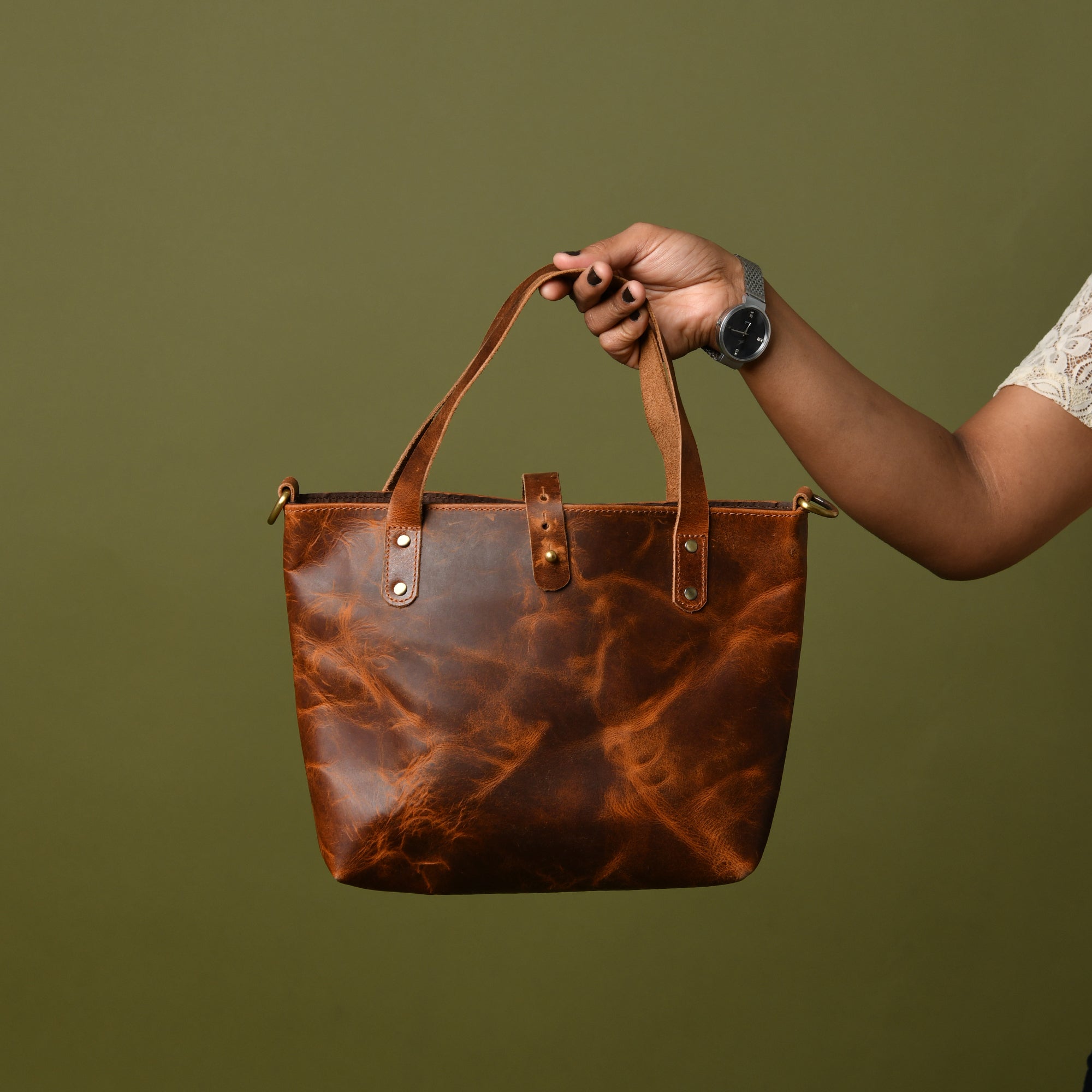
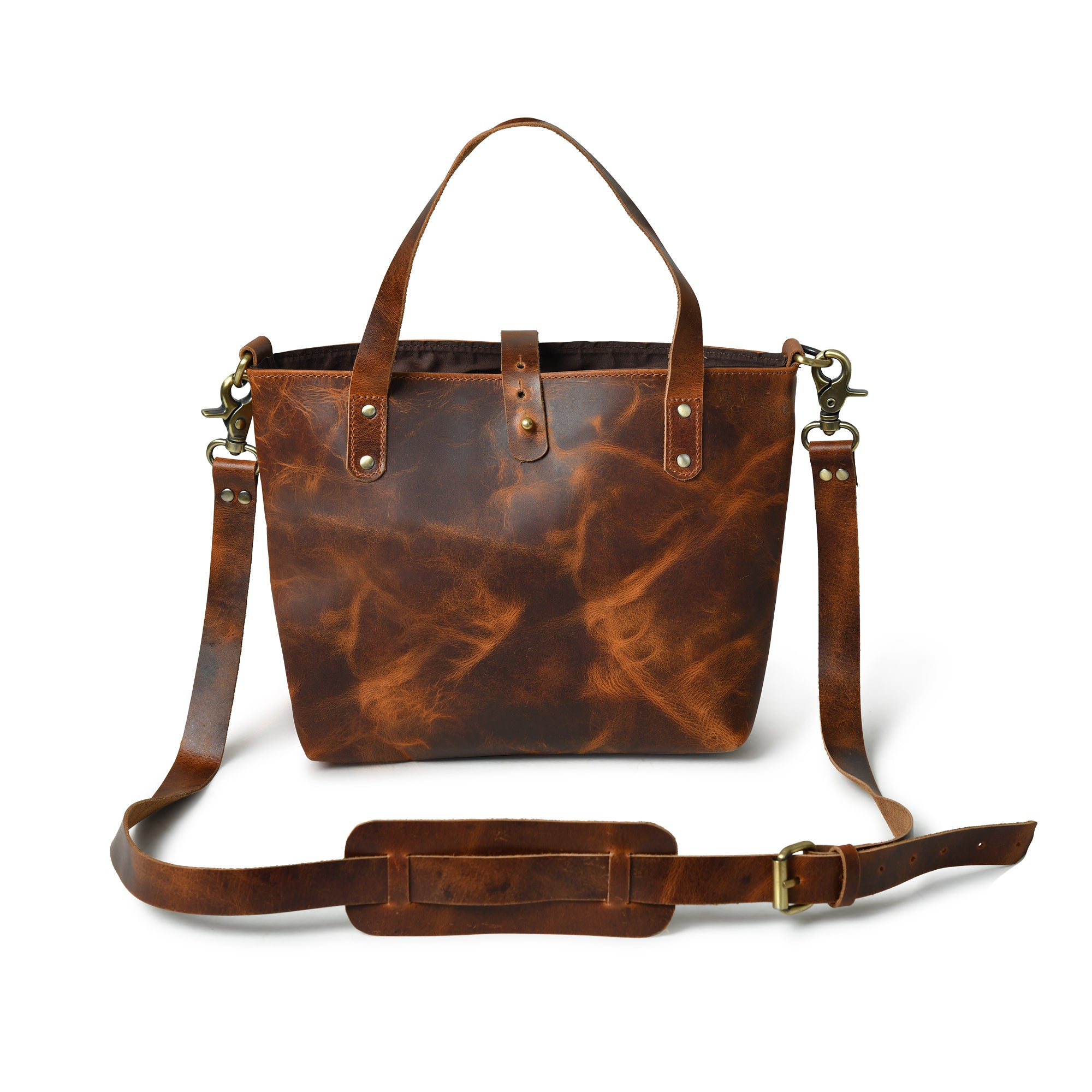
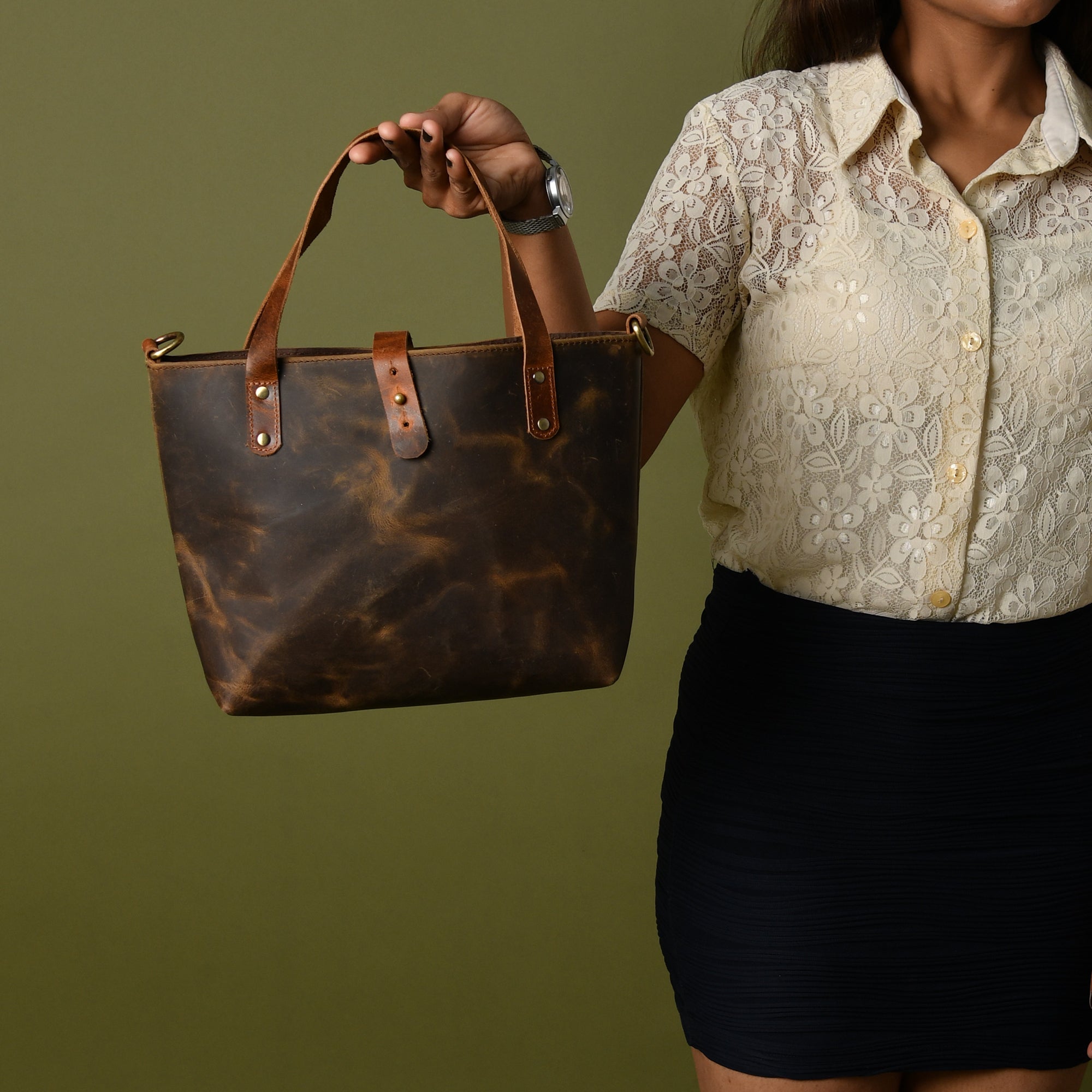
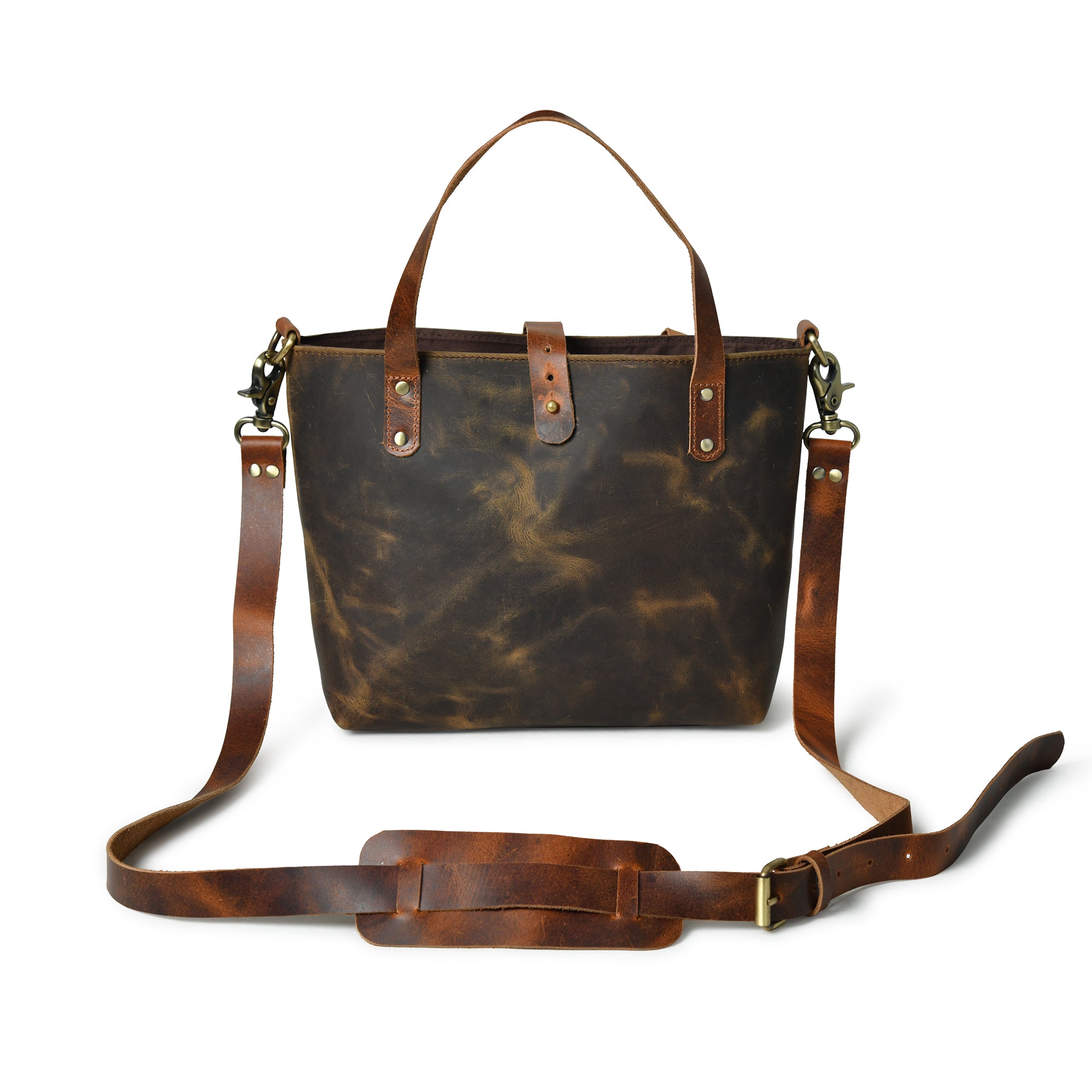
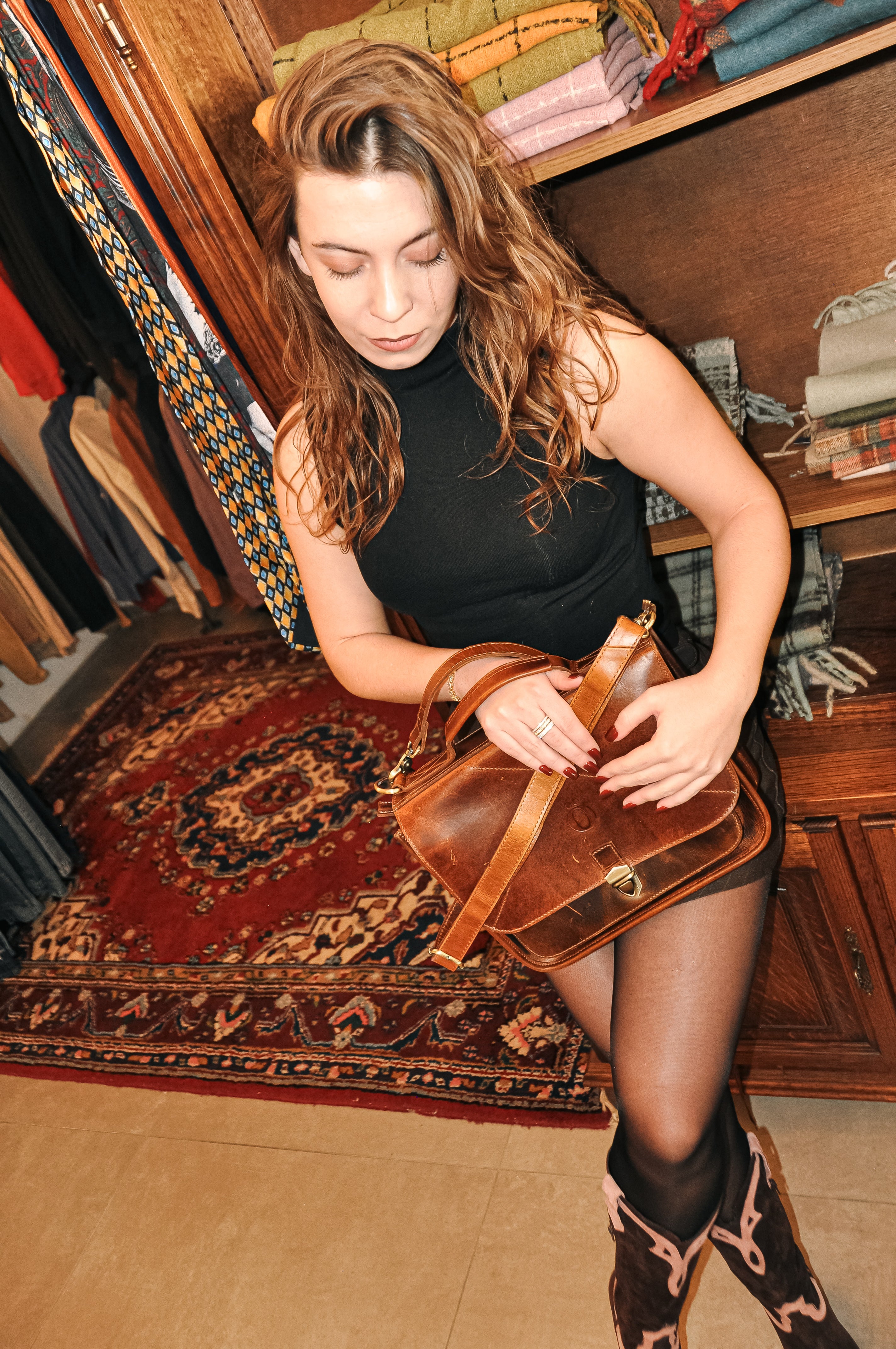
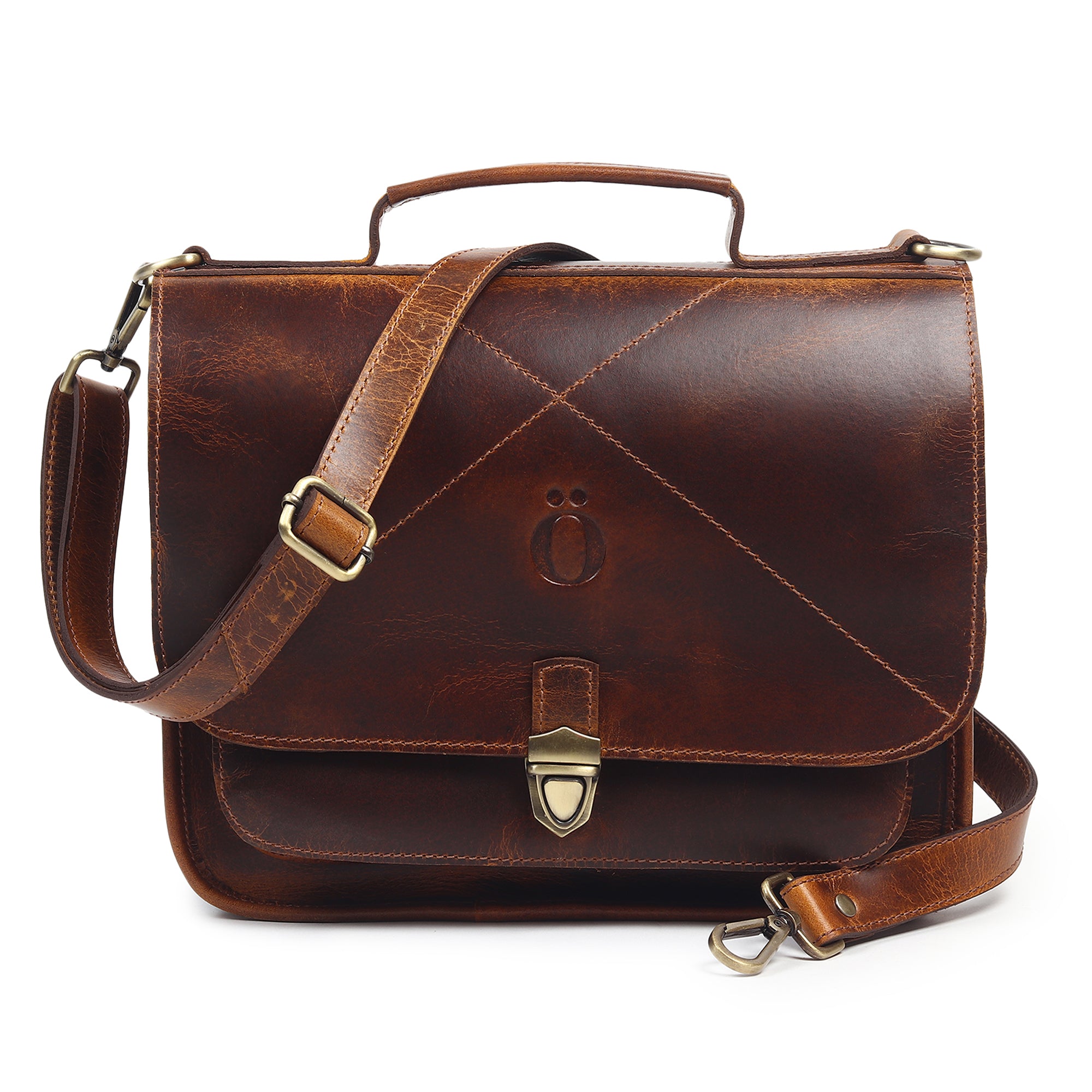
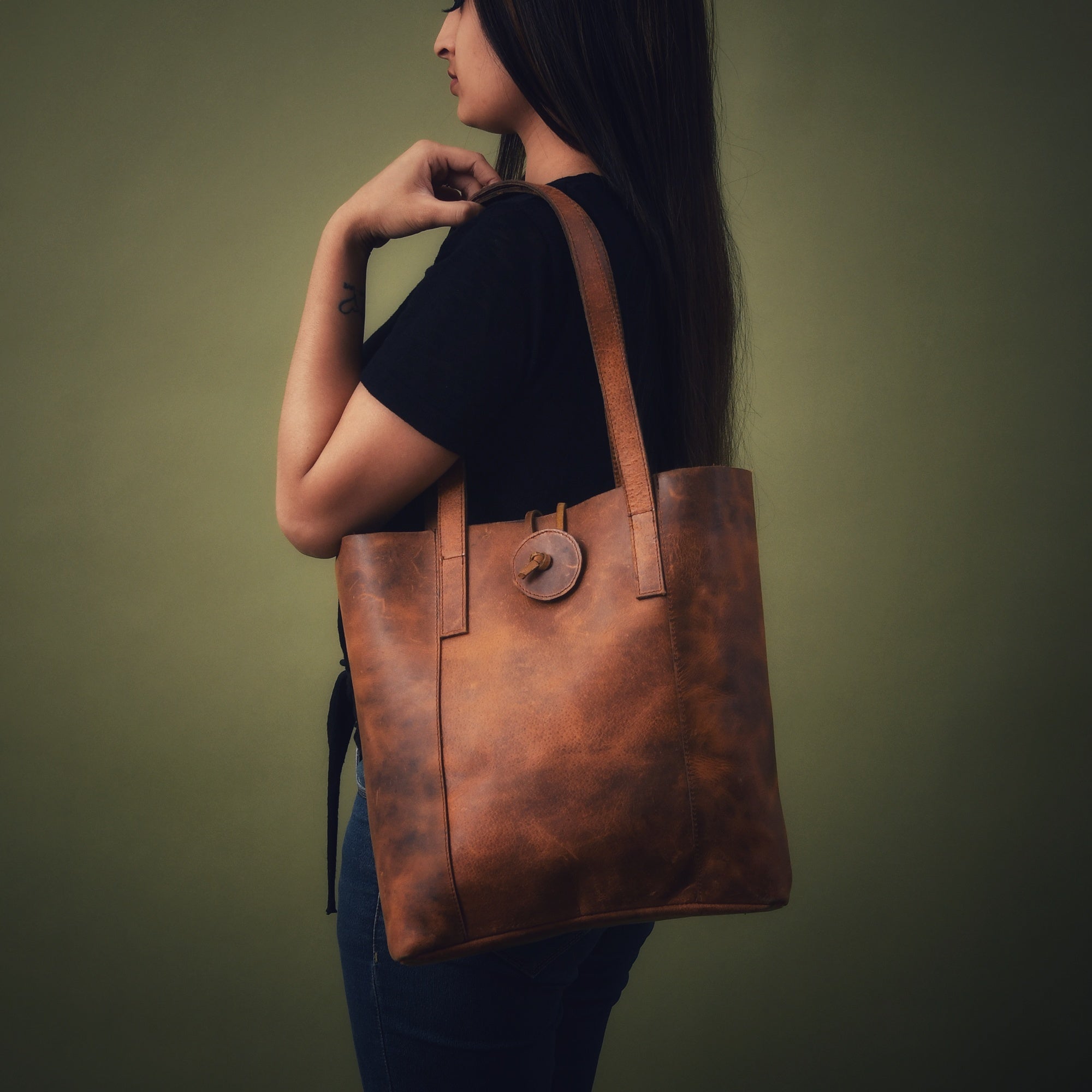
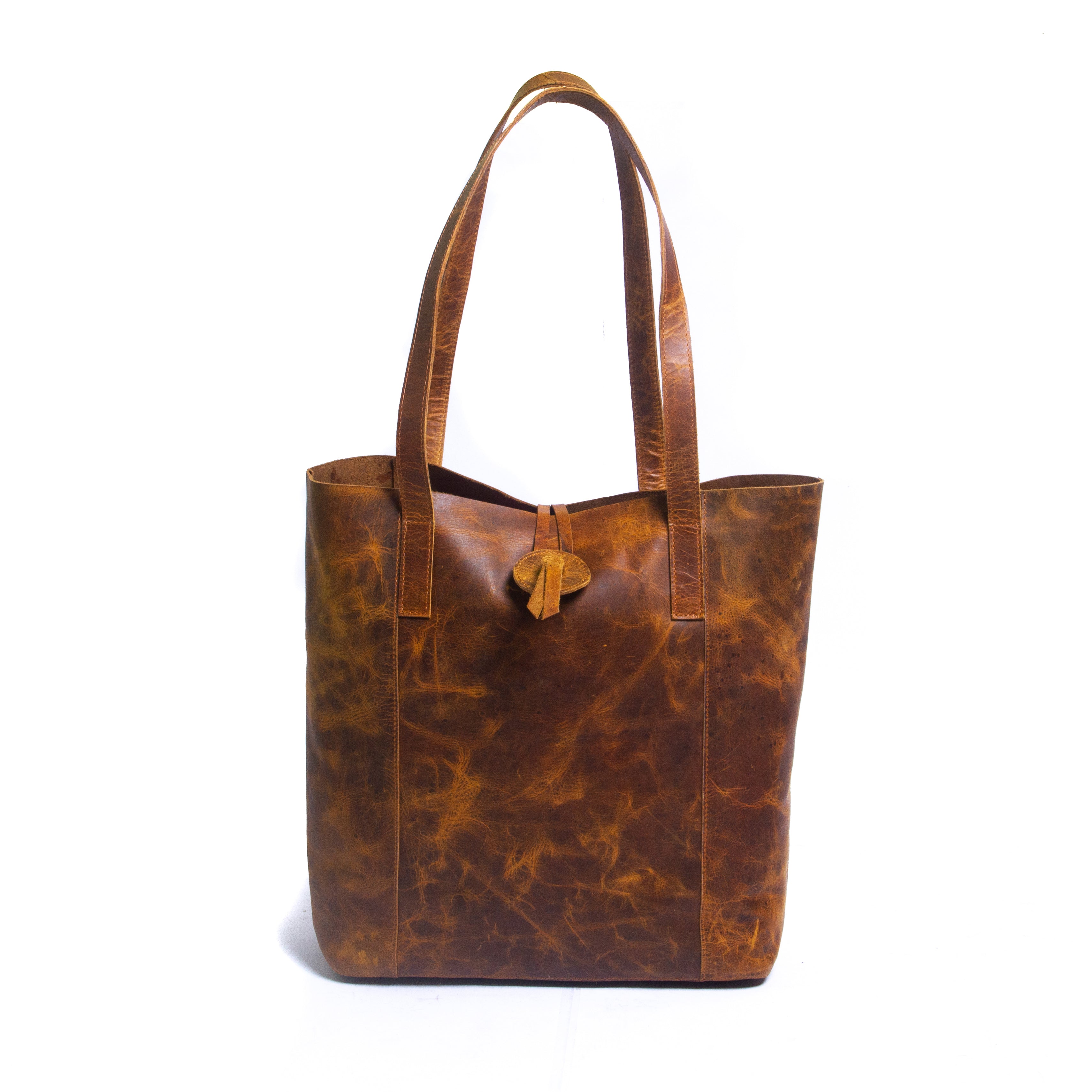
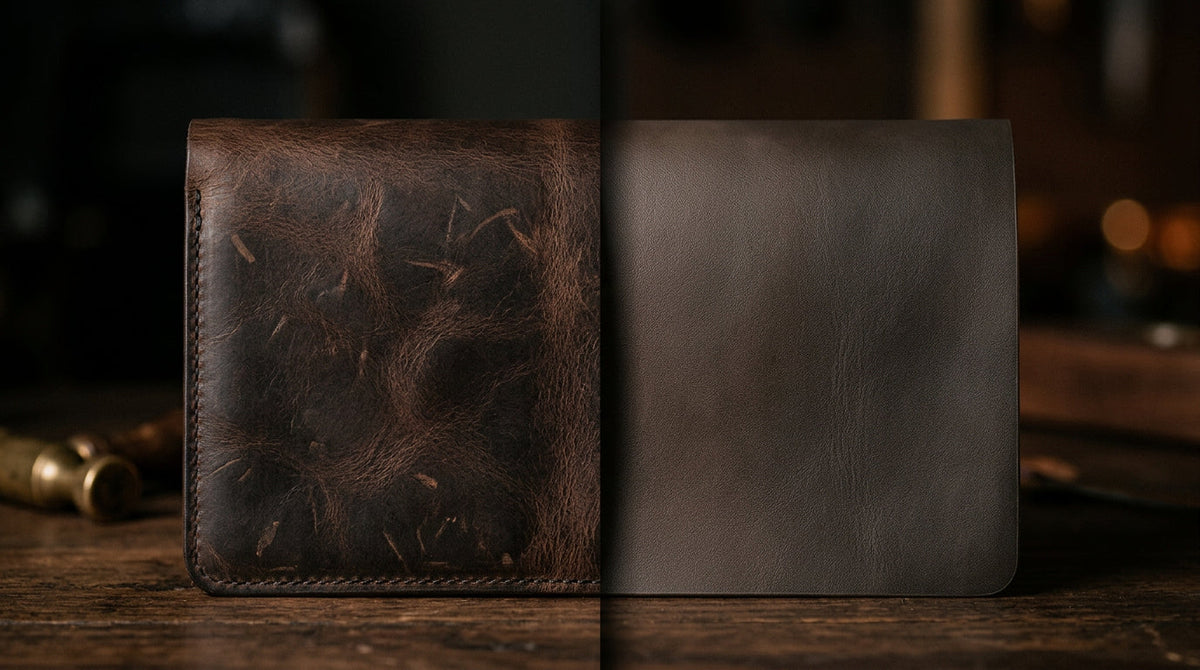
A maker using the best material tends to name it precisely — for example, "full-grain buffalo leather" — and to describe the natural grain, marks and patina that come with an uncorrected hide. Vague wording ("made with genuine leather") is usually a sign the grade is lower. When in doubt, the precision of the description is itself a quality signal.
Frequently asked questions
-
Is genuine leather real leather? Yes — "genuine leather" does mean real leather. But it is also a lower grade in the leather hierarchy, typically made from the inner or corrected layers of the hide rather than the strong top layer.
-
Is genuine leather good quality? It's middling. It's real leather, so it beats bonded leather and synthetics, but it is not as strong or long-lasting as top-grain or full-grain leather.
-
What is the difference between genuine leather and full-grain leather? Full-grain uses the entire intact top layer of the hide and is the most durable grade. "Genuine leather" usually uses lower or corrected layers and is less durable.
- What is the highest quality leather? Full-grain leather is the highest quality. It keeps the hide's natural top layer, is the strongest, and develops a patina as it ages.