

Top-Grain vs Full-Grain Leather: Which Should You Actually Buy?
Full-grain leather uses the entire hide with its natural grain intact, while top-grain leather has the outermost layer sanded down and refinished for a smoother, more uniform look. Both are genuine, high-quality leathers — the real question isn’t which one is “better,” but which one suits how you actually use a bag.
If you’ve spent any time shopping for a leather duffle, briefcase, or tote, you’ve probably seen both terms used almost interchangeably by brands. They shouldn’t be. Understanding the difference will save you from overpaying for a lower grade, or underestimating a leather that’s actually excellent for daily use.
What Is Full-Grain Leather?
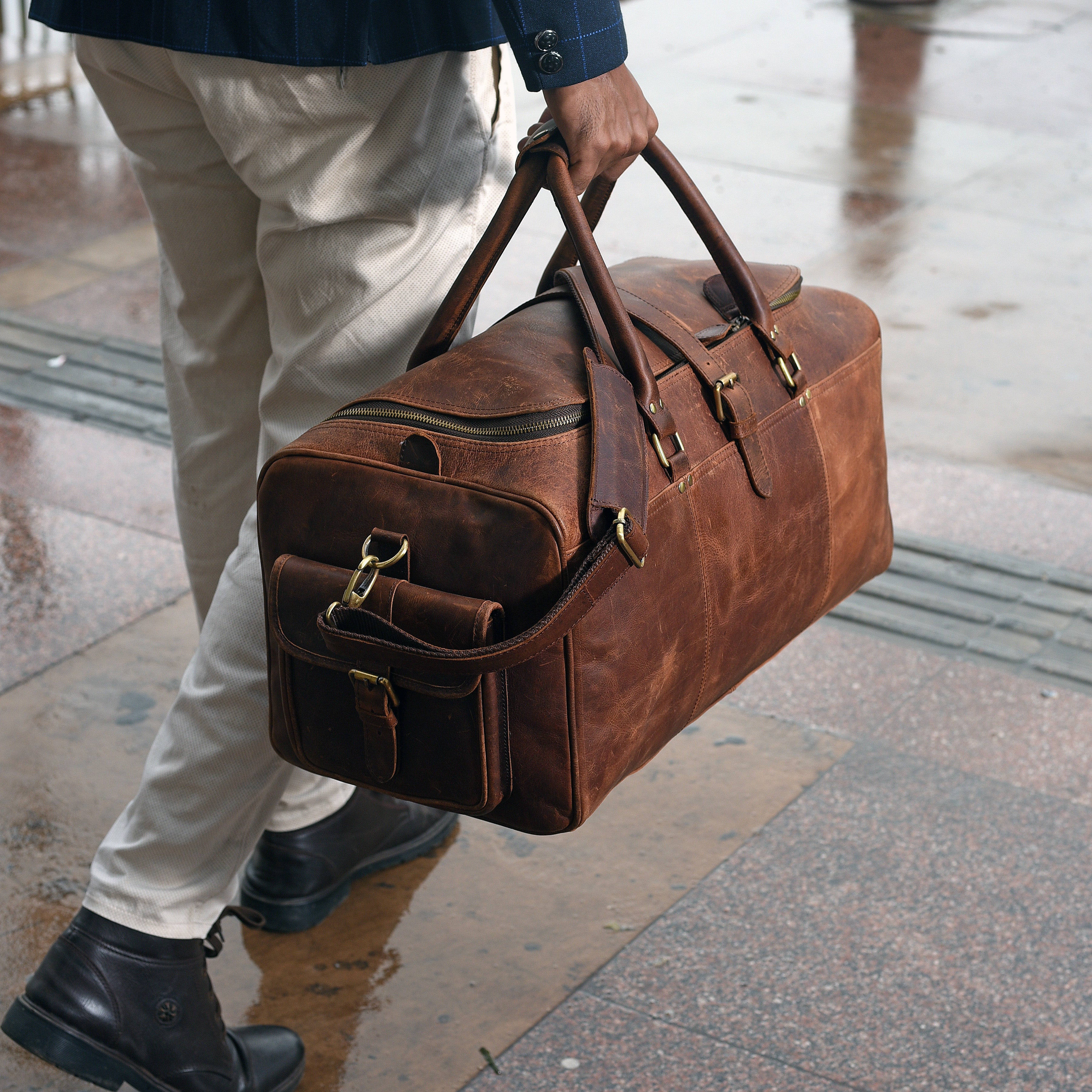
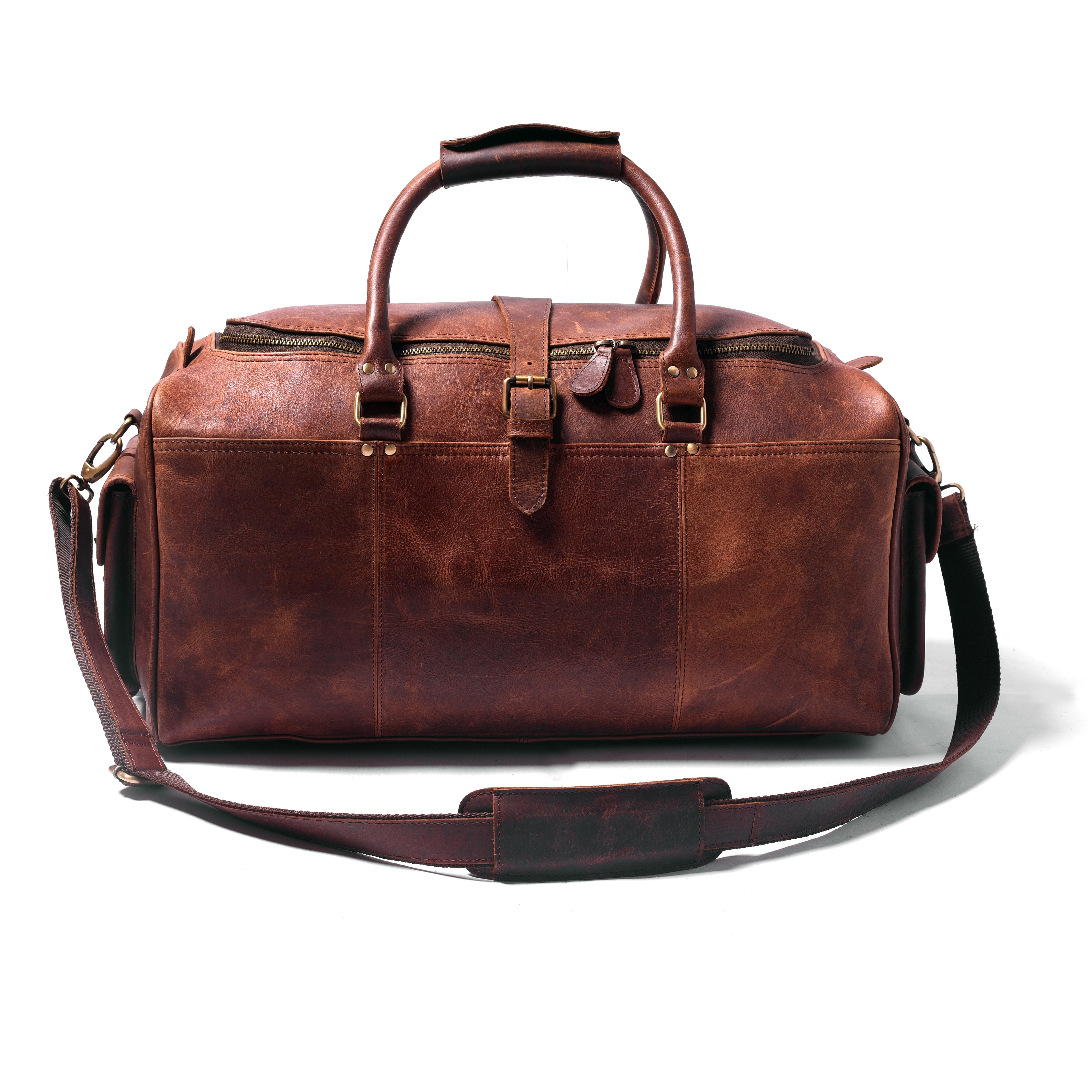
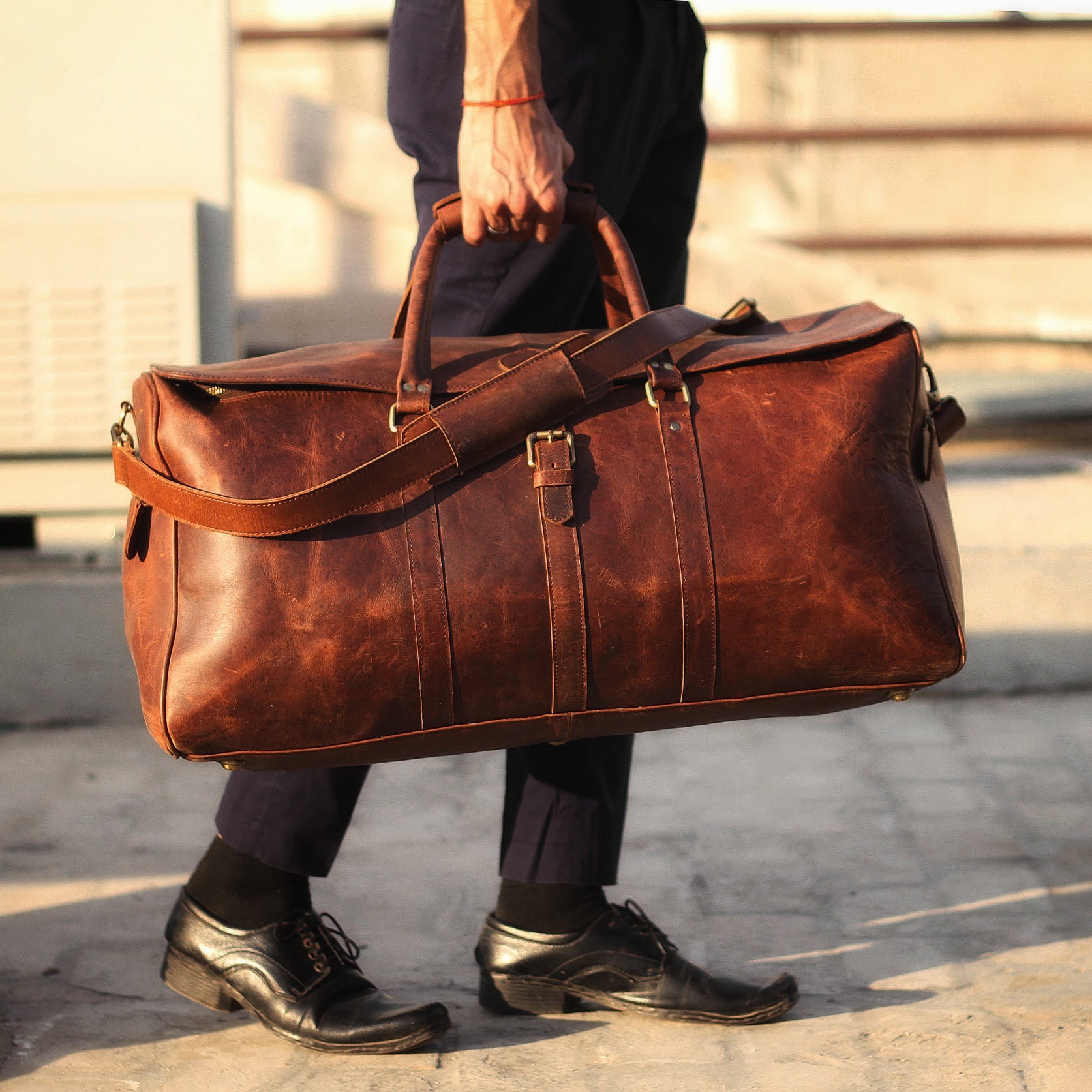
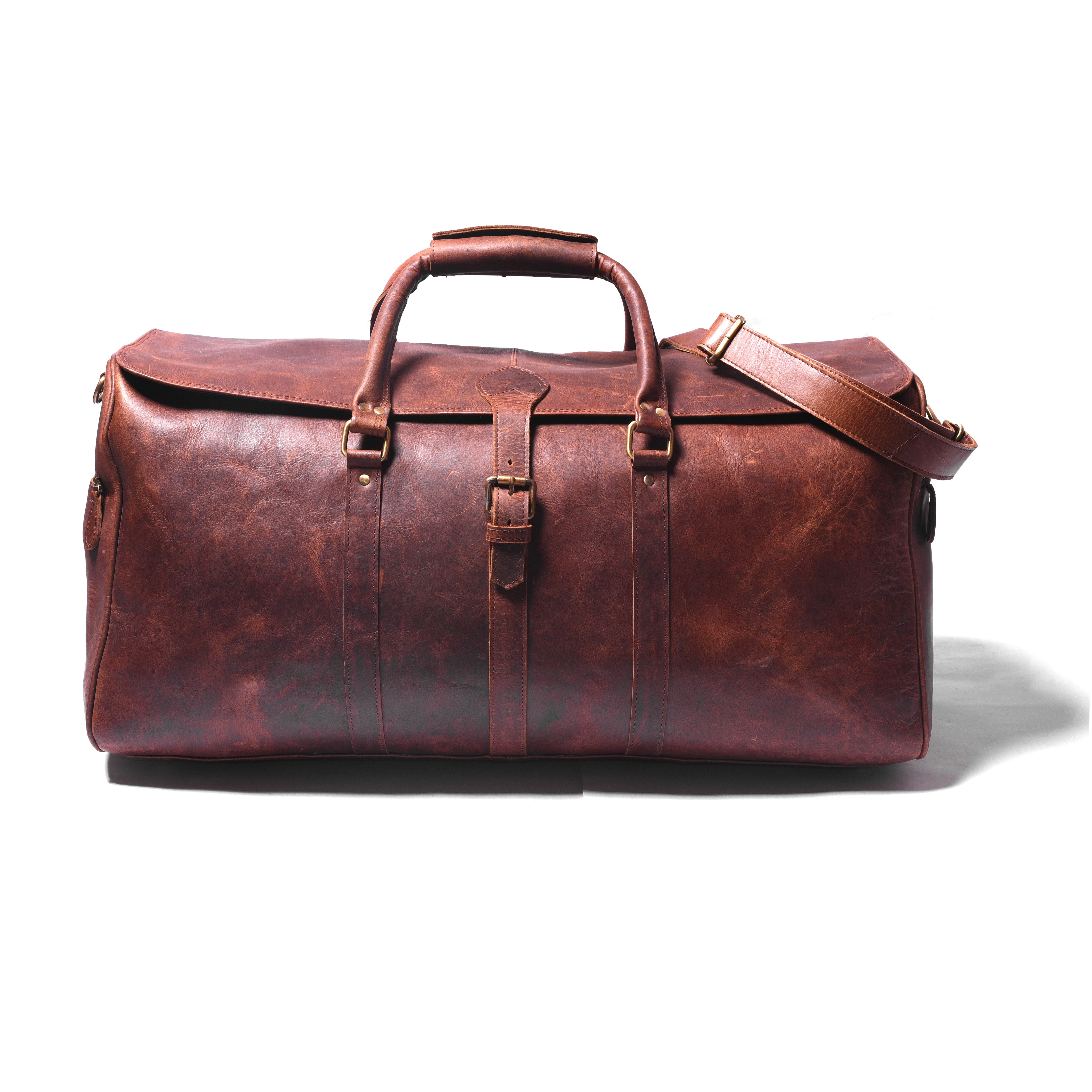
Full-grain leather is cut directly from the top layer of the hide without sanding, buffing, or corrective treatment. Because nothing is removed, it retains the hide’s natural grain pattern, including small imperfections like wrinkles, insect bites, or scarring — the marks of a real animal, not a machine.
This is what gives full-grain leather its two defining traits:
-
Durability. The fibres in this layer are the tightest and strongest in the hide, making it highly resistant to tearing and wear.
-
Patina development. Over months and years, full-grain leather darkens and develops a rich sheen from oils, sunlight, and handling — something no other grade of leather does in quite the same way.
The trade-off is character over consistency. No two full-grain panels look identical, and some buyers who want a flawless, uniform surface find this unappealing at first — though most come to prefer it once they understand what they’re seeing.
What Is Top-Grain Leather?
Top-grain leather starts the same way — cut from the top layer of the hide — but the surface is then lightly sanded and often coated with a finish or pigment to even out the texture and remove imperfections. It’s the leather used in a large share of premium handbags and accessories precisely because it looks more polished straight off the shelf.
Because the surface is treated, top-grain leather is:
-
More scratch-resistant on the surface (though not stronger underneath)
-
More consistent in colour and texture across a batch
-
Slightly thinner and more pliable than full-grain, since the sanding process removes some material
It won’t develop the same deep, organic patina as full-grain leather, because the natural surface — the part that actually ages — has been altered.
Full-Grain vs Top-Grain: A Direct Comparison
|
Factor |
Full-Grain Leather |
Top-Grain Leather |
|---|---|---|
|
Surface |
Natural, unaltered |
Sanded and refinished |
|
Durability |
Highest — tightest fibre structure |
Very good, slightly less than full-grain |
|
Appearance |
Variable, characterful |
Uniform, polished |
|
Patina |
Develops rich patina over time |
Minimal patina development |
|
Price |
Typically higher |
Slightly lower |
|
Best for |
Long-term investment pieces |
Structured, polished everyday bags |
Which One Should You Choose?
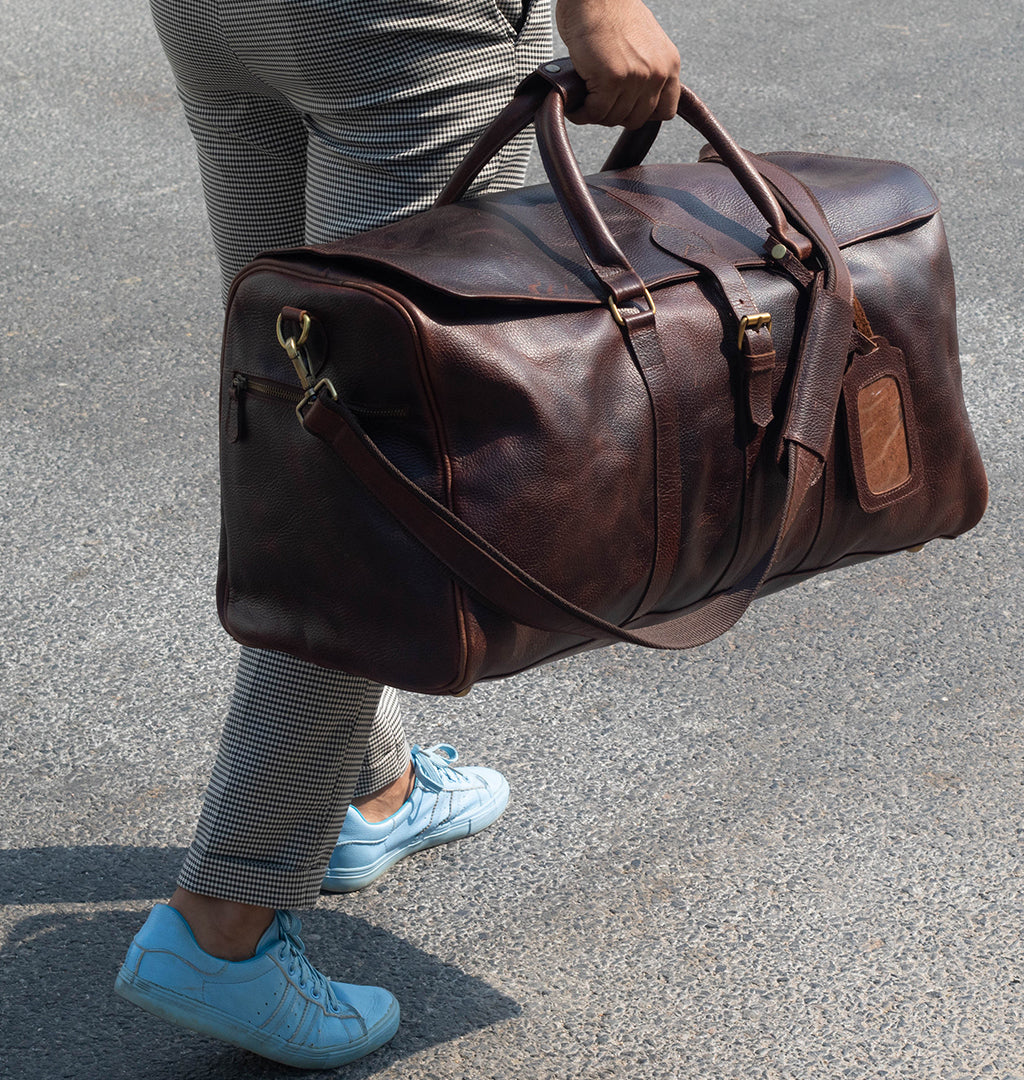
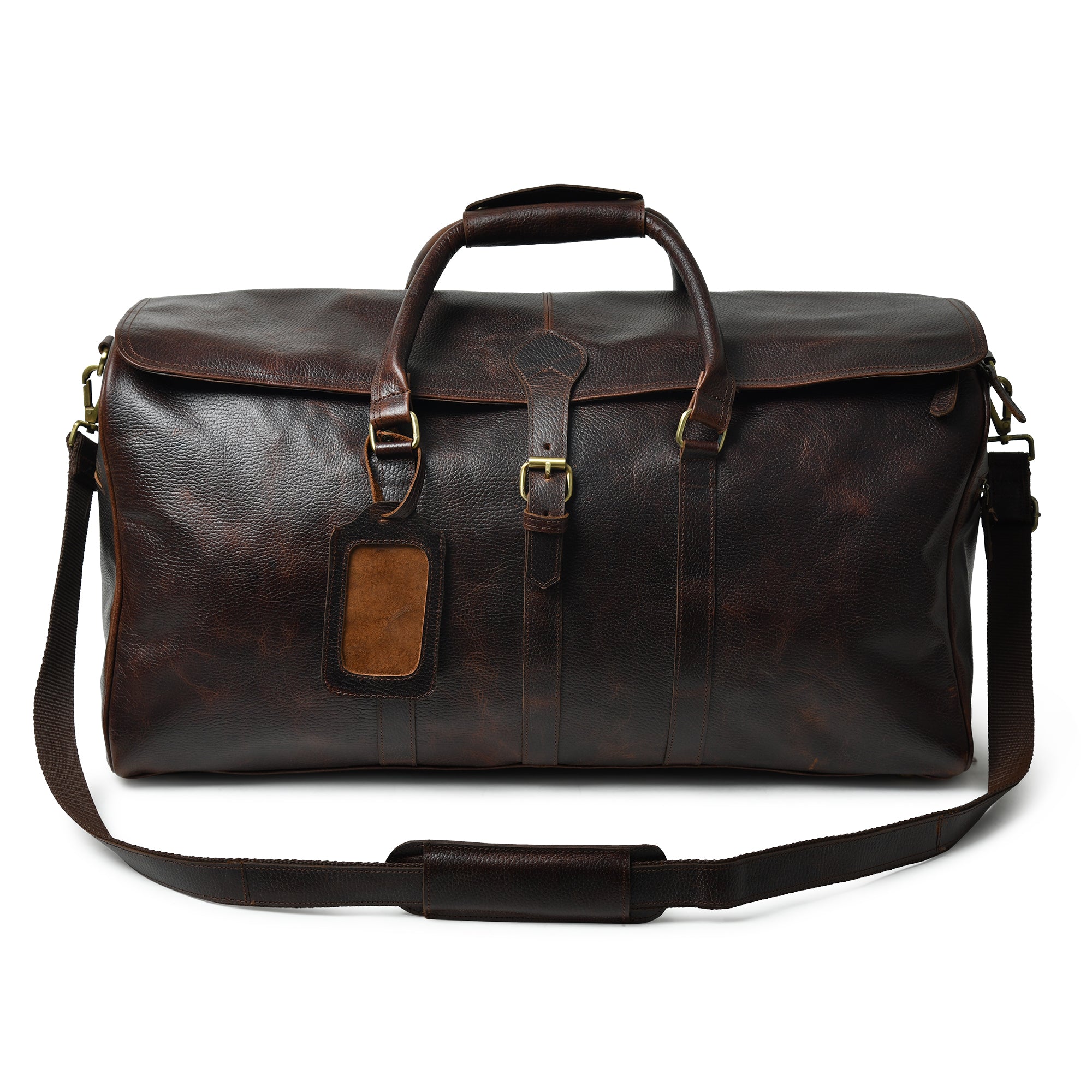
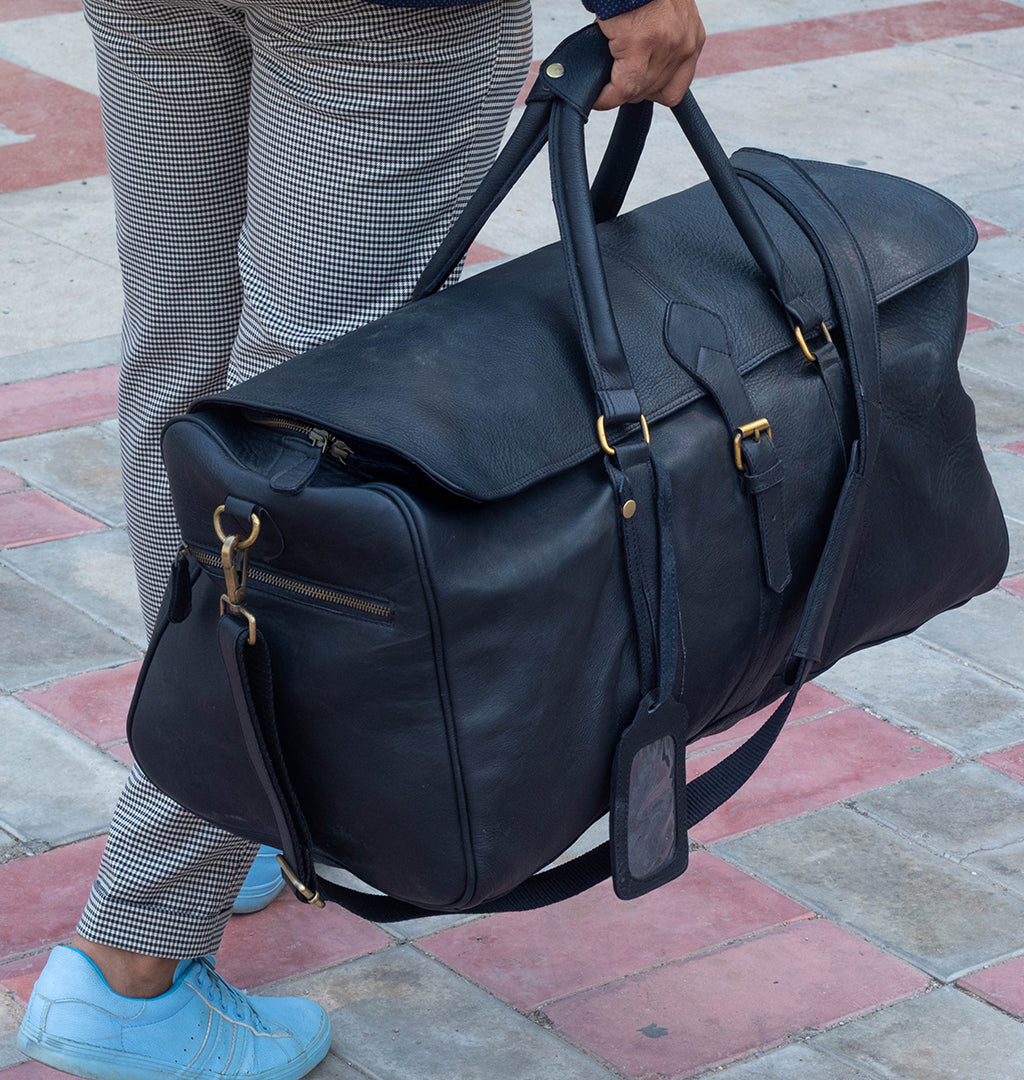
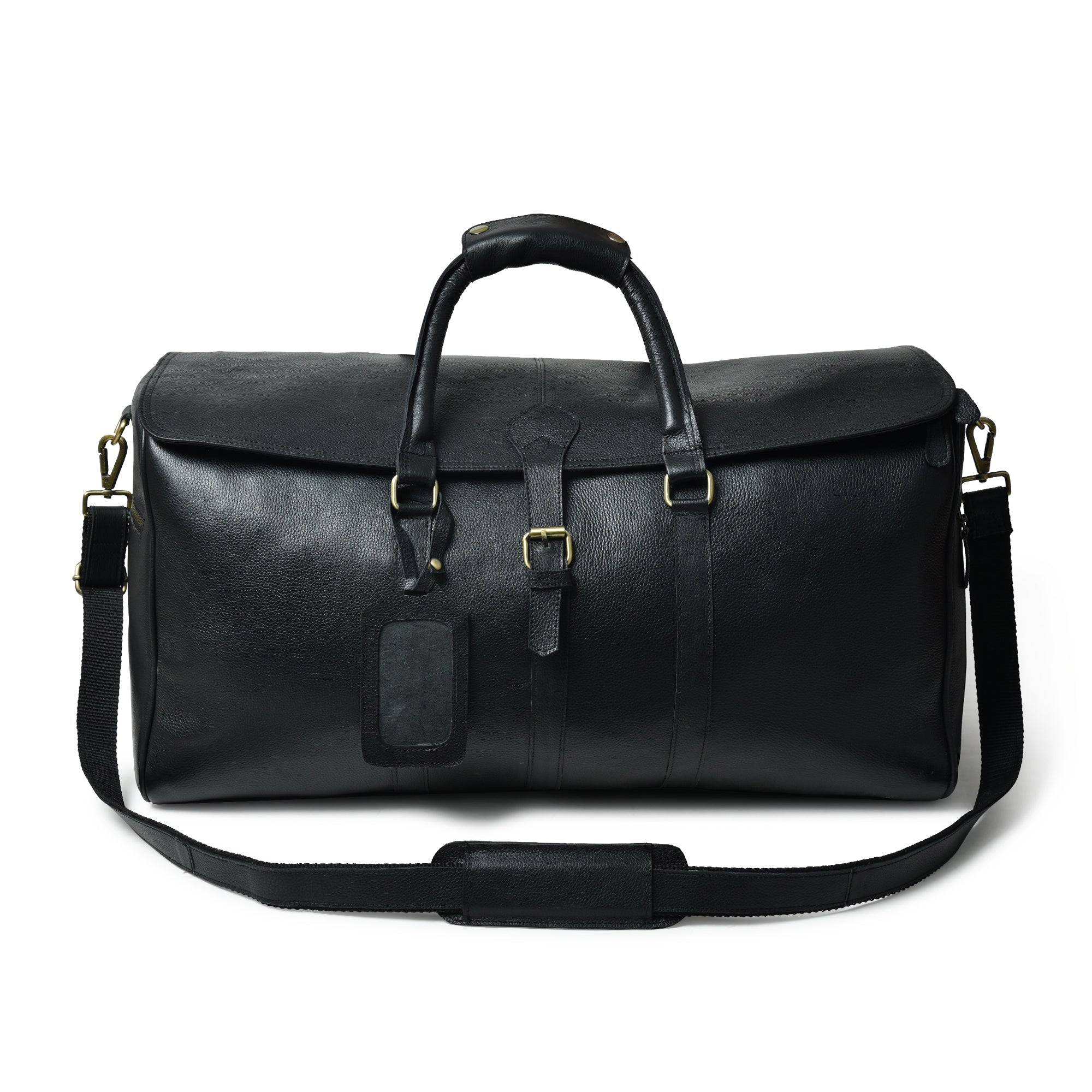
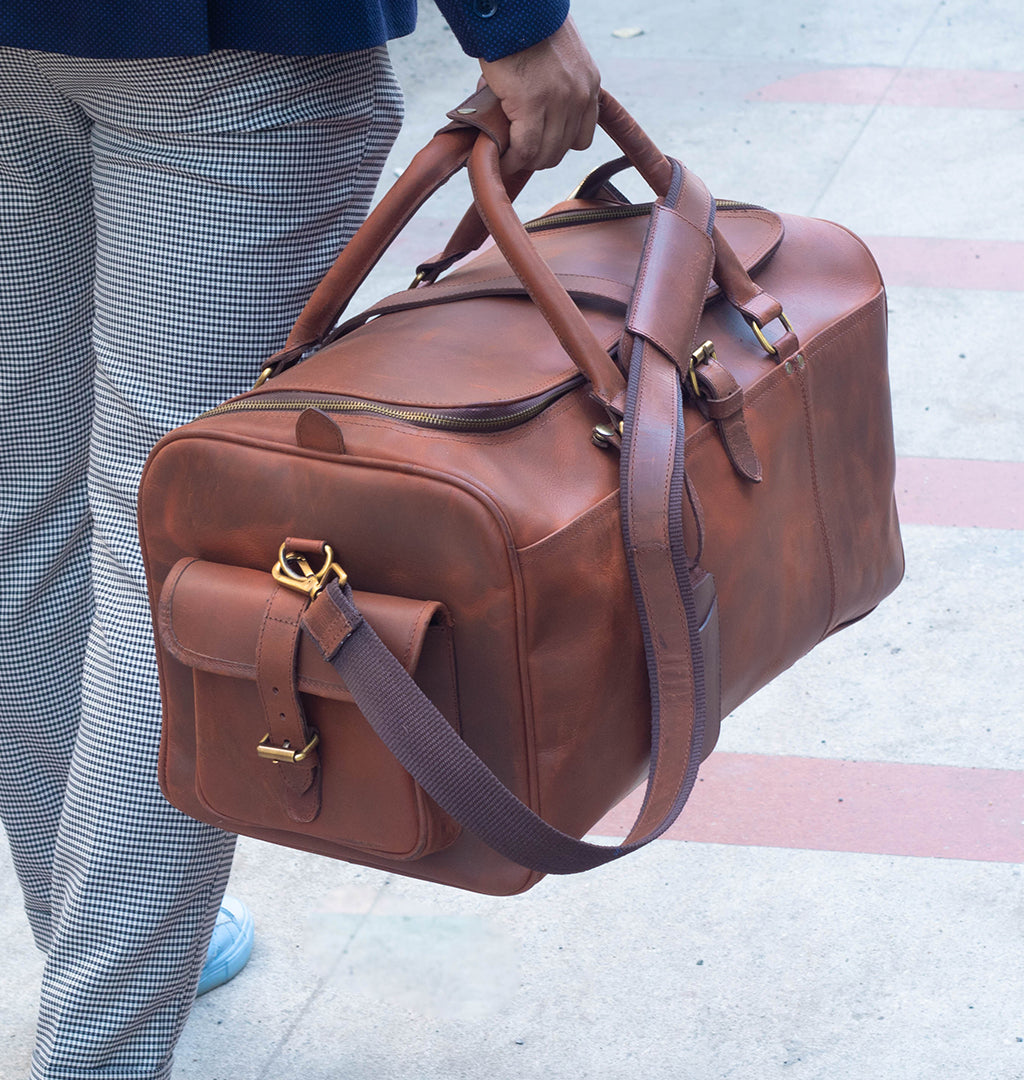
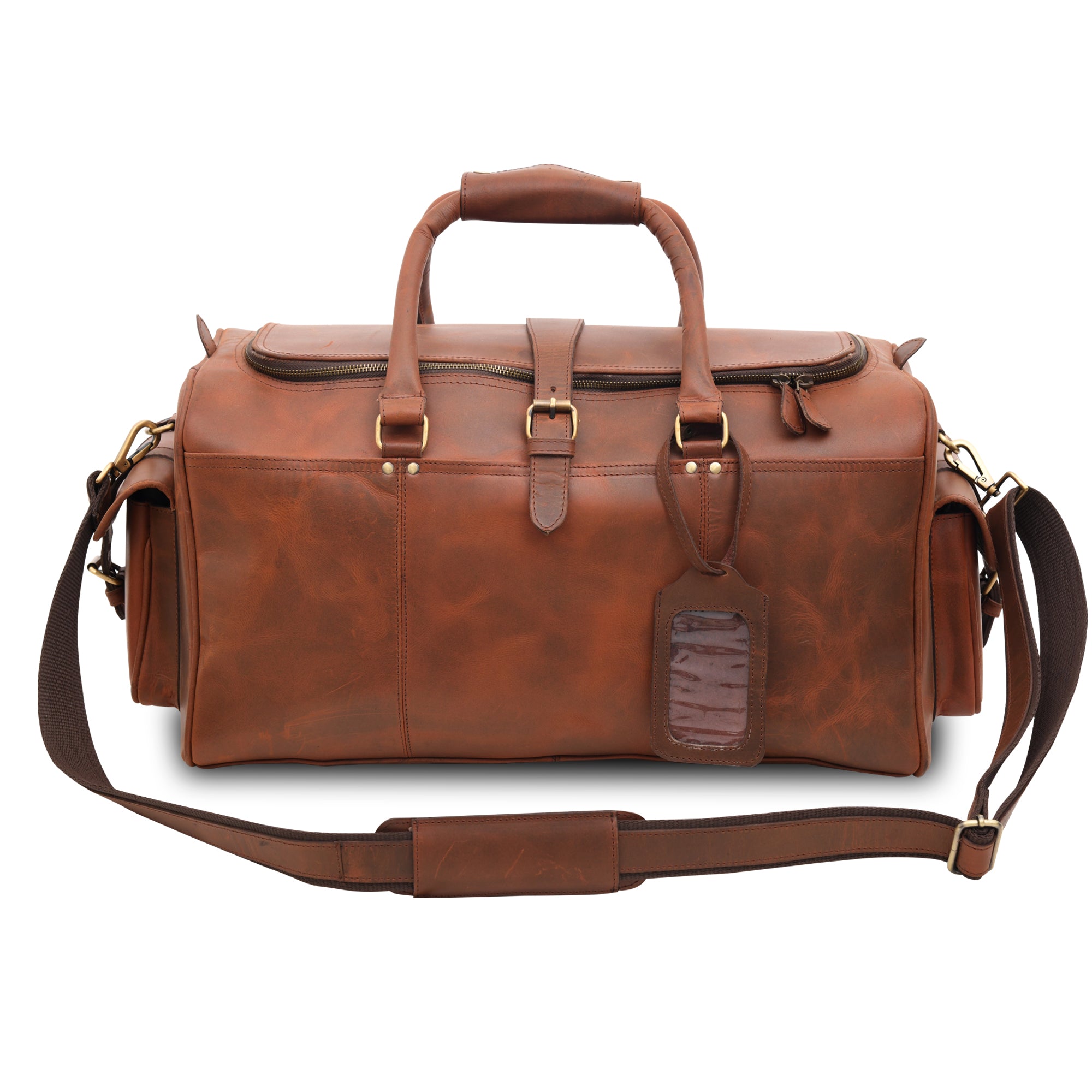
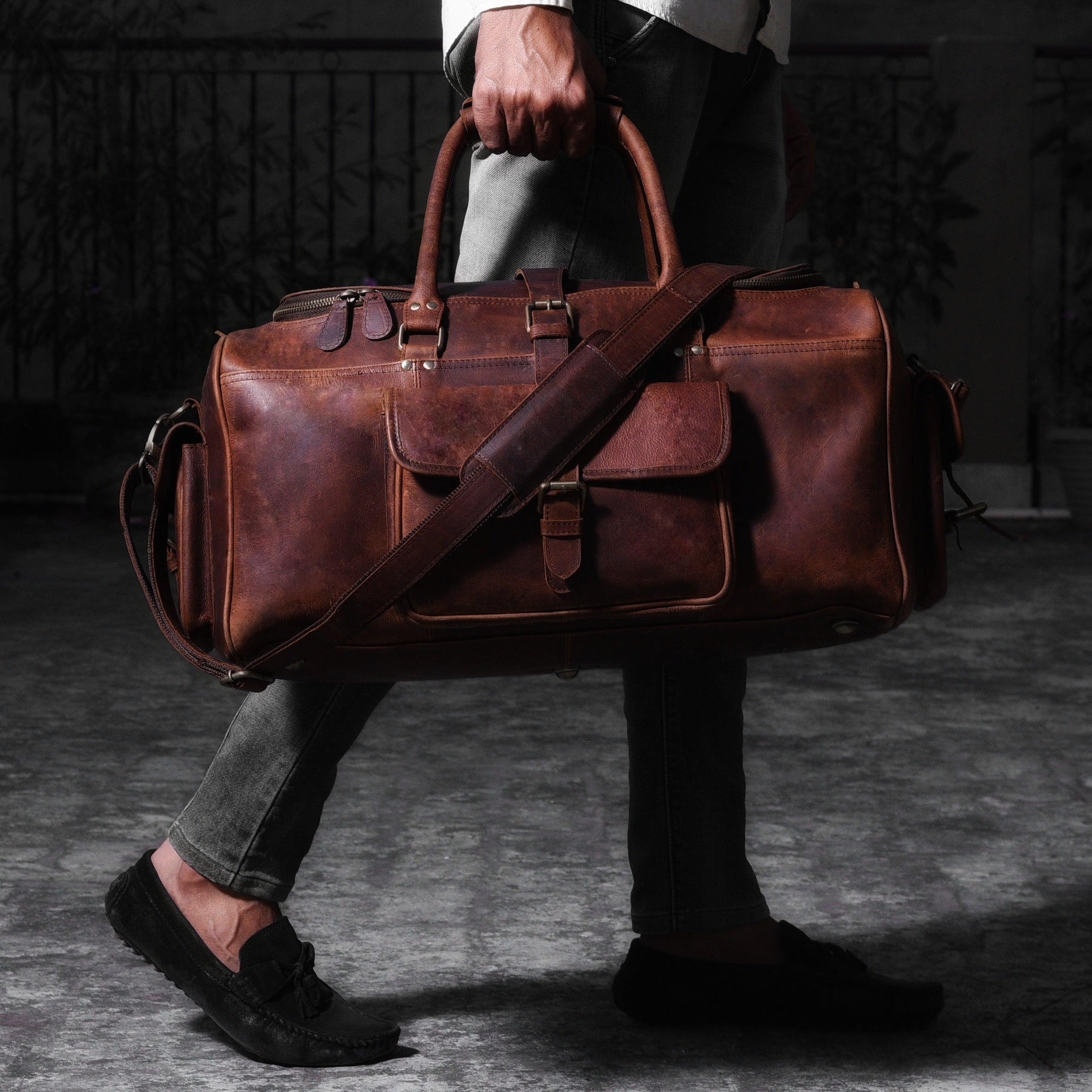
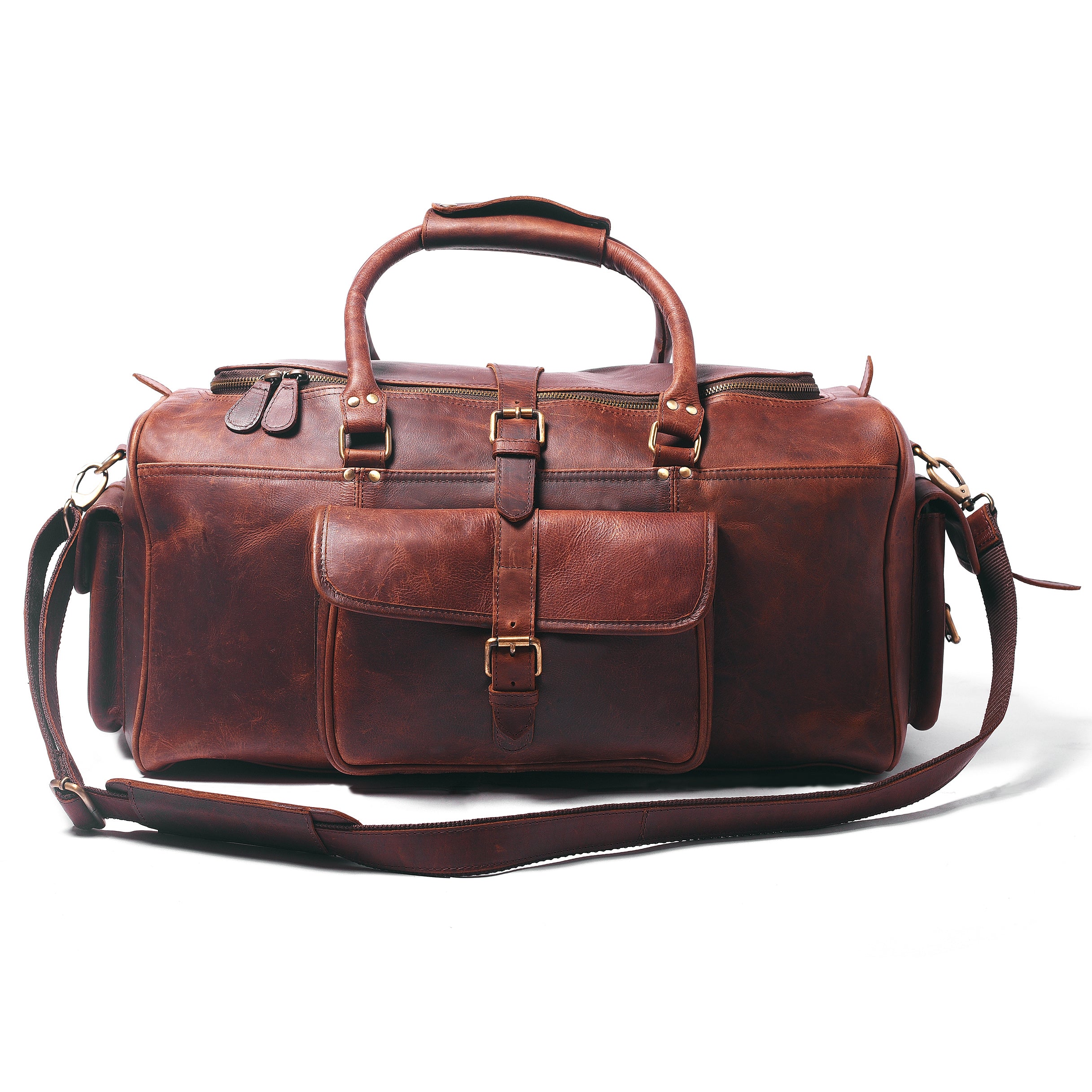
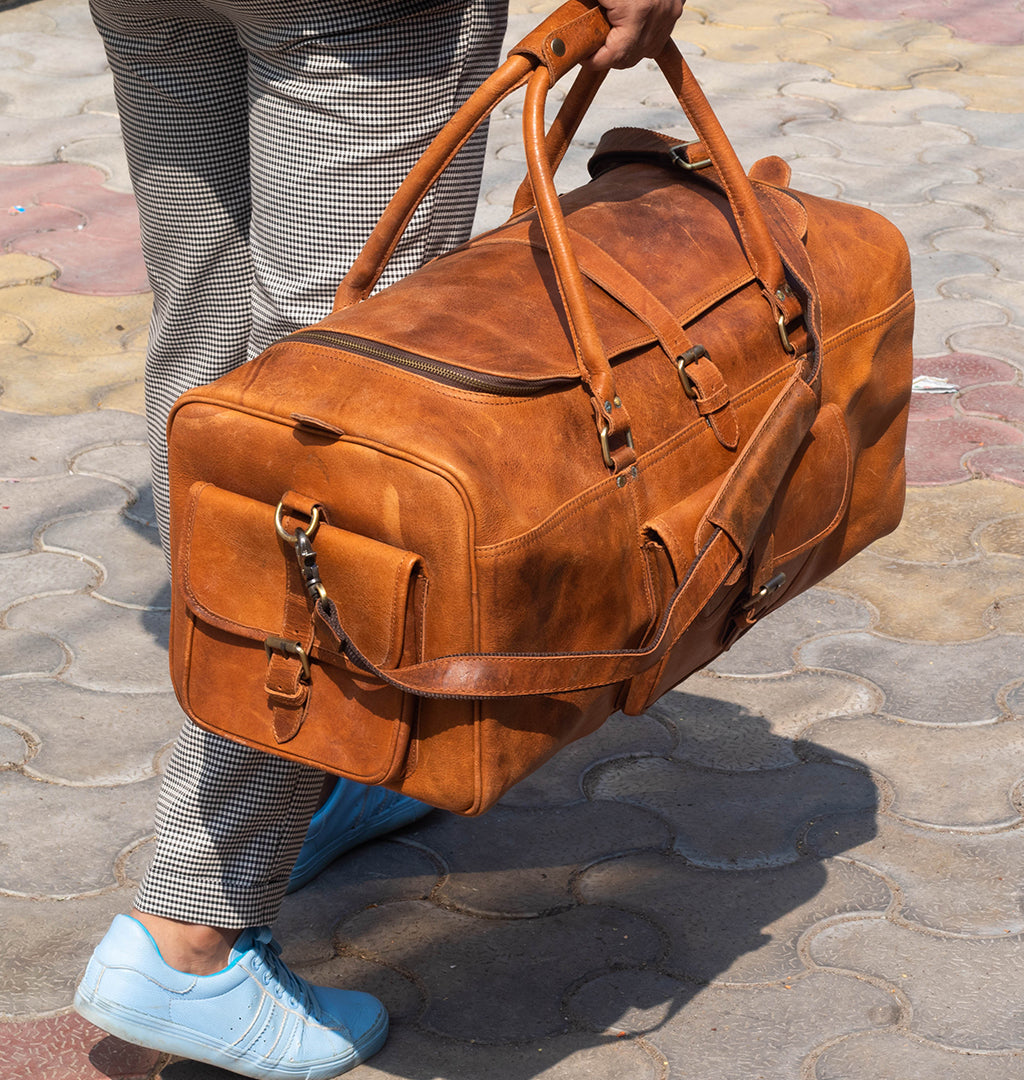
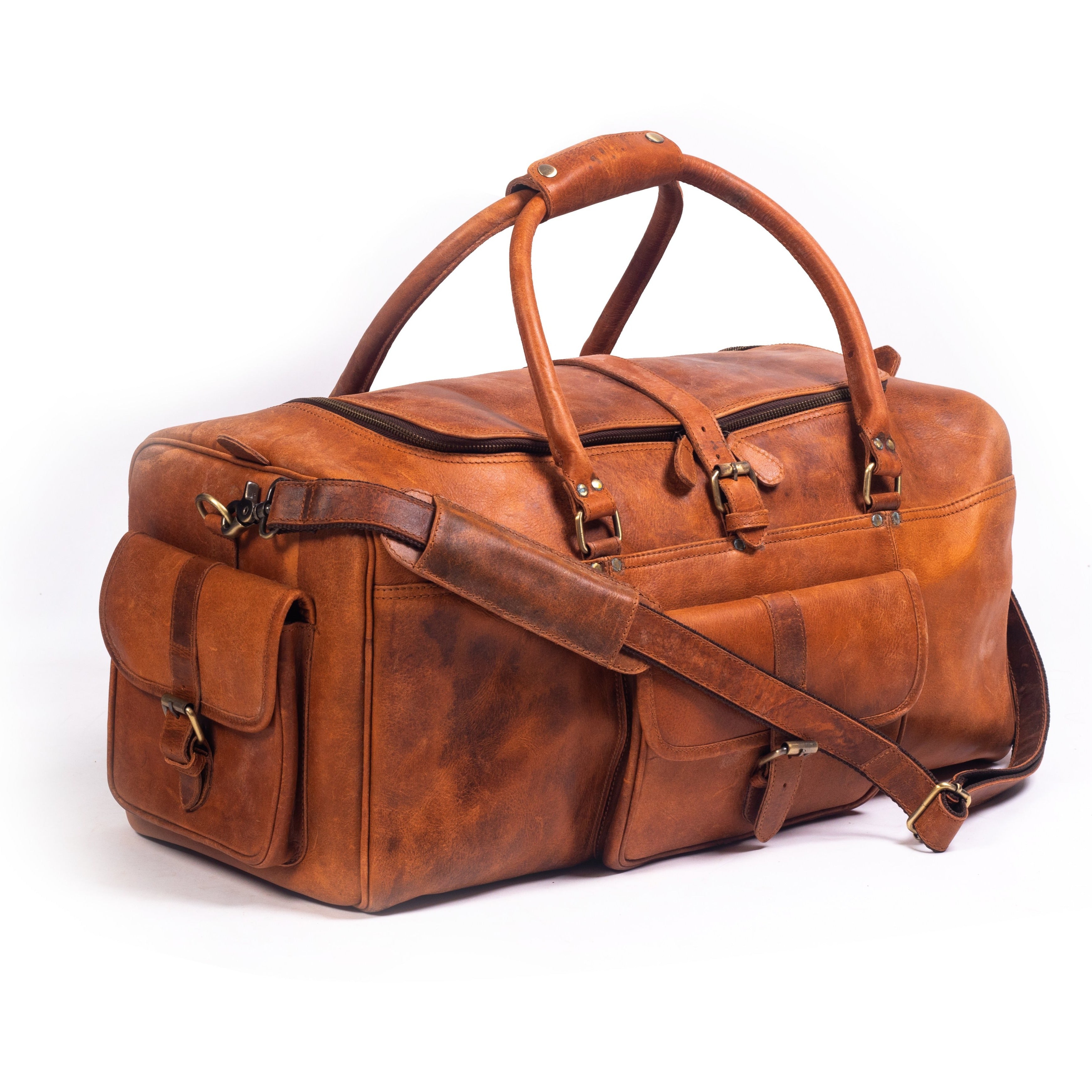
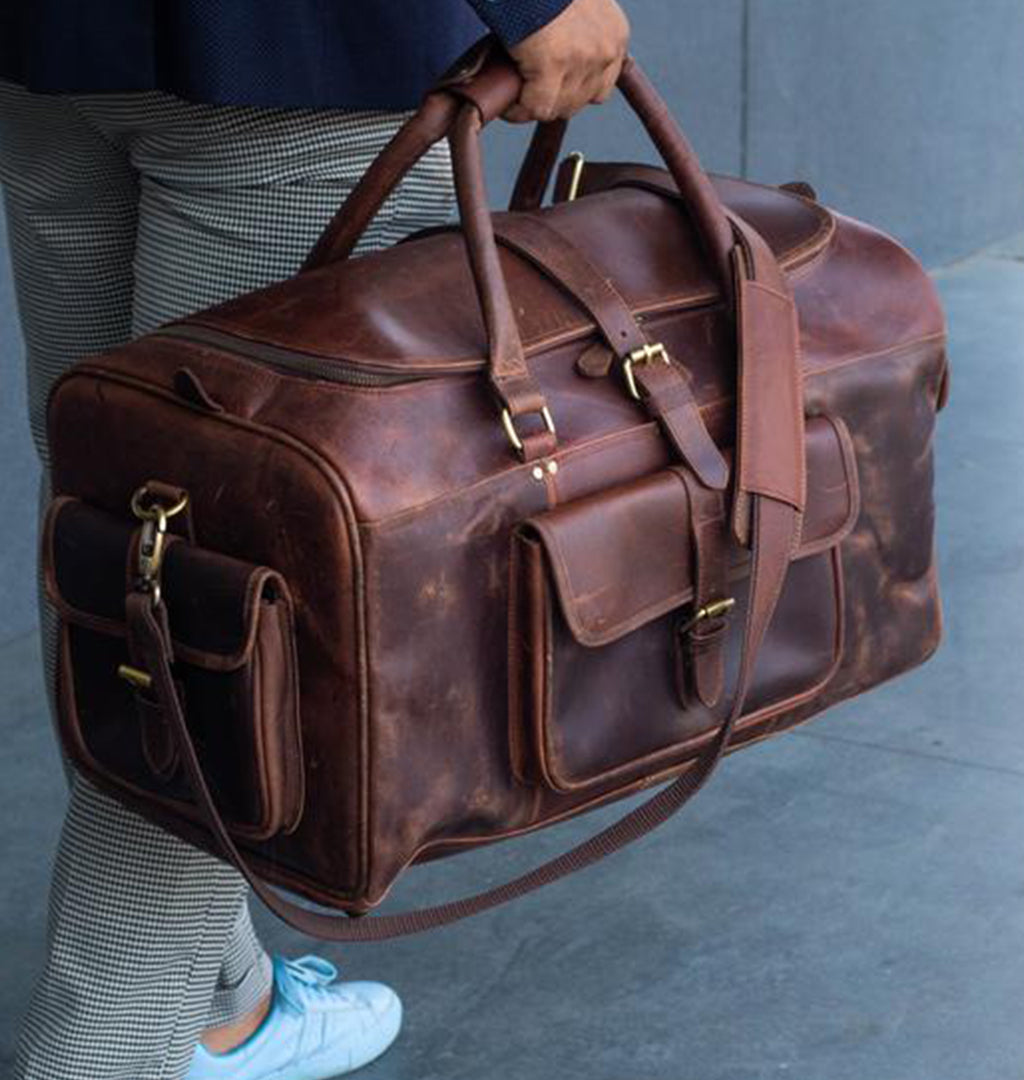
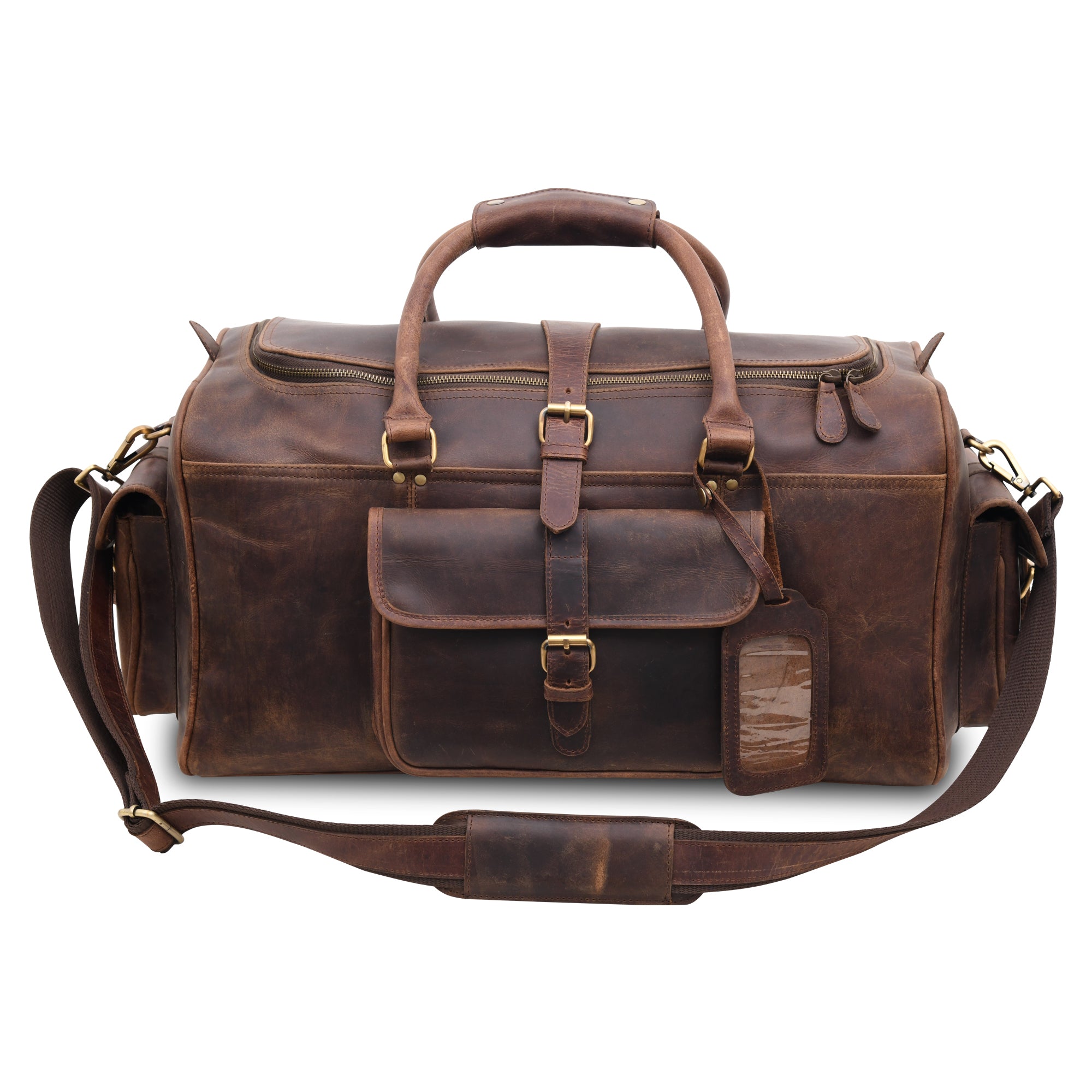
If you want a bag that ages with you — one that looks better in five years than it does today — full-grain leather is the clear choice. This is why most of our full grain leather bags at DÖTCH are built this way: buyers investing in a duffle or briefcase for the long haul want the material to earn its character, not hide it.
If your priority is a clean, consistent finish from day one, and you’re less concerned with visible aging, top-grain is a perfectly legitimate — and often more affordable — choice. It’s not “fake” or “lesser” leather; it’s simply processed differently for a different aesthetic outcome.
A Word on Labelling
Because both are genuine leathers cut from real hides, some brands use “genuine leather,” “full-grain,” and “top-grain” loosely in marketing. Genuine leather, in industry terms, actually refers to a lower grade made from the leftover split layers beneath the top-grain — not a synonym for either of the grades discussed here. If a listing doesn’t specify full-grain or top-grain explicitly, it’s worth asking before you buy.
Quick Answers
Is full-grain leather always better than top-grain? Not necessarily “better” — full-grain is more durable and develops patina, but top-grain offers a smoother, more consistent finish at a lower price point. The right choice depends on whether you value natural aging or polished uniformity.
Does top-grain leather last as long as full-grain? Top-grain is still a high-quality, long-lasting leather. It’s slightly less durable than full-grain because the sanding process removes some of the strongest fibres, but with proper care it will hold up for years of regular use.
Can you tell full-grain and top-grain apart by looking at them? Usually yes. Full-grain shows visible natural texture, pores, and minor imperfections, while top-grain has a smoother, more even surface with fewer visual irregularities.
The Bottom Line
Both full-grain and top-grain leather are genuine, quality materials — the difference comes down to processing, not authenticity. Full-grain rewards patience with unmatched character and durability; top-grain delivers a refined, consistent look that suits buyers who want their bag to look “finished” from the first day of use. Knowing which one you’re actually buying is the first step to choosing a leather bag that fits how you live.