

How to Break In a New Leather Bag (Without Ruining It)
Breaking in a new leather bag means gently softening and shaping the leather through regular use, light conditioning, and careful handling — not through heat, water, or forceful stretching, all of which can permanently damage the material. The safest approach is also the simplest: use it often, condition it lightly, and let time do the rest.
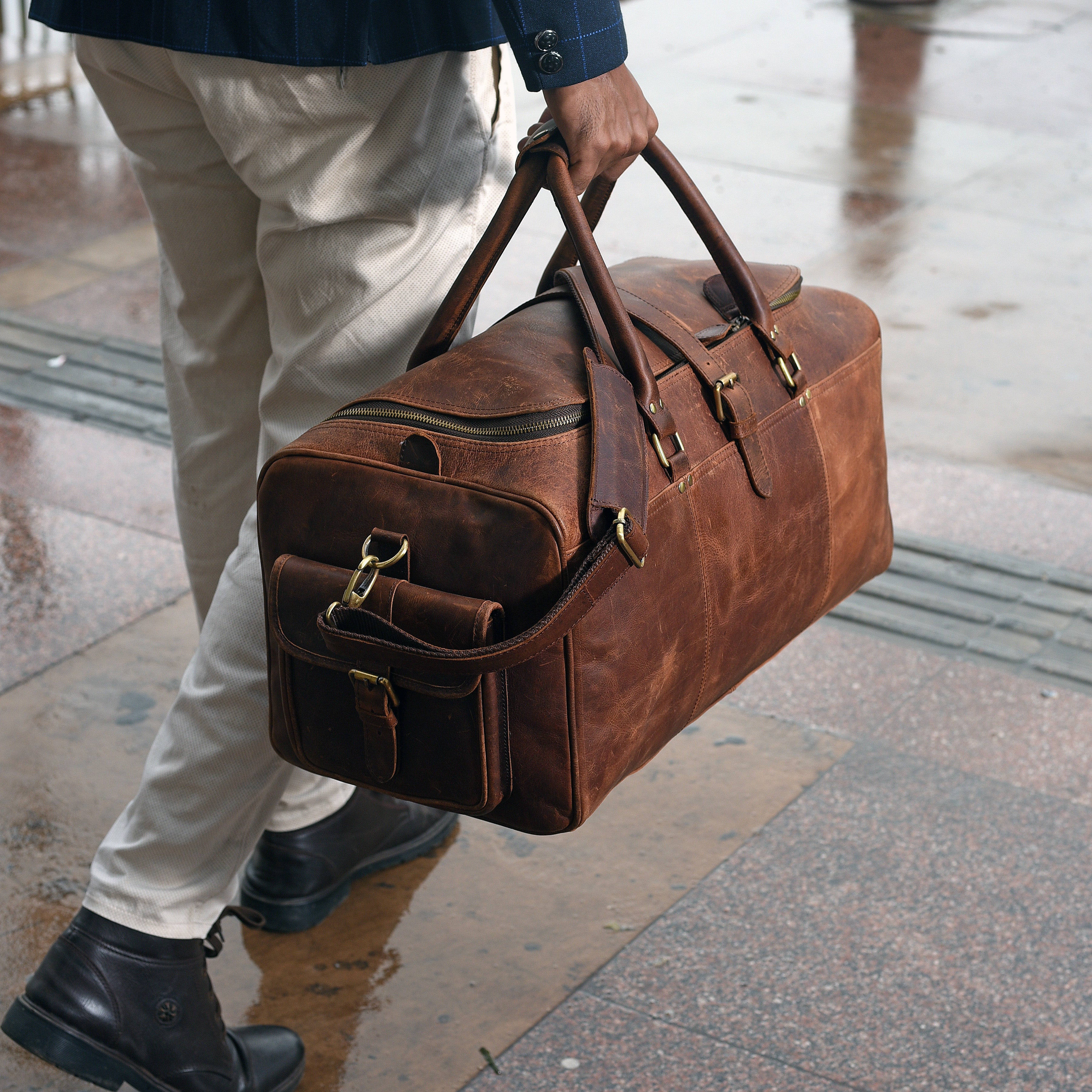
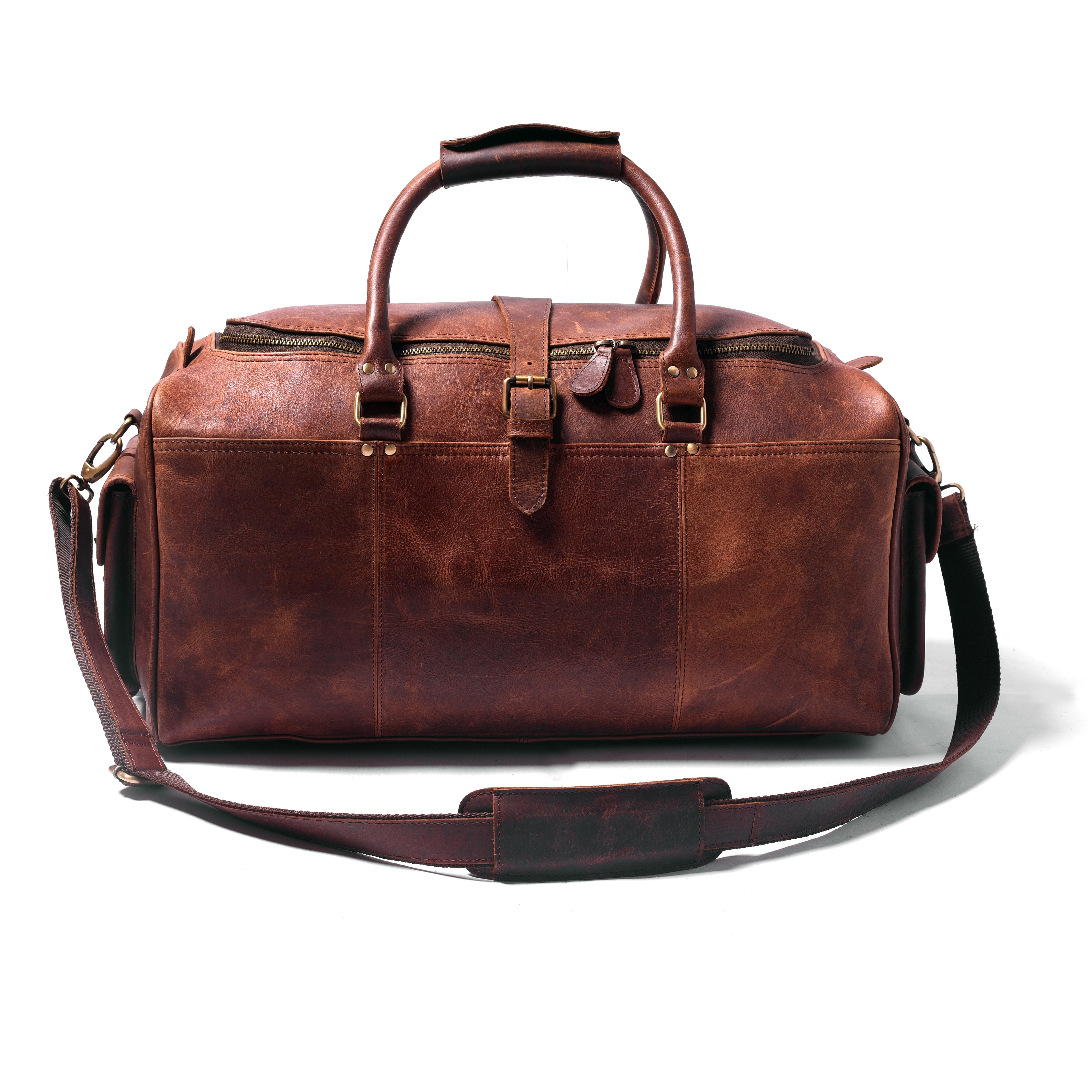
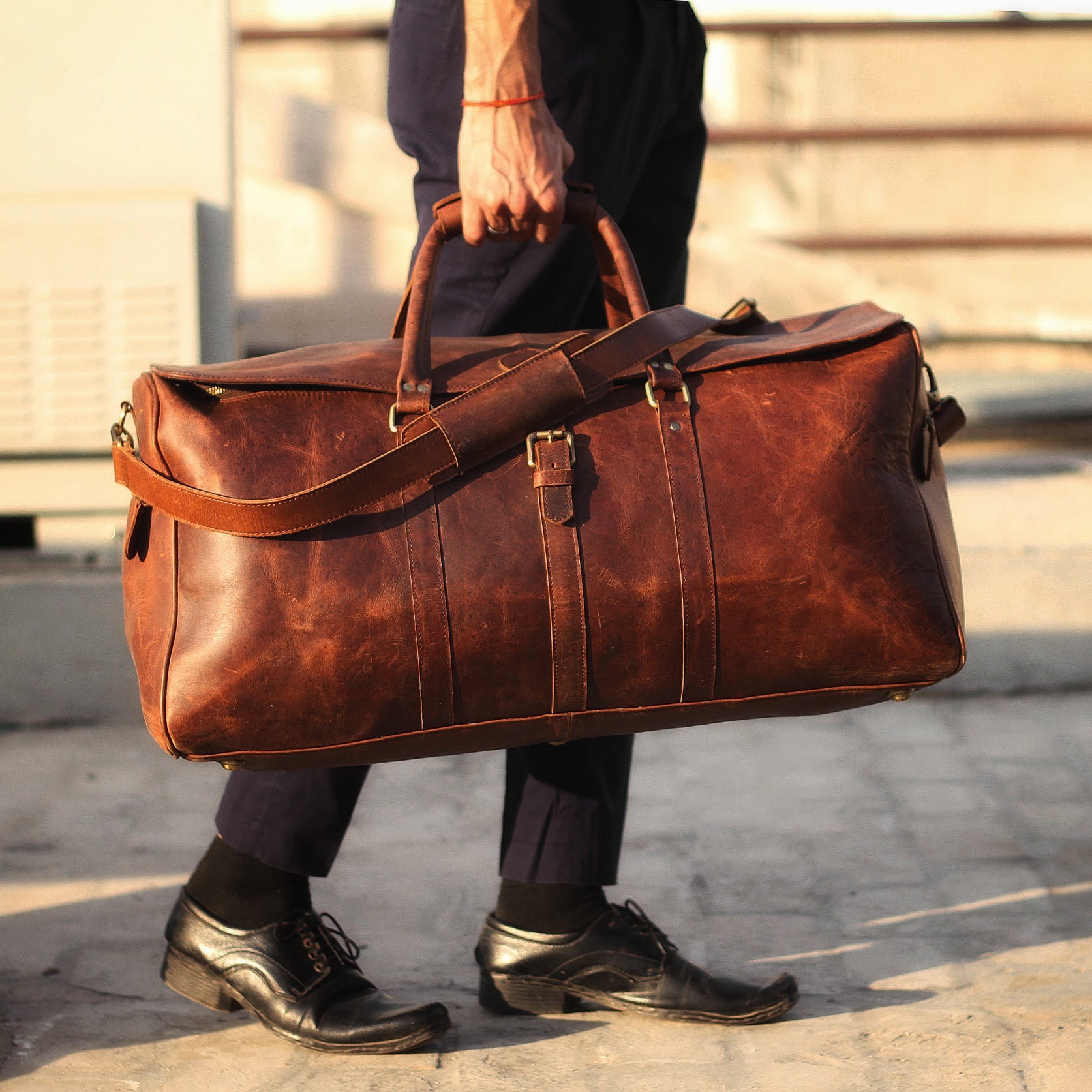
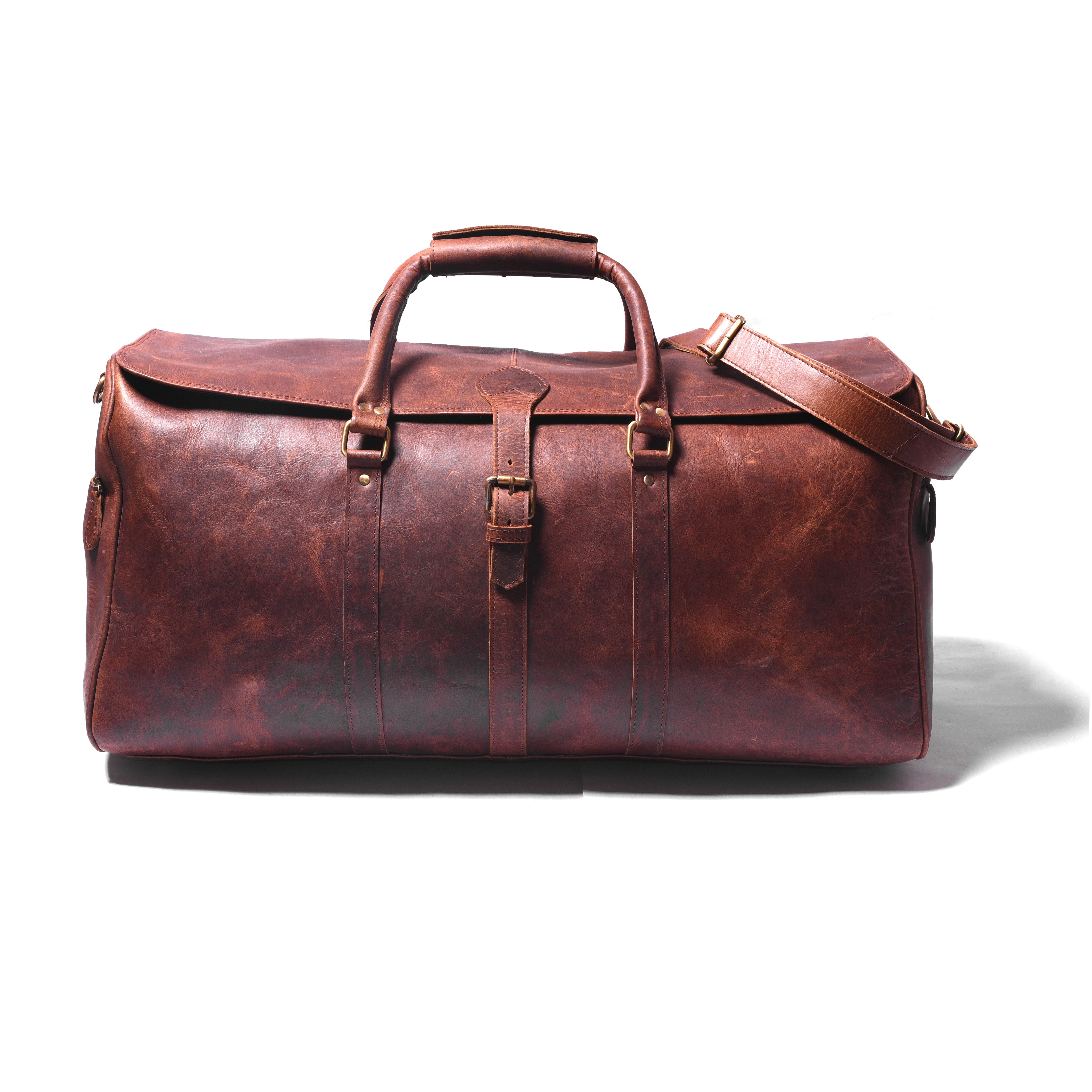
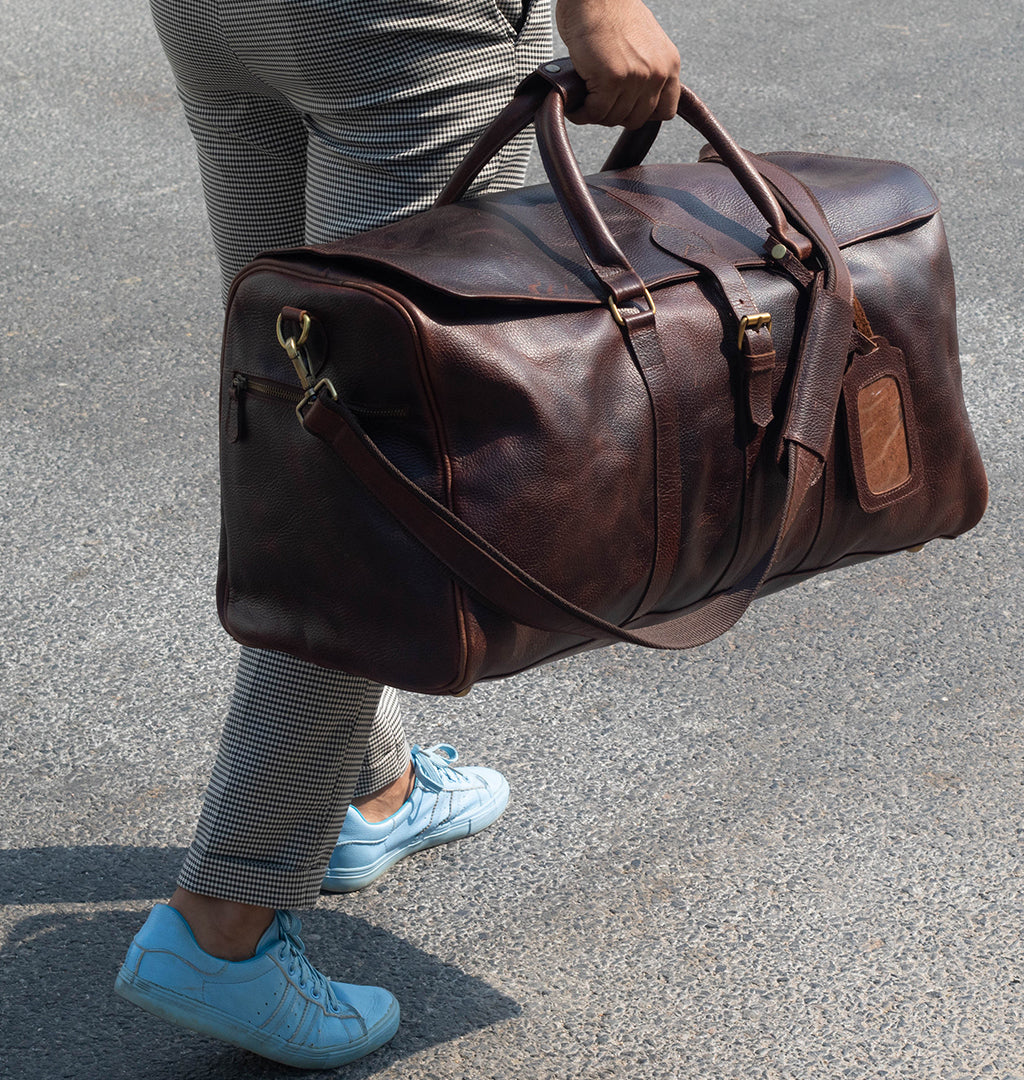
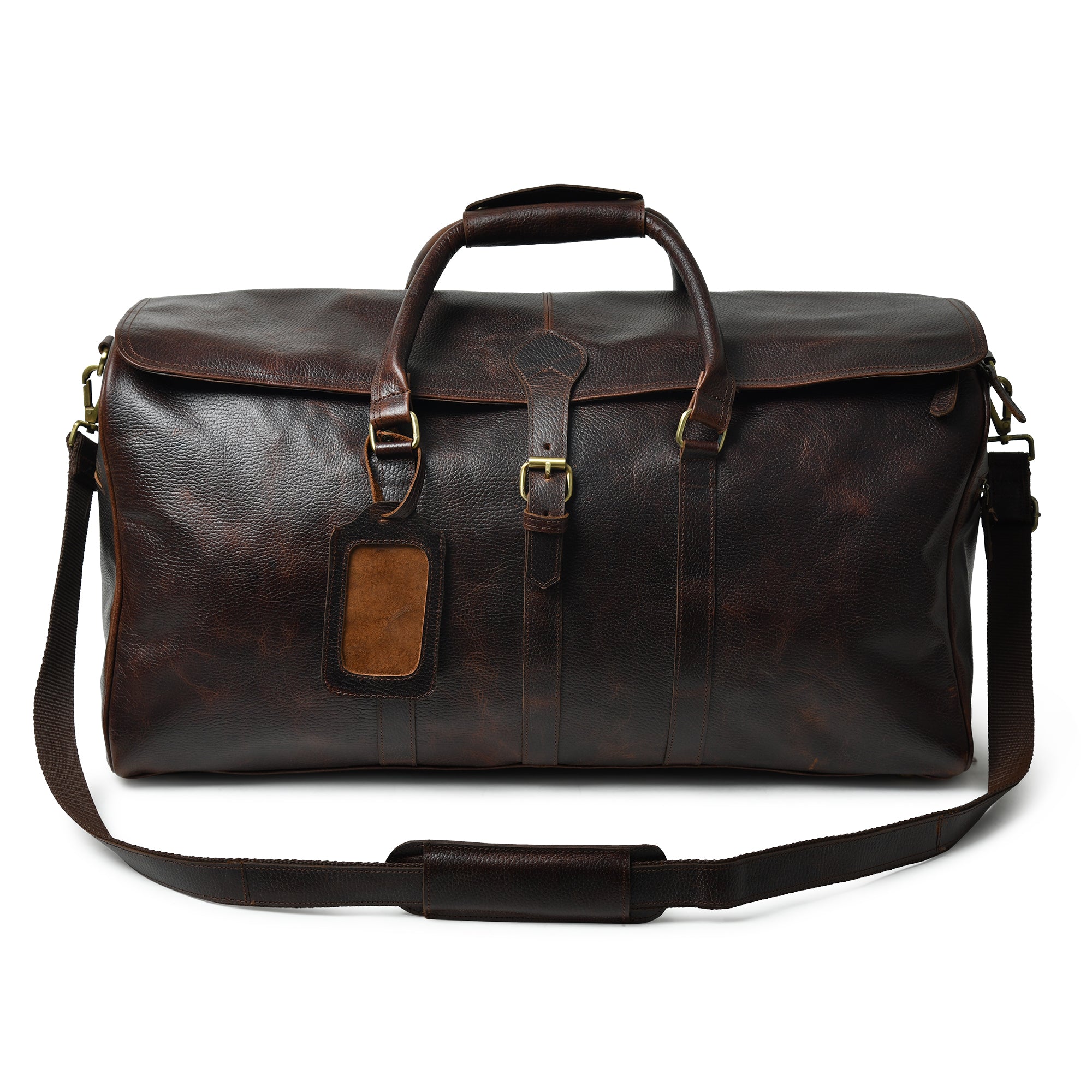
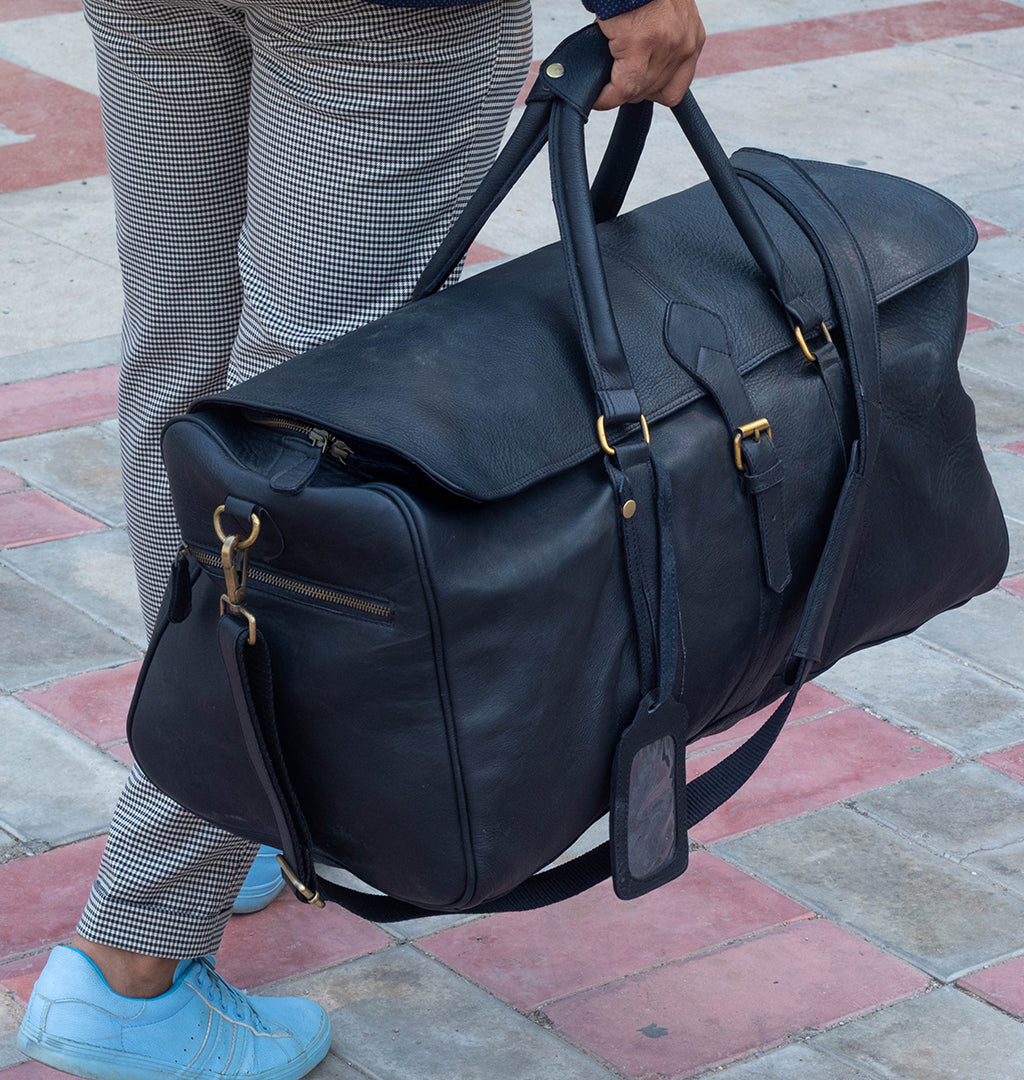
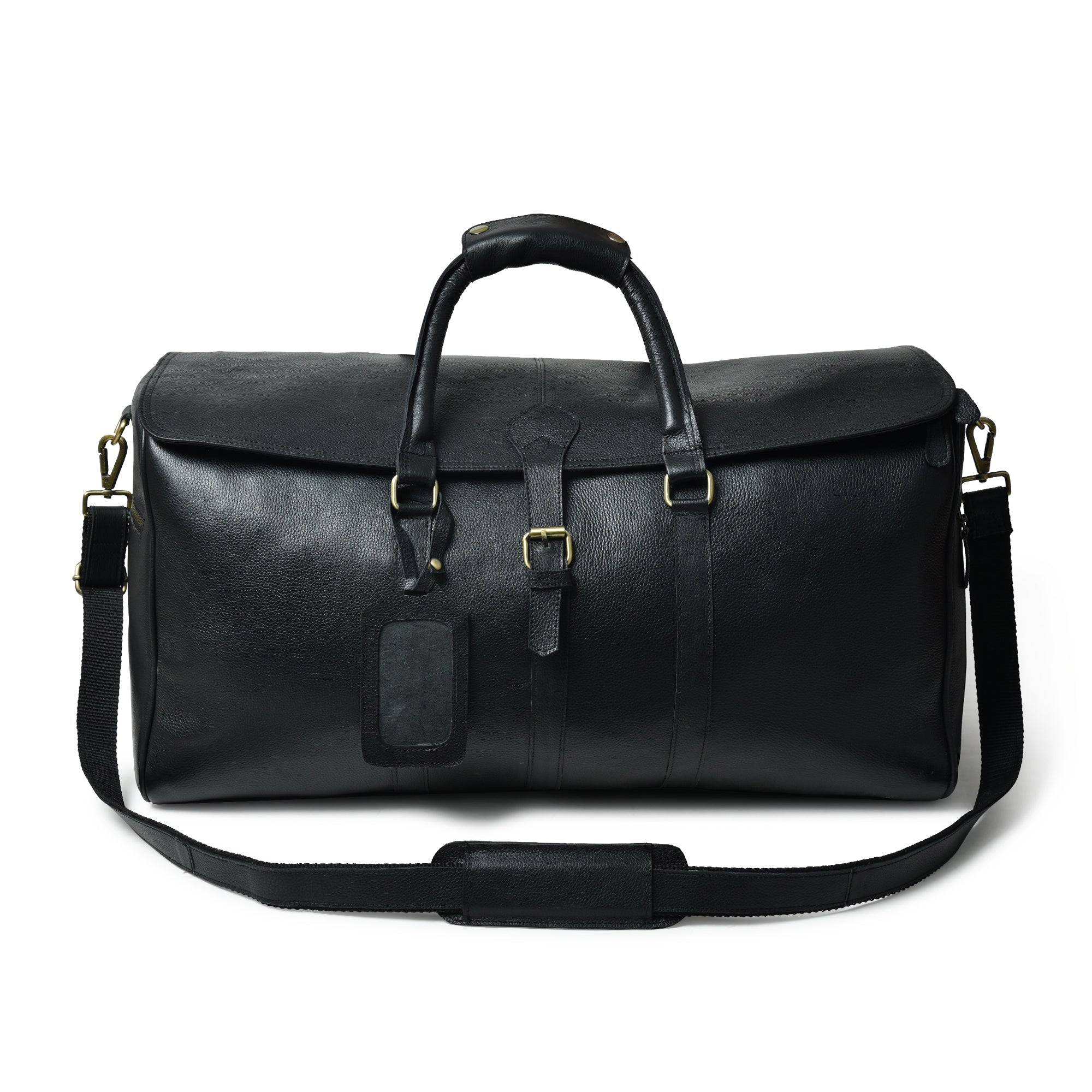
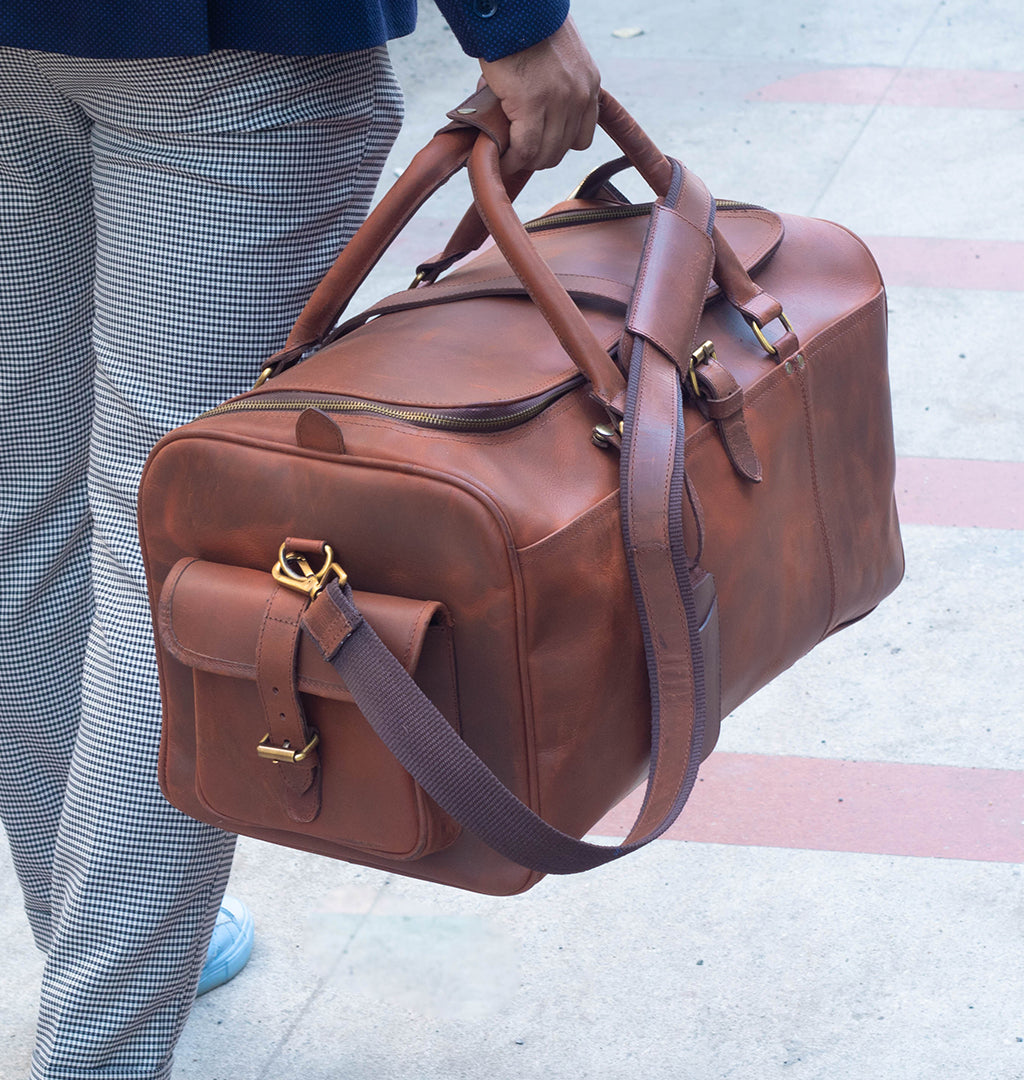
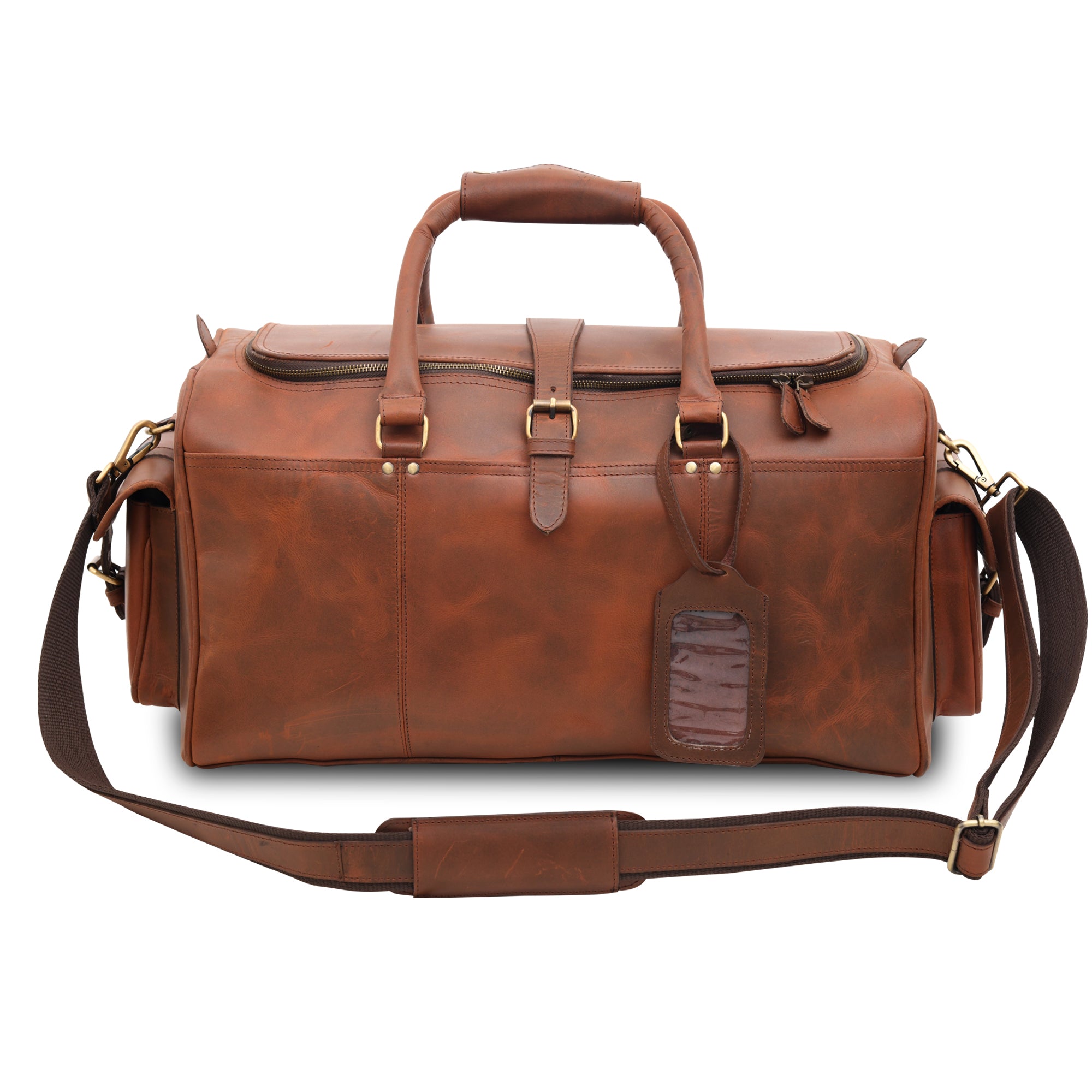
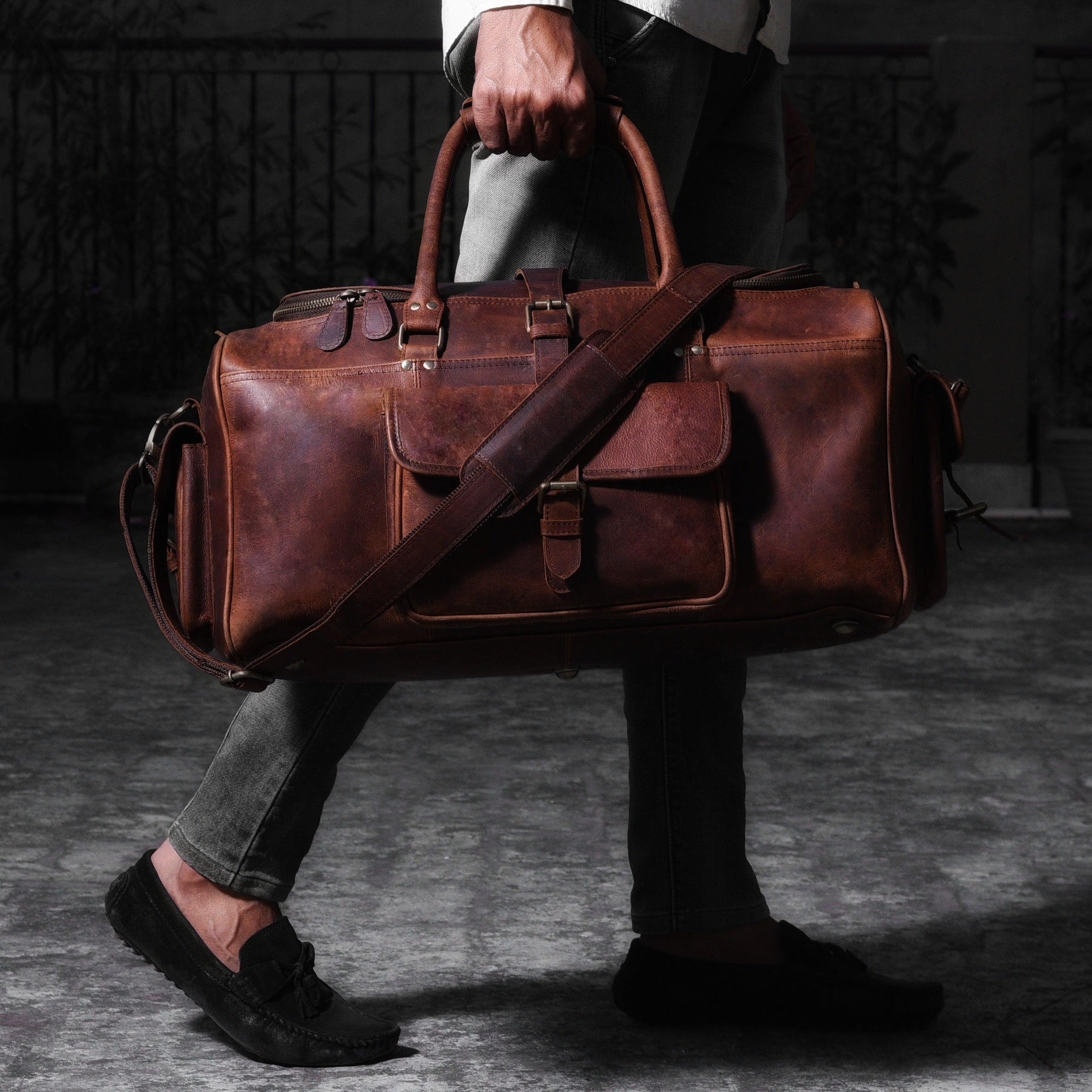
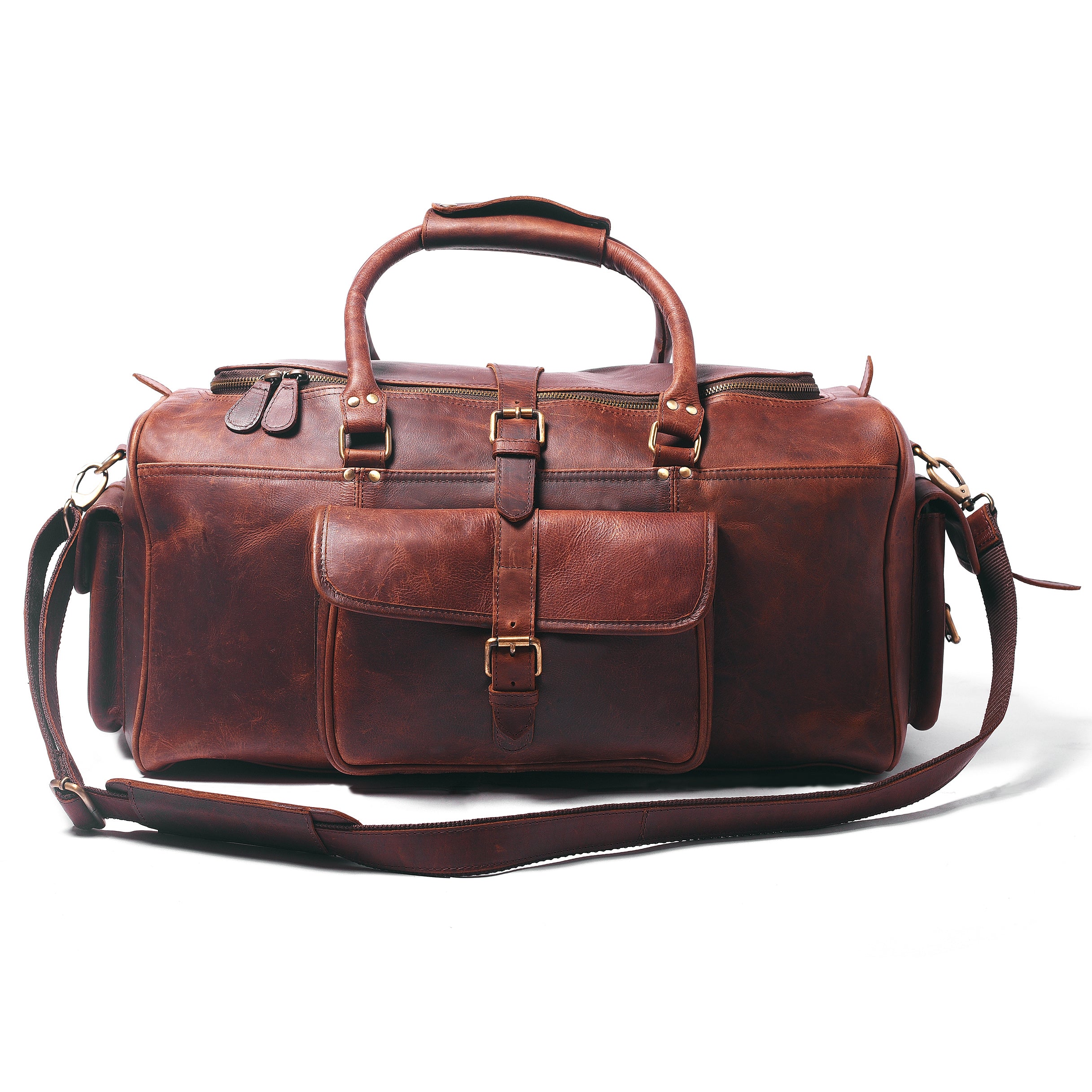
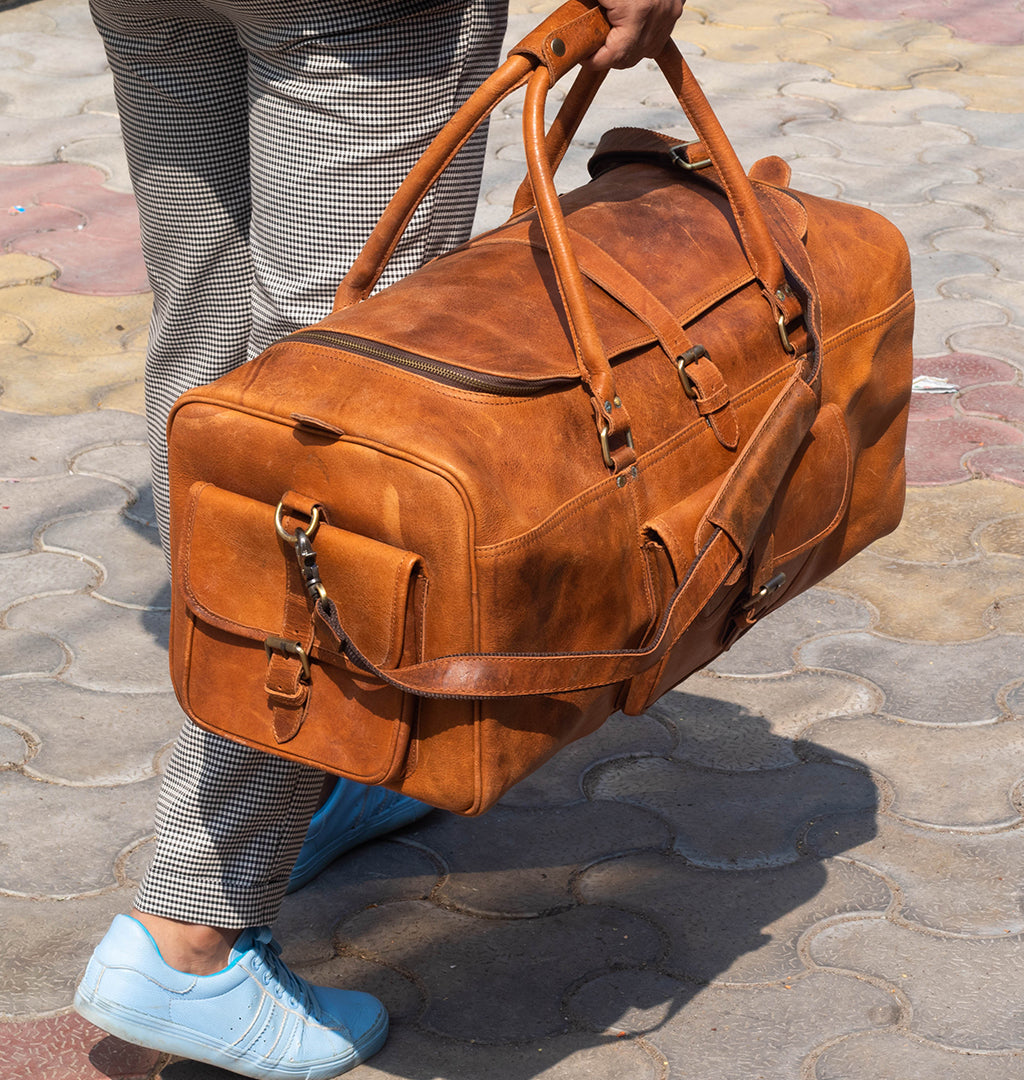
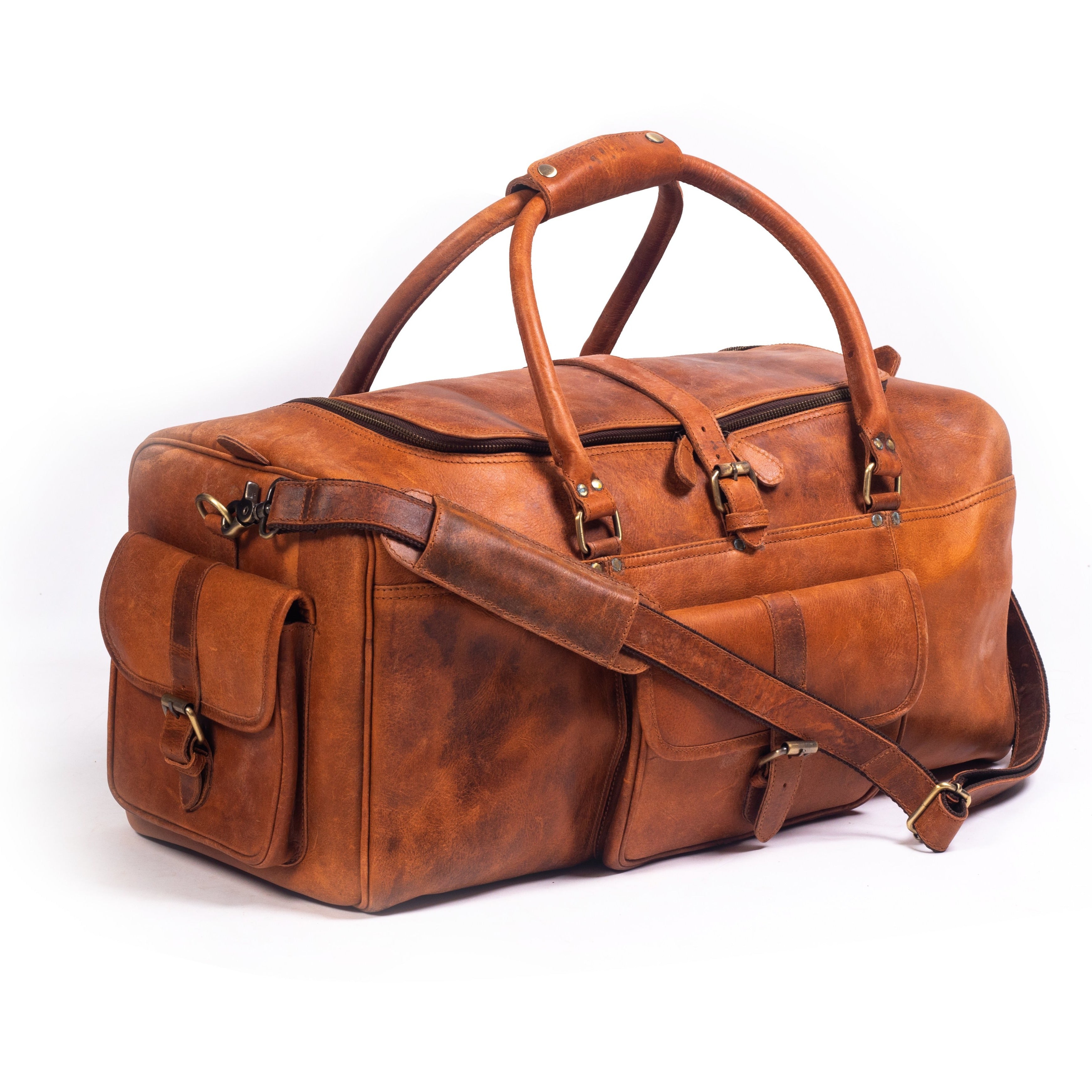
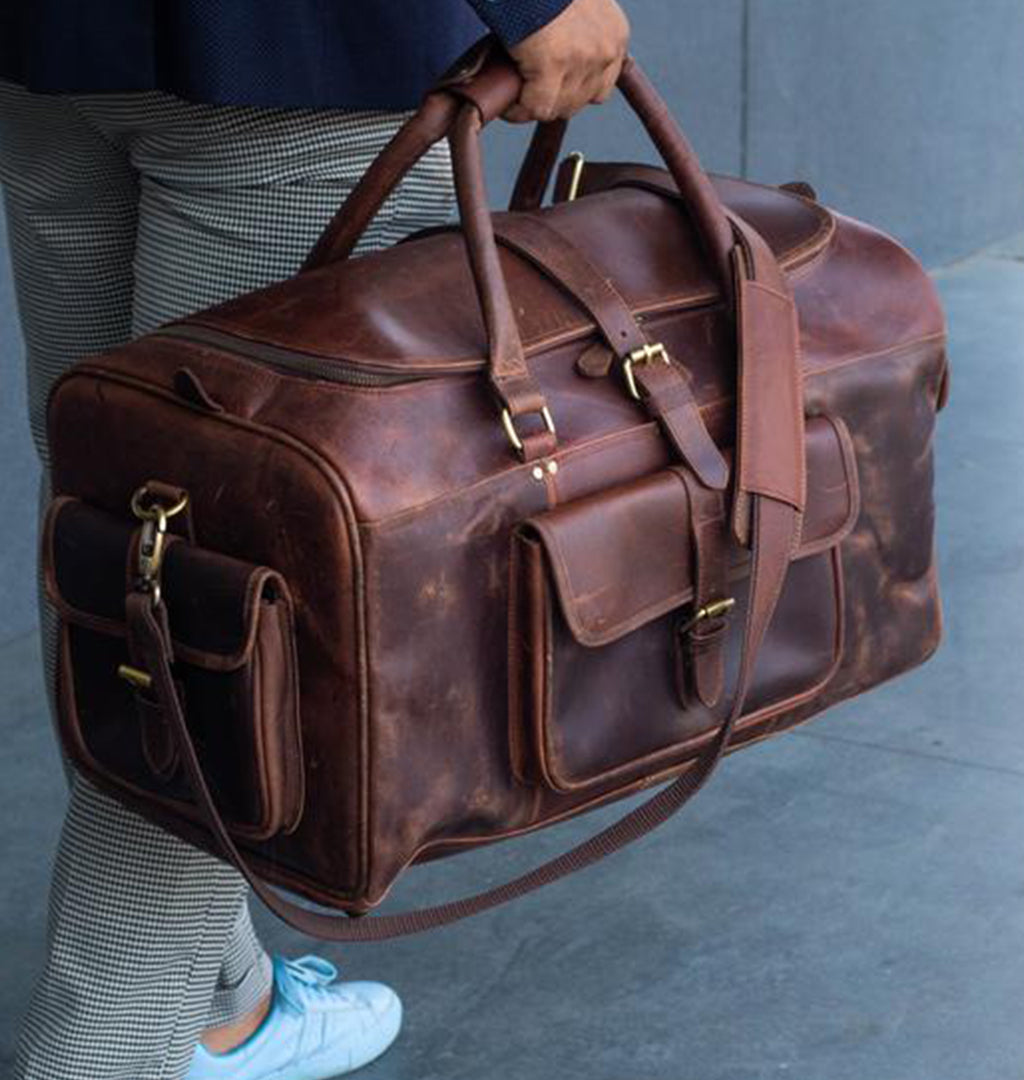
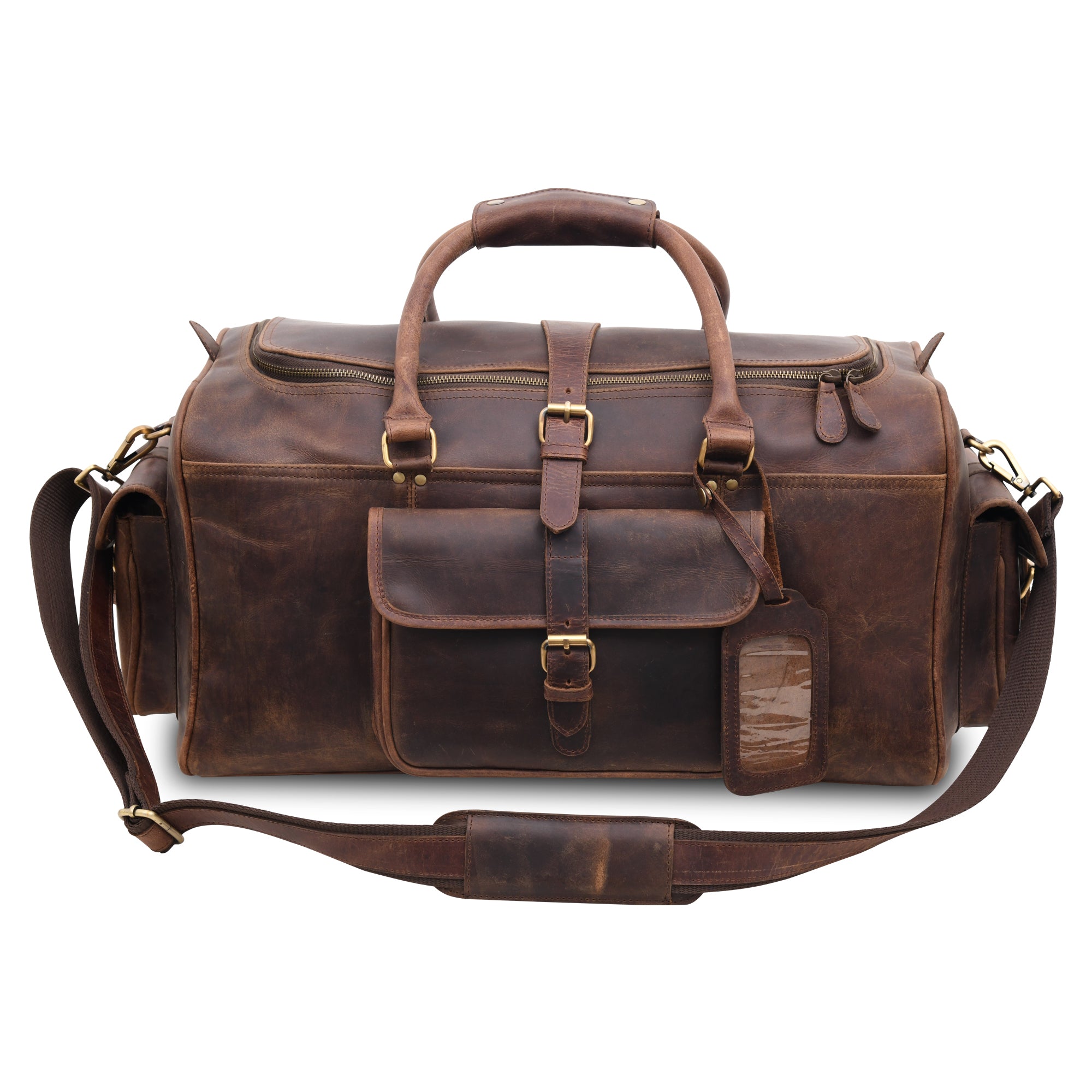
Every new leather bag feels a little stiff at first. That’s not a flaw — it’s a sign of quality material that hasn’t been artificially softened with excess oils or chemical treatments. Structured pieces like a leather duffle bag are especially firm out of the box, since that rigidity is what keeps their shape while packed. The good news is that stiffness is temporary, and the process of easing it out is straightforward if you follow the right order of steps.
Step 1: Handle It Before You Baby It
The single best thing you can do for a new bag is simply use it. Carry it to work, pack it for a weekend, let the straps flex under real weight. The natural oils from your hands, along with everyday movement, begin softening the leather from the very first use. Resist the urge to keep it wrapped up “for special occasions” — leather that sits unused stays stiff far longer than leather in regular rotation.
Step 2: Apply a Light Leather Conditioner
Once you’ve used the bag for a week or two, a small amount of leather conditioner can speed up the softening process. Apply it sparingly with a soft, lint-free cloth in small circular motions, focusing on high-flex areas like handles, corners, and fold lines.
A few rules matter here:
-
Always test conditioner on a hidden patch first (inside a strap fold or the base) to check the leather doesn’t darken more than you’d like.
-
Less is more — over-conditioning can leave leather feeling greasy and can even weaken stitching over time.
-
Leave at least 24–48 hours between applications so the leather has time to absorb the product fully.
Step 3: Flex the High-Stress Points by Hand
Corners, gussets, and fold lines are usually the stiffest parts of a new bag because they’re the most structurally reinforced. After conditioning, gently flex these areas by hand — bending them slightly back and forth, not forcing them into a new shape. This encourages the fibres to loosen naturally without stressing the seams.
Step 4: Let Weight Do the Shaping
For structured bags like totes or briefcases, packing them to a moderate weight helps the leather relax into its intended shape faster than carrying them empty. Avoid overloading a brand-new bag, though — let it soften for a few weeks under normal use before testing its maximum capacity.
What to Avoid Completely
Some “hacks” circulating online do more harm than good. Skip these entirely:
-
Heat sources (hairdryers, radiators, direct sun) — heat dries out natural oils and can cause cracking.
-
Soaking or wetting the leather to “loosen” it — this can cause staining, warping, and stiffening as it dries.
-
Excessive oil application — too much oil darkens leather permanently and can attract dirt.
-
Forceful stretching or bending — this can crease or crack unconditioned leather, especially at seams.
How Long Does Breaking In Take?
Most quality leather bags soften noticeably within 4–8 weeks of regular use and light conditioning. Full-grain leather, because of its denser fibre structure, may take slightly longer than top-grain but rewards the wait with a richer, more personal patina once it’s broken in.
Quick Answers
Is it normal for a new leather bag to feel stiff? Yes. Stiffness in a new bag usually indicates minimally treated, higher-quality leather rather than a defect. It softens naturally with use and light conditioning.
Can I speed up breaking in a leather bag? You can moderately speed up the process with light conditioning and regular handling, but forcing it with heat, water, or heavy stretching risks permanent damage and isn’t recommended.
Should I condition a brand-new leather bag right away? It’s better to wait one to two weeks and use the bag as-is first. This lets you judge the leather’s natural texture before introducing any product, and reduces the risk of over-conditioning.
The Bottom Line
Breaking in a leather bag rewards patience over shortcuts. Regular use, a light hand with conditioner, and gentle flexing at stress points will soften even the stiffest new leather without compromising its structure or finish. Treat the process as the start of the bag’s story rather than an obstacle to rush through — the character it develops over the coming months is exactly what makes leather worth choosing in the first place.