

Top 10 Sustainable Fashion Accessories for 2026
Quick Answer
The most sustainable fashion accessories for 2026 are durable, repairable pieces built to last decades: full-grain leather bags, vegetable-tanned wallets, recycled canvas backpacks, quality leather belts, organic cotton totes and recycled-metal jewellery. The core principle: one accessory used for twenty years beats five replaced every few years — durability is the most underrated form of sustainability.
Key Takeaways
-
Longevity is the real sustainability metric: lifespan matters more than a “green” label.
-
Repairability multiplies lifespan — favour pieces where straps, zips and stitching can be replaced.
-
Vegetable tanning uses plant tannins instead of chrome chemistry and ages more gracefully.
-
Watch for greenwashing: vague eco claims without material specifics or supply-chain transparency.
Why Do Sustainable Accessories Matter in 2026?
Fast-fashion accessories are built around short lifecycles — low-cost materials designed to be replaced within a season or two, which multiplies waste and total spend. Sustainable accessories flip the model: better materials, repairable construction, timeless design, fewer purchases. The environmental maths favours durability heavily; the deep comparison is in Why Premium Leather Bags Outlast Fast Fashion Bags.
The 10 Accessories Worth Investing In
1. Full-Grain Leather Bags
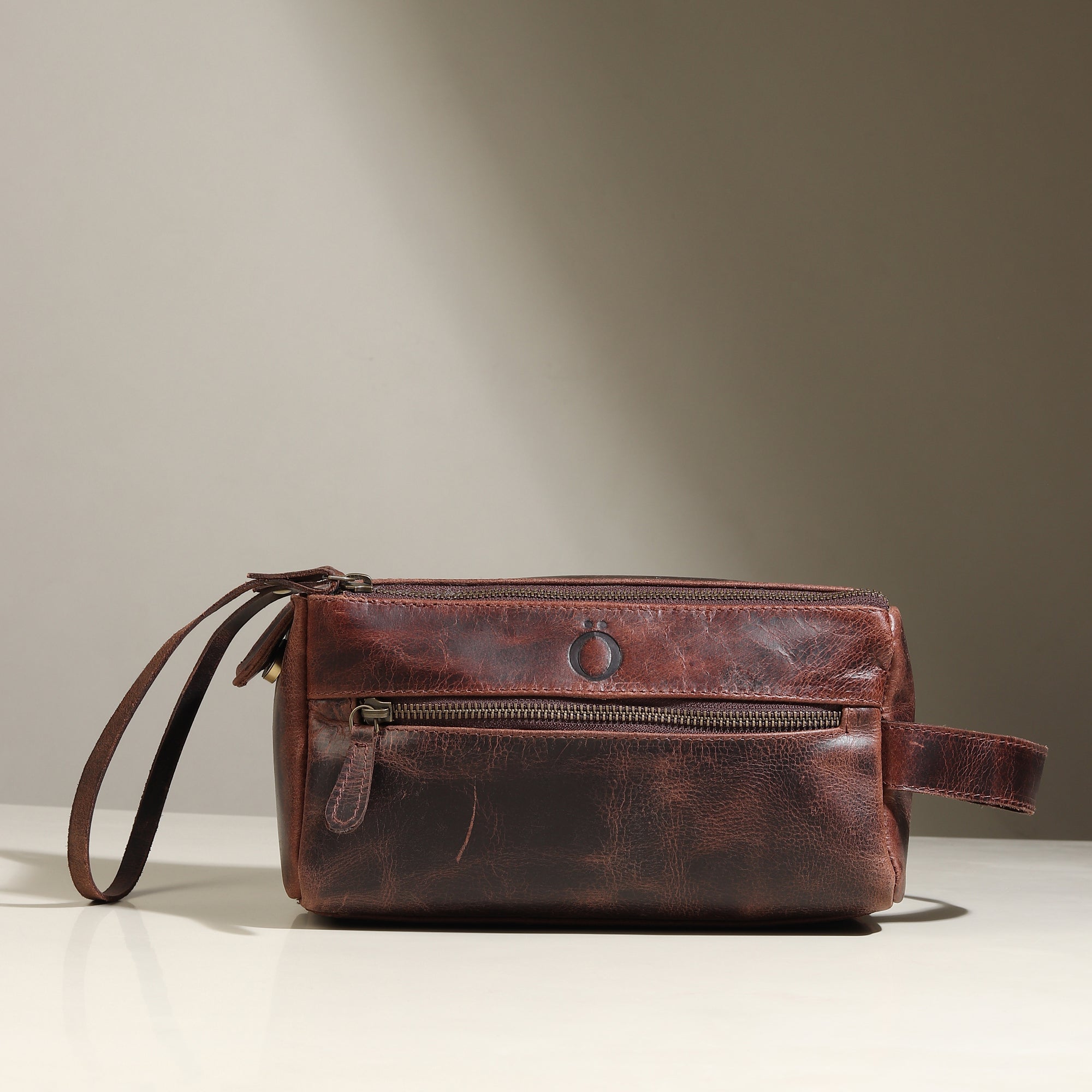
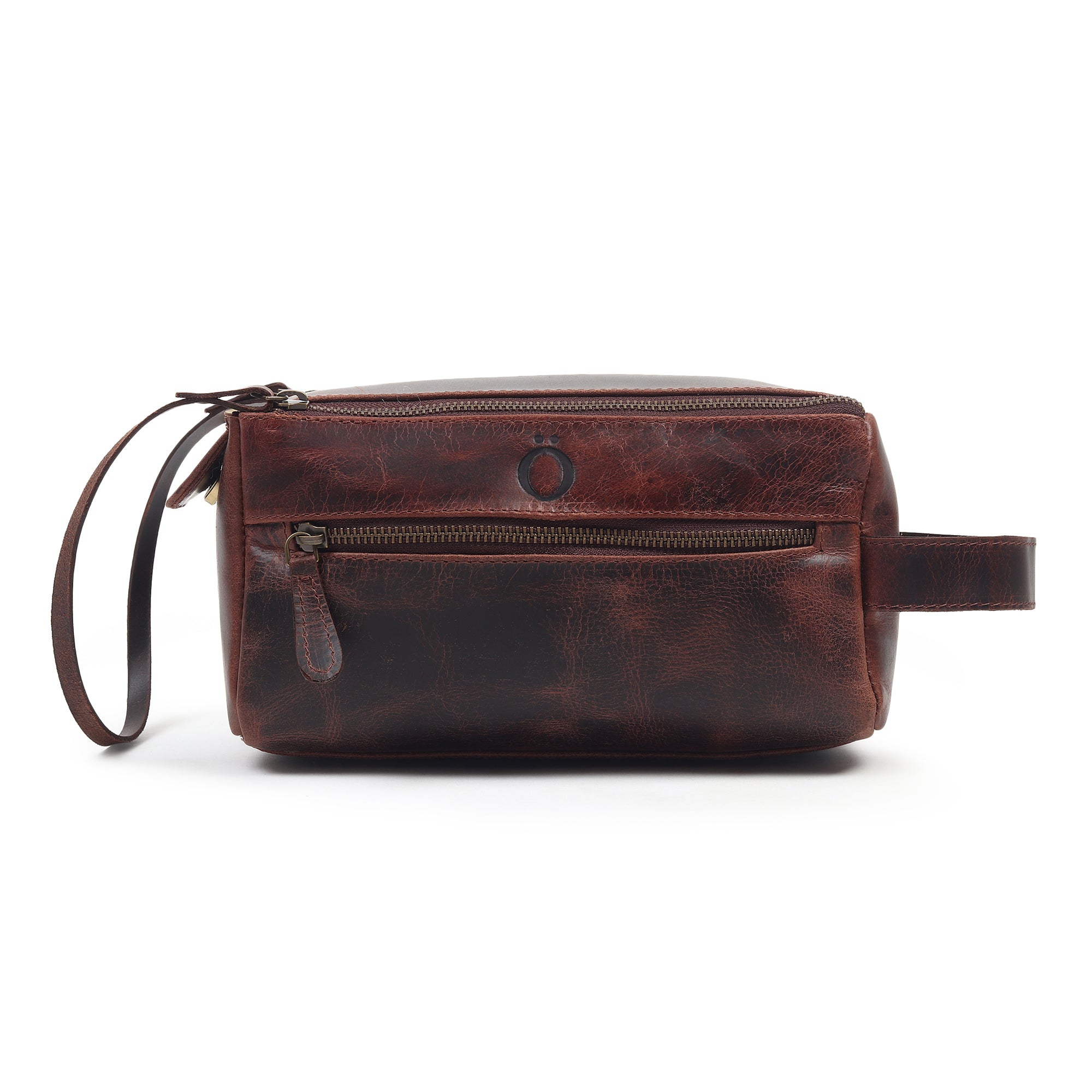
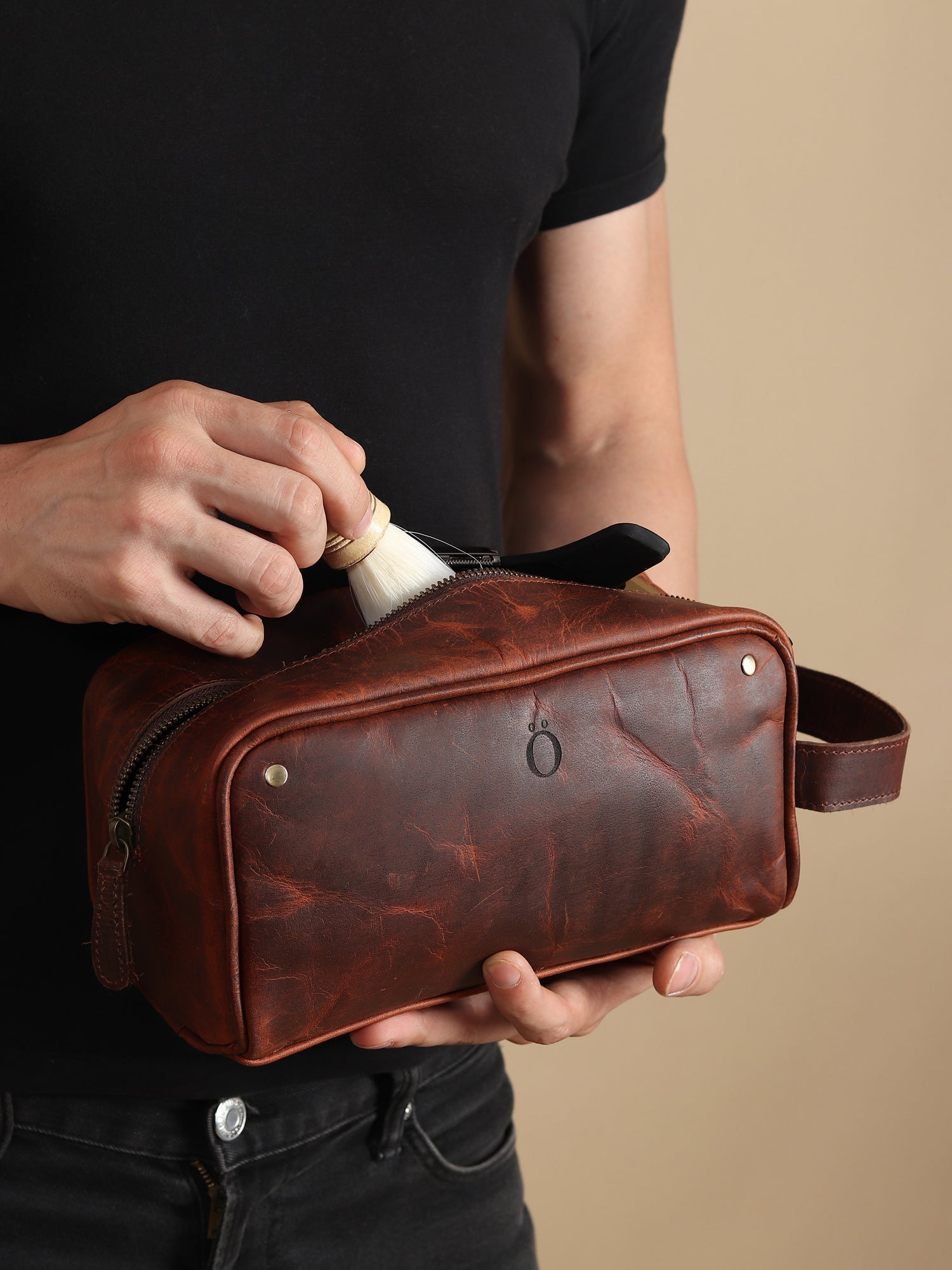
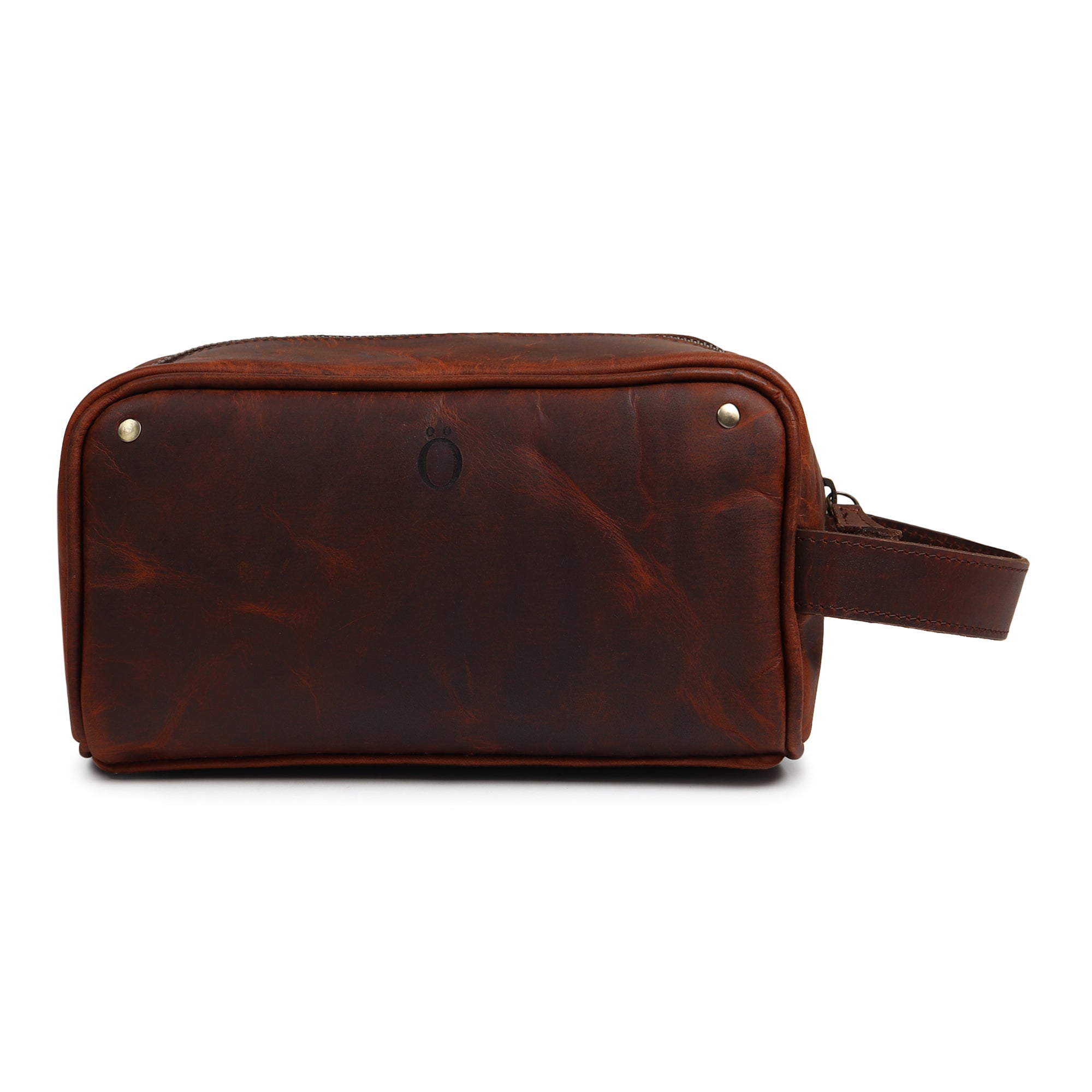
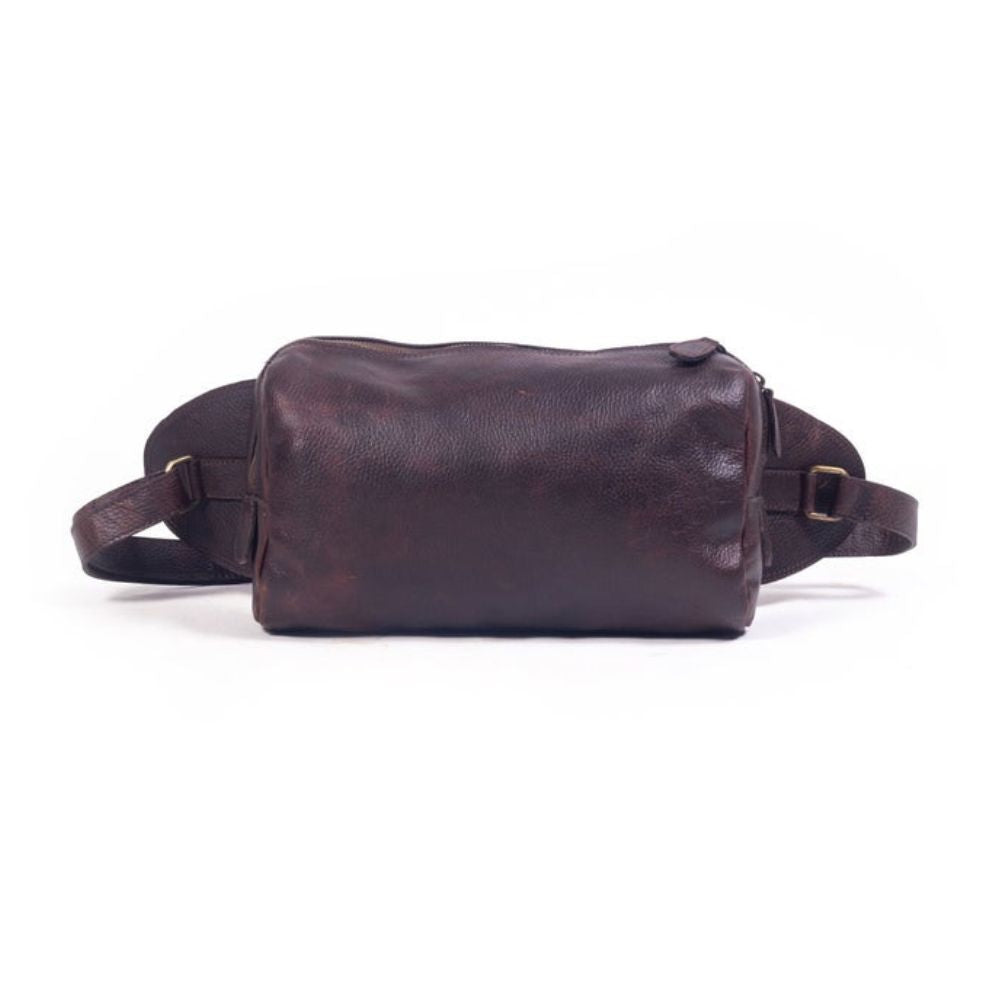
The benchmark durable accessory: 20–30+ year lifespan, repairable, and improves with age as patina develops. Choose timeless silhouettes in neutral colours (tan, brown, black, cognac) with brass hardware and reinforced stitching. [Link 1–2 relevant Dotch products here.]
2. Vegetable-Tanned Leather Wallets
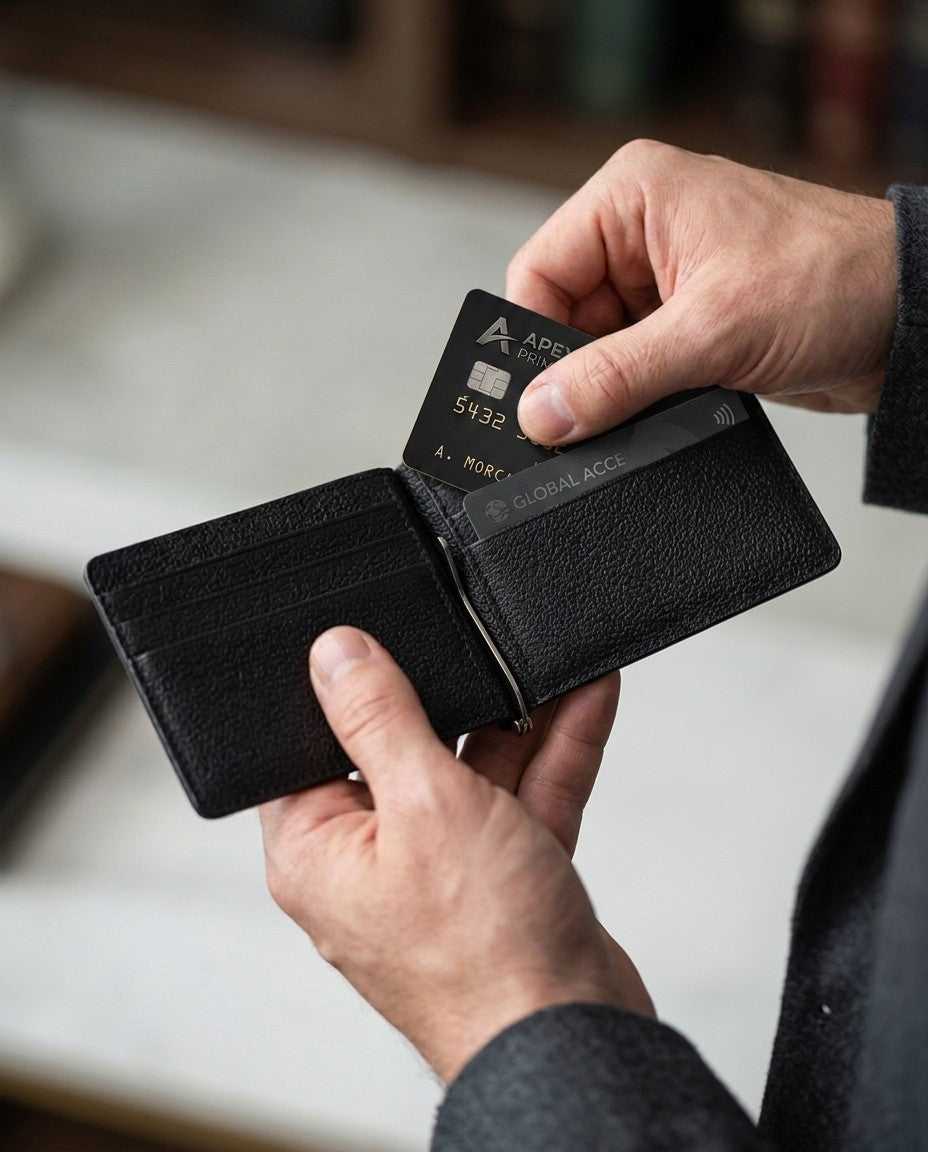
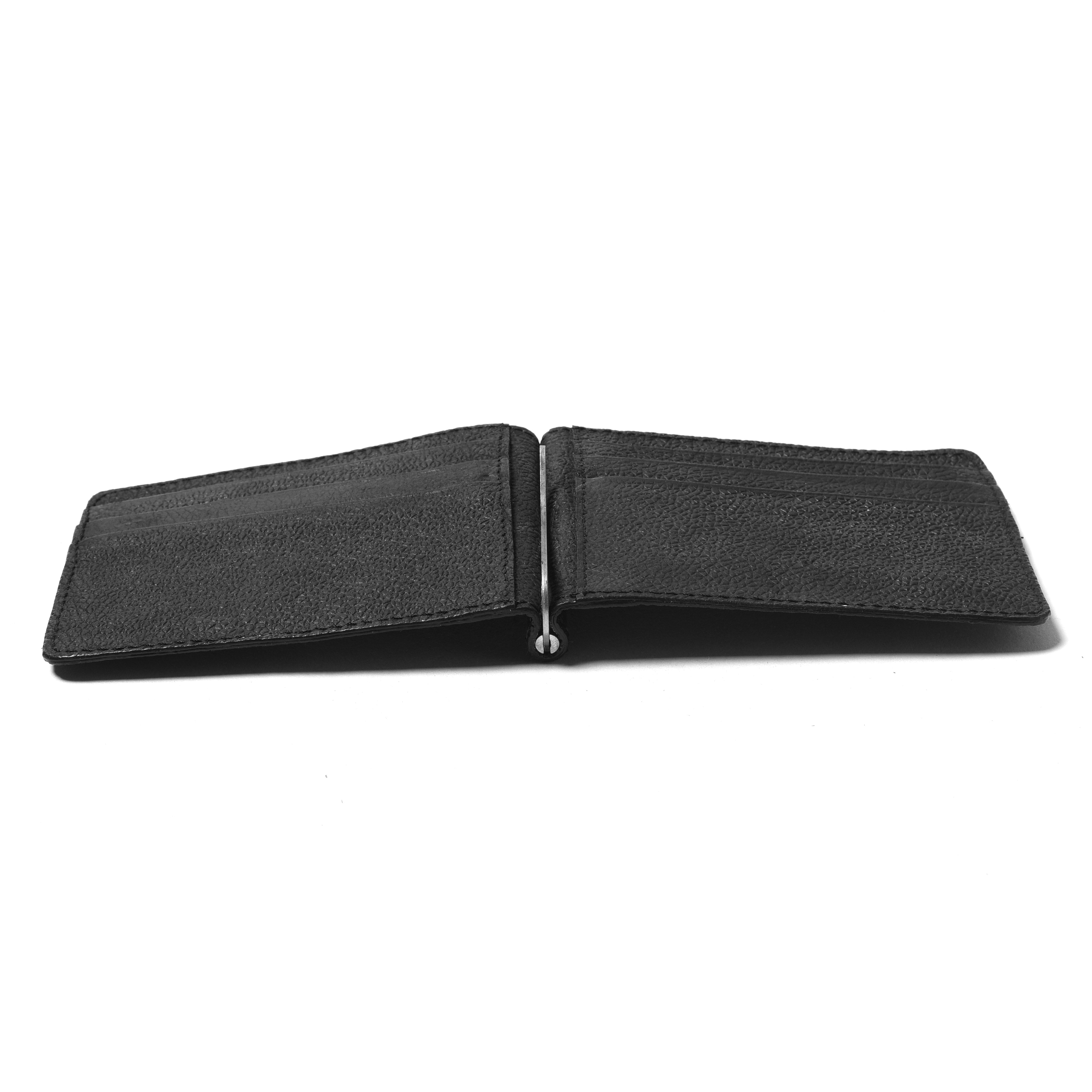
Veg-tanning uses natural plant tannins rather than chrome salts, and the resulting leather develops rich character over a 10+ year life. Minimalist designs with RFID protection remain the practical choice for 2026.
3. Recycled Canvas Backpacks
Made from recycled cotton and reclaimed textile fibre, often with leather trim for strength at wear points. A durable middle ground for commuting, travel and study.
4. Full-Grain Leather Belts
One premium belt in a classic buckle style replaces years of stretched, cracked budget belts. With occasional conditioning, decades of wear.
5. Organic Cotton Tote Bags
Lower-chemical production than conventional cotton, washable and endlessly reusable. Choose heavier fabric with reinforced handles — the thin ones defeat the purpose by wearing out.
6. Leather Travel Duffle Bags
A handcrafted full-grain duffle replaces a succession of synthetic luggage. Sizing and feature guidance: Leather Duffle Bag Buying Guide.
7. Recycled-Metal Jewellery
Recycled silver and gold with traceable gemstones, in simple designs that outlive trend cycles.
8. Recycled Sunglasses
Frames from recycled plastics, reclaimed fishing nets, bamboo and bio-acetate. Classic frame shapes maximise years of wear.
9. Leather Card Holders
The cashless-era essential: slim, durable, years of daily use from a small amount of premium leather.
10. Small Handmade Leather Goods
Passport holders, key organisers, luggage tags — repairable, handcrafted pieces that tend to become keepsakes rather than landfill.
How Do You Spot Truly Sustainable Accessories (vs Greenwashing)?
Look for specifics, not adjectives. Trustworthy signals:
-
Named materials and grades (“full-grain vegetable-tanned leather”, “GOTS-certified organic cotton”) rather than “eco-friendly”.
-
Transparency about where and how products are made.
-
Repairability — replaceable hardware, restitchable seams.
-
Timeless design that won’t feel dated in three years.
-
Realistic lifespan claims backed by construction details.
If a brand’s sustainability page is all imagery and no material facts, treat the claims sceptically.
[E-E-A-T placeholder: add Dotch’s own transparency details here — tannery sourcing, workshop location, repair service — this section is where your brand earns the trust the article recommends.]
Isn’t Buying Less the Most Sustainable Option?
Yes — and it’s the premise of this whole list. The most sustainable accessory is the one you don’t replace. A leather bag used for twenty years has a smaller footprint than a series of short-lived synthetic bags over the same period, whatever their labels say. Buy fewer, better, and maintain what you own — care guides: Winter Leather Care.
Frequently Asked Questions
Can leather be a sustainable material?
Durable, repairable leather used for decades typically has a lower lifetime footprint than repeatedly replaced synthetics. Sustainability depends on sourcing, tanning method and — above all — how long the product stays in use.
What is vegetable-tanned leather?
Leather tanned with natural plant tannins (bark, leaves, wood) instead of chromium salts. It takes longer to produce, ages with more character, and avoids chrome-based tanning chemistry.
Are “vegan leather” accessories more sustainable?
Not automatically — most vegan leather is PU or PVC plastic with a 1–3 year lifespan and no repairability. Newer plant-based materials are improving but durability data is still limited.
What makes an accessory “timeless”?
Neutral colours, classic silhouettes and restrained branding — pieces that pair with most wardrobes for years, so changing trends never force a replacement.
Written by [Author Name], [role at Dotch Leather]. Reviewed [Month 2026].