

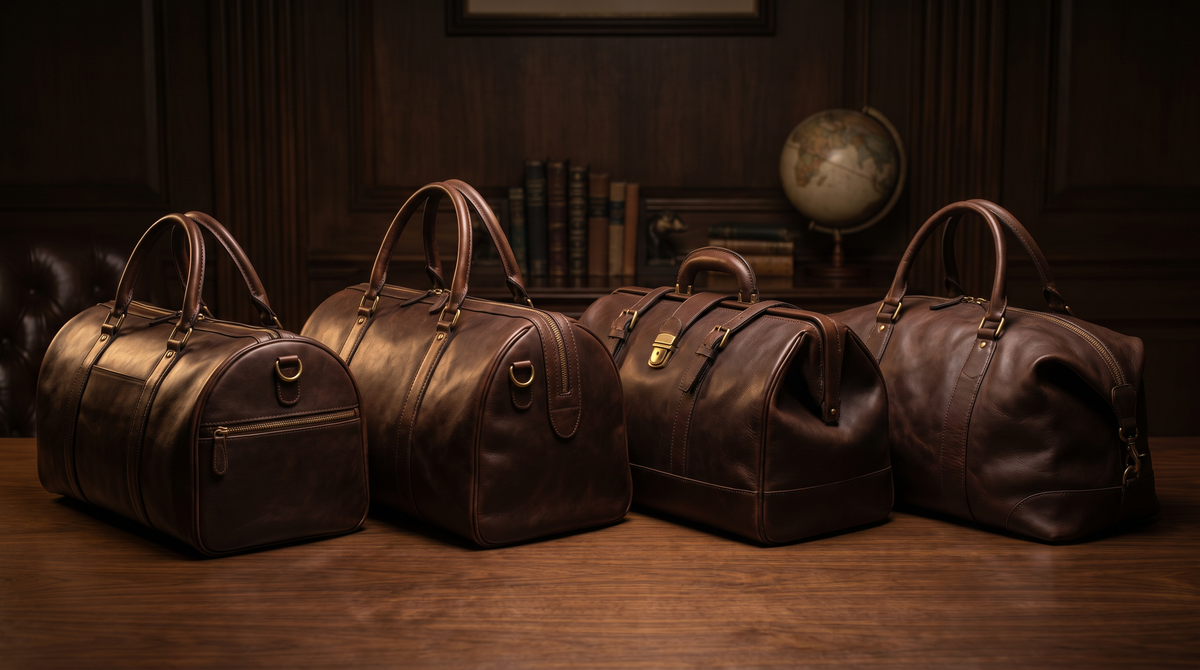
Duffle vs Duffel vs Holdall vs Weekender: What's the Difference?
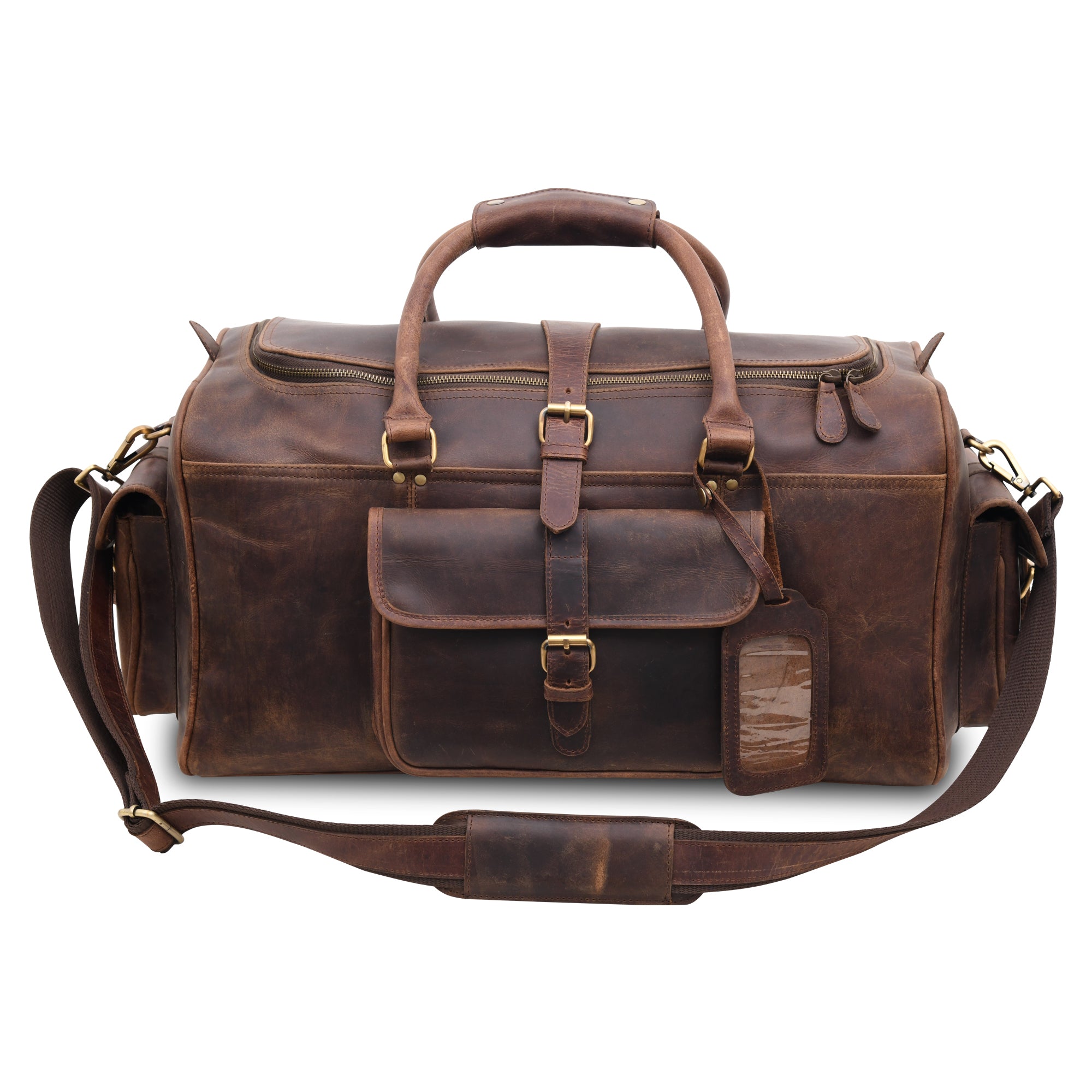
Quick answer: They mostly describe the same thing — a soft, cylindrical or rectangular bag with a top opening. "Duffel" (US) and "duffle" (UK and common worldwide) are two spellings of one word. "Holdall" is the British term for the same bag. "Weekender" is a marketing name for a smaller duffel sized for one to three nights away.
The terms at a glance
|
Term |
Where it's used |
What it usually means |
|---|---|---|
|
Duffel |
United States (standard spelling) |
Soft barrel- or rectangle-shaped travel/gym bag |
|
Duffle |
UK and widely used everywhere |
Same bag; alternative spelling of "duffel" |
|
Holdall |
United Kingdom & Ireland |
British word for a large soft travel bag |
|
Weekender |
US & Europe (marketing term) |
A smaller, smarter duffel for 1–3 nights |
Why the US spells it "duffel"
The word comes from Duffel, a town in Belgium that gave its name to the thick woollen cloth originally used to make these bags. Because it is a place name, "duffel" is the older, more literal spelling and the one standardised in American English. Over time "duffle" became a common alternative, especially in British usage, so both are correct. If you are writing for a US audience, "duffel" is the safer default; "duffle" reads naturally to UK and international readers.
Holdall: the British term
In the UK, the everyday word for a large soft travel bag is holdall — literally a bag that "holds all." It refers to the same category as a duffel: a roomy, soft-sided bag with a top zip or opening, usually with handles and often a shoulder strap. If a British brand lists a "leather holdall" and an American brand lists a "leather duffel," they are describing essentially the same product.
Weekender vs duffel vs gym bag
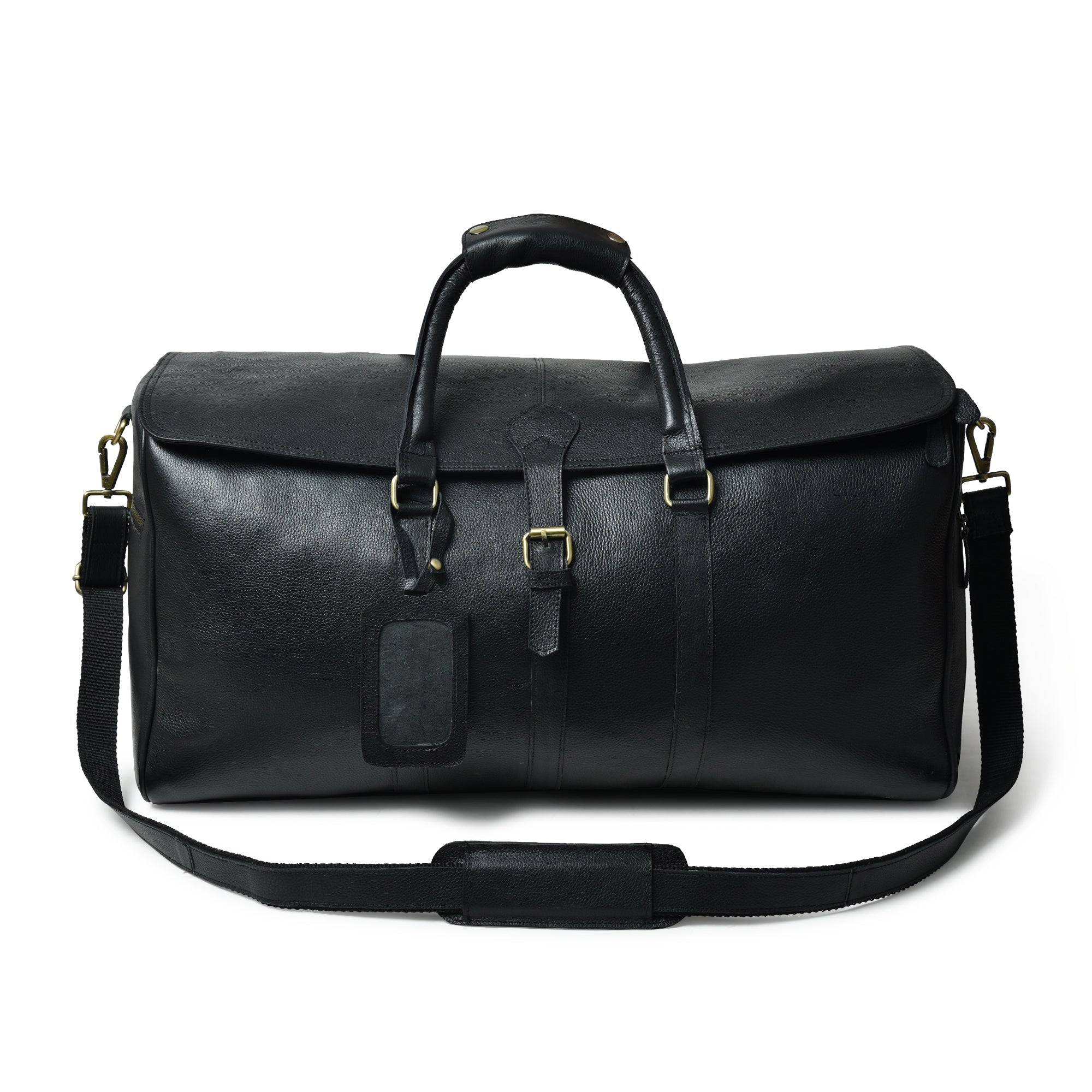
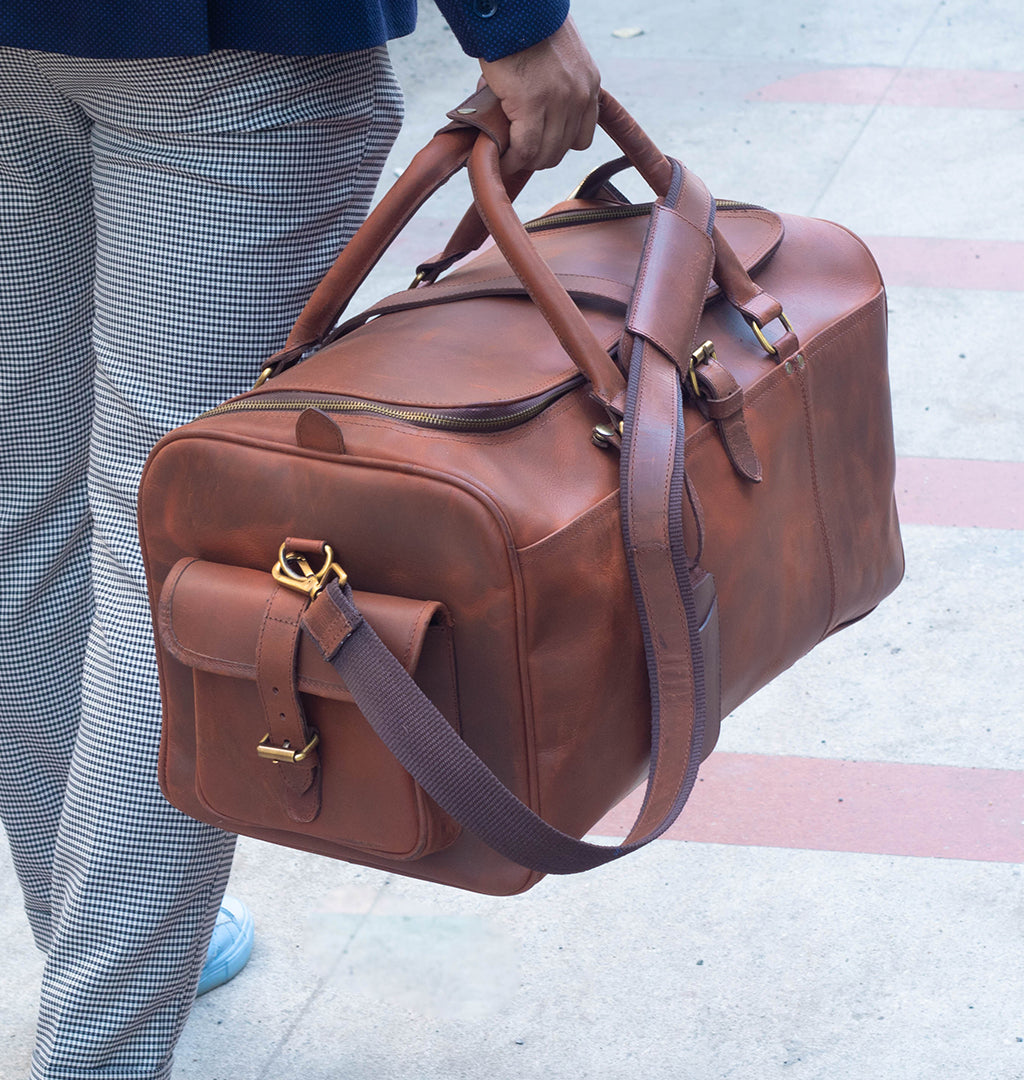
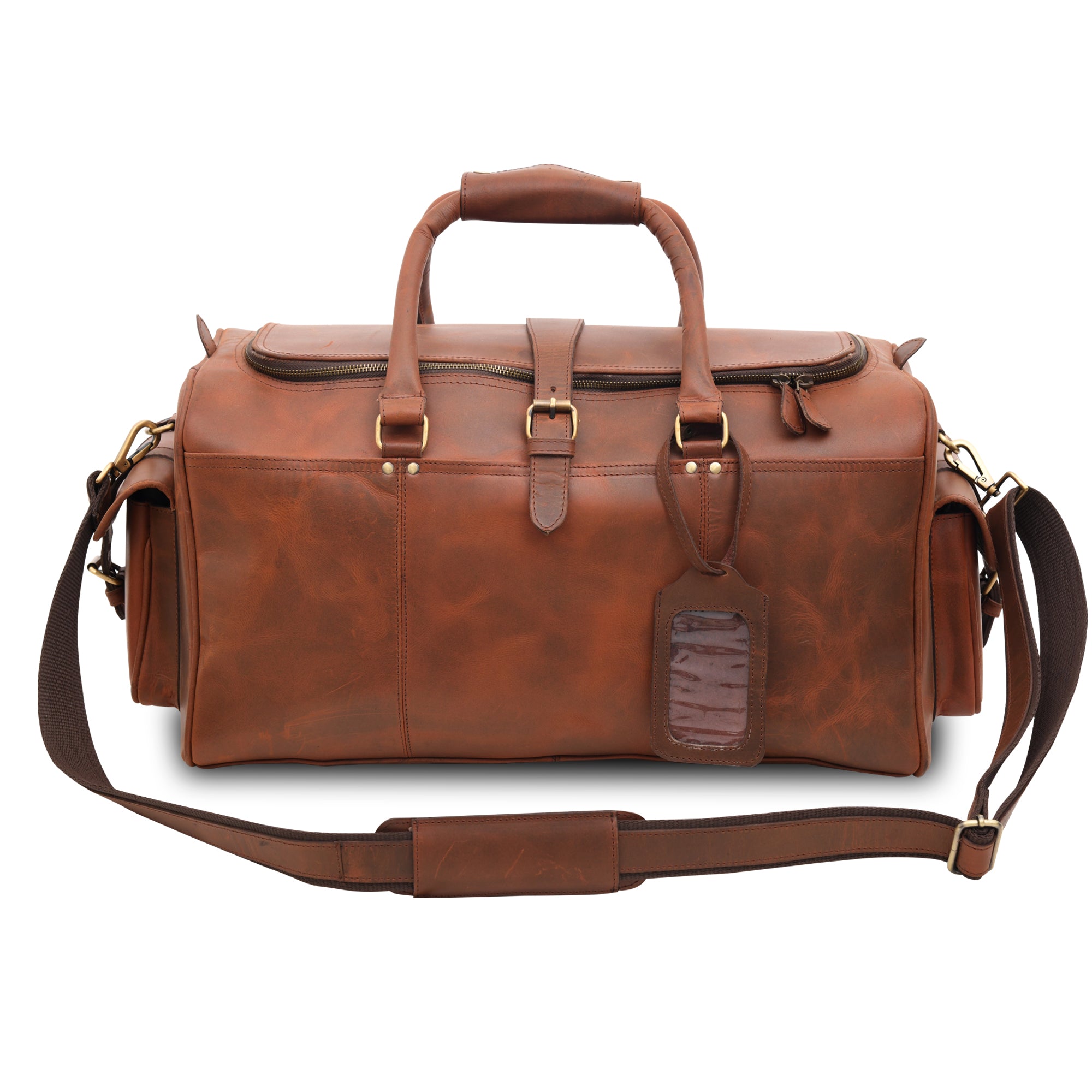
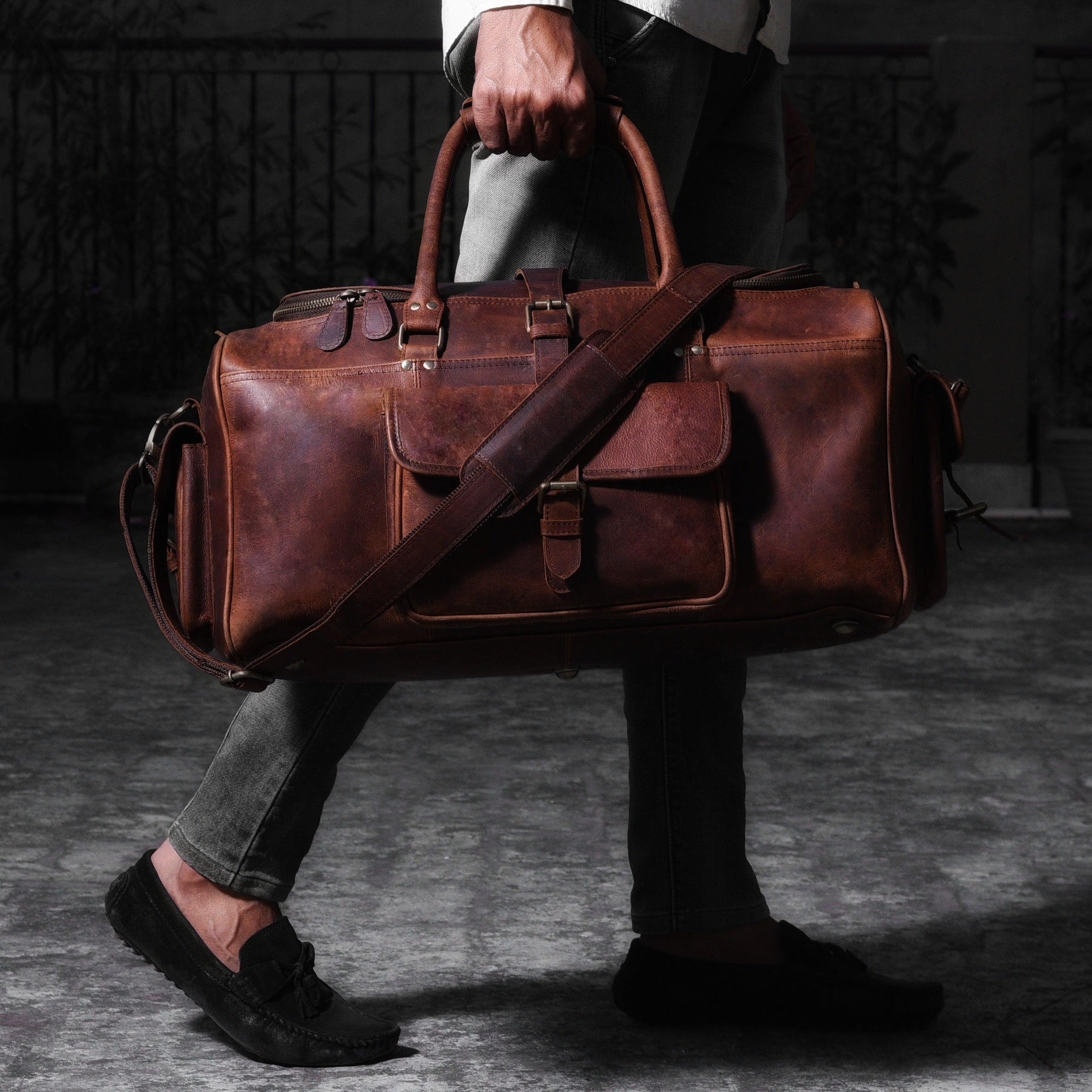
A weekender is not a different shape — it is a size and style of duffel. The name signals a bag big enough for a couple of nights' clothes but smart enough to carry into a hotel or office, rather than a gym. As a rough guide:
|
Bag |
Typical capacity |
Best for |
|---|---|---|
|
Gym duffel |
~25–35 litres |
Kit, shoes, a towel — daily use |
|
Weekender |
~30–45 litres |
1–3 nights away; cabin-friendly |
|
Holdall / large duffel |
~40–60+ litres |
Longer trips; checked or large cabin |
Capacities vary by maker, so always check the litres or dimensions rather than the name alone.
Which should you buy for a short trip?
For one to three nights, a weekender-sized duffel or small holdall (roughly 30–45 litres) is ideal: large enough for clothes and a wash bag, small enough to qualify as cabin baggage on most airlines. For gym and daily use, a smaller duffel is easier to carry. For longer trips or shared luggage, size up to a full holdall. (If you fly often, check our guide to cabin-bag size limits before choosing.)
Frequently asked questions
Is it "duffle" or "duffel"? Both are correct. "Duffel" is the standard US spelling and closer to the Belgian town the word comes from; "duffle" is common in the UK and internationally. They mean the same bag.
What is a holdall? A holdall is the British term for a large, soft-sided travel bag with a top opening — the same category Americans call a duffel.
Is a weekender the same as a duffel? A weekender is a type of duffel — usually a smaller, smarter one sized for one to three nights away rather than for the gym.
What size duffel is best for a weekend trip? Around 30–45 litres suits most one-to-three-night trips and is small enough to be cabin-friendly on many airlines. Check the litres rather than relying on the name.


%20and%20%22duffle%22%20(UK%20and%20common%20worldwide)%20are%20two%20spellings%20of%20one%20word.%20%22H...)