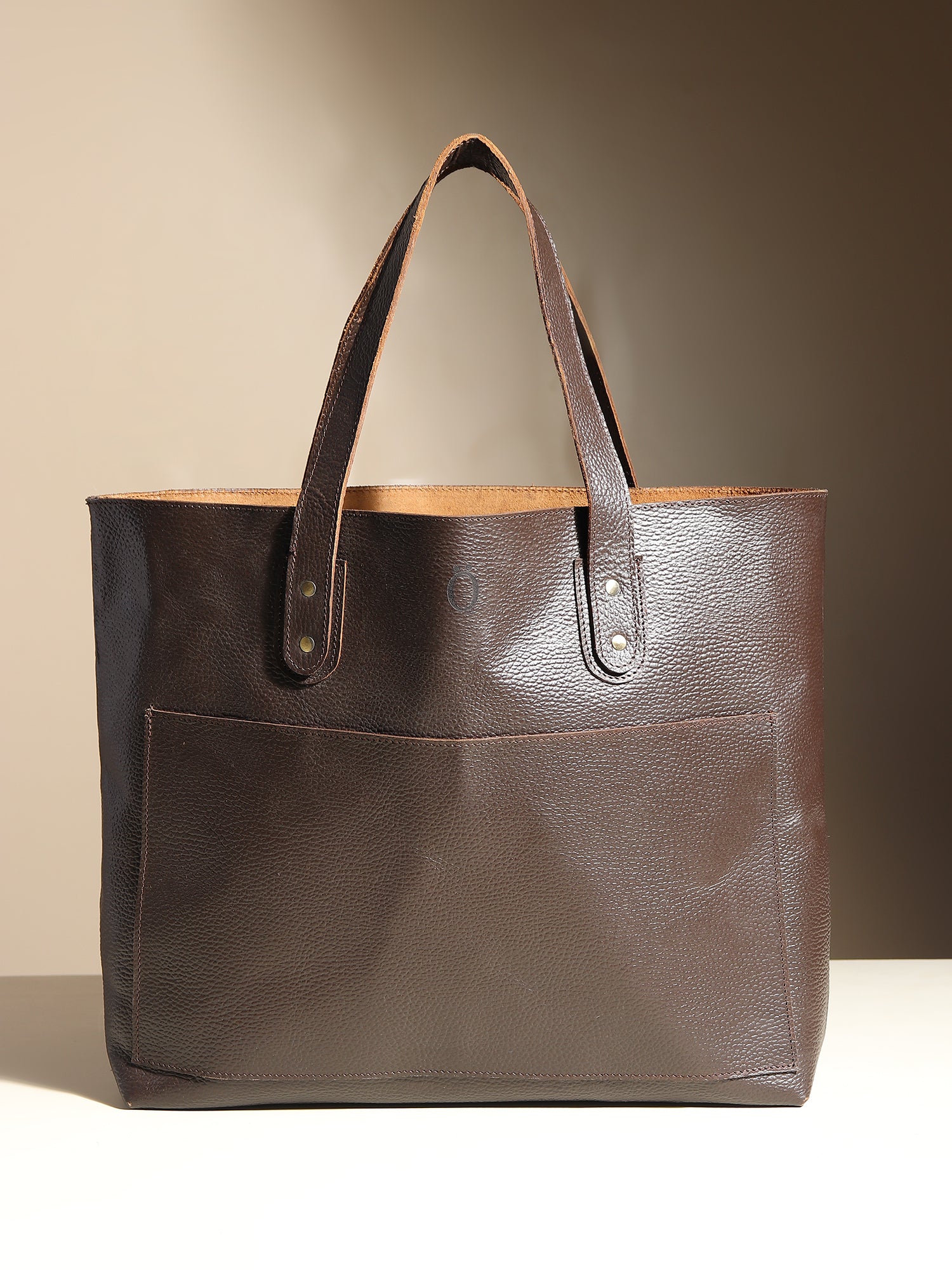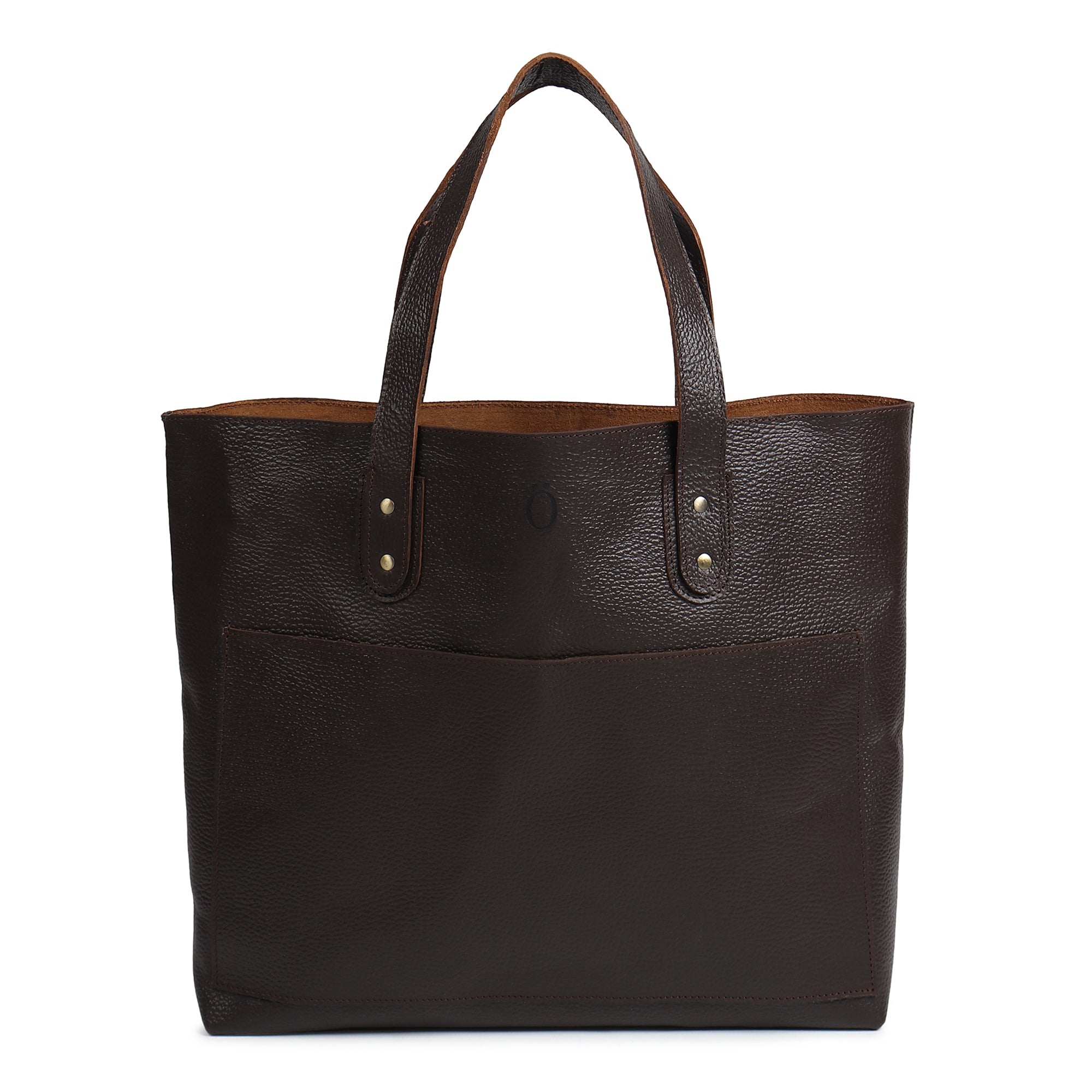


The Anatomy of a Well-Made Leather Bag: Hardware, Stitching & Lining Explained
A well-made leather bag is defined less by the leather itself and more by what holds it together — the stitching, hardware, and lining. These three elements determine whether a bag survives years of daily use or starts falling apart within months, regardless of how good the leather looks on the shelf.
Most buyers judge a bag by touching the leather and checking the price tag. Few know to check the stitch density, hardware plating, or how the lining is attached — details that matter far more to long-term durability than the surface material alone.
Stitching: The First Thing to Fail
Stitching is almost always the first point of failure on a poorly made bag, long before the leather itself wears out. What to look for:
-
Stitch density. Quality bags typically use 6–8 stitches per inch. Fewer stitches per inch means weaker seams that are more likely to unravel under load.
-
Thread type. Waxed polyester or nylon thread resists fraying and moisture far better than cotton thread, which weakens and rots over time.
-
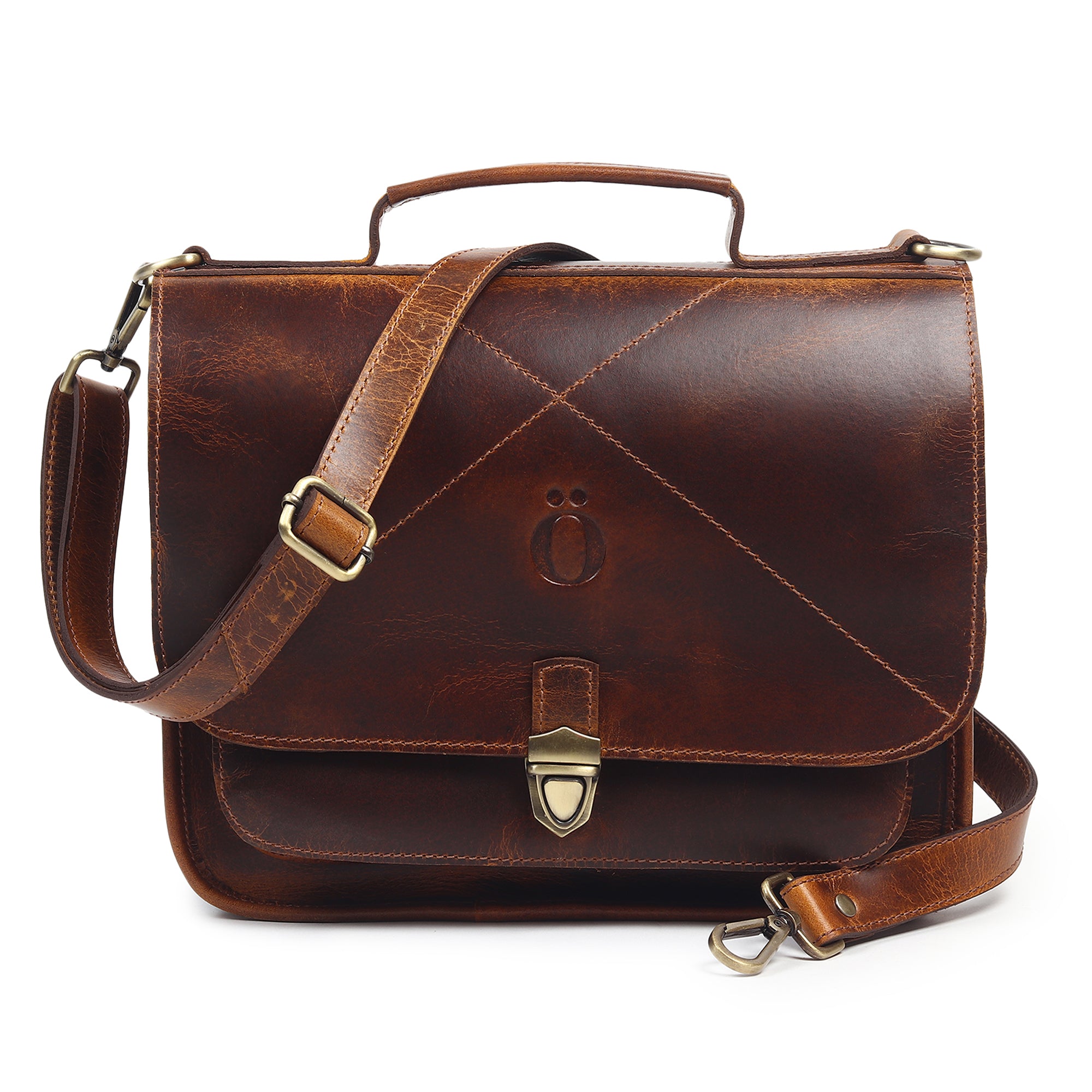
Saddle stitching vs machine stitching. Saddle stitching uses two needles and a single continuous thread pulled through each hole from both sides — if one section frays, the rest of the seam holds. Machine stitching (a single lockstitch) can unravel entirely from one broken point.
-
Double stitching at stress points. Handles, strap attachments, and corners should show reinforced double or triple stitching, since these areas bear the most repeated tension.
A quick way to check quality without any tools: look closely at the stitch line along a handle. Even, tight, and slightly recessed stitching (rather than sitting proud of the surface) is a strong sign of careful construction.
Hardware: Small Parts, Big Difference
Zips, buckles, D-rings, and clasps are often the first parts of a bag to fail — and the easiest for manufacturers to cut costs on, since cheap hardware is invisible until it breaks.
Things worth checking:
-
Plating and base metal. Solid brass or zinc-alloy hardware with genuine plating resists corrosion and tarnishing far longer than thin, painted metal.
-
Zip pull weight and action. A quality zip (commonly YKK or RiRi) glides smoothly without catching and feels substantial in the hand — not light or scratchy.
-
Attachment method. Hardware should be riveted or securely stitched into reinforced leather tabs, not simply glued or attached with a single thin loop.
-
Corrosion resistance. Good hardware won’t show rust or discolouration after exposure to light rain or humidity — a quick giveaway of base-metal quality.
Lining: The Part Nobody Checks (But Should)
The interior lining affects both durability and daily usability, yet it’s the part buyers most often overlook.
-
Material. Cotton twill, canvas, or suede linings resist tearing better than thin polyester, which can rip at pocket seams within the first year.
-
Attachment. A well-constructed bag has its lining stitched securely to the leather shell, not simply glued — glued linings tend to sag or detach over time.
-
Pocket reinforcement. Interior pockets that see regular use (phone, laptop, passport slots) should have reinforced edges to prevent tearing at the entry point.
-
Colour and finish. A lighter lining colour makes it easier to find items inside the bag — a small but genuinely useful detail often ignored in cheaper designs.
A Quick Buyer’s Checklist
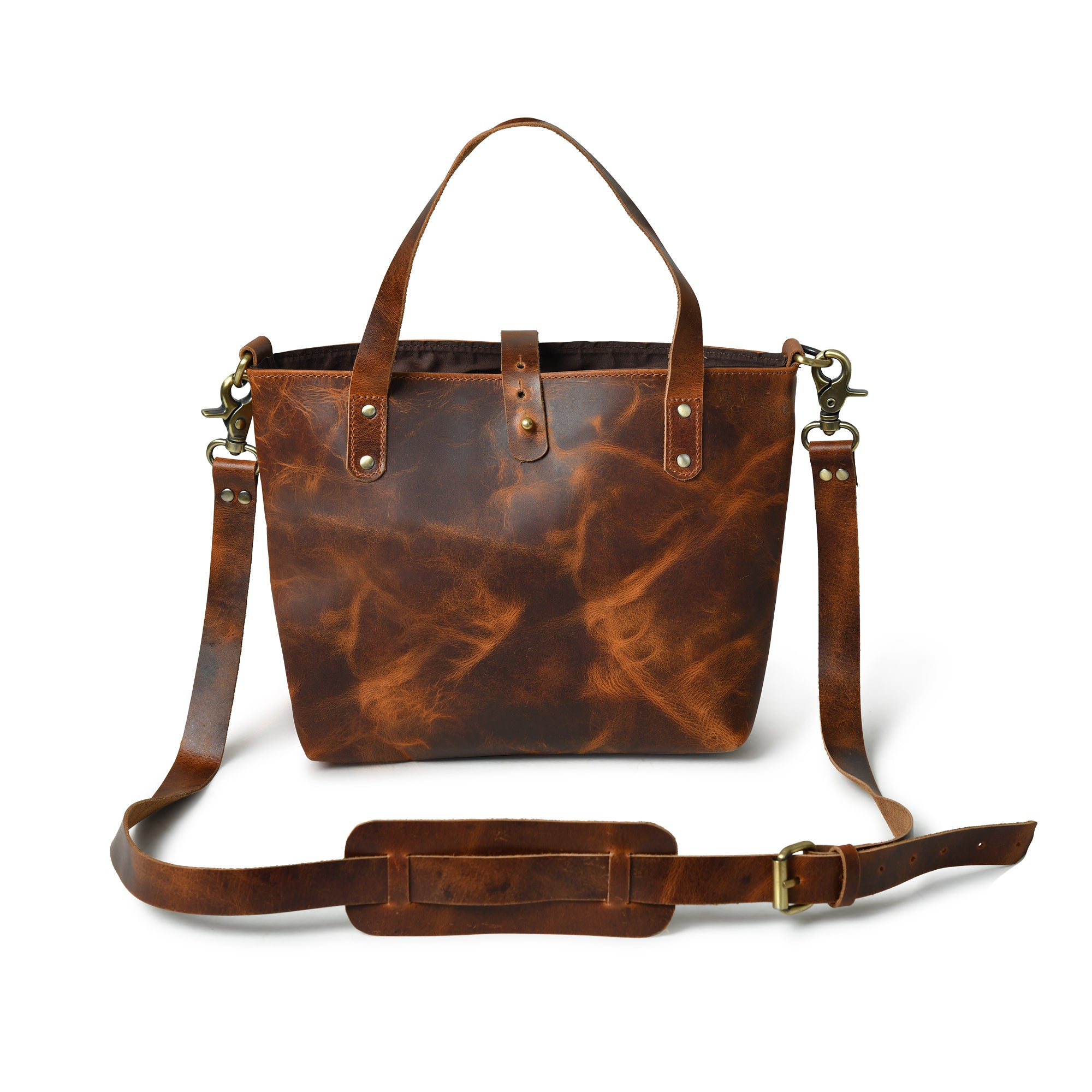
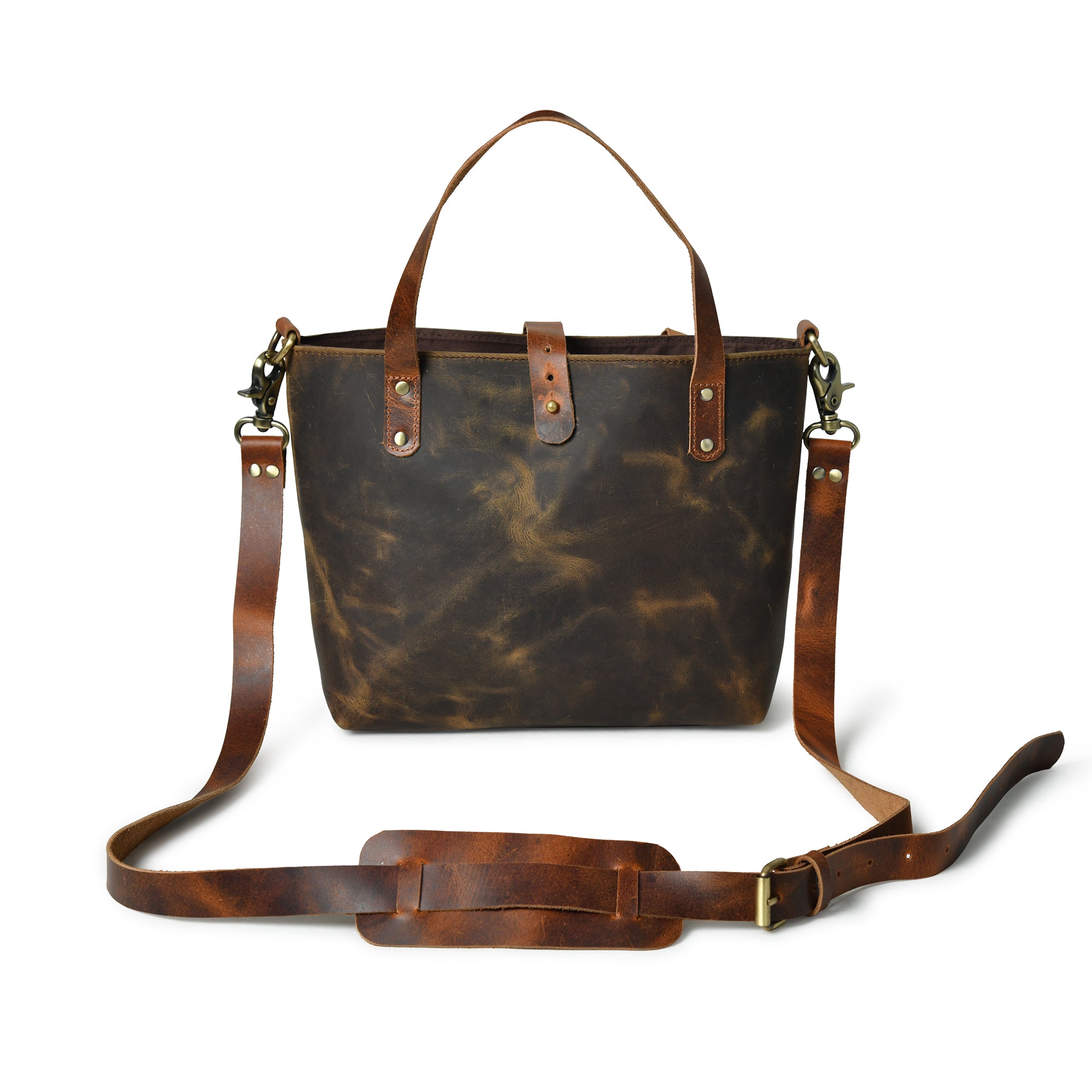
When examining a leather bag in person or in detailed photos, check for:
-
Even, tight stitching with reinforced double stitching at stress points
-
Solid, substantial-feeling hardware with a smooth zip action
-
A securely stitched (not glued) interior lining
-
No visible glue residue along seams or edges
-
Handles and straps that feel firmly anchored, not just decoratively attached
Quick Answers
What’s the most important part of a leather bag’s construction? Stitching is generally considered the most critical factor, since it’s the first element to fail on a poorly made bag — even high-quality leather can’t compensate for weak seams.
How can I tell if hardware is good quality without technical knowledge? Good hardware feels heavier and smoother in the hand, moves without catching, and shows no discolouration or rust after light exposure to moisture.
Does lining quality actually affect how long a bag lasts? Yes. A weak or poorly attached lining can tear, sag, or detach well before the exterior leather shows any wear, especially in bags used daily for work or travel.
The Bottom Line
The leather grade gets all the attention, but stitching, hardware, and lining are what actually determine whether a bag survives daily use for years or needs replacing within a season. Learning to check these details takes an extra minute of inspection — and it’s the difference between buying a bag that looks good in a photo and one that holds up in real life