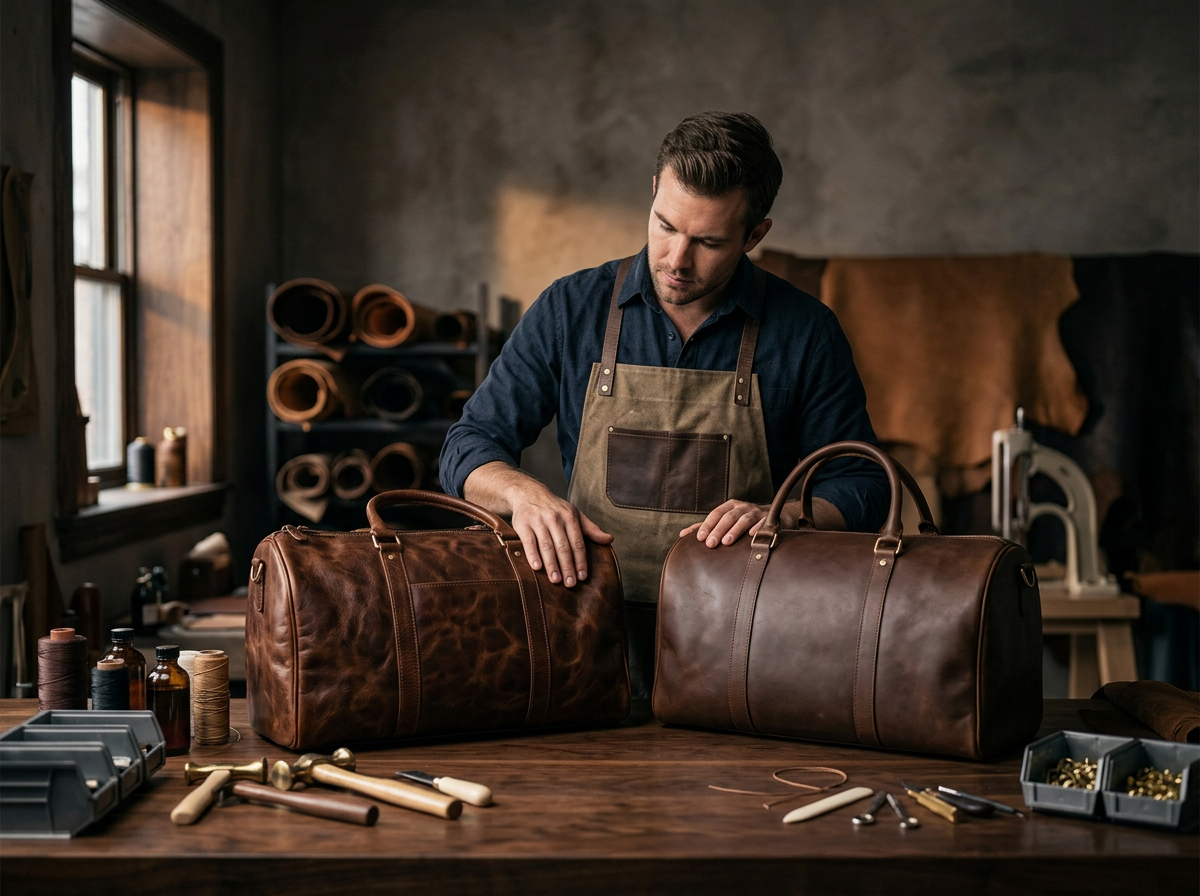


How Long Should a Leather Bag Last? The Truth About Quality, Durability & Long-Term Value
A leather bag is more than just an accessory—it's something you carry every day, whether you're commuting to work, travelling, or heading out for the weekend. But if you've ever wondered, "How long should a leather bag last?", the answer isn't as simple as a number of years.
Some leather bags start cracking, peeling, or losing their shape after just a few years, while others are passed down through generations. The difference comes down to the quality of the leather, the craftsmanship behind the bag, and how well it's cared for over time.
If you're planning to invest in a leather backpack, tote, messenger bag, or duffle bag, understanding what affects its lifespan can help you make a smarter purchase—and save money in the long run.
So, How Long Should a Leather Bag Last?
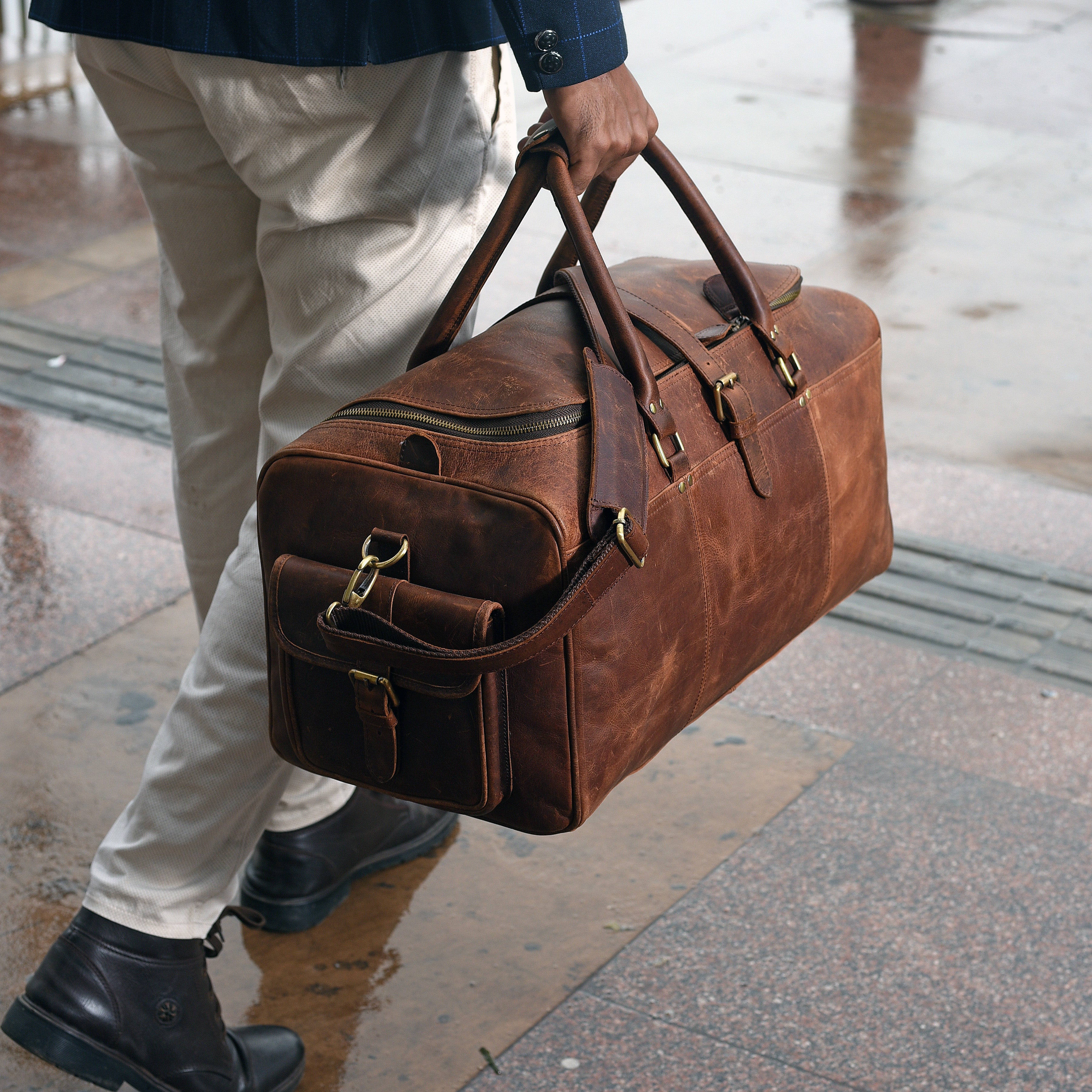
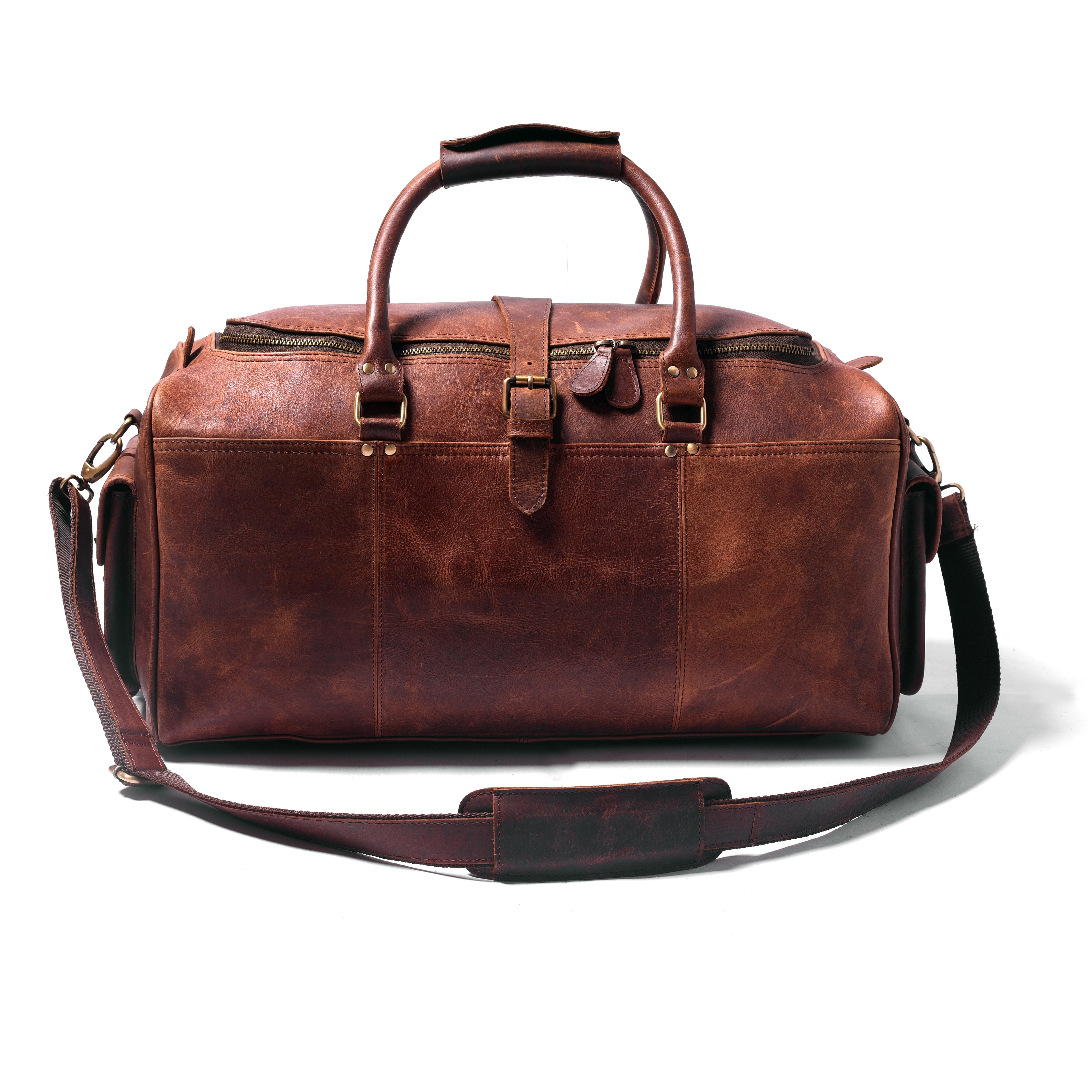
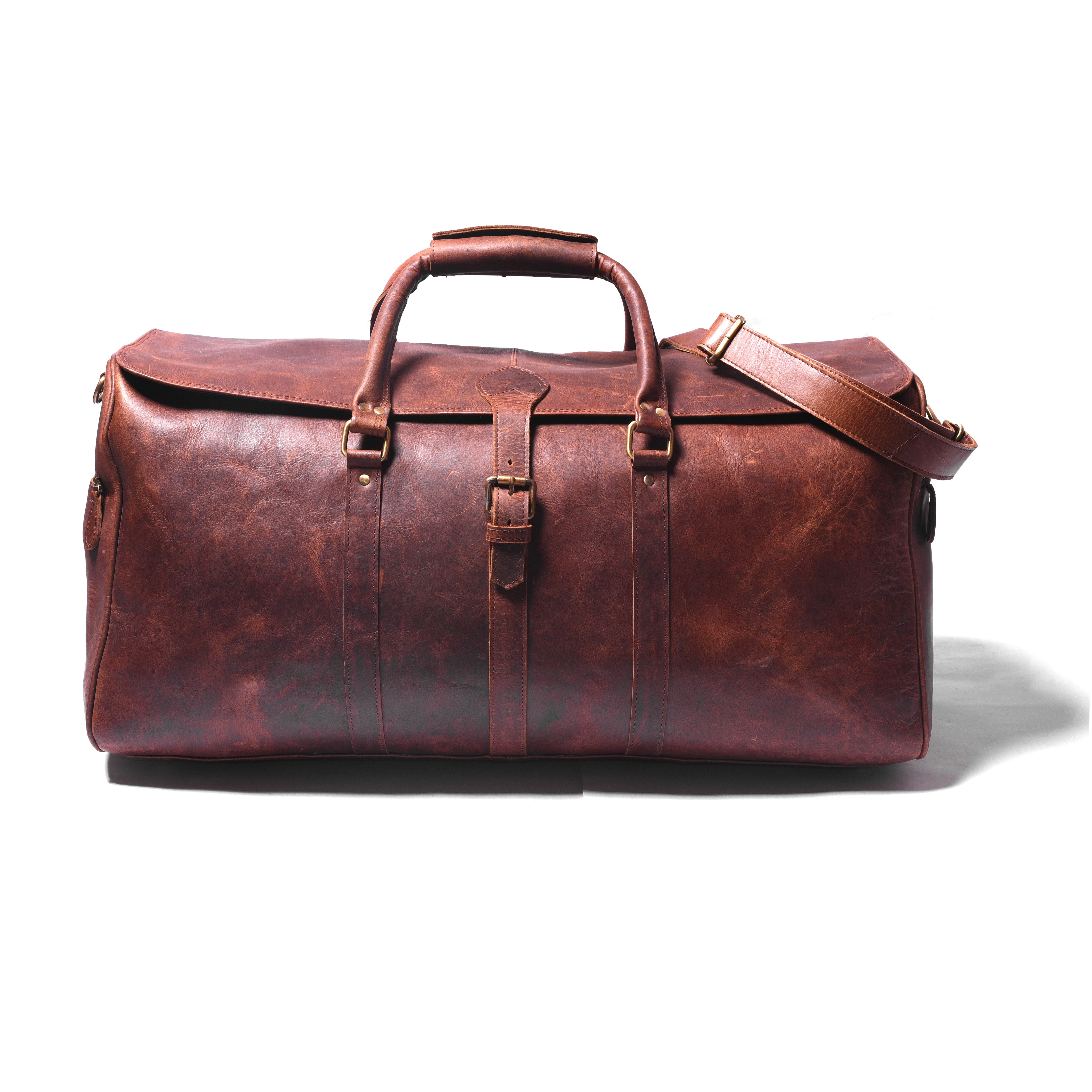
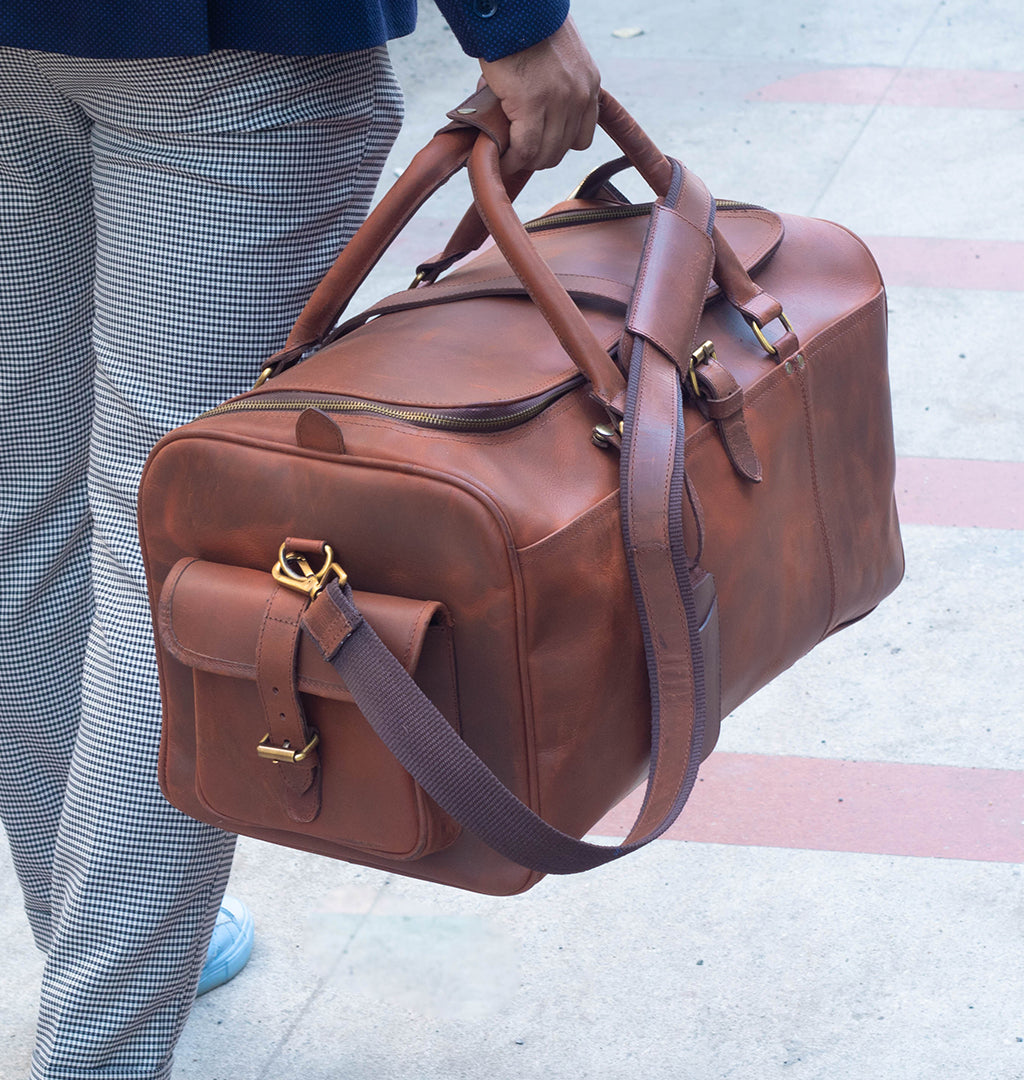
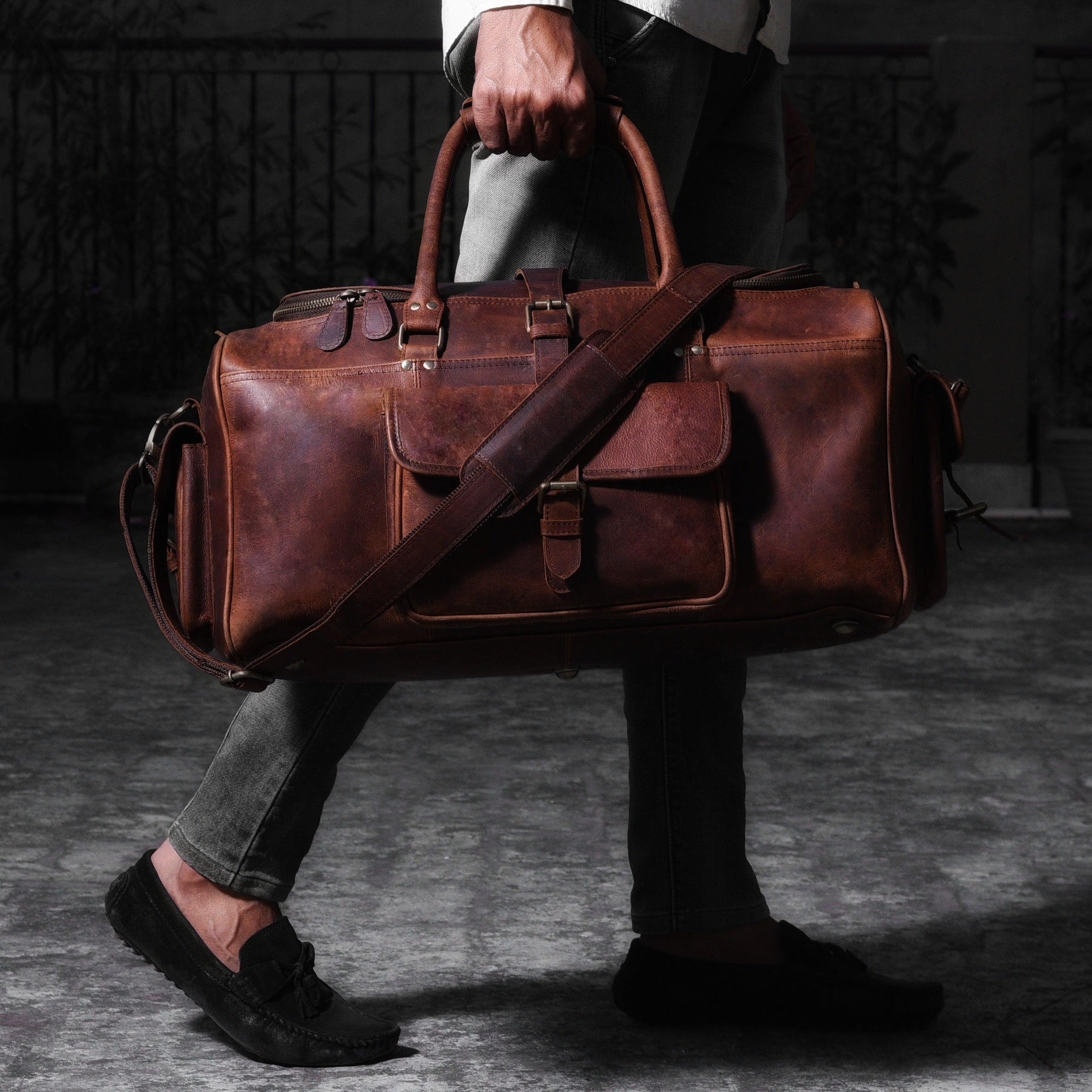
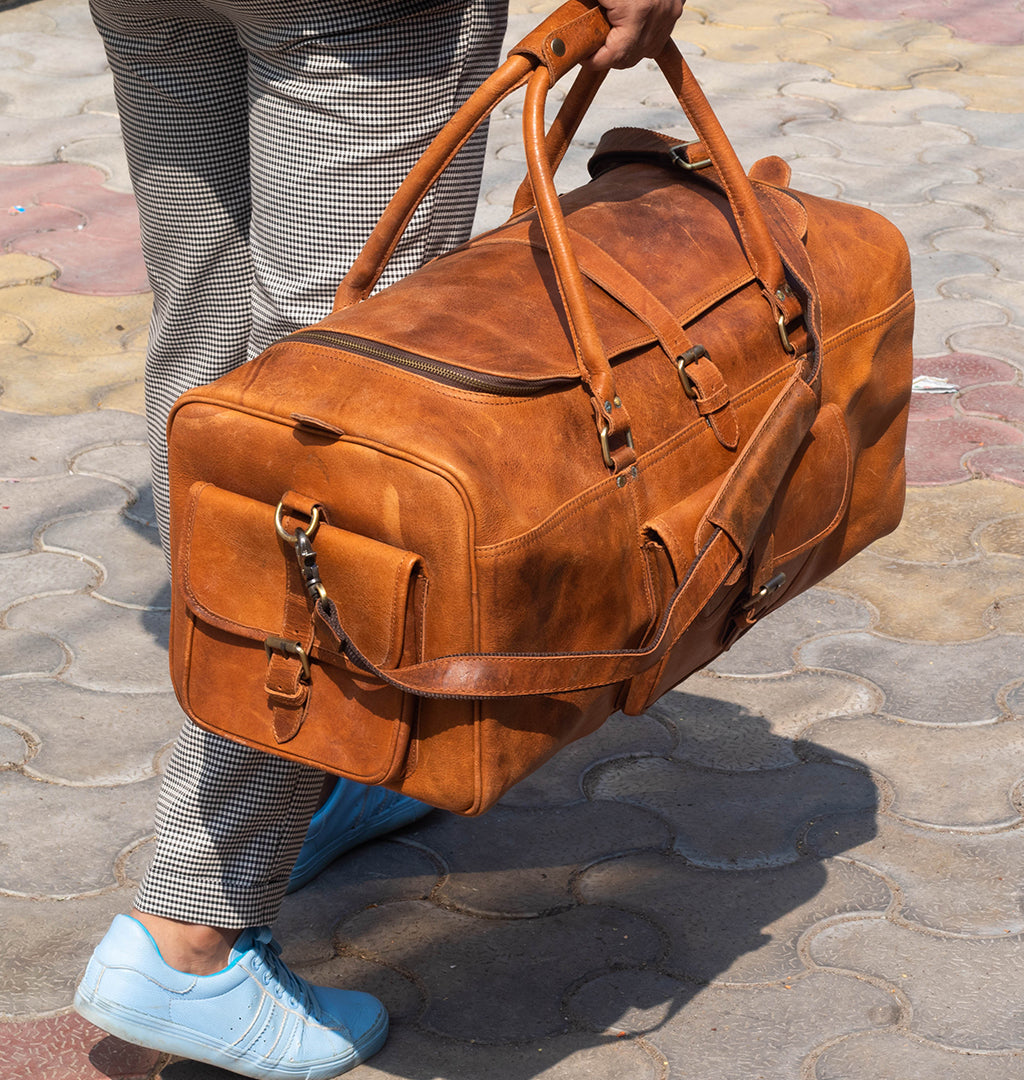
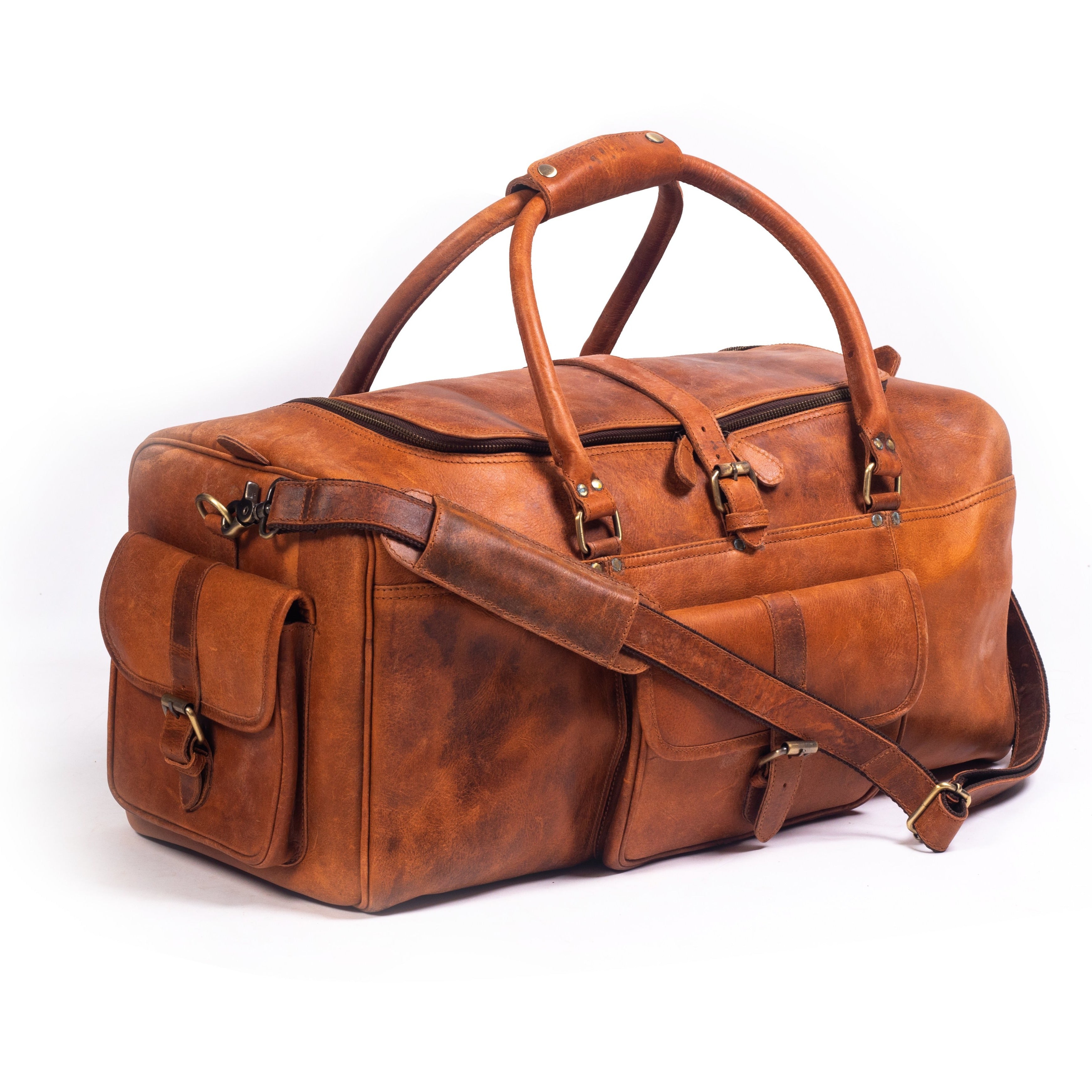
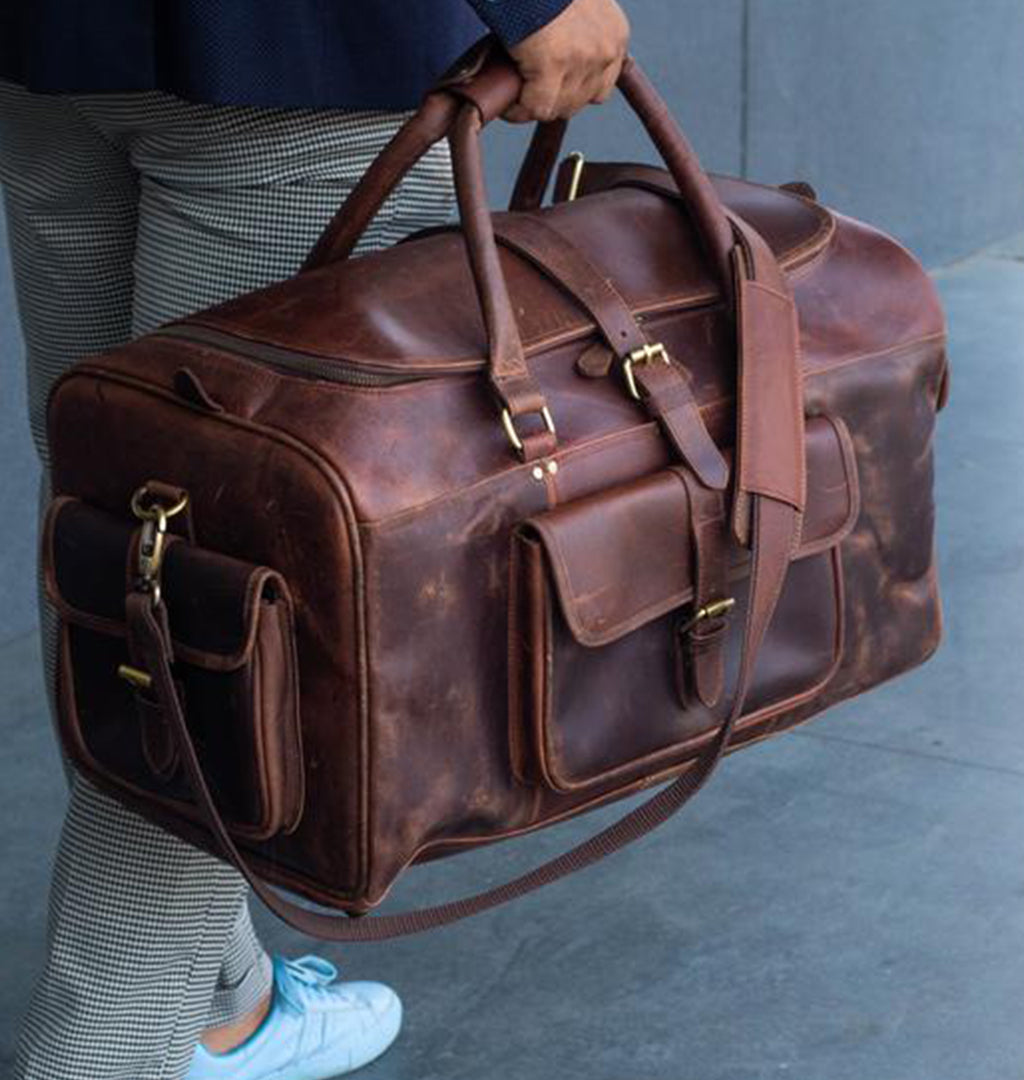
A high-quality leather bag made from premium full-grain or top-grain leather can last 20 to 30 years or even longer with proper care. In many cases, these bags become more attractive over time as the leather develops a rich patina that reflects years of use.
Lower-quality leather bags, however, don't have the same longevity. Bags made from bonded leather, corrected leather, or synthetic materials often show signs of wear within just a few years. Peeling, cracking, broken stitching, and worn handles are common problems that usually can't be repaired effectively.
Here's a general guide to how long different types of bags typically last:
|
Material |
Average Lifespan |
|
Full-Grain Leather |
20–30+ Years |
|
Top-Grain Leather |
10–20 Years |
|
Genuine Leather |
5–10 Years |
|
Bonded Leather |
1–3 Years |
|
Faux Leather (PU) |
1–3 Years |
While these figures are averages, the quality of construction and how the bag is used can significantly extend—or shorten—its lifespan.
Why Leather Quality Makes Such a Big Difference
Not all leather is created equal. The biggest factor determining how long a bag lasts is the quality of the hide used to make it.
Full-Grain Leather
Full-grain leather is widely considered the highest-quality leather available. It retains the natural surface of the hide, making it incredibly strong, breathable, and resistant to everyday wear.
Rather than looking worn over time, full-grain leather develops a beautiful patina—a natural sheen and colour that gives each bag a unique appearance. Minor scratches blend into the leather, adding character rather than reducing its appeal.
This is why luxury leather brands continue to use full-grain leather for products designed to last decades.
Top-Grain Leather
Top-grain leather is slightly sanded to remove imperfections, creating a smoother, more uniform finish. Although it's not quite as durable as full-grain leather, it still offers excellent longevity and is commonly used in premium handbags, work bags, and travel luggage.
Genuine Leather
Despite its name, genuine leather sits much lower on the quality scale. It's made from the remaining layers of the hide after the stronger outer layers have been removed.
While genuine leather is still real leather, it tends to wear more quickly and lacks the strength, flexibility, and ageing characteristics of higher-grade materials.
Craftsmanship Matters Just As Much
Even the finest leather won't last if the bag is poorly constructed.
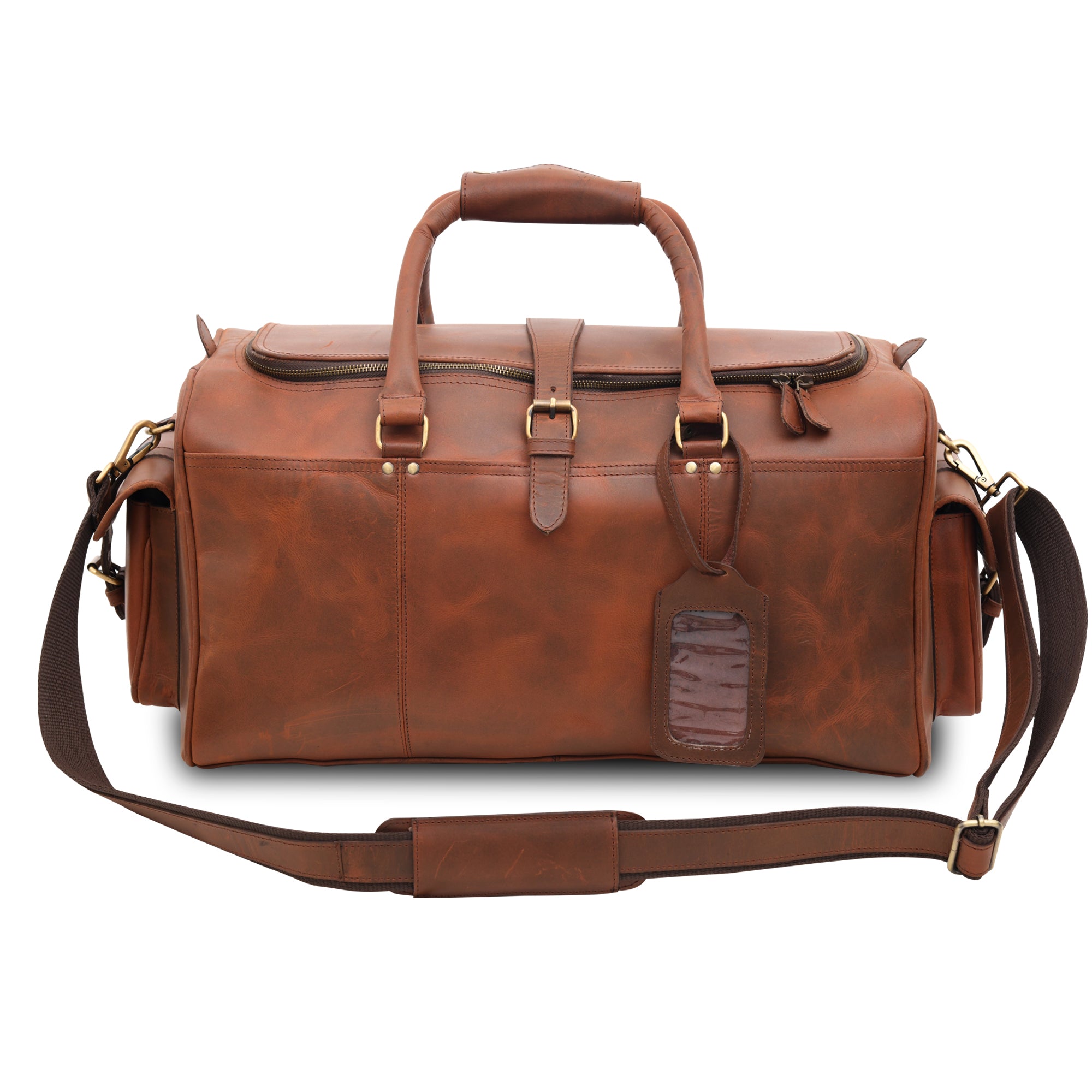
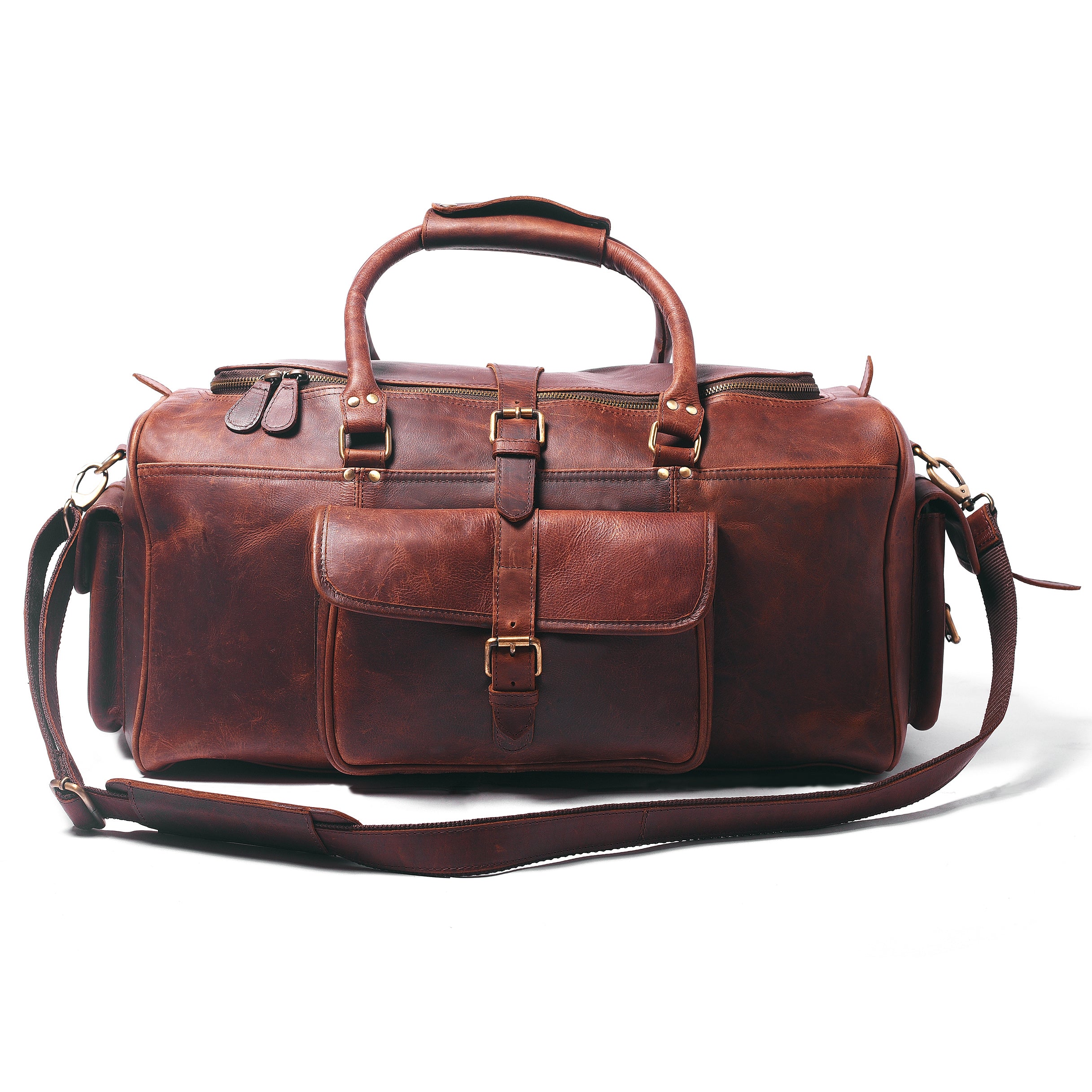
High-quality leather bags are designed with durability in mind. Every stitch, rivet, buckle, and zip contributes to the overall lifespan of the bag.
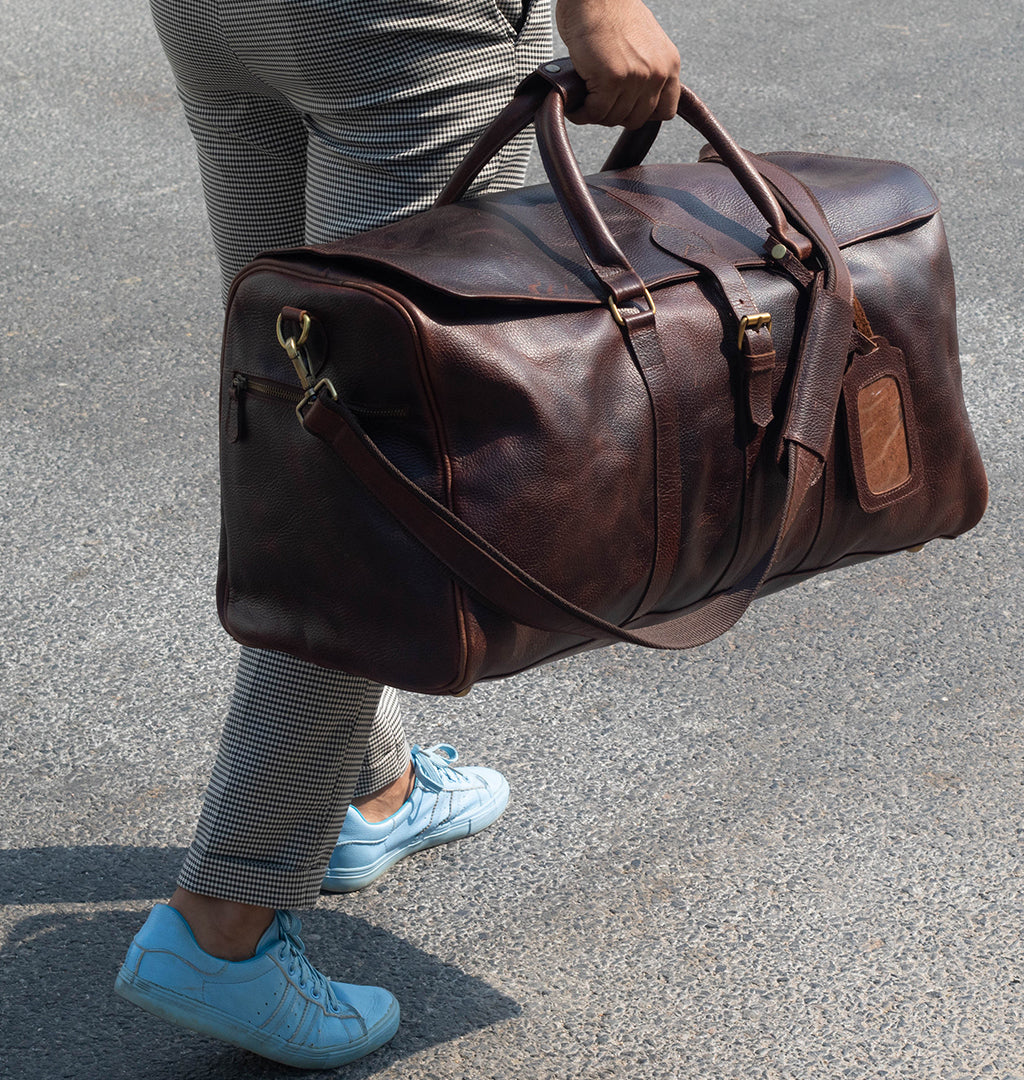
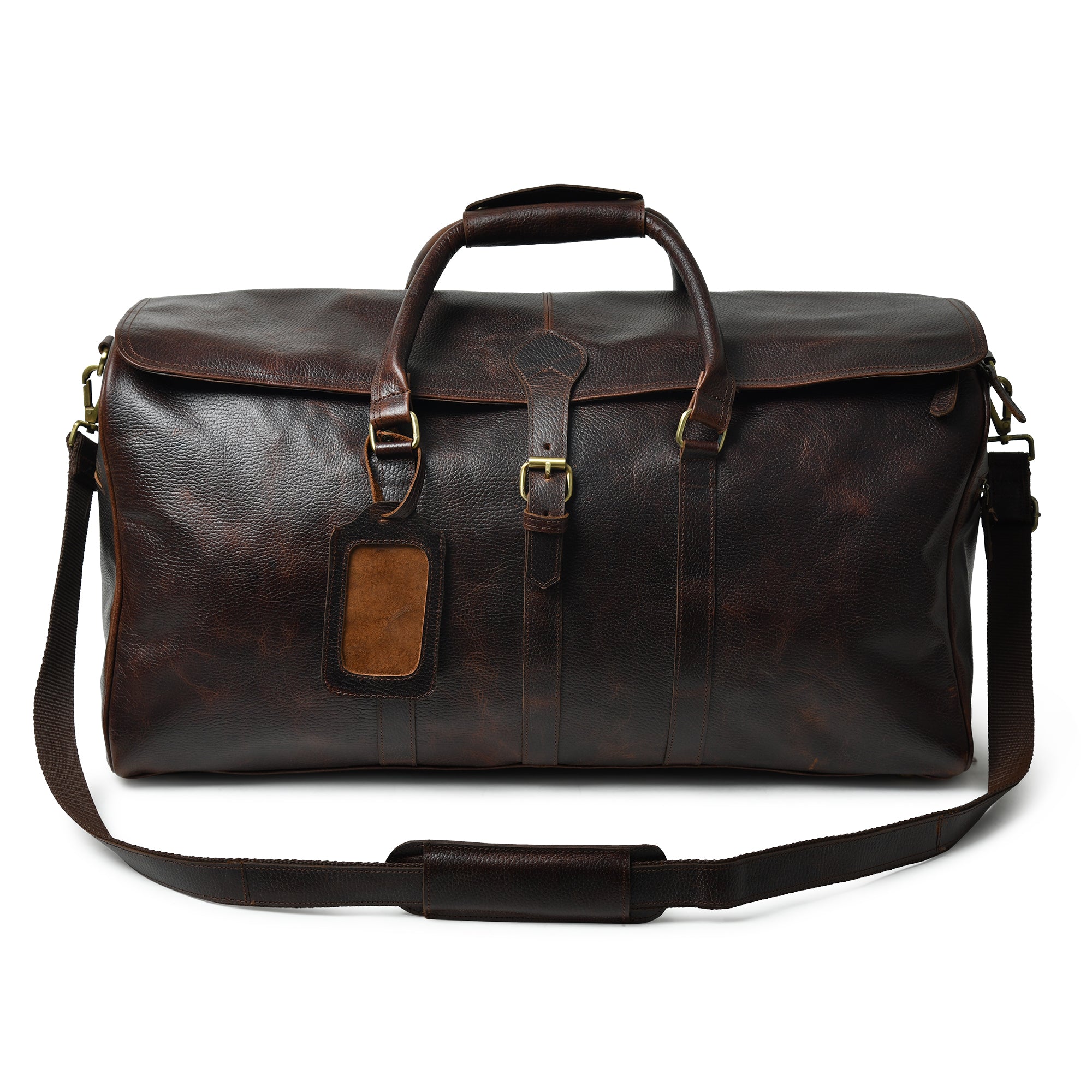
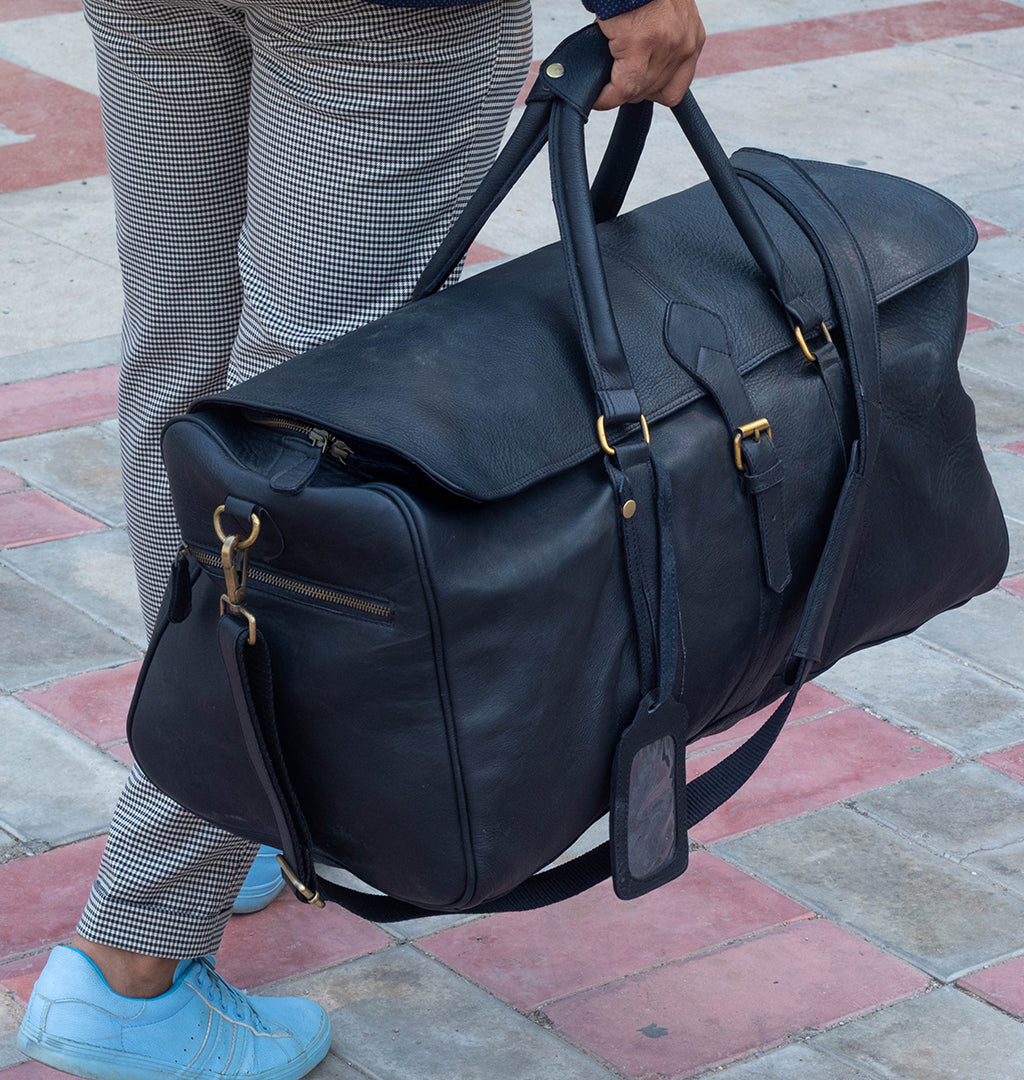
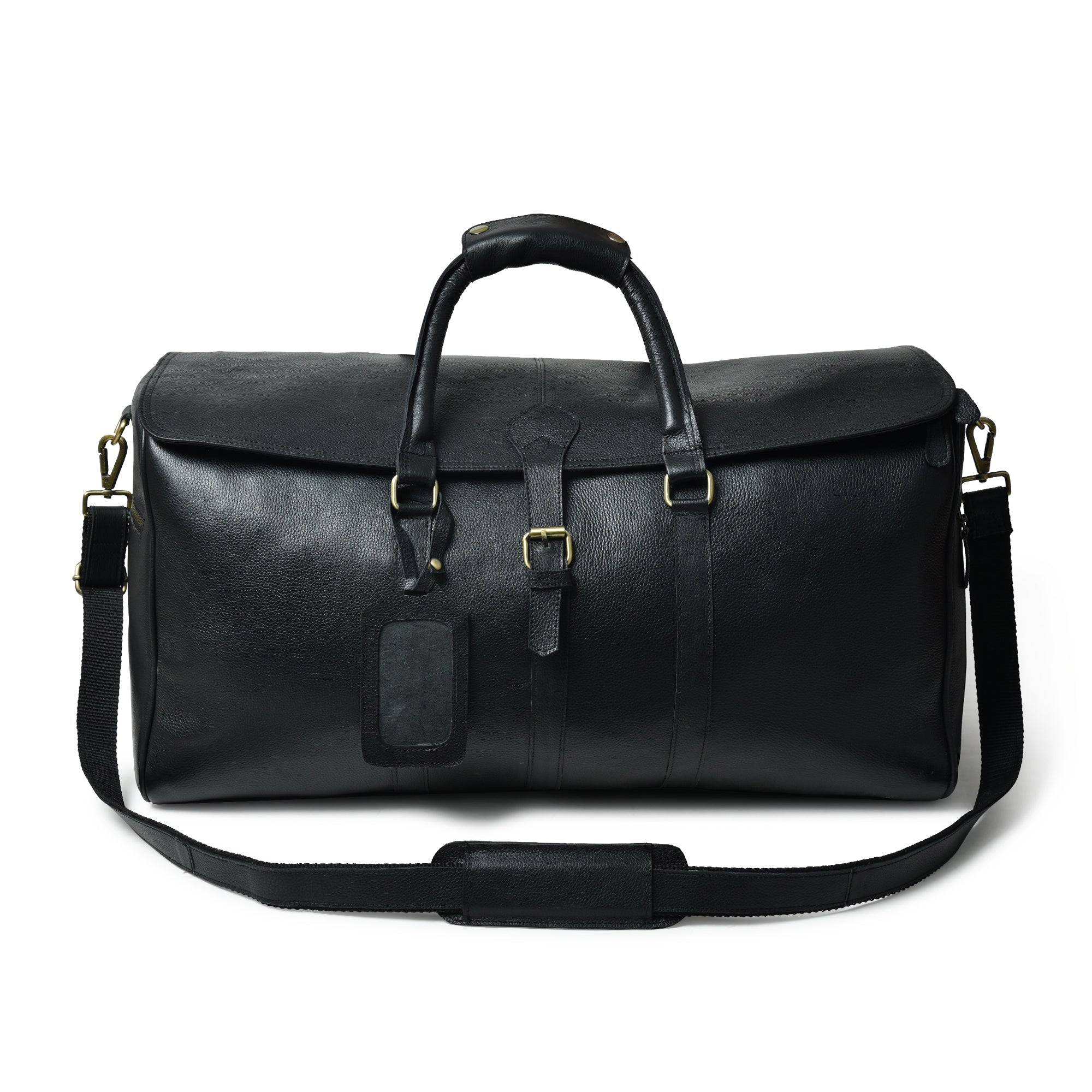
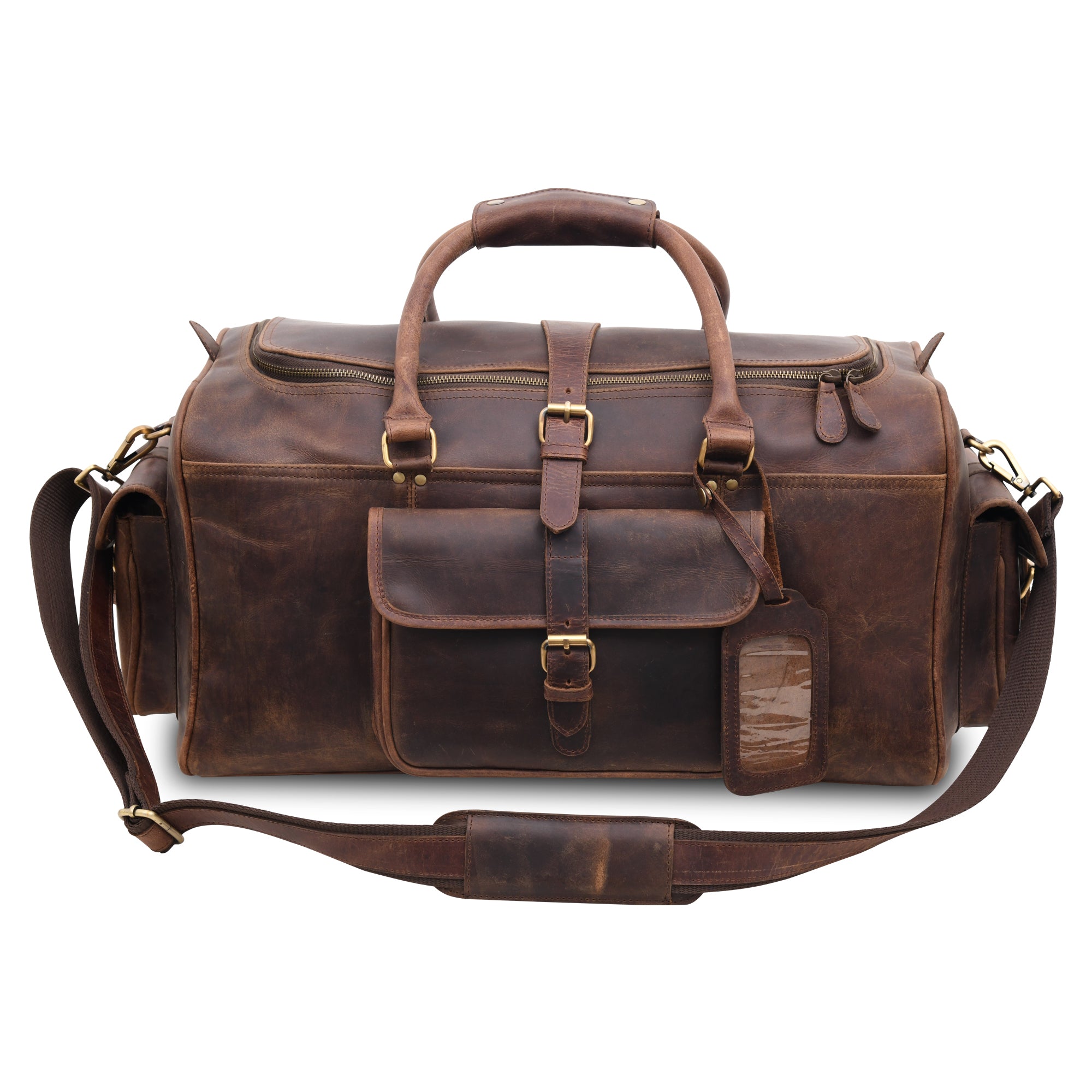
Look for features such as reinforced stitching, solid brass or stainless-steel hardware, strong YKK zips, thick leather handles, and durable cotton or canvas linings. These details may seem small, but they're often what separates a bag that lasts three years from one that lasts thirty.
Cheap bags often use lightweight hardware, thin thread, glued edges, and lower-quality linings, which tend to fail long before the leather itself.
Daily Use Doesn't Have to Mean Rapid Wear
Many people assume that using a leather bag every day will quickly wear it out. In reality, premium leather is designed for regular use.
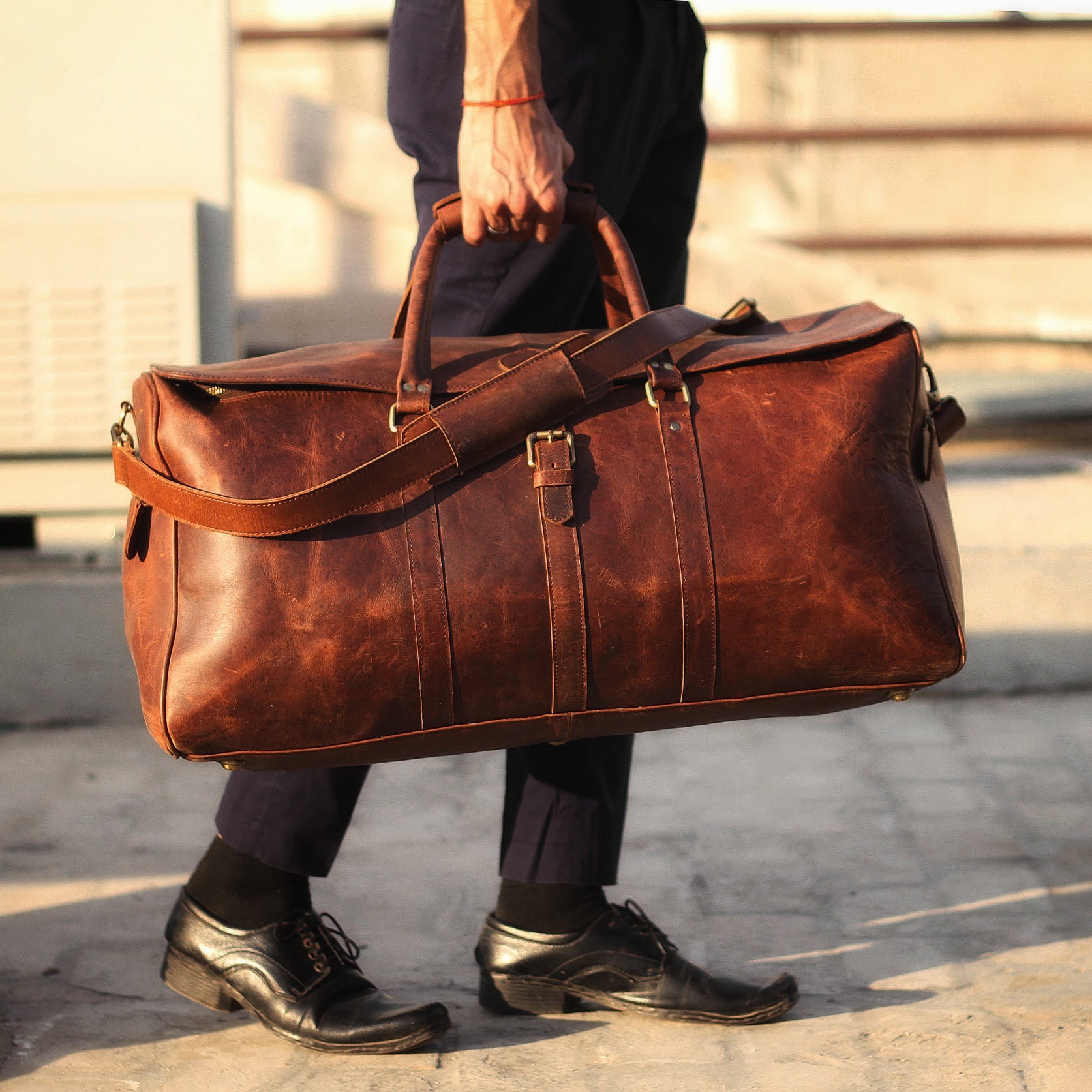
Whether you're carrying a leather laptop bag to the office or using a leather duffle bag for frequent travel, quality leather becomes softer and more comfortable with use. Instead of falling apart, it gradually develops character while maintaining its strength.
That said, constantly overloading your bag can stretch the leather, weaken the handles, and place unnecessary stress on the stitching. Using the bag within its intended capacity helps preserve its shape for years to come.
The Biggest Reasons Leather Bags Wear Out Early
Most leather bags don't fail because leather is weak—they fail because they're neglected or made from poor-quality materials.
One of the most common causes of damage is allowing leather to dry out. Leather is a natural material that contains oils, and over time these oils evaporate. Without regular conditioning, the leather can become stiff, dry, and eventually crack.
Exposure to excessive moisture is another common problem. While leather can handle light rain, storing a damp bag without allowing it to dry properly may encourage mould and weaken the fibers.
Direct sunlight, radiators, and other heat sources can also dry the leather, causing fading and cracking over time.
Improper storage is another overlooked issue. Folding a leather bag, hanging it by its handles for long periods, or storing it in plastic bags can permanently distort its shape.
How to Make a Leather Bag Last Longer
Taking care of a leather bag isn't complicated, but consistency makes all the difference.
Clean the surface regularly with a soft, dry cloth to remove dust and dirt before they work into the leather. Every few months, apply a quality leather conditioner to restore moisture and keep the leather supple.
When you're not using your bag, store it in a breathable dust bag and fill it with tissue paper or a soft cloth to help it maintain its original shape. Avoid placing heavy objects on top of it during storage.
If your leather bag gets wet, allow it to air dry naturally at room temperature. Never use a hairdryer or place it next to a heater, as rapid drying can damage the leather.
These simple habits can dramatically extend the life of your investment.
Is an Expensive Leather Bag Worth the Money?
It's easy to focus on the purchase price when buying a leather bag, but the real value comes from how long it lasts.
Imagine buying a £70 synthetic bag every two years. Over twenty years, you'd spend around £700 replacing it repeatedly.
Now compare that with a premium leather bag costing £300 that lasts two decades or more. Not only is the overall cost lower, but you also enjoy a bag that looks better, performs better, and never goes out of style.
A quality leather bag isn't simply a purchase—it's a long-term investment in craftsmanship, durability, and timeless design.
Can Leather Bags Be Repaired?
One of leather's greatest advantages is that it can often be restored instead of replaced.
Professional leather repair specialists can replace broken zips, repair damaged handles, restitch worn seams, restore faded colour, and even remove many scratches and scuffs.
Unlike synthetic materials that often peel beyond repair, genuine leather responds well to professional maintenance, making it a sustainable and cost-effective choice.
Signs You're Buying a Leather Bag That Will Last
When shopping for a leather bag, pay attention to the details rather than just the appearance.
A well-made leather bag should feel substantial without being overly heavy. The leather should have a natural grain rather than an artificial plastic-like texture. Stitching should be neat and consistent, with no loose threads or uneven seams.
High-quality hardware should feel solid and durable, while the handles should be securely reinforced where they attach to the bag. Reputable brands are also transparent about the type of leather they use, making it easier to identify genuine quality.
Final Thoughts
So, how long should a leather bag last?
The answer ultimately depends on what you buy. A cheaply made leather bag may only survive a few years before showing significant wear, while a well-crafted full-grain leather bag can remain a trusted companion for decades.
Investing in premium materials, skilled craftsmanship, and proper care doesn't just extend the life of your bag—it enhances its appearance with every passing year. Unlike fast-fashion accessories that are designed to be replaced, a quality leather bag tells a story through every journey, every scratch, and every adventure.
If you're looking for a bag that combines timeless style with lasting performance, choosing a premium leather bag is one investment you'll appreciate every time you carry it.