

How to Protect Leather Bags from Snow, Rain and Moisture
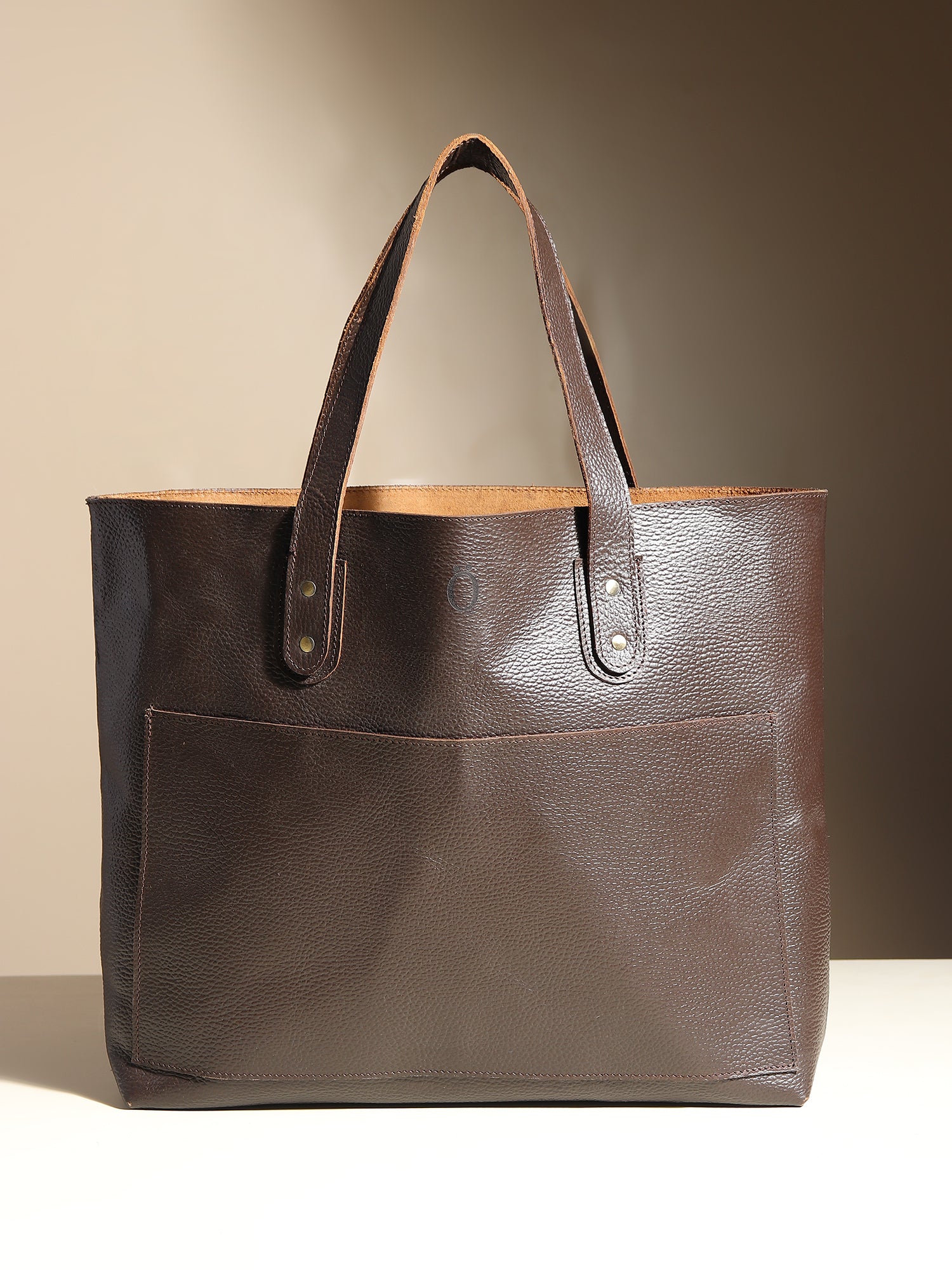
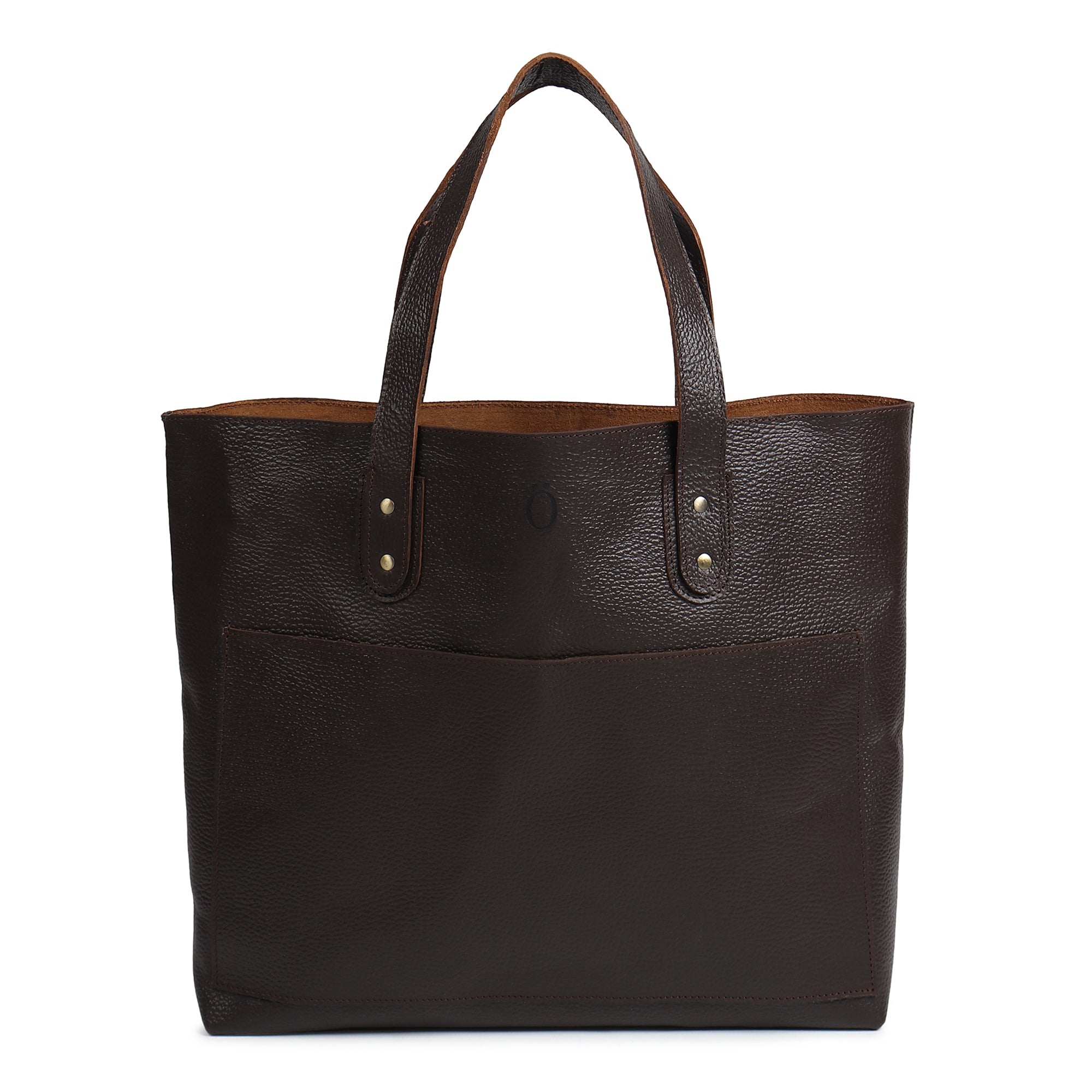
A premium leather bag is designed to last for years, but winter weather can be especially challenging. Snow, rain, slush, and high humidity can all affect genuine leather if it isn't properly protected. While leather is naturally durable, prolonged exposure to moisture can lead to stains, stiffness, discoloration, and even cracking over time.
Whether you own a leather duffle bag, messenger bag, backpack, or briefcase, following the right care routine will help preserve its appearance and extend its lifespan.
Why Moisture Is Harmful to Leather
Leather is a natural material with tiny pores that absorb moisture. When water enters these pores, it can strip away the natural oils that keep leather soft and flexible.
Excess moisture may cause:
-
Water stains
-
Salt marks
-
Dryness and cracking
-
Mold or mildew
-
Fading
-
Loss of shape
-
Stiff leather texture
Understanding these risks is the first step toward preventing damage.
Choose High-Quality Leather
Not all leather performs the same in wet conditions.
Full-grain leather offers better durability because it retains the natural grain and dense fibers of the hide. It develops a rich patina over time and withstands everyday wear more effectively than lower-grade leather.
Regardless of the leather type, applying proper care is essential for long-term protection.
Apply a Leather Protector Before Winter
One of the easiest ways to reduce moisture damage is by using a leather-specific waterproofing spray.
A quality protector creates an invisible barrier that helps repel rain and snow while allowing the leather to breathe.
For best results:
-
Clean the bag before application.
-
Test the product on a hidden area.
-
Apply an even coat from the recommended distance.
-
Allow the bag to dry completely before use.
-
Reapply every few months during the winter season.
Avoid using household waterproofing products that are not formulated for leather.
Dry Wet Leather Correctly
If your leather bag gets wet during rain or snow, avoid rushing the drying process.
Instead:
-
Gently blot excess moisture with a clean microfiber cloth.
-
Stuff the bag with tissue paper to help maintain its shape.
-
Allow it to dry naturally at room temperature.
-
Keep it away from radiators, fireplaces, and direct sunlight.
-
Once dry, apply a leather conditioner to restore lost moisture.
Direct heat can cause leather to become brittle and crack.
Condition Leather Regularly
Cold weather and indoor heating reduce the natural oils in leather.
Conditioning helps:
-
Restore flexibility
-
Prevent cracking
-
Maintain softness
-
Preserve the leather's finish
-
Extend the bag's lifespan
Condition your leather bag every two to three months, or more frequently if it is exposed to harsh winter conditions.
Protect Your Bag During Daily Use
Small habits make a big difference.
When carrying your leather bag in winter:
-
Avoid placing it directly on wet or snowy surfaces.
-
Wipe off moisture immediately after use.
-
Keep liquids in sealed containers inside the bag.
-
Avoid overloading the bag, which can strain wet leather.
-
Use luggage stands when travelling.
These simple precautions reduce unnecessary wear and tear.
Remove Salt Stains Promptly
Road salt is one of the most damaging substances for leather.
If you notice white marks:
-
Mix equal parts distilled water and white vinegar.
-
Dampen a soft cloth with the solution.
-
Gently wipe the affected area.
-
Allow the leather to air dry naturally.
-
Apply leather conditioner once the surface is dry.
Always test any cleaning solution on an inconspicuous area before treating the entire bag.
Store Leather Bags Properly
Proper storage is just as important as regular maintenance.
To protect your leather bag:
-
Store it in a breathable cotton dust bag.
-
Keep it in a cool, dry place.
-
Stuff the interior with acid-free tissue paper.
-
Avoid hanging heavy bags for long periods.
-
Never store leather in plastic bags, as they can trap moisture.
Good storage habits help maintain the bag's shape and prevent mold.
Common Mistakes to Avoid
Avoid these common winter care mistakes:
-
Using harsh household cleaners
-
Drying leather with direct heat
-
Ignoring water stains
-
Skipping leather conditioning
-
Storing leather in damp environments
-
Applying excessive amounts of conditioner
-
Leaving leather bags in freezing vehicles overnight
Proper care takes only a few minutes but can significantly extend the life of your leather bag.
Frequently Asked Questions
Can genuine leather get wet?
Yes. Genuine leather can tolerate light moisture, but prolonged exposure to rain or snow may cause damage if the leather isn't cleaned and conditioned afterward.
What's the best way to waterproof a leather bag?
Use a waterproofing spray specifically designed for leather. It helps repel moisture while preserving the leather's natural texture and breathability.
How often should I condition a leather bag?
For regular use, condition your leather bag every two to three months. If it is frequently exposed to cold or wet weather, monthly conditioning may be beneficial.
Can snow permanently damage leather?
Snow itself is not usually the problem. The combination of melting water and road salt can dry out leather and leave stains if not cleaned promptly.
Final Thoughts
Leather bags are built to withstand years of use, but they perform best when given proper care. By cleaning your bag regularly, conditioning the leather, applying a waterproof protector, and storing it correctly, you can keep it looking elegant through every winter season.
A few simple maintenance habits today will help ensure that your leather bag remains a reliable and stylish companion for many years to come.