
Genuine Leather vs Real Leather: What's the Difference?
If you've ever shopped for a leather bag, wallet, belt, or travel accessory, you've probably seen the terms "Genuine Leather" and "Real Leather." Many buyers assume they're completely different materials, while others believe one is higher quality than the other.
The truth is more nuanced. Understanding what these labels actually mean can help you make a smarter purchase and choose leather products that offer the right balance of quality, durability, and value.
In this guide, we'll explain the difference between genuine leather and real leather, compare their characteristics, and help you identify the best leather for your needs.
What Is Real Leather?
"Real leather" is a broad marketing term that simply means the product is made from animal hide rather than synthetic materials.
It doesn't specify the quality or grade of the leather.
Products labeled as real leather may be made from:
-
Full-grain leather
-
Top-grain leather
-
Genuine leather
-
Split leather
Because "real leather" covers multiple grades, it doesn't automatically indicate premium quality.
What Is Genuine Leather?
Genuine leather is also real leather, but it refers to a specific grade.
It is usually produced from the lower layers of the hide after the premium outer layer has been removed for full-grain or top-grain leather.
Manufacturers often sand and finish genuine leather to create a uniform appearance.
Although it is authentic leather, it generally offers lower durability than premium leather grades.
Genuine Leather vs Real Leather
|
Feature |
Genuine Leather |
Real Leather |
|
Material |
Real leather |
Real leather |
|
Grade |
Specific leather grade |
General marketing term |
|
Quality |
Medium |
Varies depending on the leather grade |
|
Durability |
Good |
Depends on whether it's full-grain, top-grain, or genuine leather |
|
Price |
Affordable |
Varies widely |
|
Appearance |
Smooth, finished surface |
Depends on the leather type |
Is Genuine Leather Real Leather?
Yes.
One of the biggest misconceptions is that genuine leather is fake.
In reality:
-
Genuine leather is 100% real leather.
-
It comes from animal hide.
-
It is simply a lower grade than full-grain or top-grain leather.
The confusion comes from the wording. "Genuine" sounds like it should mean the highest quality, but in the leather industry, it refers to a specific grade—not the best one.
Which Leather Is Better?
If you're comparing genuine leather with real leather, the better question is:
What type of real leather is being used?
If "real leather" refers to full-grain or top-grain leather, it will usually outperform genuine leather in terms of:
-
Durability
-
Appearance
-
Aging
-
Strength
-
Long-term value
However, genuine leather remains an excellent choice for many everyday products because it offers real leather quality at a more affordable price.
How to Identify High-Quality Leather
When shopping for leather products:
-
Read the product description carefully.
-
Look for terms like Full-Grain Leather or Top-Grain Leather.
-
Check the stitching and hardware quality.
-
Feel the leather—it should be soft yet durable.
-
Avoid products that only use vague marketing terms without specifying the leather grade.
Transparency is often a sign of better craftsmanship.
When Should You Choose Genuine Leather?
Genuine leather is a good option if you:
-
Want an affordable leather product.
-
Need a wallet or belt for everyday use.
-
Prefer a smooth and consistent finish.
-
Are buying your first leather accessory.
It provides good value for casual use when properly maintained.
When Should You Choose Full-Grain Leather?
Choose full-grain leather if you want:
-
Maximum durability
-
Premium craftsmanship
-
Luxury appearance
-
Natural leather texture
-
A product that develops a beautiful patina
-
Long-term investment value
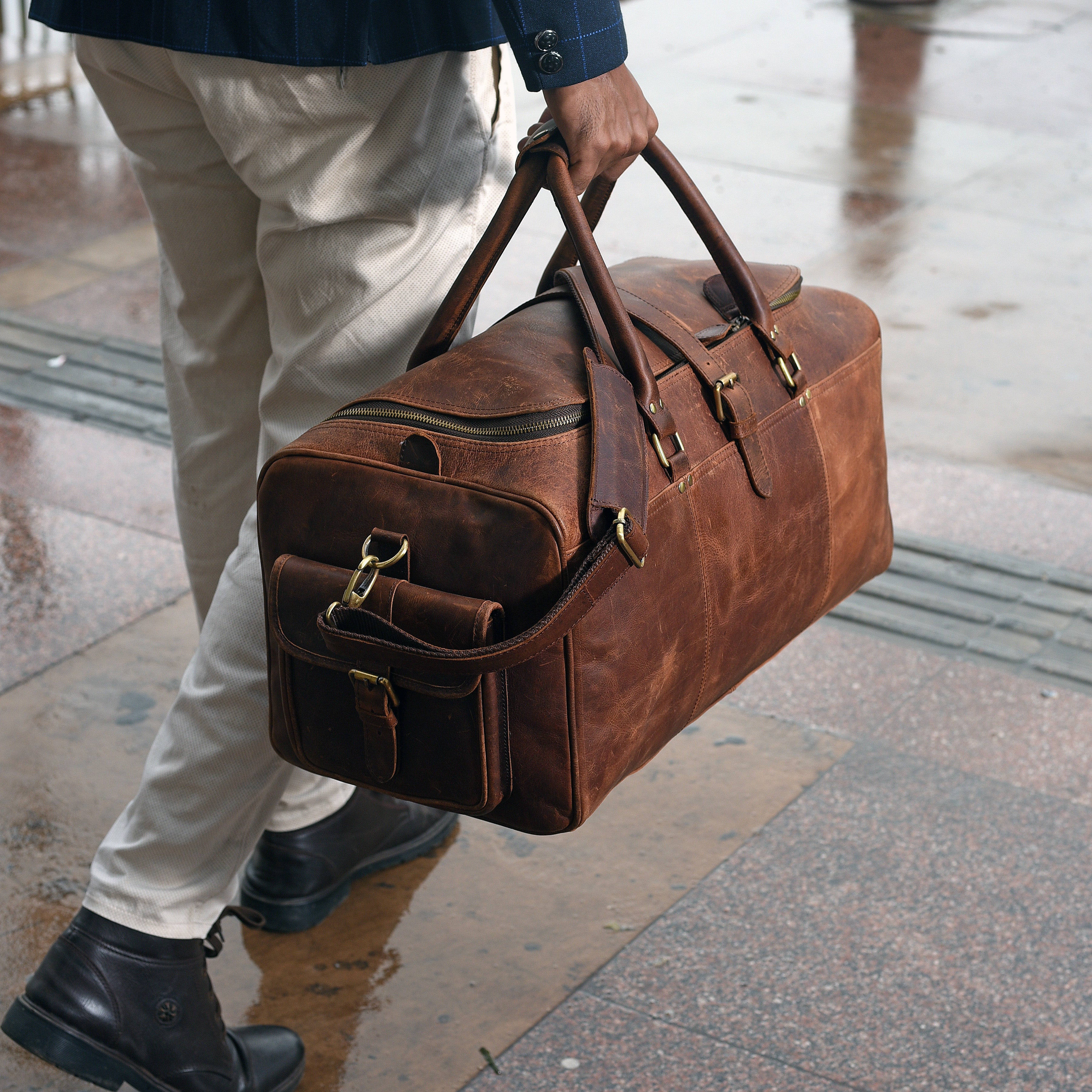
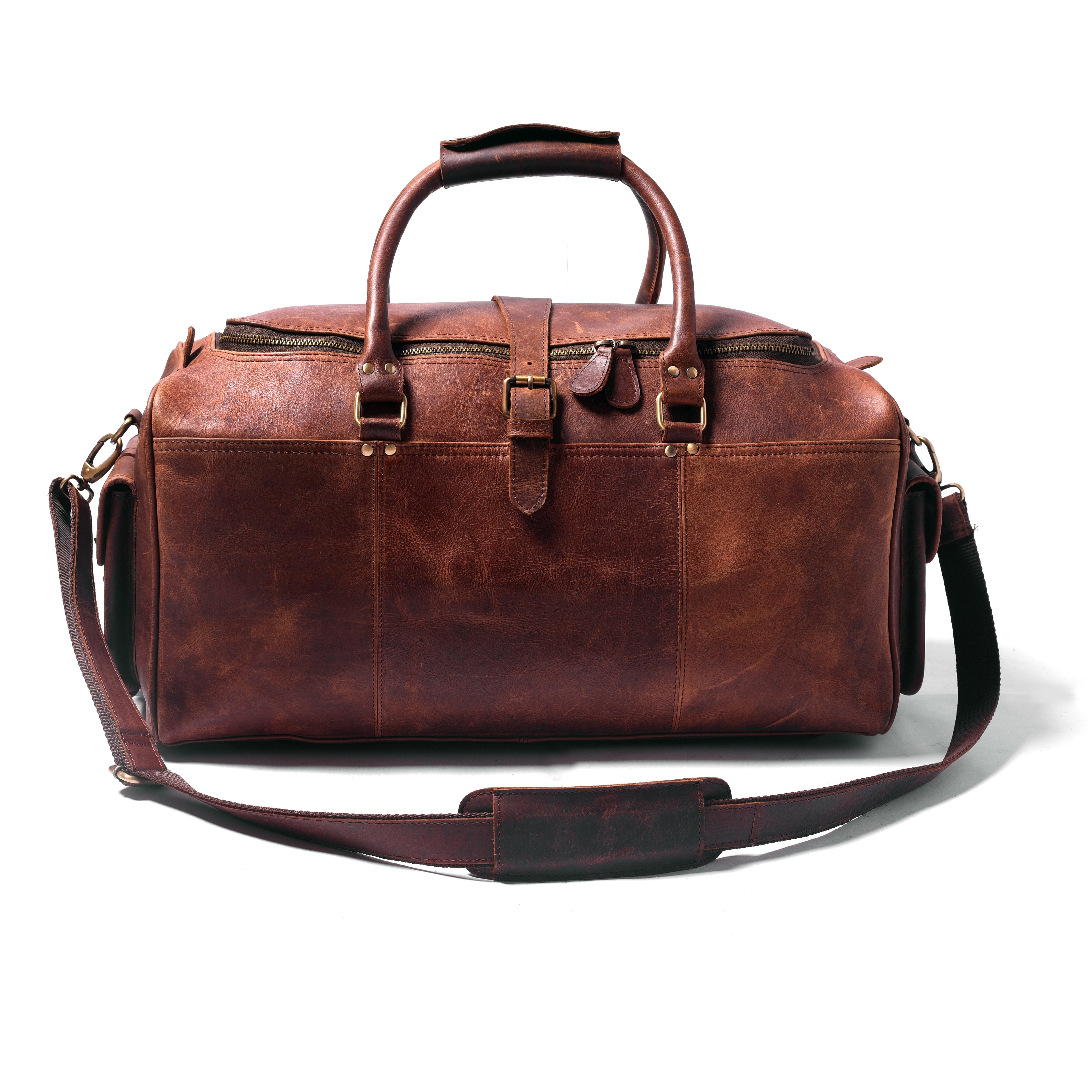
It's especially recommended for travel bags, duffle bags, briefcases, and premium wallets.
Caring for Genuine Leather
Proper care extends the life of genuine leather products.
Follow these simple tips:
-
Clean with a soft microfiber cloth.
-
Apply a leather conditioner every few months.
-
Avoid prolonged exposure to water.
-
Store products in a cool, dry place.
-
Keep leather away from direct sunlight and excessive heat.
Regular maintenance helps prevent drying and cracking.
Frequently Asked Questions
Is genuine leather fake?
No. Genuine leather is authentic leather made from animal hide.
Is real leather always high quality?
No. "Real leather" simply means the material comes from animal hide. The quality depends on whether it's full-grain, top-grain, genuine, or split leather.
Which lasts longer?
Full-grain leather lasts the longest, followed by top-grain leather. Genuine leather offers good durability but generally has a shorter lifespan than premium grades.
Is genuine leather worth buying?
Yes, if you're looking for an affordable real leather product for everyday use. For products that need to withstand heavy wear, full-grain leather is often the better long-term investment.
Final Thoughts
The terms genuine leather and real leather are often misunderstood. Genuine leather is real leather, but it represents a specific quality grade rather than the highest standard.
If durability, longevity, and premium craftsmanship are your priorities, full-grain leather is the best choice. If you're looking for a balance between affordability and authentic leather quality, genuine leather remains a practical and reliable option.
By understanding leather grades and reading product descriptions carefully, you can confidently choose leather bags, wallets, and accessories that match your needs and budget.