

How Leather Patina Develops (and Why It’s a Feature, Not a Flaw)
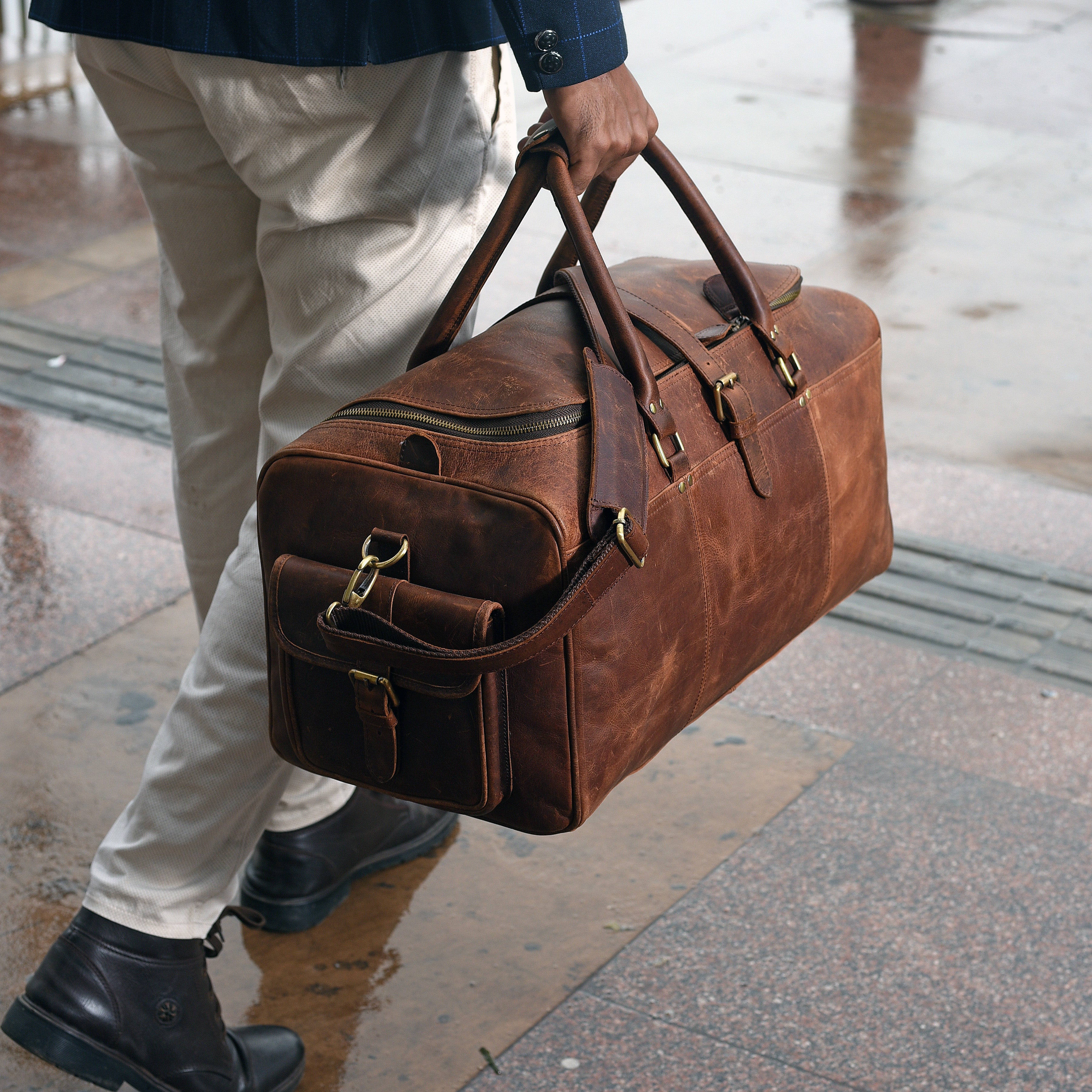
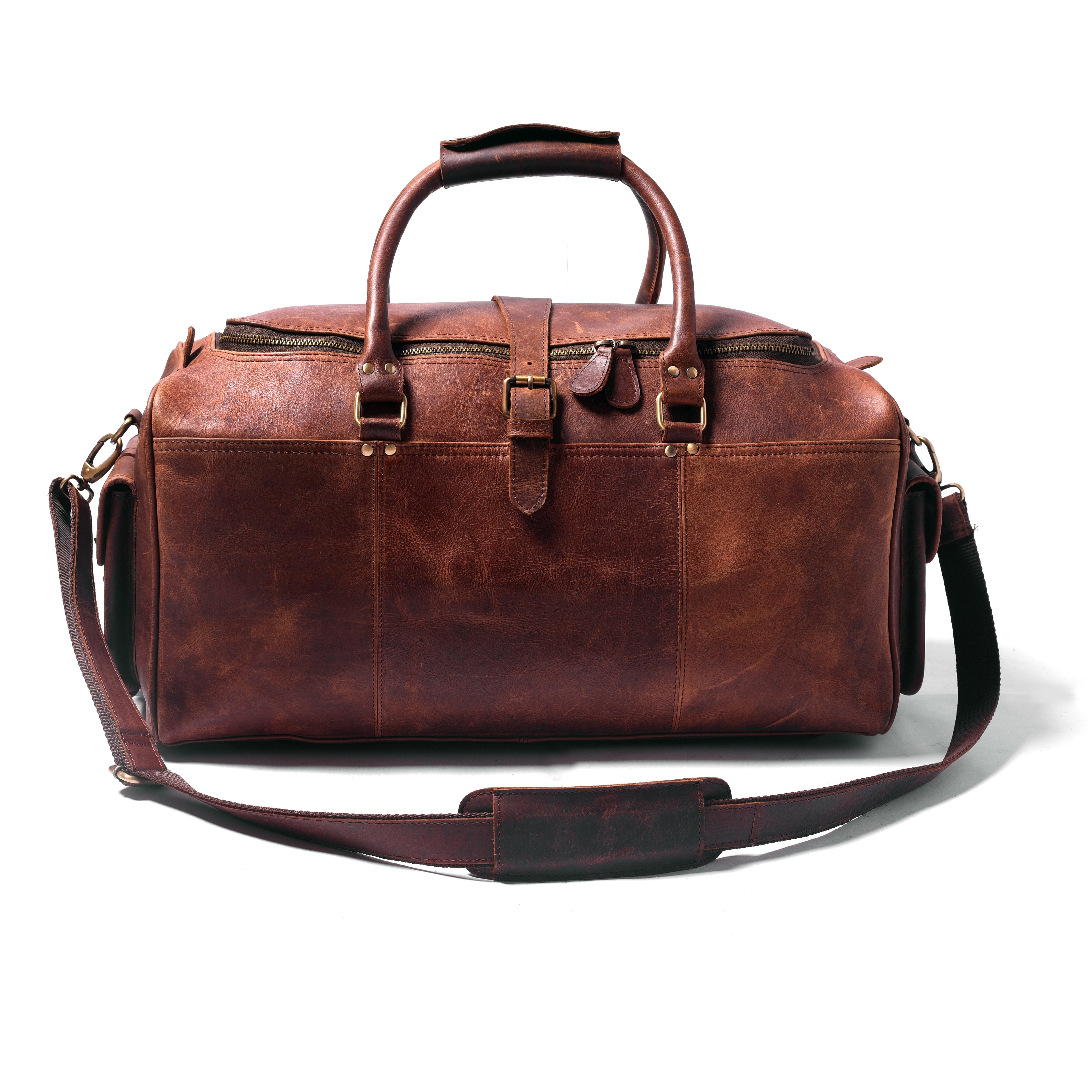
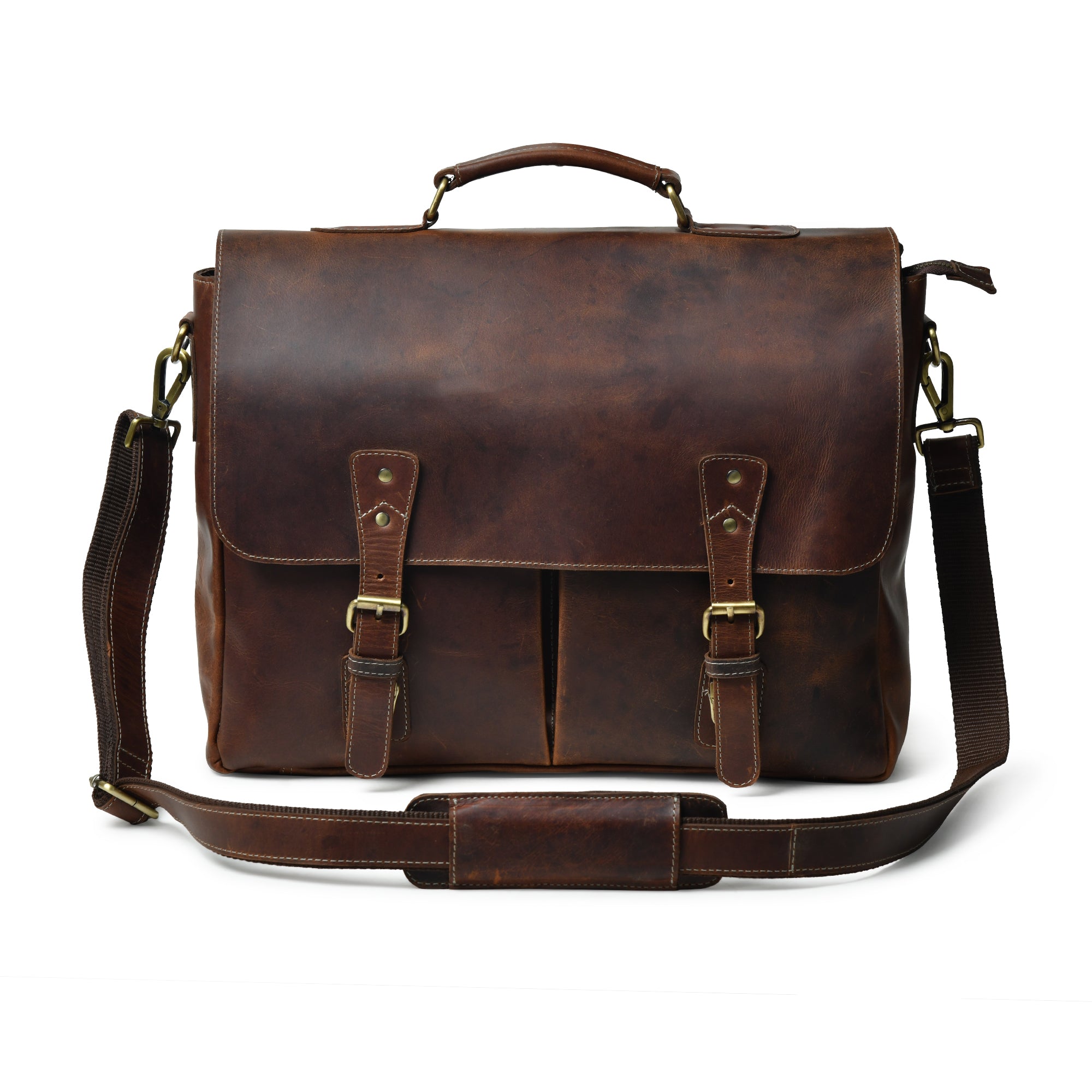
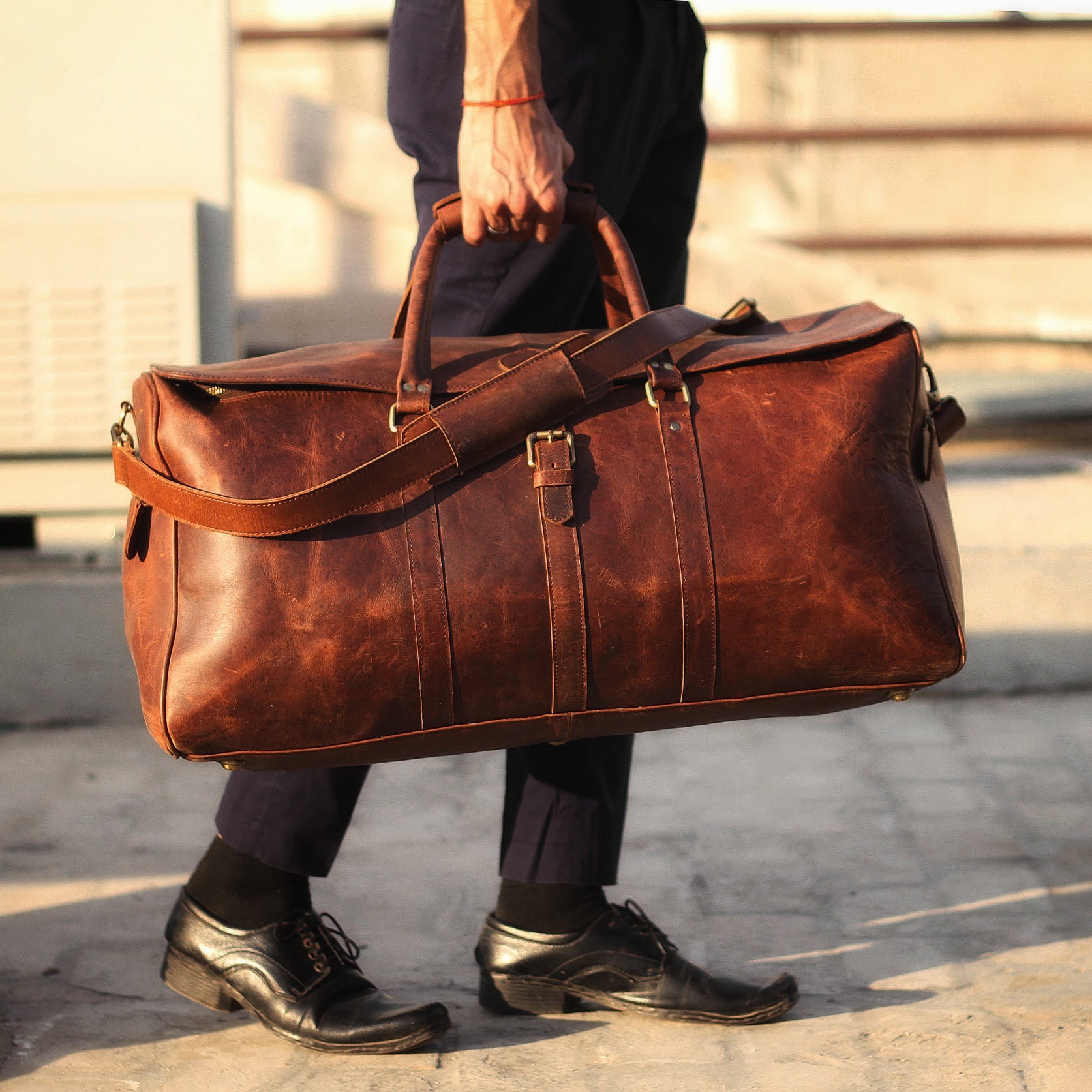
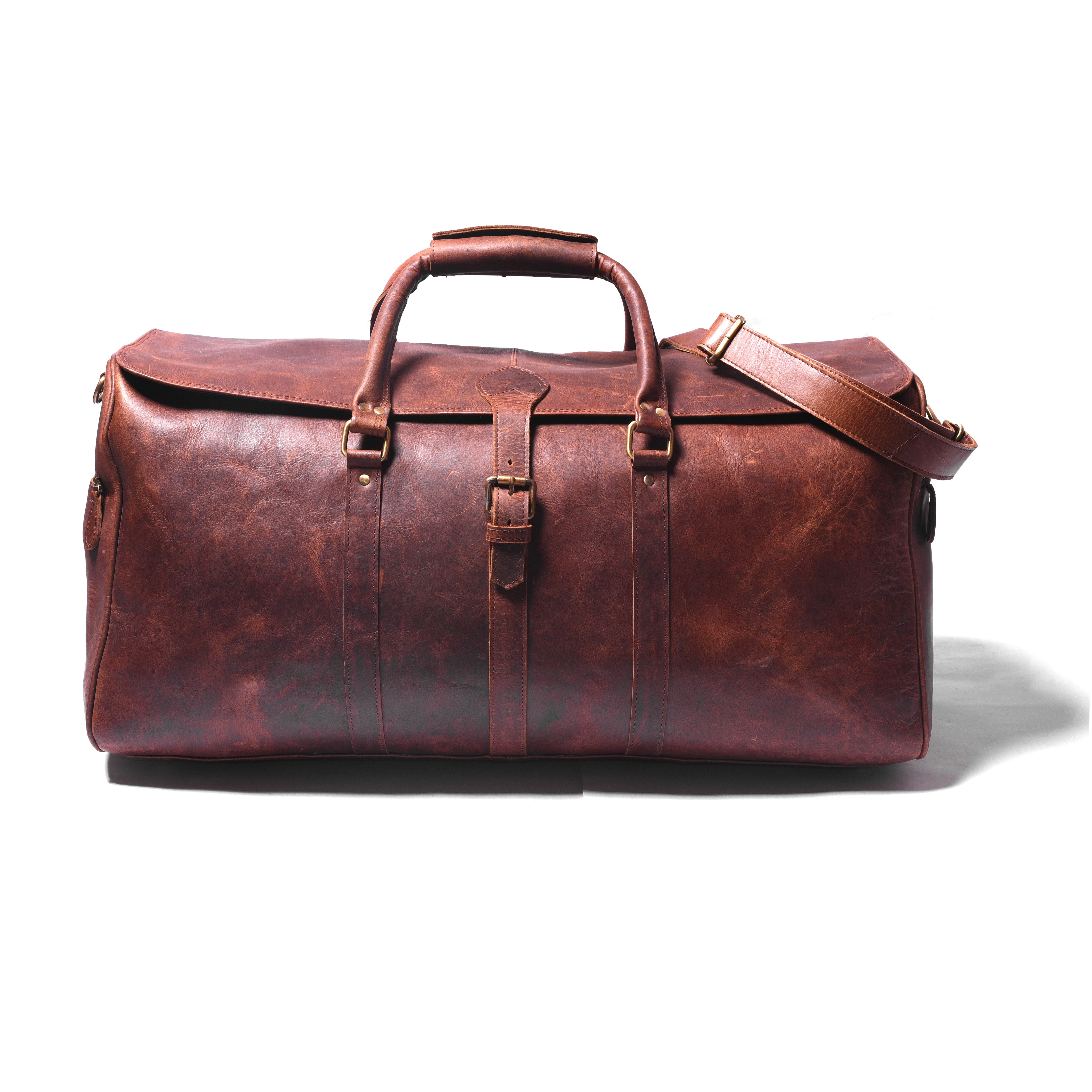
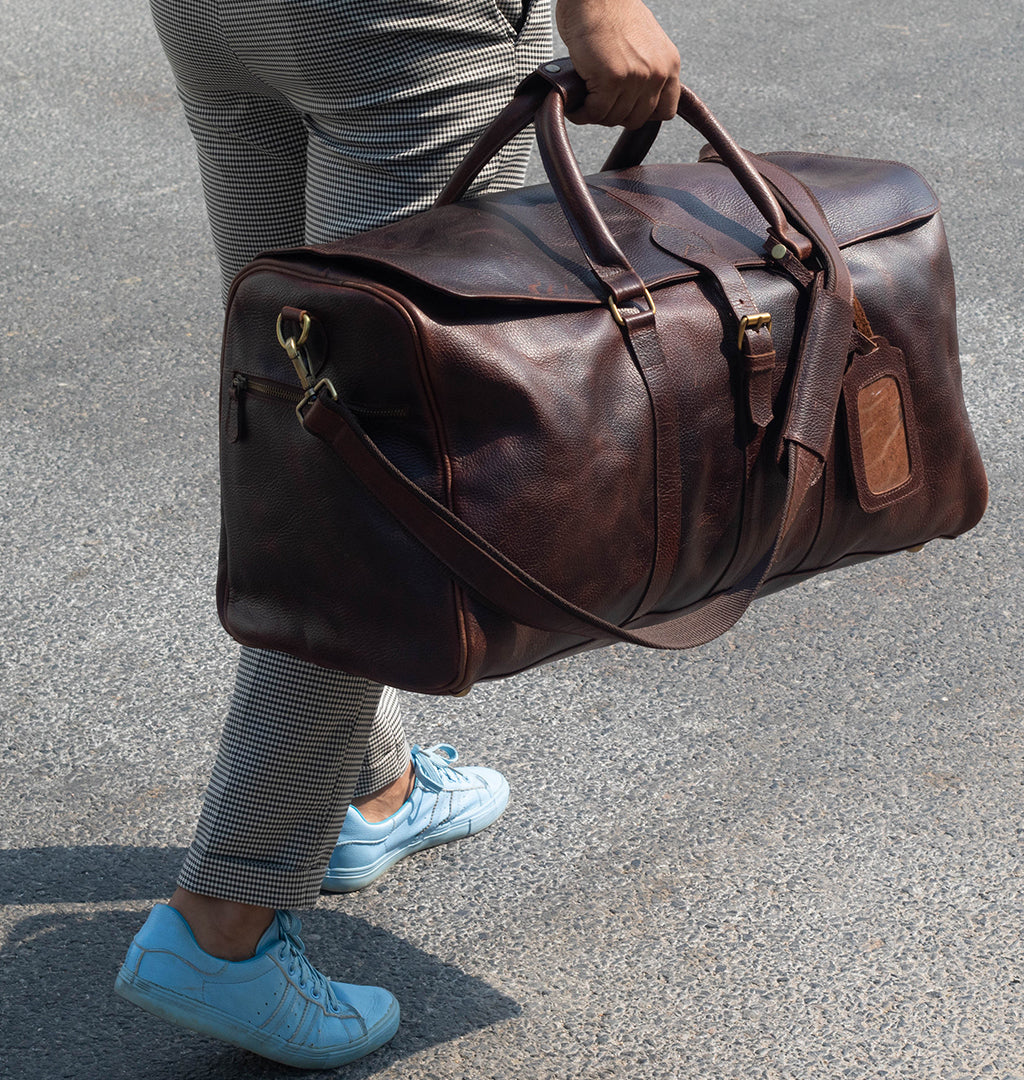
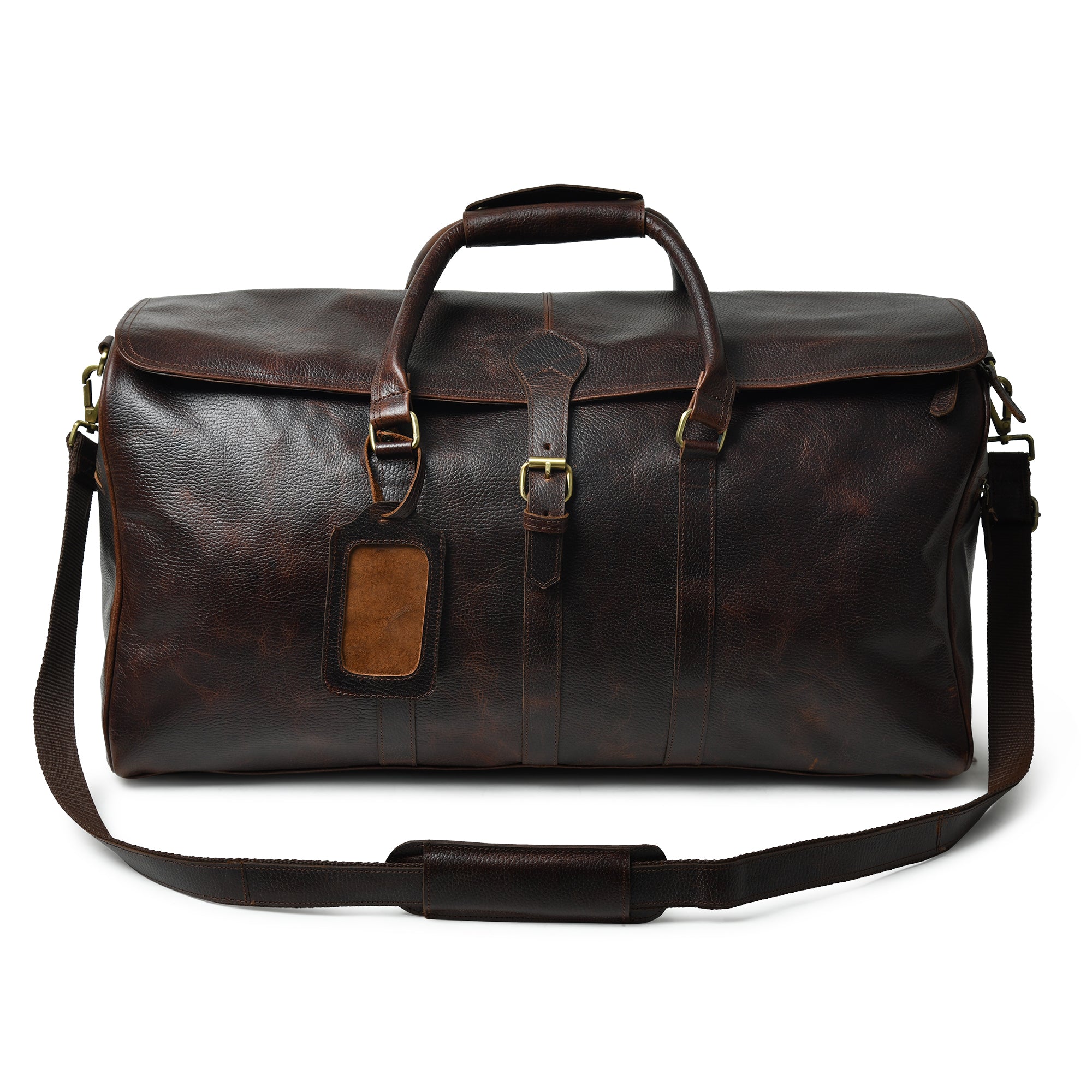
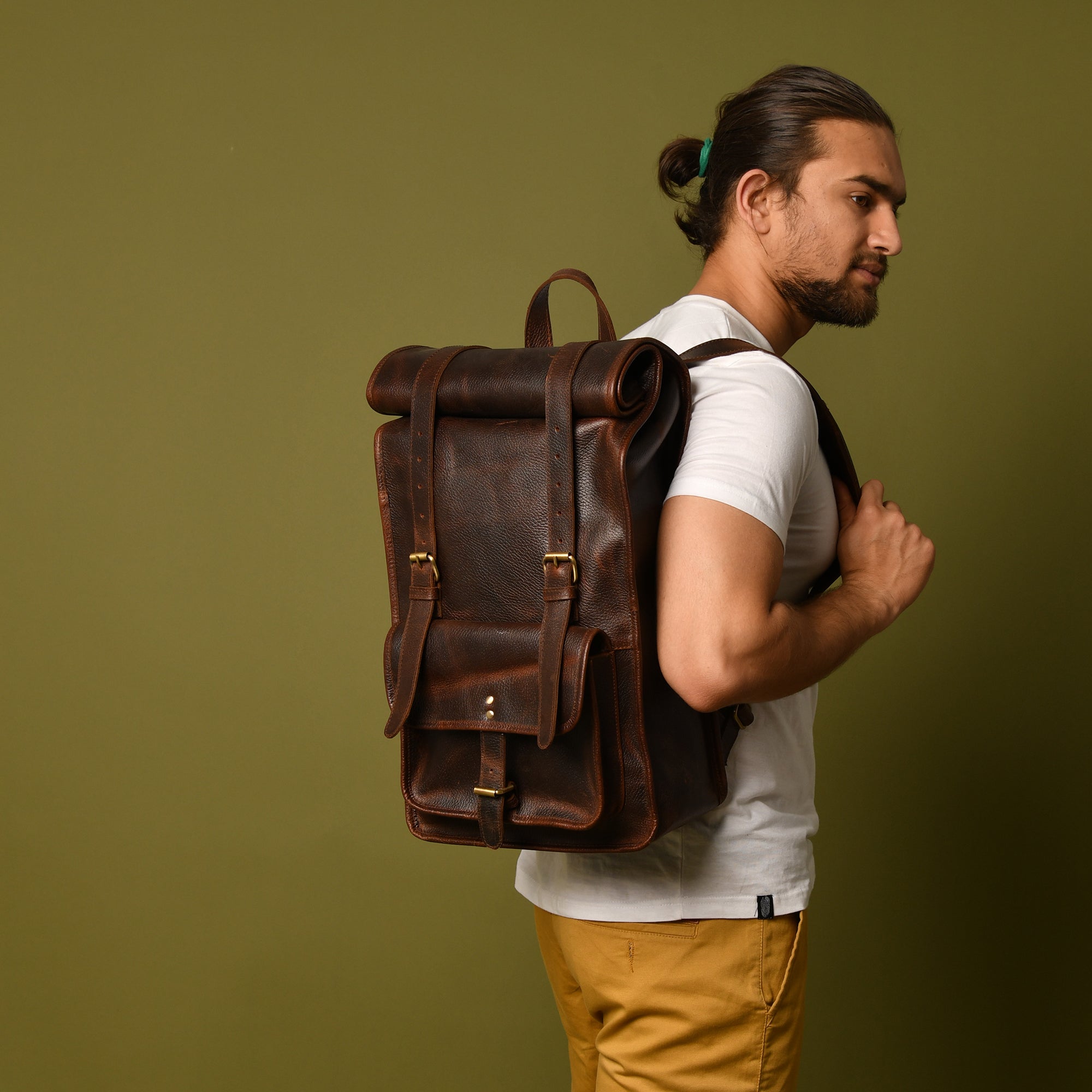
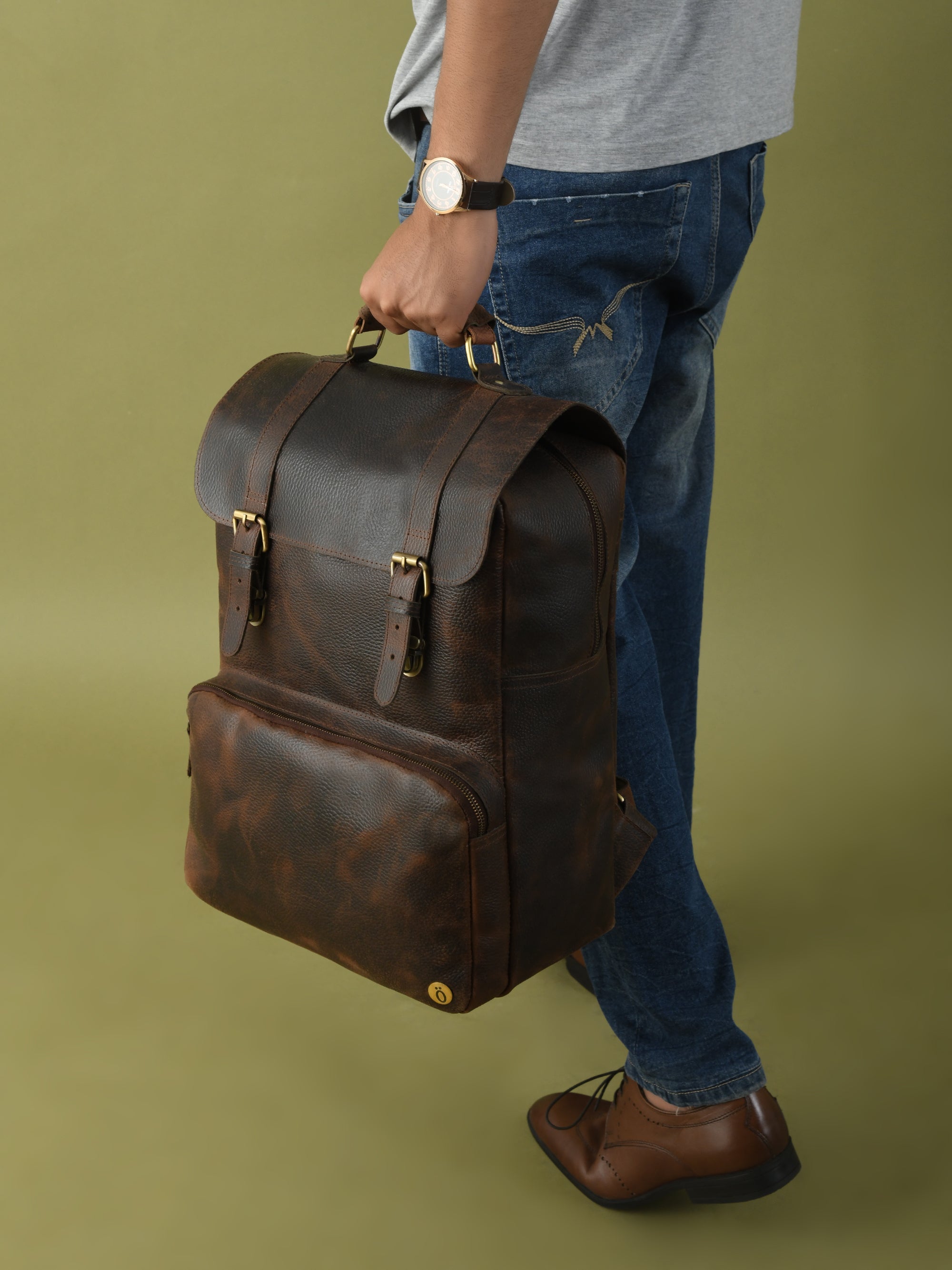
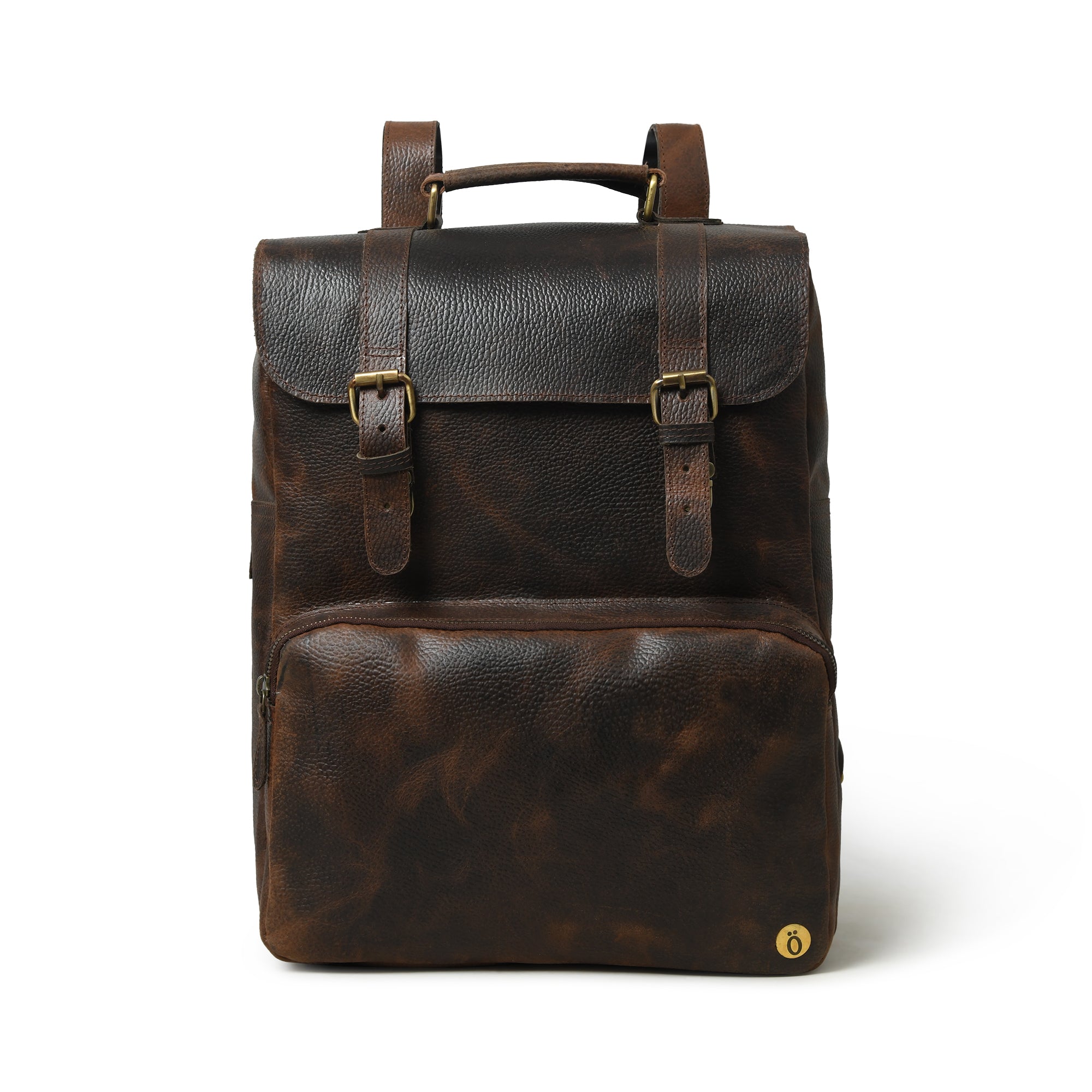
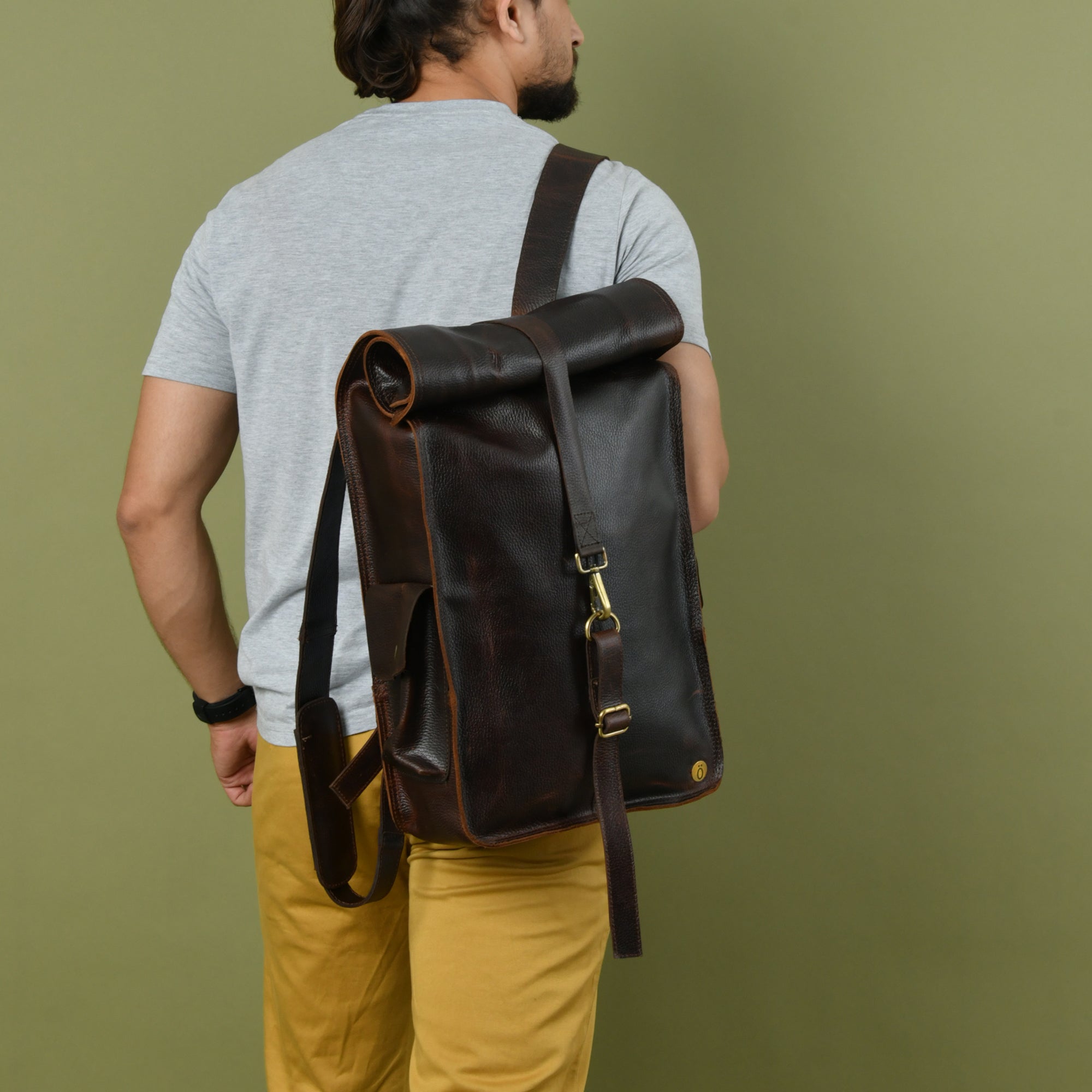
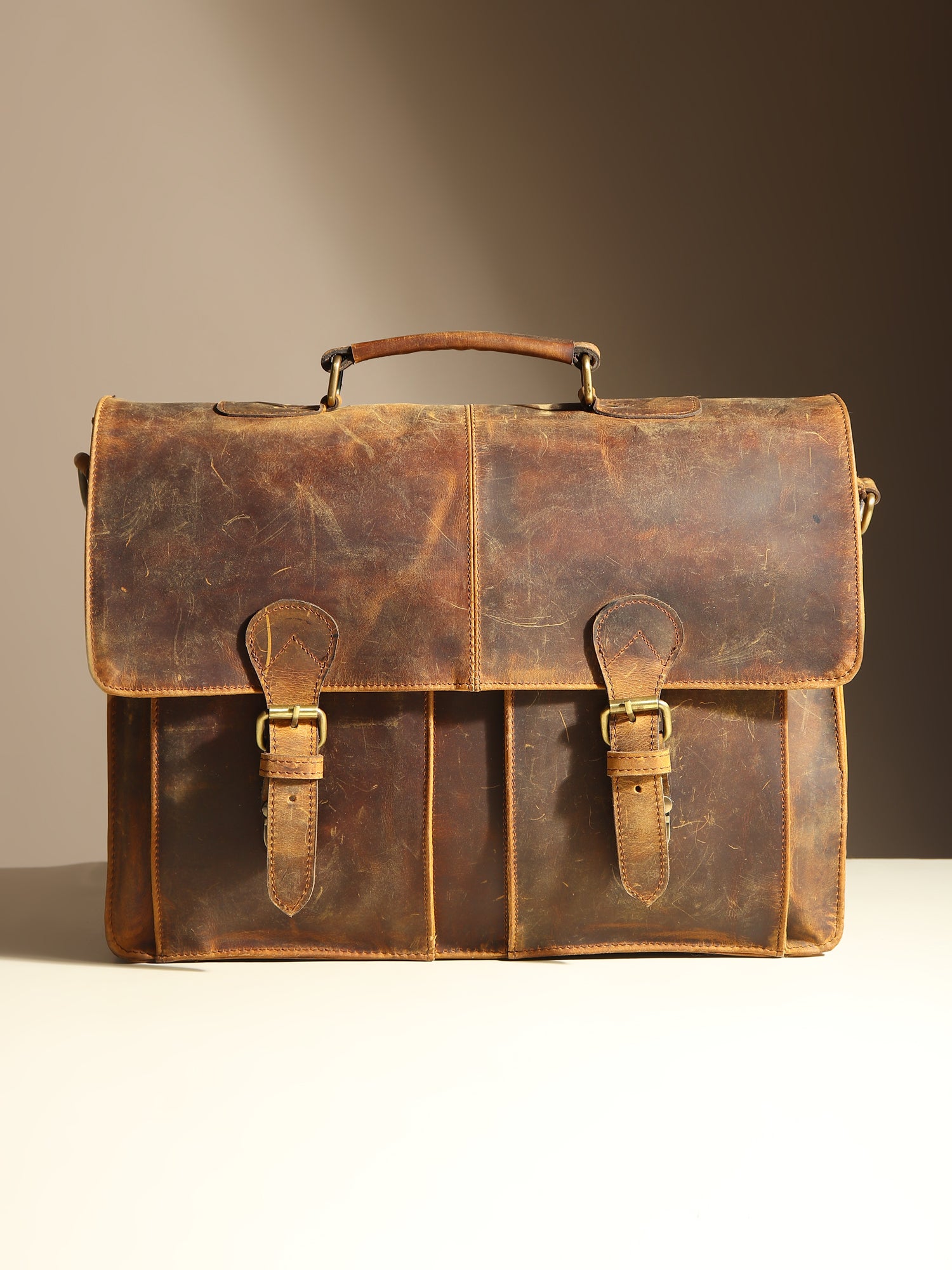
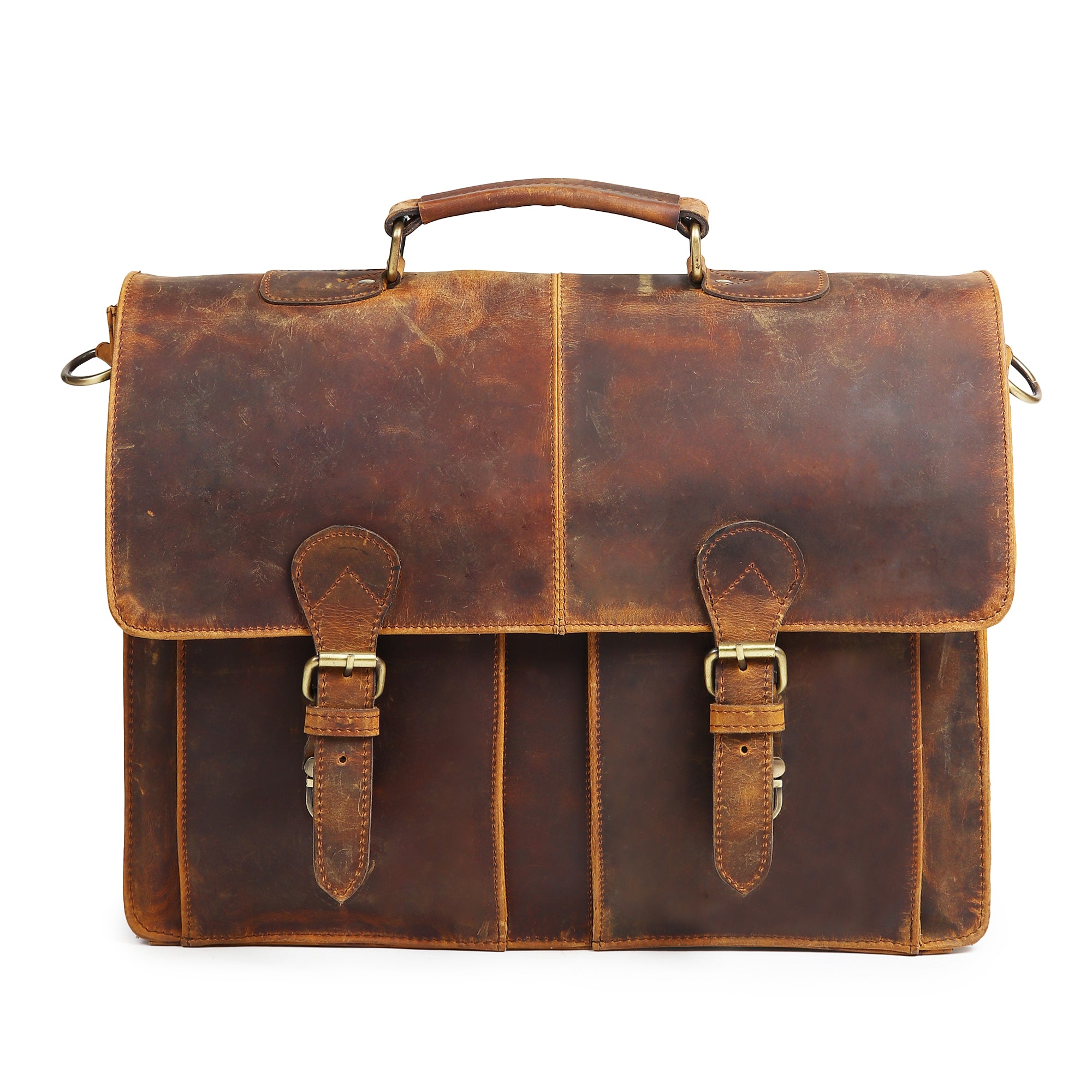
Patina is the natural darkening, softening, and sheen that leather develops over time from exposure to light, oils from handling, and everyday friction. It’s a chemical and physical change in the leather’s surface fibres and oils — not surface damage — and it’s considered a hallmark of genuine, high-quality leather rather than a sign of aging poorly.
If you’ve ever noticed an old leather wallet or a well-used leather holdall looking richer and more polished than it did when new, you’ve seen patina in action. Understanding how it forms — and why some leathers develop it while others don’t — changes how you think about “wear” entirely.
What’s Actually Happening to the Leather
Patina forms through three main mechanisms working together over months and years:
-
Oxidation. Natural oils in the leather react slowly with oxygen in the air, gradually darkening the surface — the same basic chemistry behind a cut apple browning, just far slower and more subtle.
-
UV exposure. Sunlight interacts with tannins in the leather, deepening colour, especially in vegetable-tanned leather, which is more reactive to light than chrome-tanned leather.
-
Absorption of oils and handling residue. Oils from your hands, along with dust and everyday friction, gradually work into the surface, smoothing texture and adding a subtle sheen at contact points like handles and corners.
None of this weakens the leather structurally. Patina is a surface-level transformation — the fibres underneath remain intact, which is why well-cared-for leather bags can look better after a decade than they did in year one.
Why Some Leathers Patina and Others Don’t
Not all leather ages the same way, and the difference comes down to how it was tanned and finished:
-
Vegetable-tanned, full-grain leather patinas the most dramatically, since its natural, unaltered surface reacts fully to oils and light.
-
Chrome-tanned leather patinas minimally, because the tanning process and finishing chemicals limit how much the surface reacts over time.
-
Corrected-grain or heavily pigmented leather shows very little patina, since the surface coating blocks direct contact between the natural leather and the elements that drive the process.
If a leather bag looks identical after five years of regular use, it’s likely finished with a heavy surface coating rather than left to age naturally — not necessarily a bad thing, just a different aesthetic choice.
How to Encourage Even, Attractive Patina
Patina develops on its own, but a few habits help it form evenly rather than in patchy, uneven blotches:
-
Use the bag regularly and evenly. Rotate how you carry it and where you set it down, so wear and light exposure aren’t concentrated on one side.
-
Avoid prolonged direct sunlight on one section. Leaving a bag in a shop window position or car dashboard for weeks can cause uneven fading rather than gradual, uniform darkening.
-
Condition lightly and occasionally. A small amount of leather conditioner every few months keeps the surface supple and supports even oxidation, without oversaturating it.
-
Handle it — don’t just store it. Patina is largely driven by contact. A bag that sits in a cupboard for months develops far less character than one used regularly.
What to Avoid
-
Excessive oiling, which can create dark, greasy patches instead of an even sheen
-
Harsh cleaning products, which strip the natural oils that patina depends on
-
Water exposure without proper drying, which can cause staining that looks like patina but is actually damage
Quick Answers
Is patina the same as damage or wear and tear? No. Patina is a natural surface change from oils, light, and handling that doesn’t compromise the leather’s structural integrity, while damage typically involves cracking, tearing, or discolouration from moisture or neglect.
Which type of leather develops the best patina? Full-grain, vegetable-tanned leather develops the richest and most noticeable patina, since its natural surface reacts fully to light, oils, and handling without a heavy protective coating.
How long does it take for leather to develop visible patina? Noticeable patina typically begins within 3–6 months of regular use, with the most dramatic development occurring over one to two years, depending on how often the bag is used and how it’s cared for.
The Bottom Line
Patina isn’t leather wearing out — it’s leather doing exactly what quality, minimally treated hides are supposed to do. The gradual darkening and sheen that develop with use are proof of genuine material and honest wear, and they’re a large part of why full-grain, vegetable-tanned bags are considered investment pieces rather than disposable accessories. Given time and reasonable care, that transformation is the leather’s story written into its surface.