

Chrome-Tanned vs Vegetable-Tanned Leather: What’s the Real Difference?
Chrome tanning uses chromium salts to process hides quickly, typically within a day, producing soft, colour-consistent leather at scale. Vegetable tanning uses natural tannins from tree bark and plant matter over several weeks, producing firmer leather that develops a rich patina and ages distinctively over time. Neither method determines leather “quality” on its own — they simply produce different materials suited to different uses.
Tanning is the process that turns a raw animal hide into usable leather, and it’s arguably the single biggest factor in how that leather will look, feel, and age — more so than the grade (full-grain vs top-grain) alone. Understanding which method was used tells you a lot about what to expect from a bag years down the line.
How Chrome Tanning Works
Chrome tanning was developed in the 19th century and remains the dominant method worldwide today, used in roughly 80–90% of leather production globally. Hides are treated with chromium sulphate salts in rotating drums, a process that takes around 24 hours compared to weeks for vegetable tanning.
Characteristics of chrome-tanned leather:
-
Soft and pliable almost immediately, with less break-in required
-
Highly consistent colour and finish across large production batches
-
More resistant to water and heat than vegetable-tanned leather
-
Lighter weight, generally
-
Develops less visible patina over time — colour stays closer to its original tone
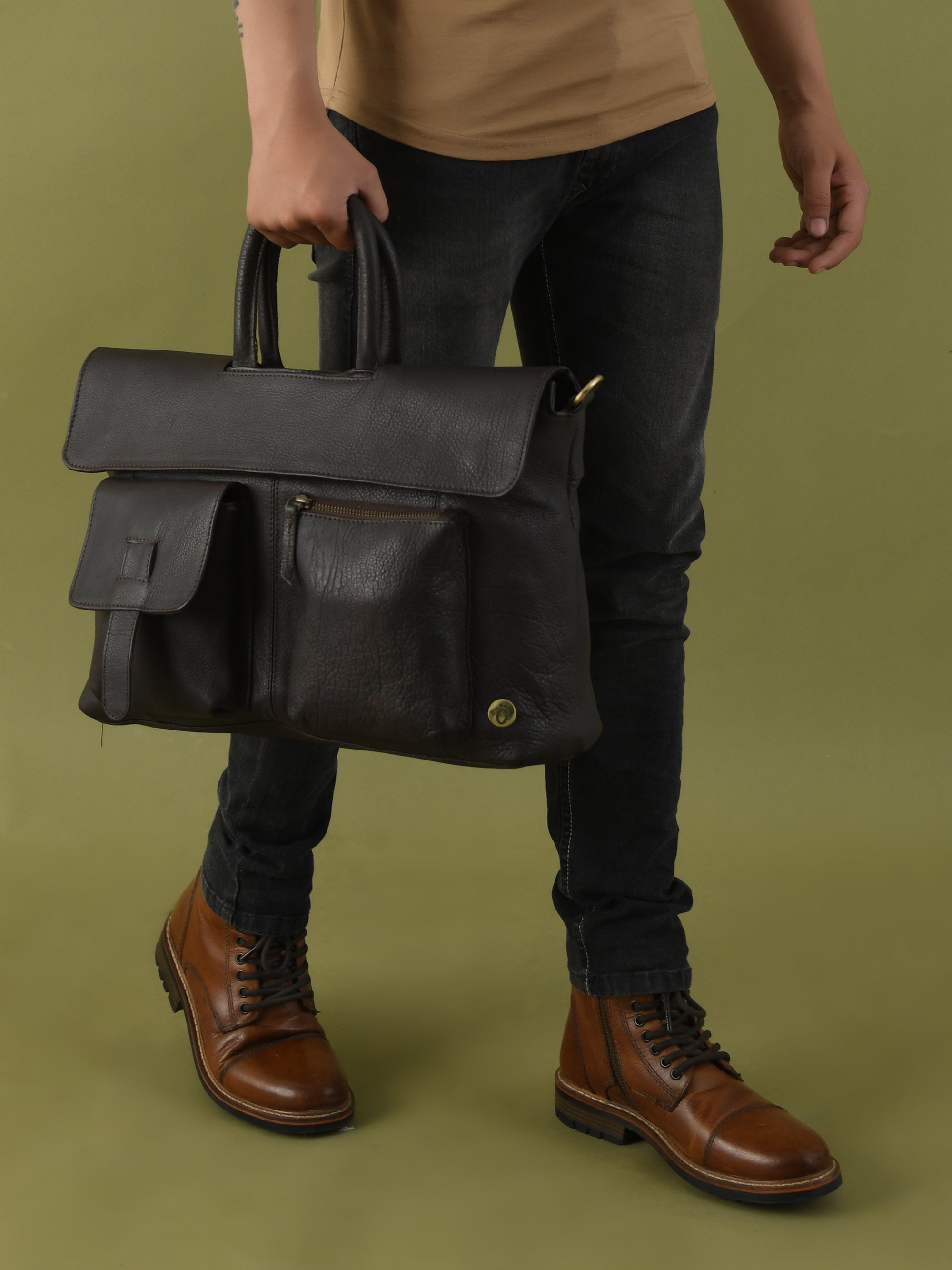
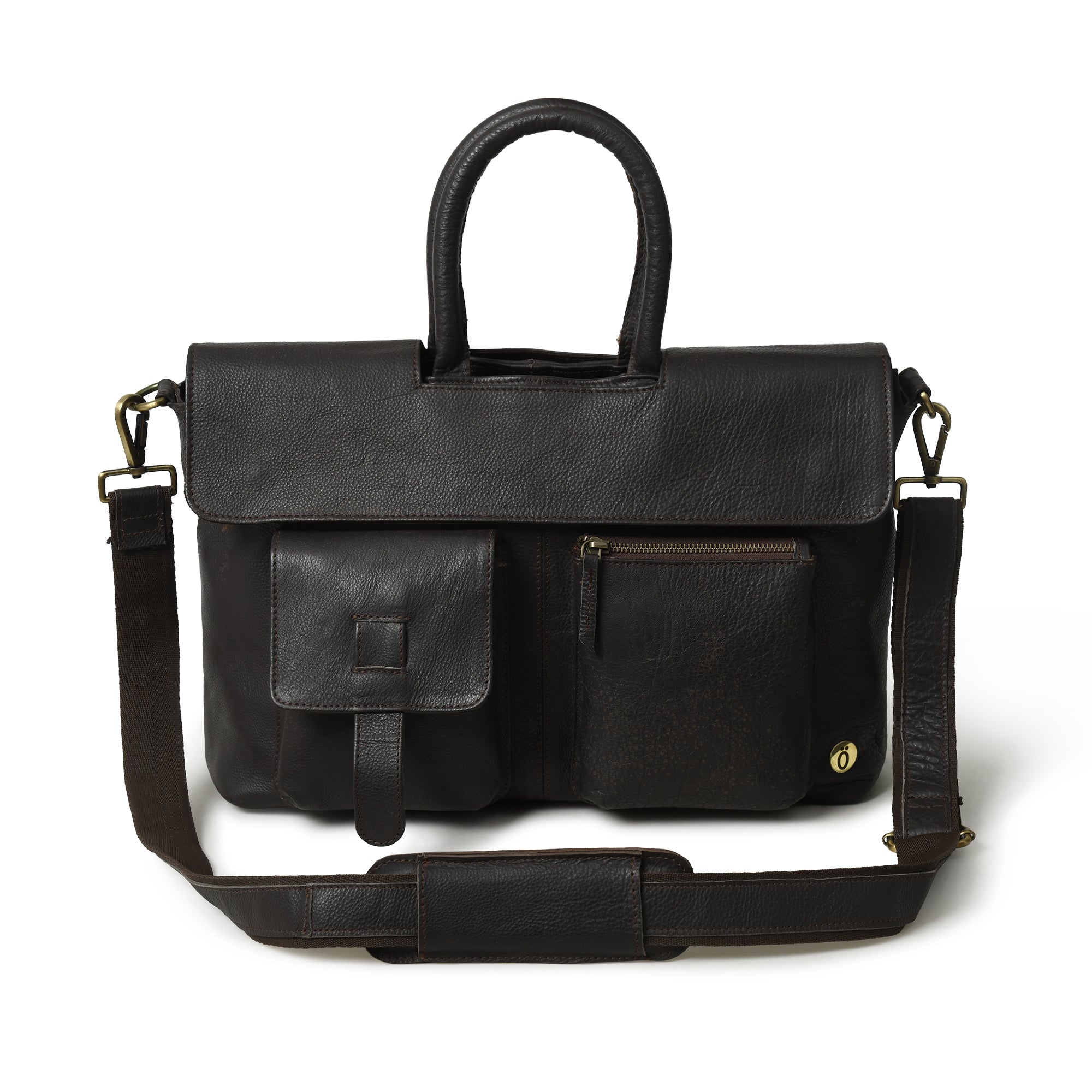
Chrome tanning is well suited to bags that need consistent colour matching across a product line, or softer leathers used for linings and lightweight accessories.
How Vegetable Tanning Works
Vegetable tanning uses tannins extracted from tree bark, leaves, and other plant matter, and the process is considerably slower — often four to eight weeks per hide, sometimes longer for thicker leathers.
Characteristics of vegetable-tanned leather:
-
Firmer and more structured, which is why it’s favoured for full grain leather bags meant to hold their shape without added stiffeners
-
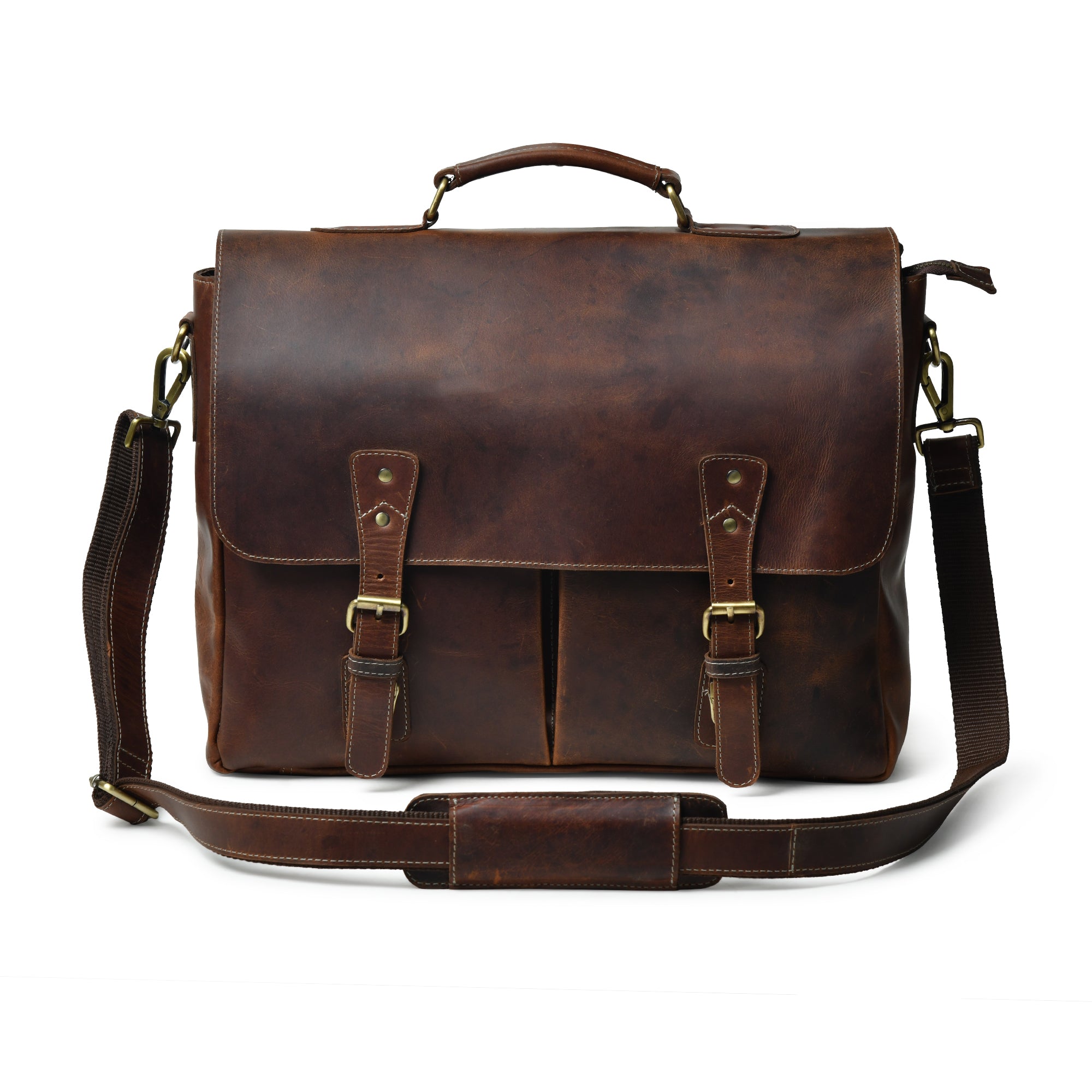
Develops a rich, deepening patina with age, sunlight, and handling
-
Naturally warmer, earthier tones straight from tanning, before dyeing
-
More biodegradable, since it avoids heavy-metal tanning agents
-
Generally more expensive due to the longer, more labour-intensive process
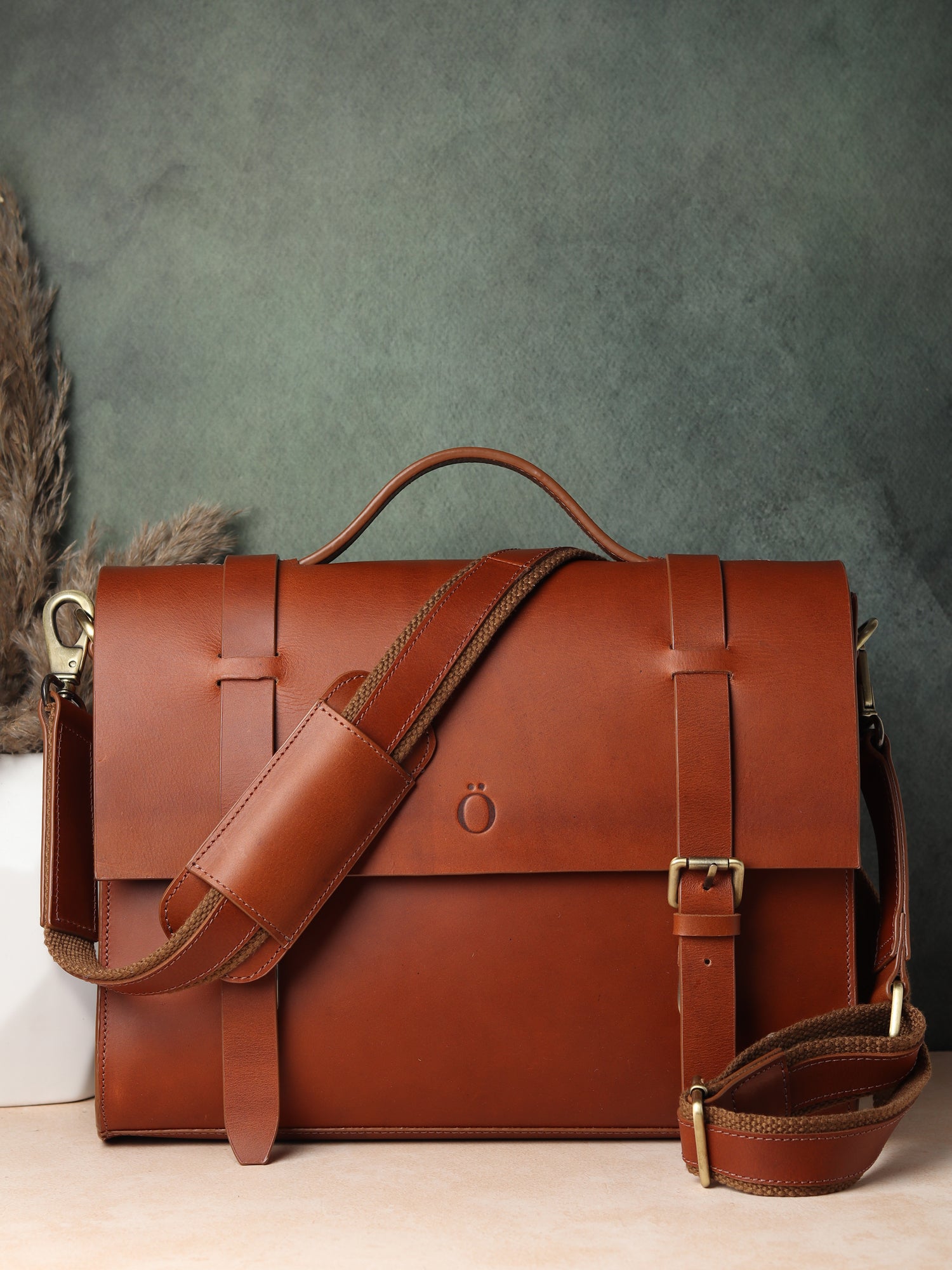
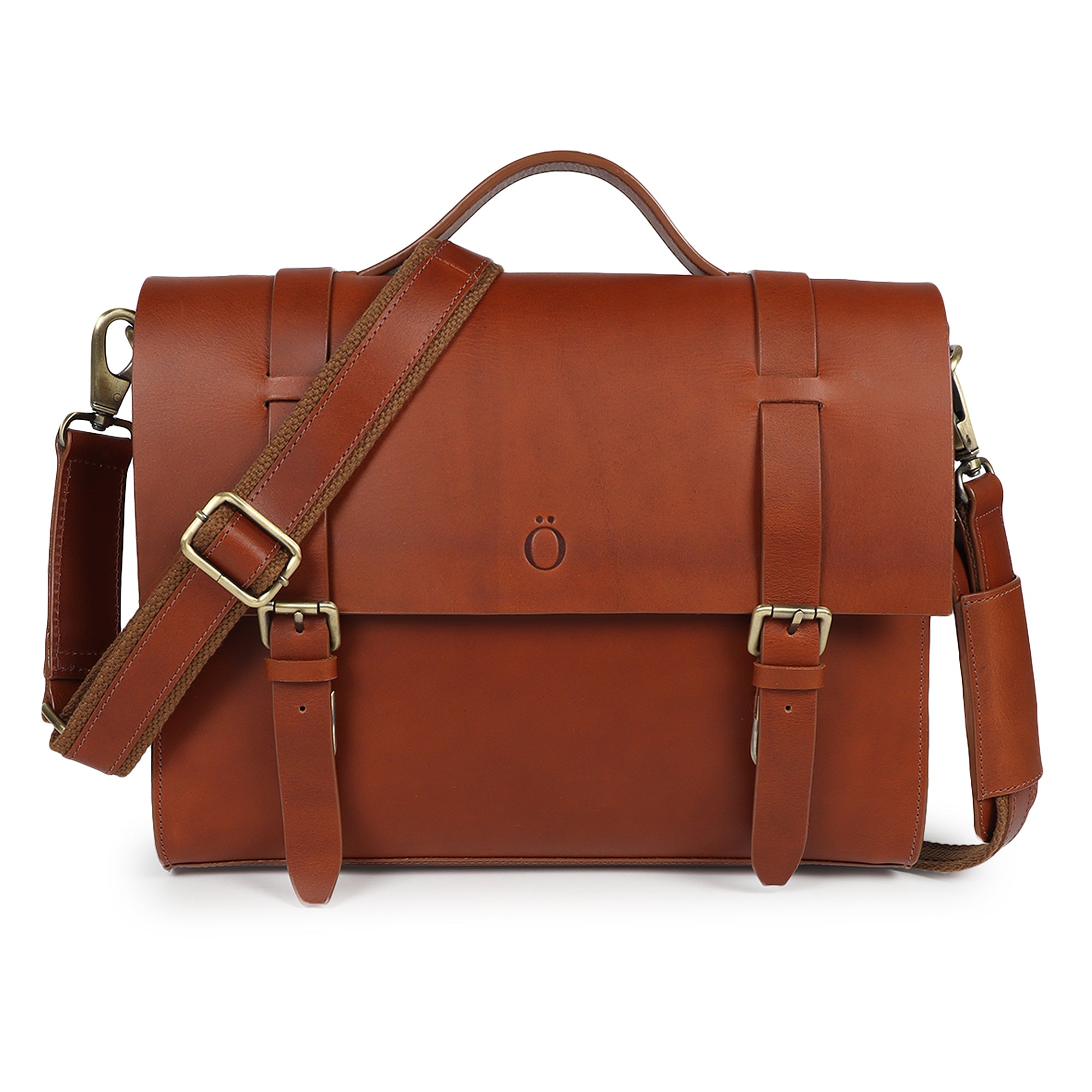
Vegetable-tanned leather is the traditional choice for structured goods — briefcases, duffles, belts — precisely because its firmness holds a shape that softer chrome-tanned leather can’t replicate without internal reinforcement.
Side-by-Side Comparison
|
Factor |
Chrome-Tanned |
Vegetable-Tanned |
|---|---|---|
|
Tanning time |
~1 day |
4–8+ weeks |
|
Texture |
Soft, pliable |
Firm, structured |
|
Patina development |
Minimal |
Rich and progressive |
|
Water resistance |
Higher |
Lower (needs conditioning) |
|
Colour consistency |
Very high |
More natural variation |
|
Typical use |
Linings, softer accessories, mass production |
Structured bags, belts, heritage goods |
|
Environmental profile |
Uses heavy-metal salts |
More biodegradable |
Which Should You Look For in a Bag?
If you’re buying a structured piece — a duffle, briefcase, or tote meant to hold its shape and develop character over years — vegetable-tanned leather is usually the better long-term choice. It’s a slower, more deliberate process, but the resulting material rewards patience with genuine aging rather than staying static.
If you’re choosing a softer everyday item, or one where colour consistency across a range matters more than patina, chrome-tanned leather is a perfectly sound and often more affordable option — it isn’t a lesser material, just a different one built for a different outcome.
A Note on Labelling
Very few brands specify tanning method on product pages, even though it affects durability and aging more than most other stated details. If it isn’t listed, it’s a reasonable question to ask directly — a brand that knows its supply chain should be able to answer without hesitation.
Quick Answers
Is vegetable-tanned leather always better than chrome-tanned? Not universally — vegetable-tanned is generally preferred for structured, long-term investment pieces due to its patina and firmness, while chrome-tanned suits softer goods needing consistent colour and faster production.
Does chrome-tanned leather last as long as vegetable-tanned? Chrome-tanned leather can be very durable and is actually more water-resistant, but it typically won’t develop the same rich patina, and vegetable-tanned leather is often considered more durable for heavy structural use.
How can I tell which tanning method was used on a bag? It’s difficult to tell visually with certainty — vegetable-tanned leather often (but not always) shows warmer, more natural tones and firmer structure. The most reliable way is to ask the manufacturer directly.
The Bottom Line
Tanning method shapes a leather bag’s character as much as the grade of hide used. Chrome tanning delivers speed, softness, and consistency; vegetable tanning delivers structure, character, and a patina that improves with age. Knowing which one sits behind your bag helps set the right expectations for how it will look and feel five years from now.