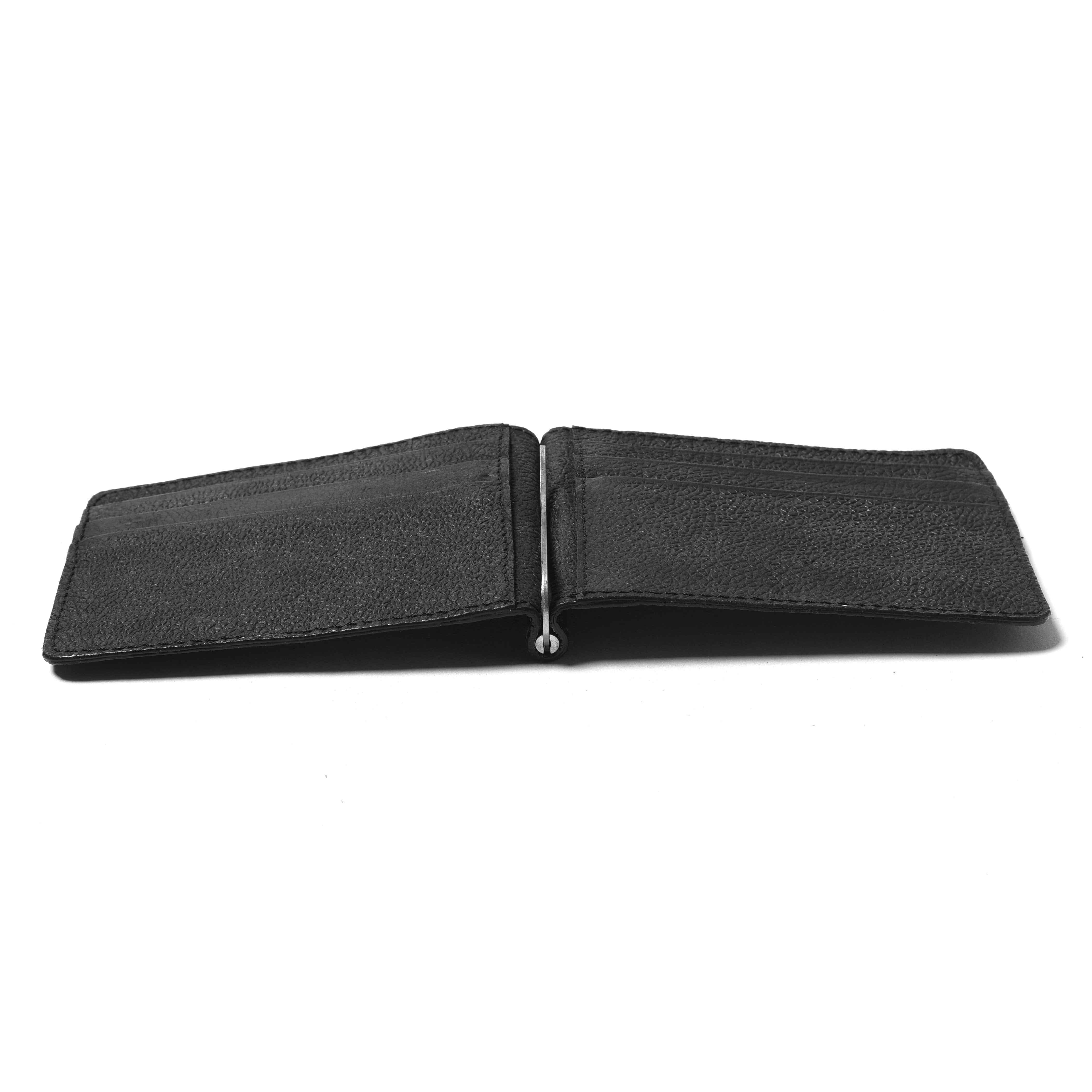


RFID-Blocking Leather Wallets: Do You Actually Need One?
RFID-Blocking Leather Wallets: Do You Actually Need One?
RFID-blocking wallets use a layer of conductive material — usually a thin metallic mesh — built into the leather to block the radio signals that contactless cards and passports emit, preventing them from being scanned without physical contact. Whether you need one depends mainly on how many contactless cards you carry and how much risk you’re comfortable accepting, since documented cases of RFID theft remain rare but not impossible.
Among leather accessories, wallets face some of the most everyday handling and the most direct exposure to a genuine (if often overstated) modern risk: contactless skimming. Here’s a clear-eyed look at what RFID blocking actually does, and whether it’s worth prioritising in your next wallet.
What Is RFID, and Why Does It Matter for Wallets?
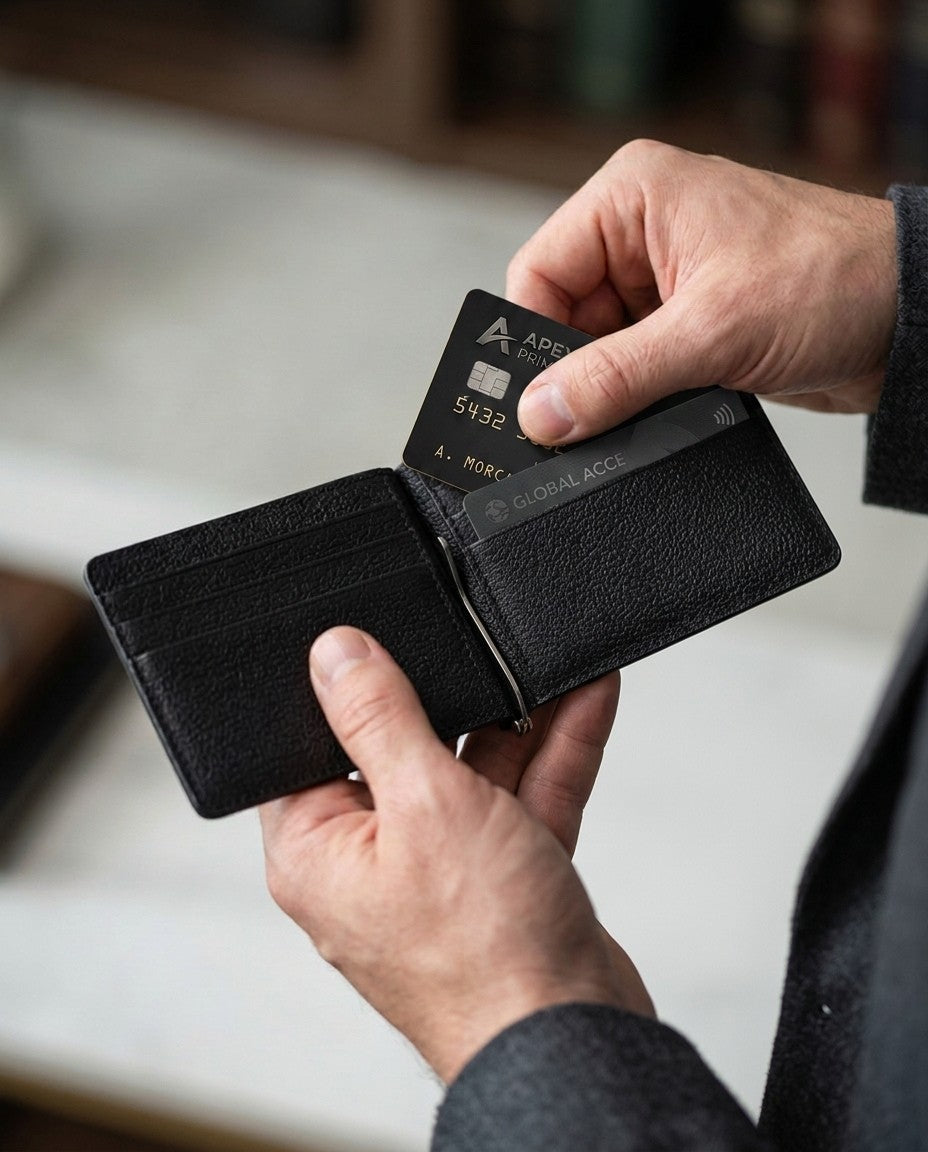
RFID (Radio-Frequency Identification) is the technology behind contactless payment cards, some passports, and building access cards. These cards contain a small chip and antenna that transmit data when a compatible reader comes within a few centimetres — the same technology that lets you tap to pay without inserting your card.
In theory, a criminal with a portable RFID reader could walk close enough to your wallet in a crowded space and capture card data without you noticing. This is sometimes called “contactless skimming.”
How Real Is the Risk?
This is the part most marketing around RFID-blocking products skips over. In practice:
-
Most contactless cards limit the data transmitted to what’s needed for payment, not full card details, and many require additional authentication for a transaction to complete.
-
Actual RFID skimming requires specialised equipment and very close proximity — typically within a few centimetres — making it a far less practical crime than say, card-skimming at compromised payment terminals.
-
Documented, verified cases of RFID wallet theft are notably rare compared to other forms of card fraud, such as phishing or point-of-sale skimming devices.
None of this means the risk is zero — new attack methods do emerge, and some transport and access cards carry less protection than modern bank cards. But for most people, RFID skimming is a smaller practical risk than losing a wallet outright or falling for a phishing scam.
When RFID Blocking Is Genuinely Worth It
RFID protection makes more practical sense if you:
-
Carry a passport with an embedded RFID chip and travel frequently
-
Use contactless transit or office access cards with weaker built-in security than bank cards
-
Regularly spend time in very crowded environments (major transit hubs, large events) where proximity-based scanning is more physically feasible
-
Simply prefer to eliminate a low-probability risk at no real cost to function or style
When It Matters Less
If your wallet only holds standard modern bank cards with strong built-in encryption, and you’re not a frequent international traveller, RFID blocking is more of a reasonable precaution than a necessity — comparable to locking a door in a low-crime area. It doesn’t hurt to have it, but its absence isn’t a significant vulnerability either.
Does RFID Blocking Affect a Wallet’s Quality or Feel?
A well-made RFID-blocking wallet shouldn’t compromise on leather quality or craftsmanship — the blocking layer is a thin lining inserted during construction, invisible from the outside and unnoticeable in daily handling. If a wallet feels noticeably bulkier or stiffer specifically because of RFID lining, that’s usually a sign of a cheaper, poorly integrated blocking material rather than a necessary trade-off.
Quick Answers
Do I need an RFID-blocking wallet if I only use standard bank cards? Not strictly. Modern bank cards have reasonably strong built-in protections, and documented RFID theft cases remain rare, so a standard wallet is generally sufficient unless you want extra peace of mind.
Does RFID blocking work on passports as well as cards? Yes, RFID-blocking materials work on any chip using the same radio-frequency technology, including e-passports, provided the wallet or holder fully encloses the document.
Can RFID-blocking material wear out over time? Quality RFID-blocking layers are durable and typically last the lifetime of the wallet, though very cheap or poorly constructed blocking materials can degrade faster with heavy folding or wear.
The Bottom Line
RFID-blocking wallets solve a real but statistically small risk, and for most people the decision comes down to peace of mind rather than necessity. If you travel often, carry transit or access cards with weaker security, or simply want one less thing to think about, it’s a sensible feature to look for — just don’t expect it to be the deciding factor in an otherwise well-made leather wallet.