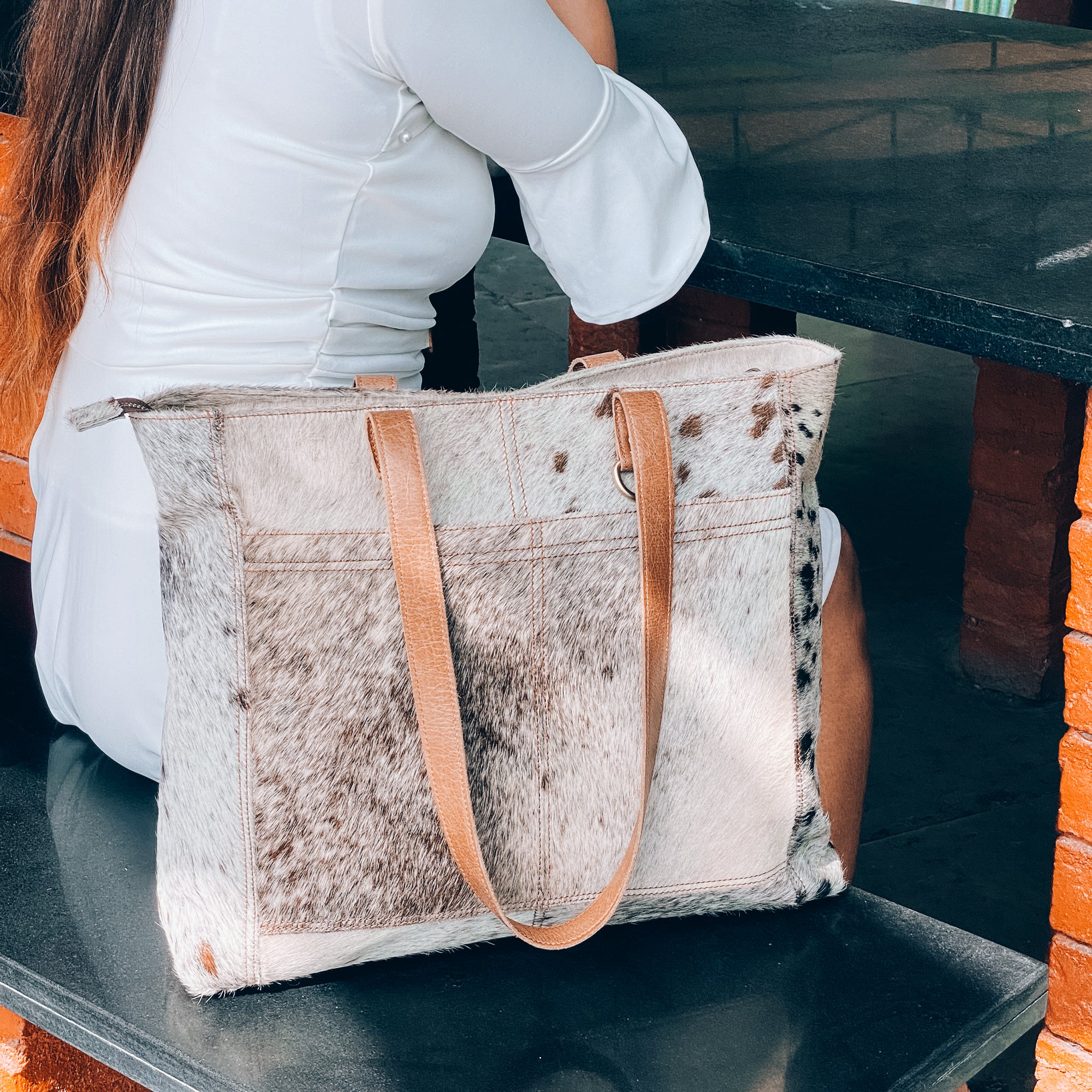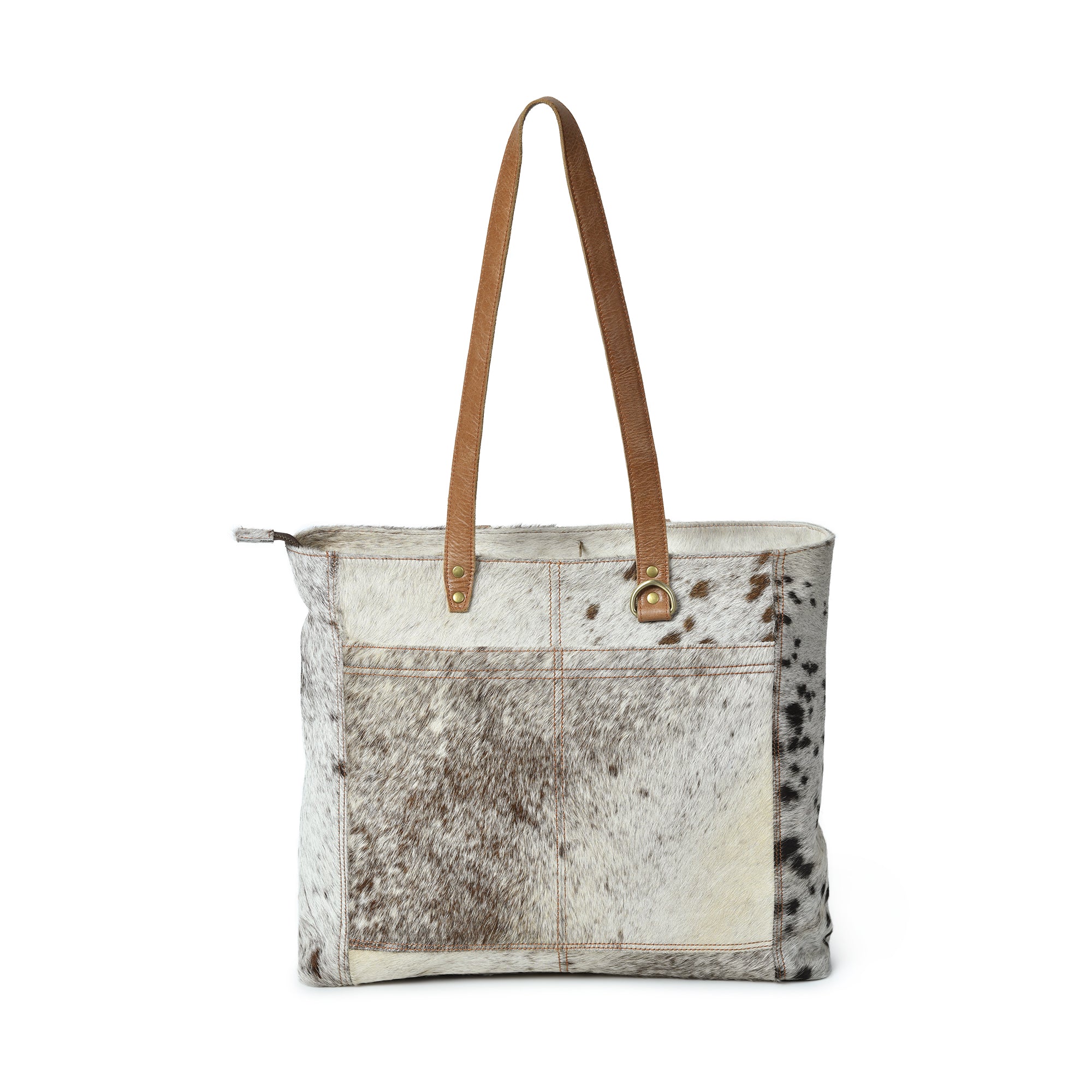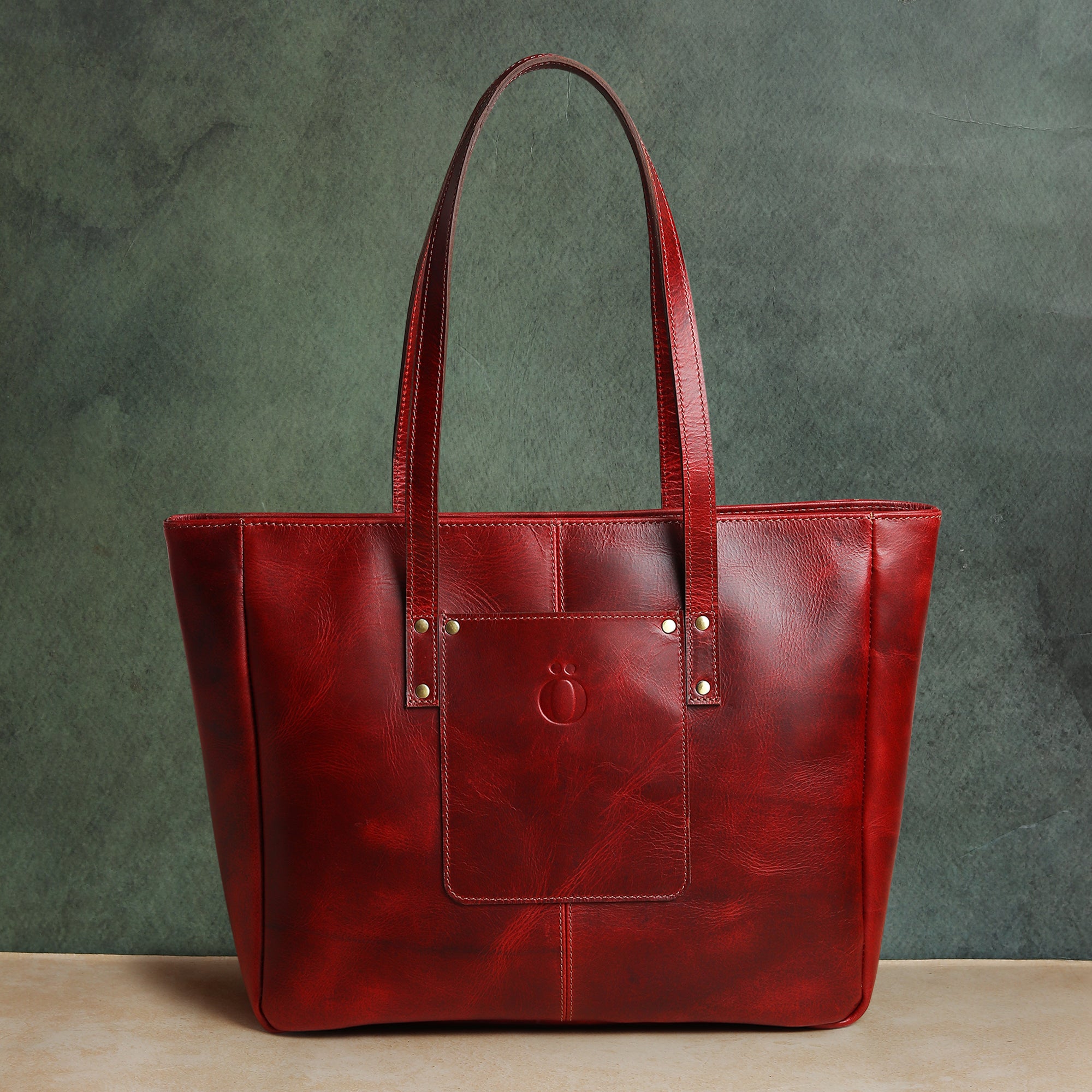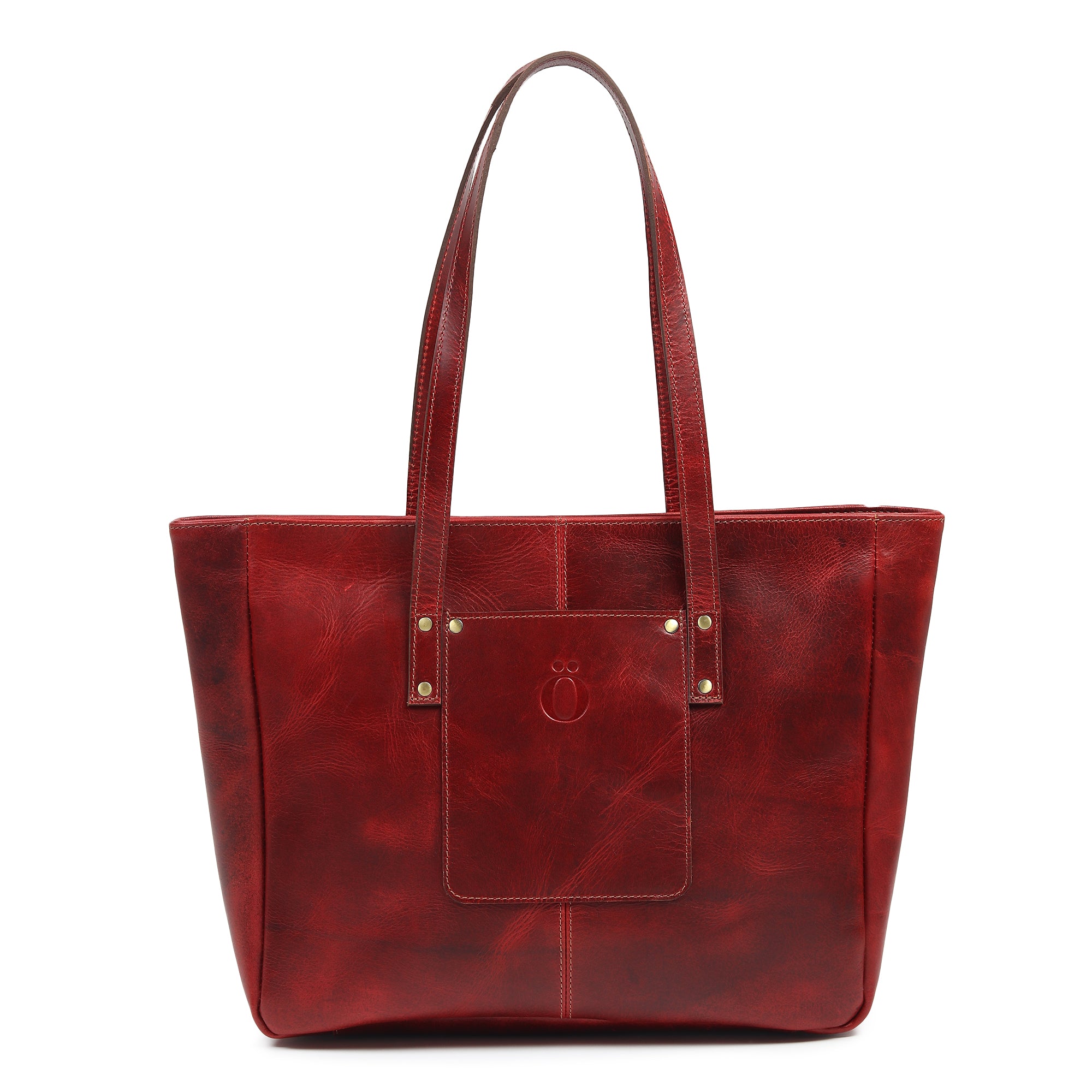


Why Premium Leather Bags Last Longer Than Fast Fashion Bags
Quick Answer
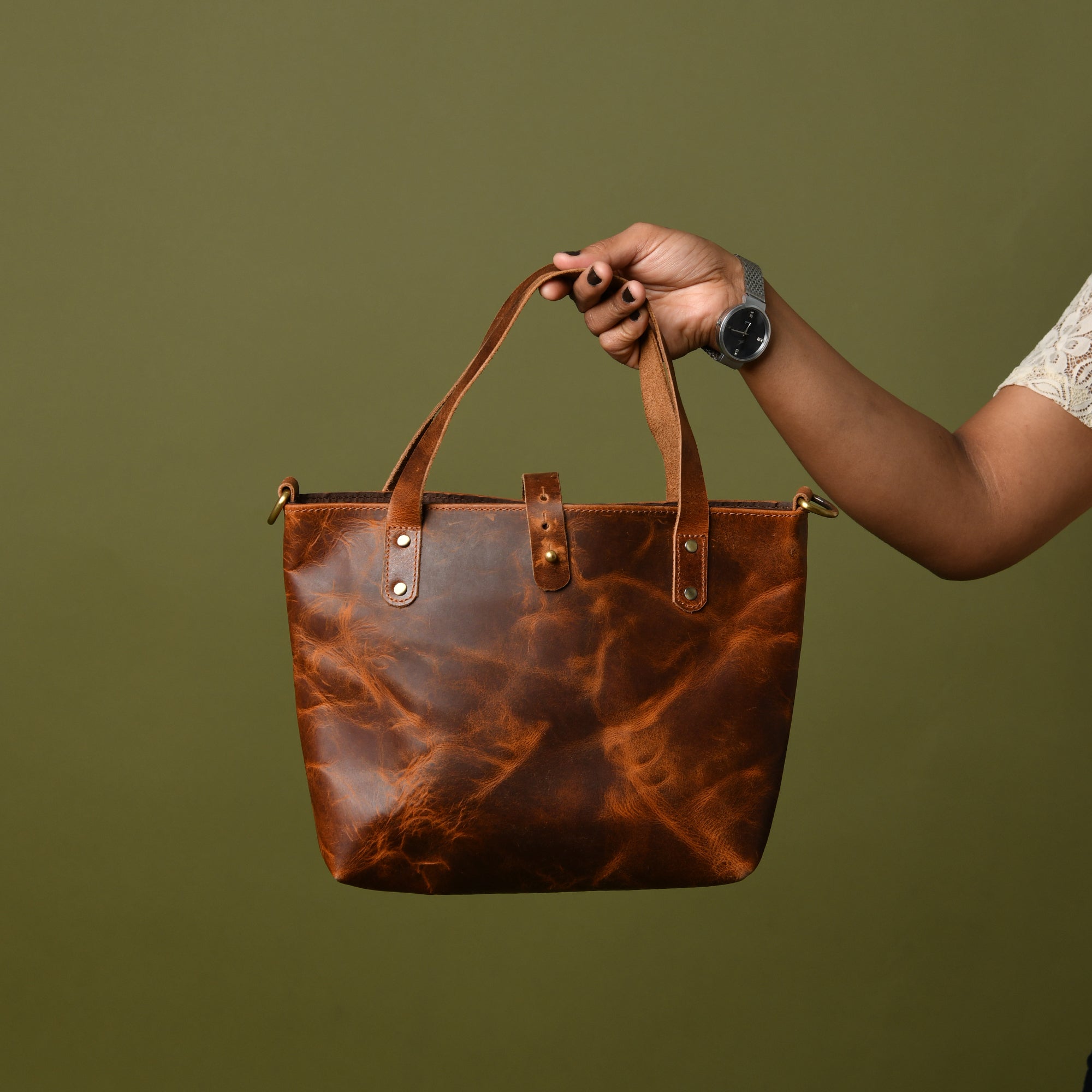
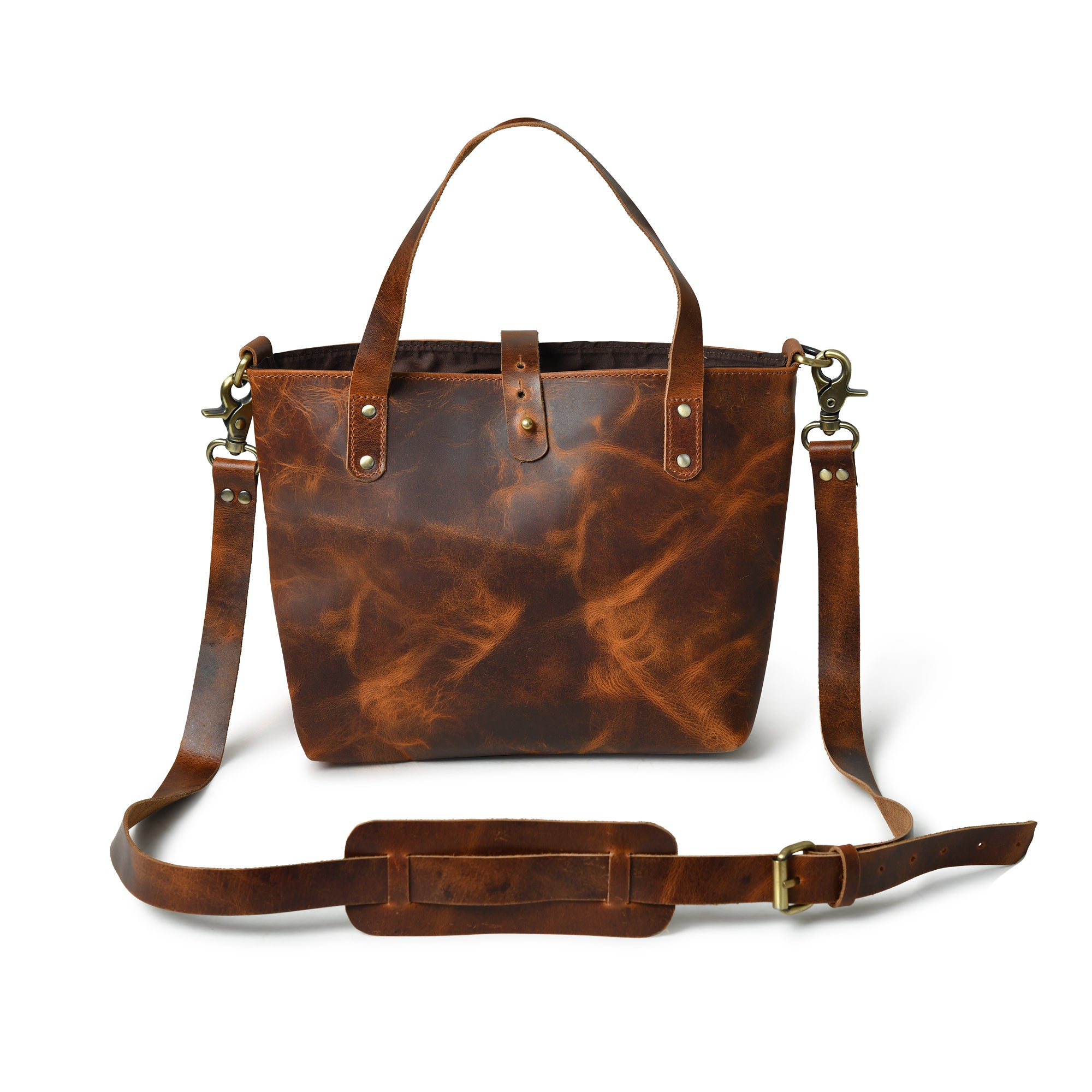
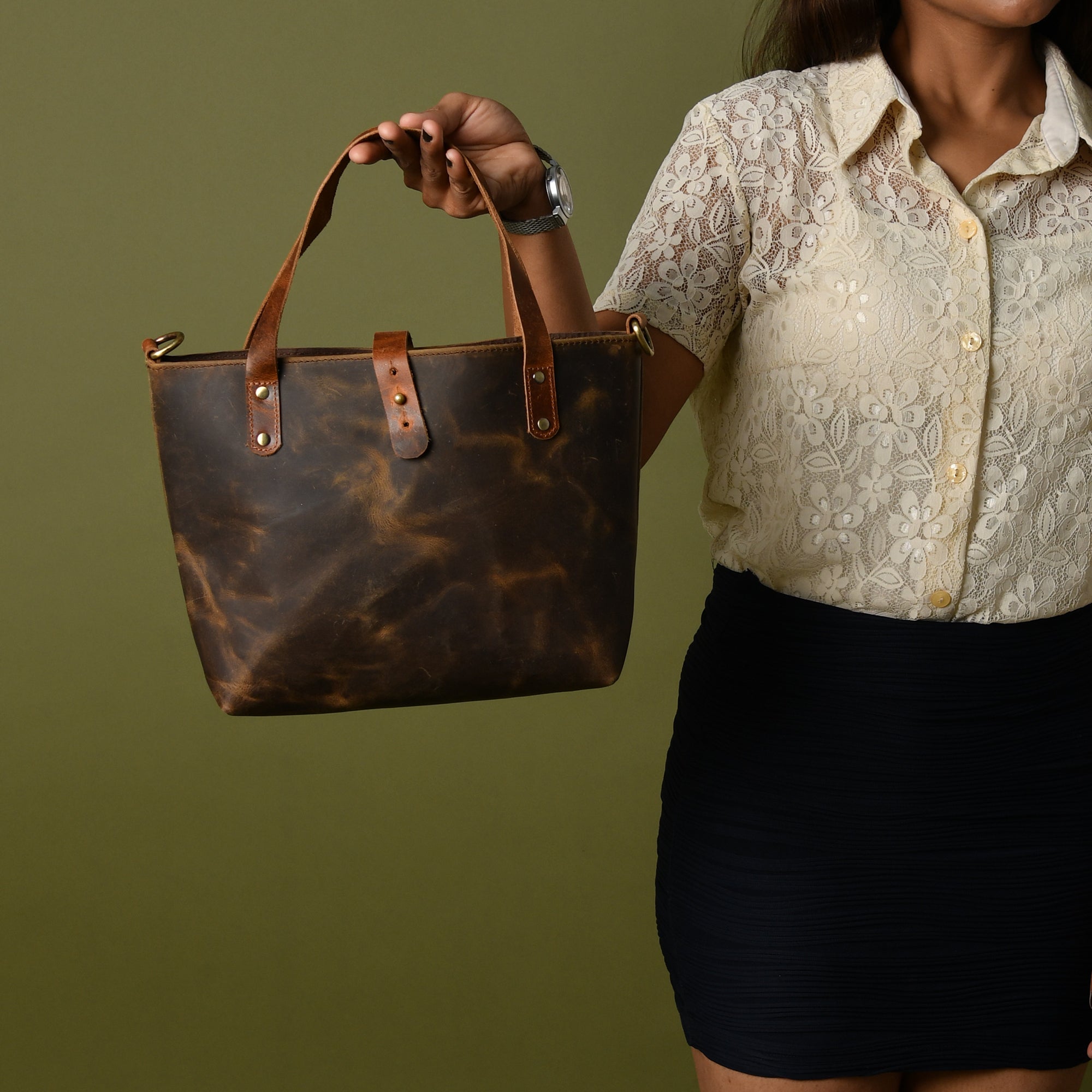
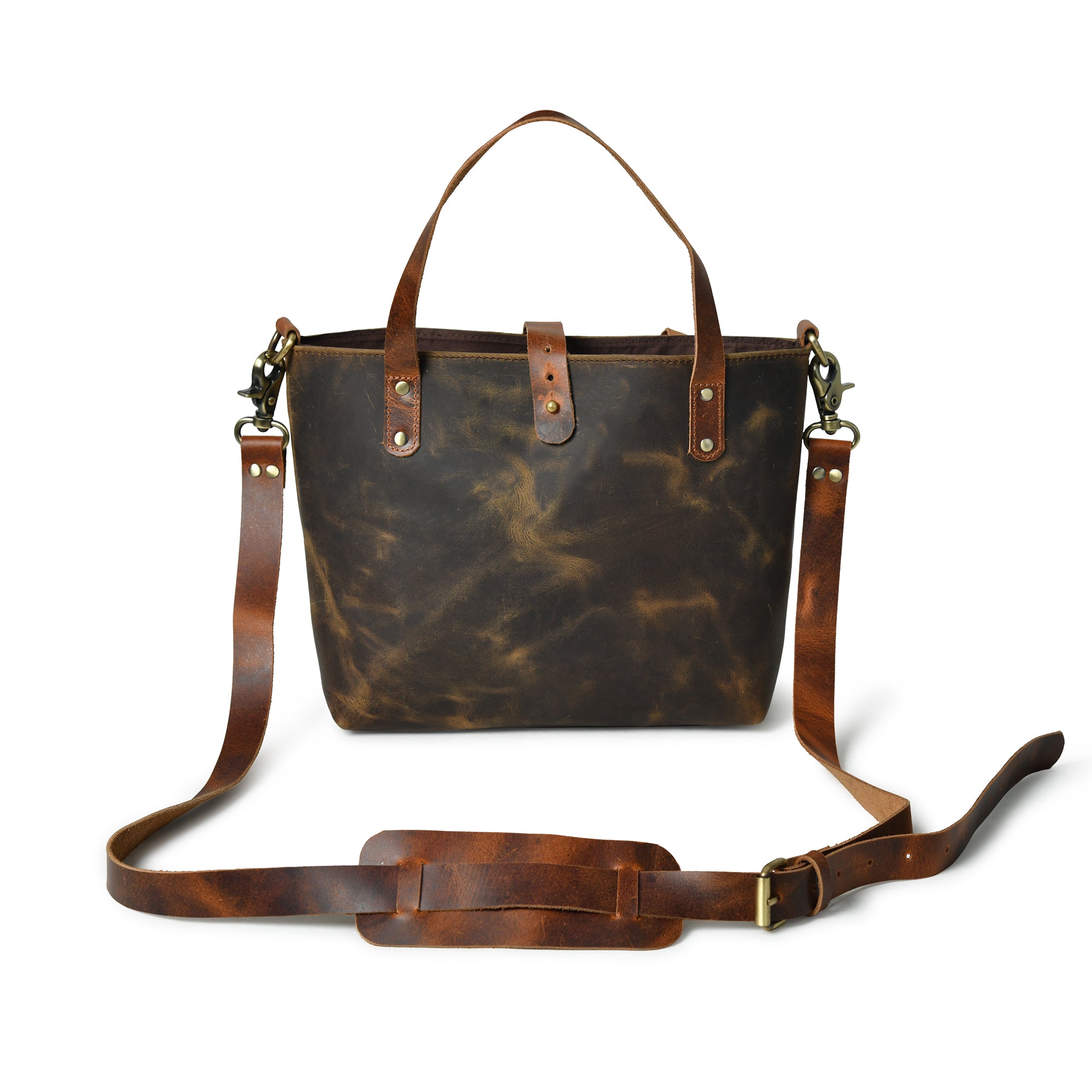
Premium leather bags last longer than fast fashion bags because full-grain hide is structurally stronger than PU, PVC or bonded leather, and because premium construction — YKK zips, brass hardware, reinforced stitching — doesn’t fail at stress points. A full-grain bag lasts 20–30+ years and can be repaired; a typical fast fashion bag peels or breaks within 1–3 years and can’t. Over a decade, the leather bag is usually the cheaper option.
Key Takeaways
-
PU and PVC “leather” are plastic films that inevitably crack and peel; hide fibre doesn’t.
-
Fast fashion bags fail at predictable points: zips, glued seams, handle anchors — all cost-cutting choices.
-
Cost per year: ~£60/year replacing fast fashion bags vs ~£15–£30/year for a premium leather bag.
-
Repairability is the hidden multiplier — leather bags get second and third lives; synthetics don’t.
What Are Fast Fashion Bags Actually Made Of?
Mostly plastic. Common materials: PU (polyurethane film over fabric), PVC, low-grade bonded leather (shredded leather fibre glued to a backing) and thin synthetics — assembled with glued seams and painted zinc-alloy hardware. The look is achievable cheaply; the structure isn’t. The surface film has no fibre strength, so flexing at corners and handles cracks it within a couple of years, and once the film goes, the bag is unrepairable — the surface is the product.
Why Does Real Leather Physically Last Longer?
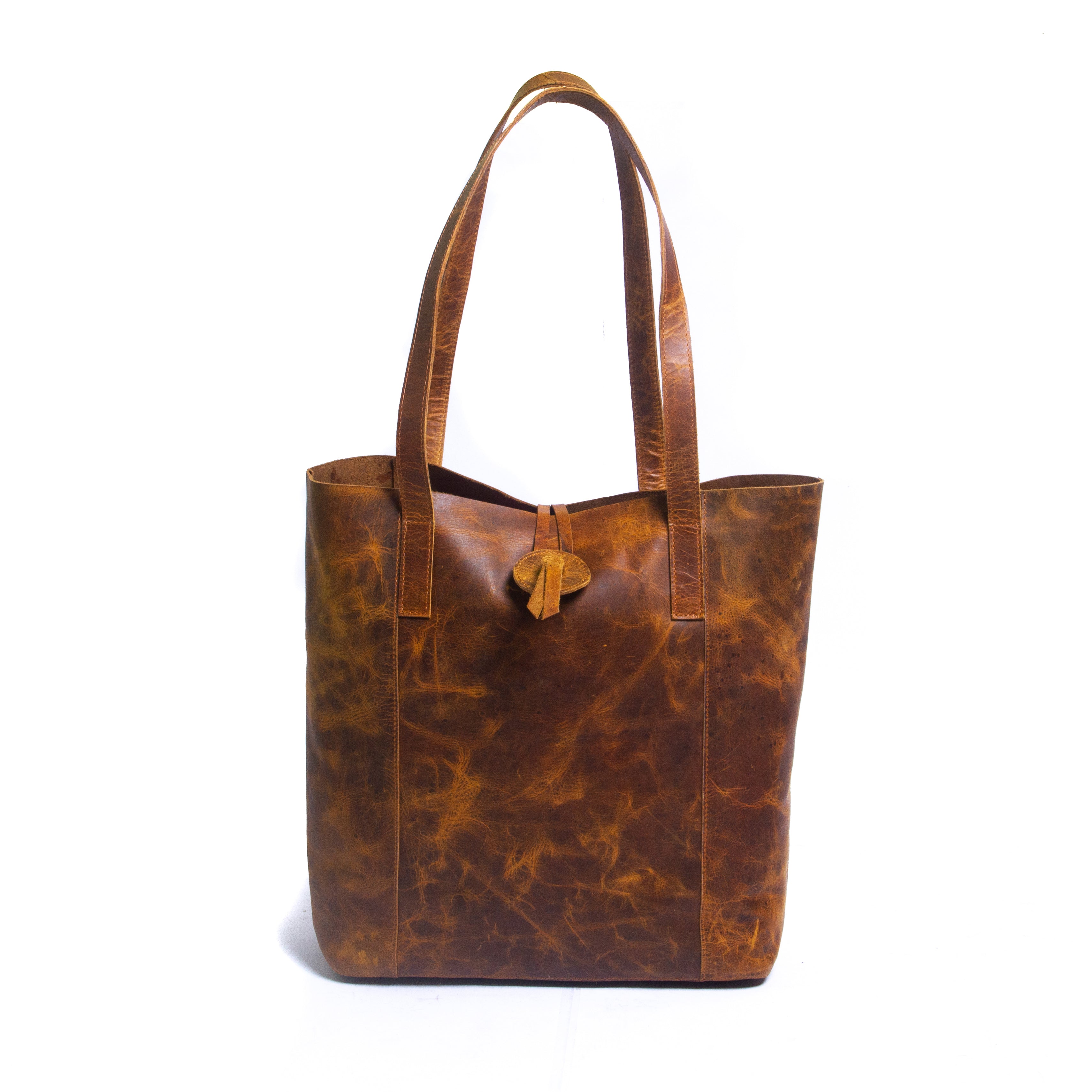
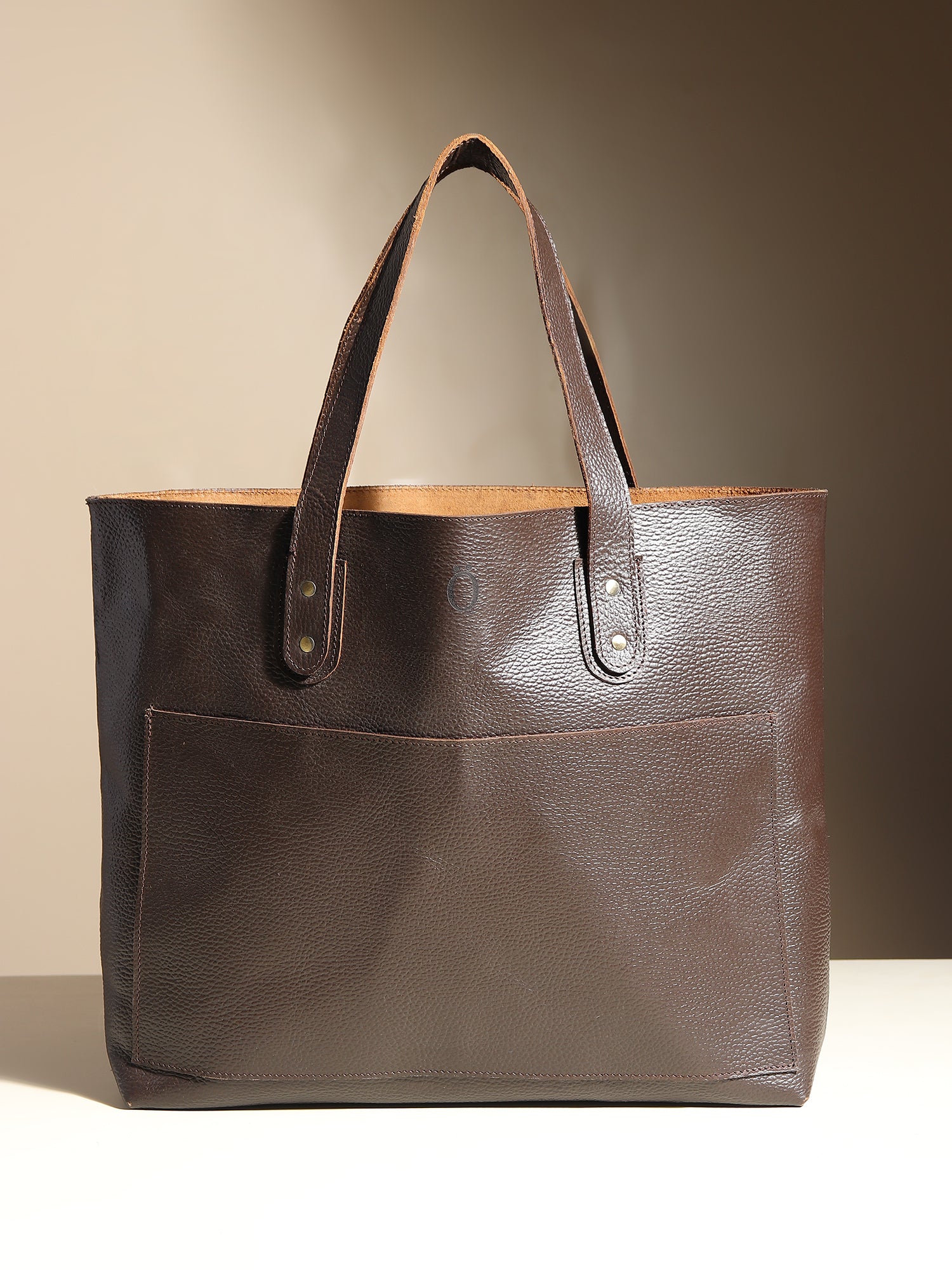
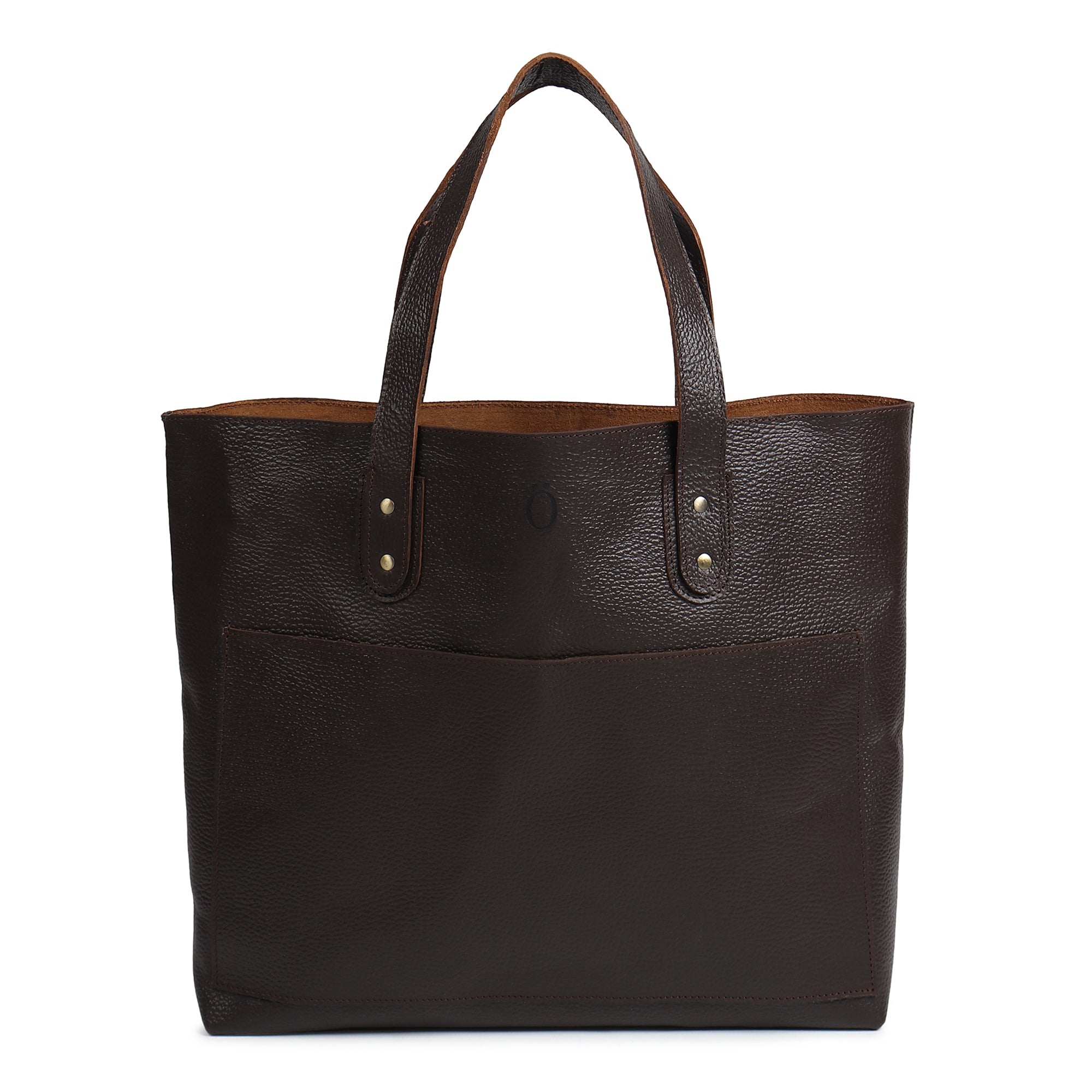
Because full-grain leather is a dense natural fibre matrix, not a coating. The hide’s outer layer contains tightly interwoven collagen fibres that resist abrasion, flexing and tension — the exact stresses a bag endures daily. Instead of cracking, the surface burnishes into a patina. Grade matters enormously here:
|
Material |
Average lifespan |
|---|---|
|
Full-grain leather |
20–30+ years |
|
Top-grain leather |
10–20 years |
|
Genuine (split) leather |
5–10 years |
|
PU leather |
1–3 years |
|
PVC |
1–2 years |
Full grade breakdown: Full-Grain vs Genuine Leather.
How Does Craftsmanship Change Lifespan?
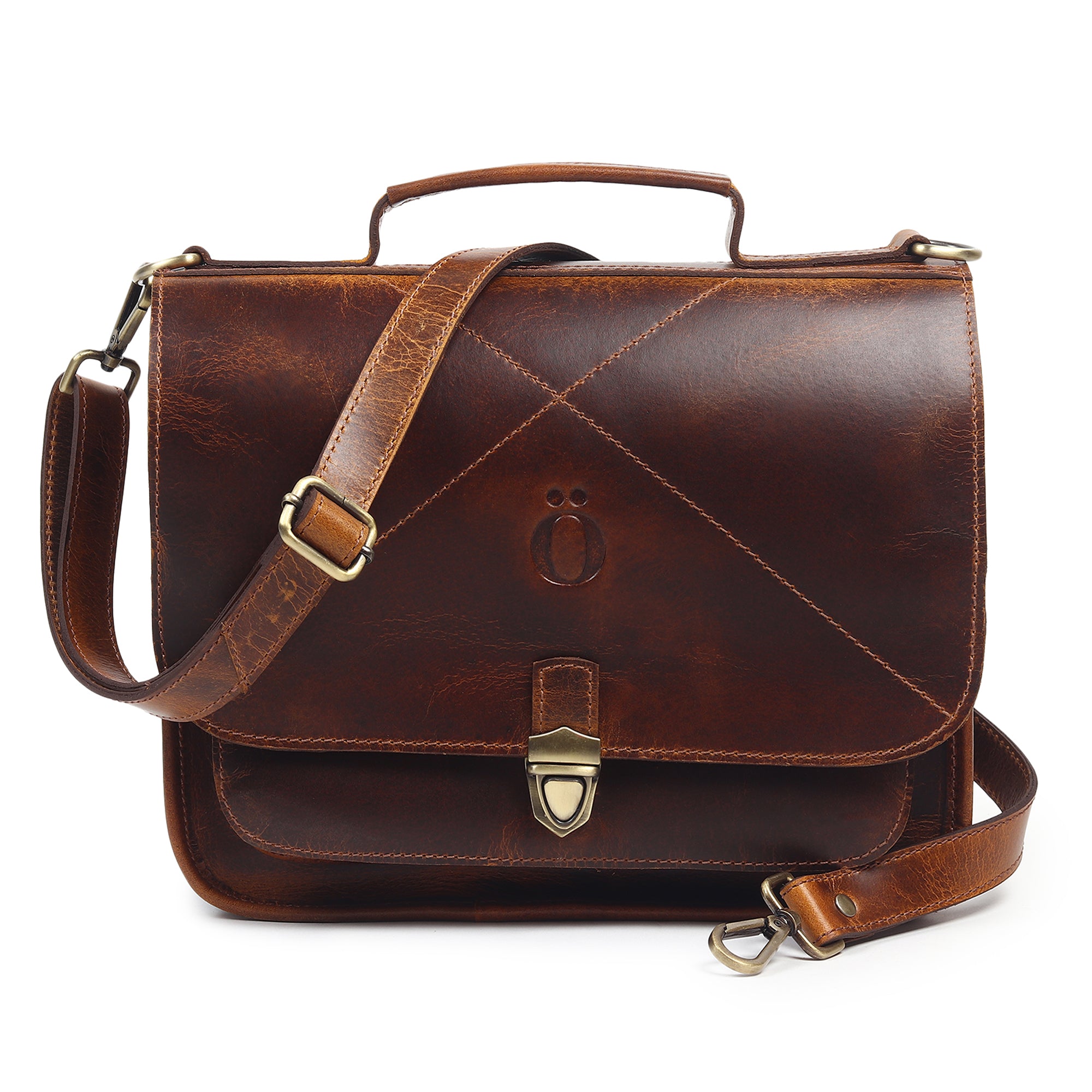
Bags rarely die from material alone — they die at the joints. Premium construction addresses every predictable failure point: double or reinforced stitching at handles and corners, stitched (not glued) seams and lining, solid brass or stainless hardware, YKK zips, edge finishing that stops delamination. Fast fashion construction cuts precisely there: glue instead of stitches, thin thread, lightweight painted hardware. Same design on the outside; a different engineering budget inside.
[E-E-A-T placeholder: e.g. “When we strip back competitor bags in the workshop, the giveaway is always the seam: glue lines where stitching should be.” Add a teardown photo if possible — original imagery here is a major E-E-A-T asset.]
Which Is Cheaper Over Ten Years?
The leather bag, in most realistic scenarios. A £60 fast fashion bag replaced roughly every 18–24 months costs £300–£400 per decade — and £600–£800 over twenty years. A £250–£350 full-grain bag amortised over 20 years runs £15–£18 a year, still looks good, and holds some resale value. The cheap option is only cheap on day one.
There’s a waste dimension too: five discarded plastic bags versus one long-serving leather one — the sustainability maths is covered in What Is Sustainable Fashion?.
Can Each Type Be Repaired?
Leather: yes, extensively. Fast fashion: effectively no. Leather specialists routinely replace zips and handles, restitch seams, recolour panels and buff out damage — often for a fraction of replacement cost. PU and bonded bags can’t be meaningfully repaired once the film peels or a glued seam lets go; the economics and the materials both say bin it. Repairability is why quality leather bags are handed down while synthetic ones are landfilled.
How Do You Identify a Premium Leather Bag Before Buying?
-
Leather grade named explicitly: full-grain or top-grain.
-
Zips branded (YKK or equivalent) and metal hardware with real weight.
-
Even, tight stitching everywhere — check inside the lining too.
-
Handles anchored with stitching and reinforcement, not rivets through thin material.
-
A maker willing to state where and how the bag is made.
Detailed durability checklist: How Long Should a Leather Bag Last?.
Frequently Asked Questions
Why do PU leather bags peel?
PU is a thin plastic film bonded to fabric. Flexing, heat and UV break down the film over time, and once it cracks or lifts, peeling spreads and cannot be reversed.
Are premium leather bags worth the price?
For regular use, yes: lower cost per year than serial replacement, repairability, and an appearance that improves rather than degrades over time.
Do leather bags need a lot of maintenance?
No — a wipe-down after use, conditioning every 3–6 months and sensible storage. About ten minutes a quarter.
Is bonded leather real leather?
Barely. It’s shredded leather fibre glued onto a backing with a polymer surface — it contains leather but performs like plastic, typically lasting 1–3 years.
Written by [Author Name], [role at Dotch Leather]. Reviewed [Month 2026].