
Full-Grain Leather vs Genuine Leather: What's the Difference and Which Is Better?
When shopping for a premium leather bag, wallet, belt, or travel accessory, you've likely come across terms like full-grain leather and genuine leather. While both are real leather, they differ significantly in quality, durability, appearance, and value.
Understanding these differences can help you make a smarter investment—especially if you're looking for leather products that will last for years.
In this guide, we'll compare full-grain leather and genuine leather, explain their advantages and disadvantages, and help you decide which option is best for your needs.
What Is Full-Grain Leather?
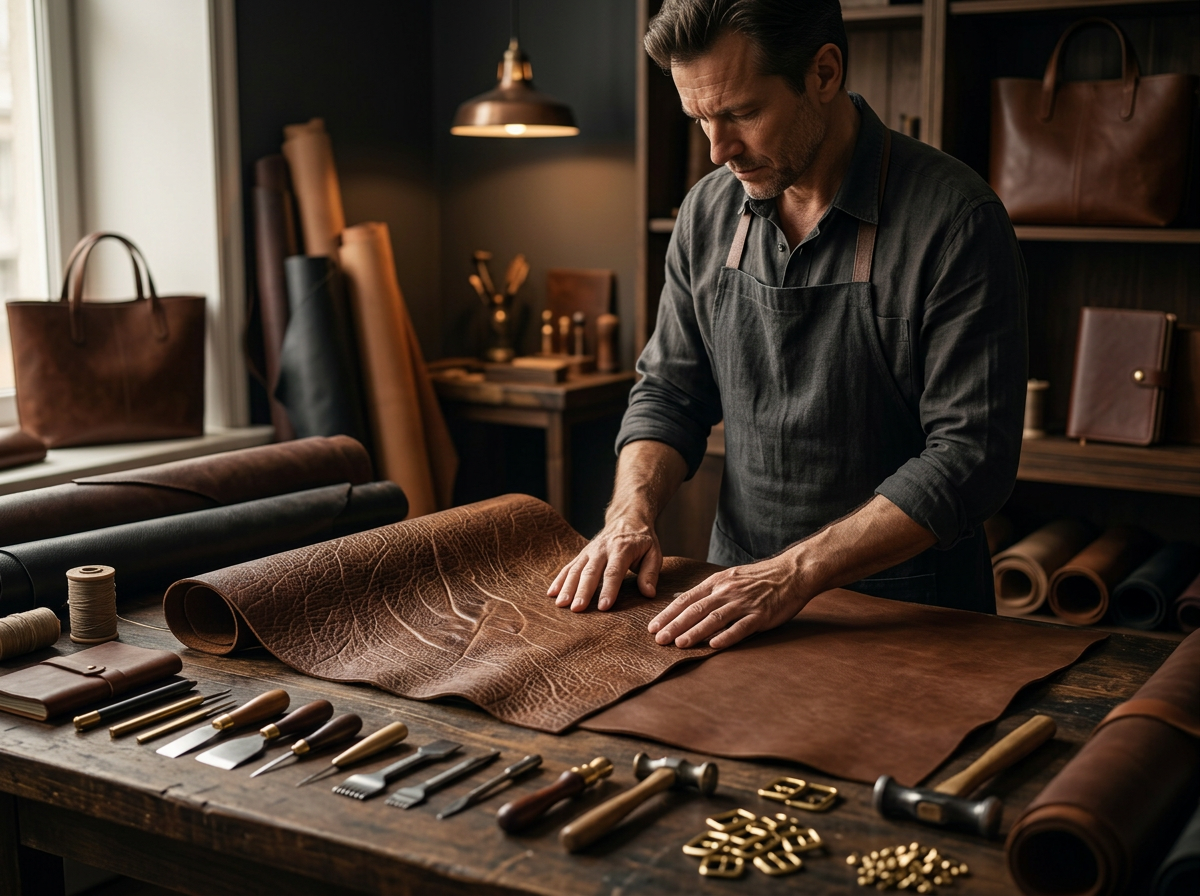
Full-grain leather is the highest quality leather available. It is made from the outermost layer of the hide, where the fibers are strongest and most durable.
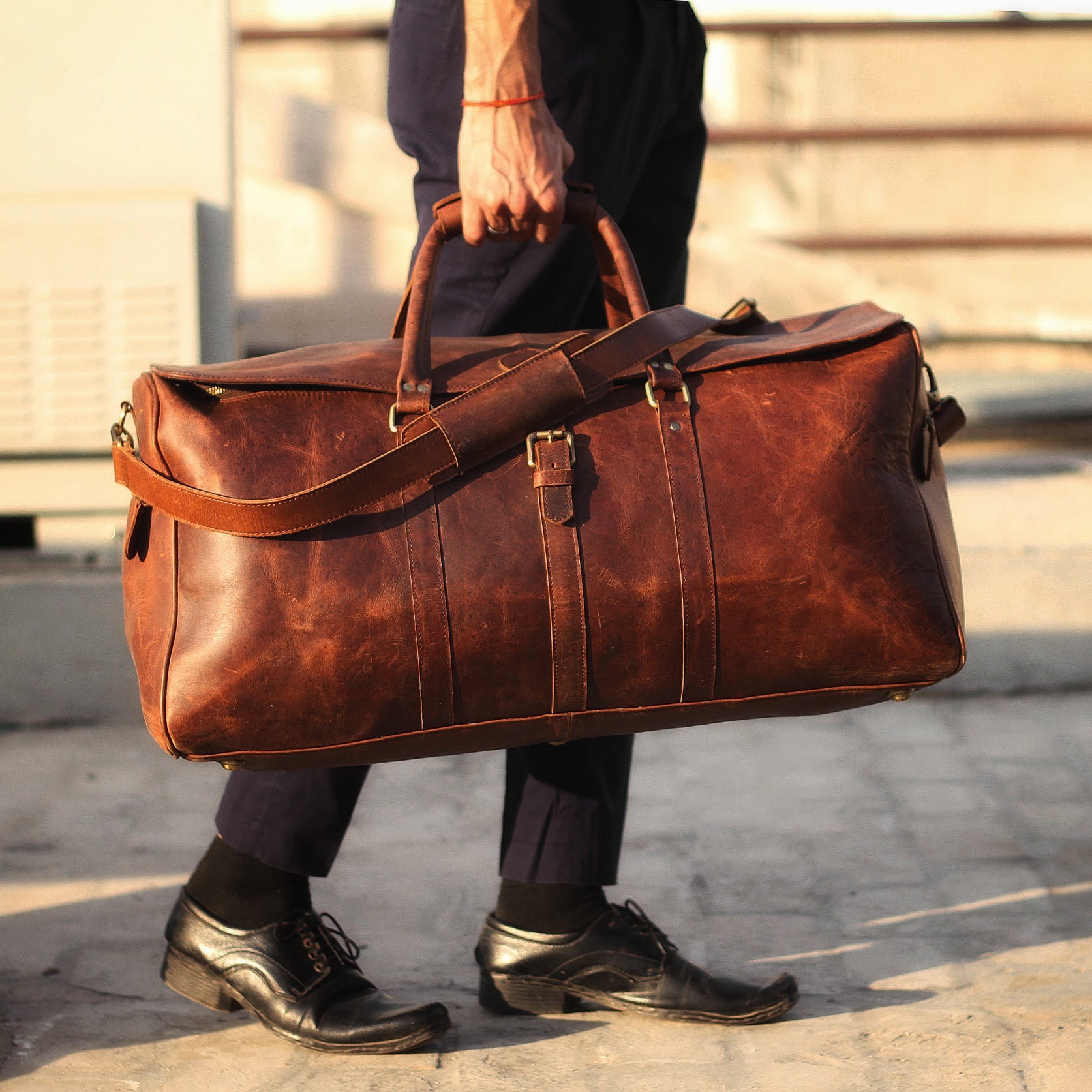
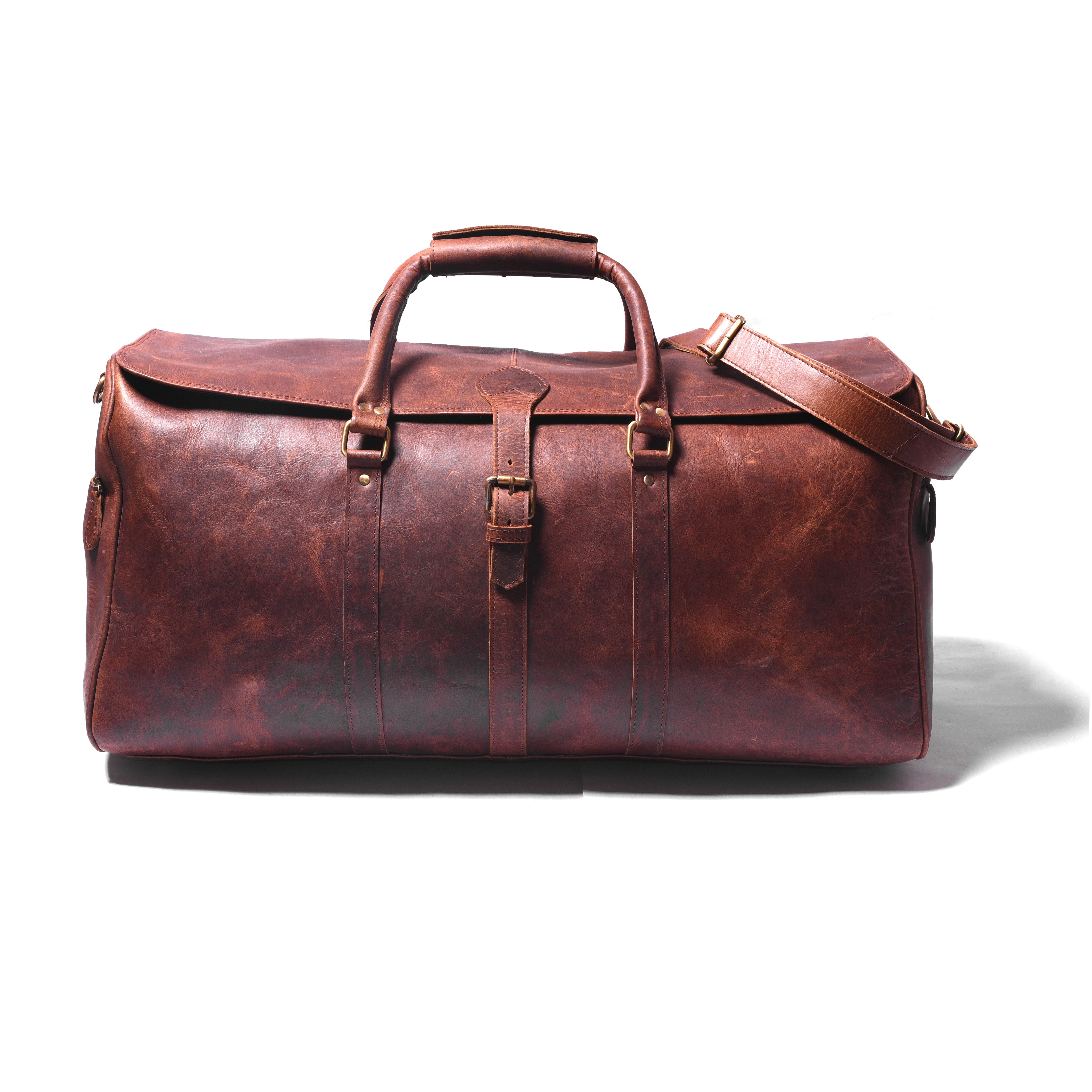
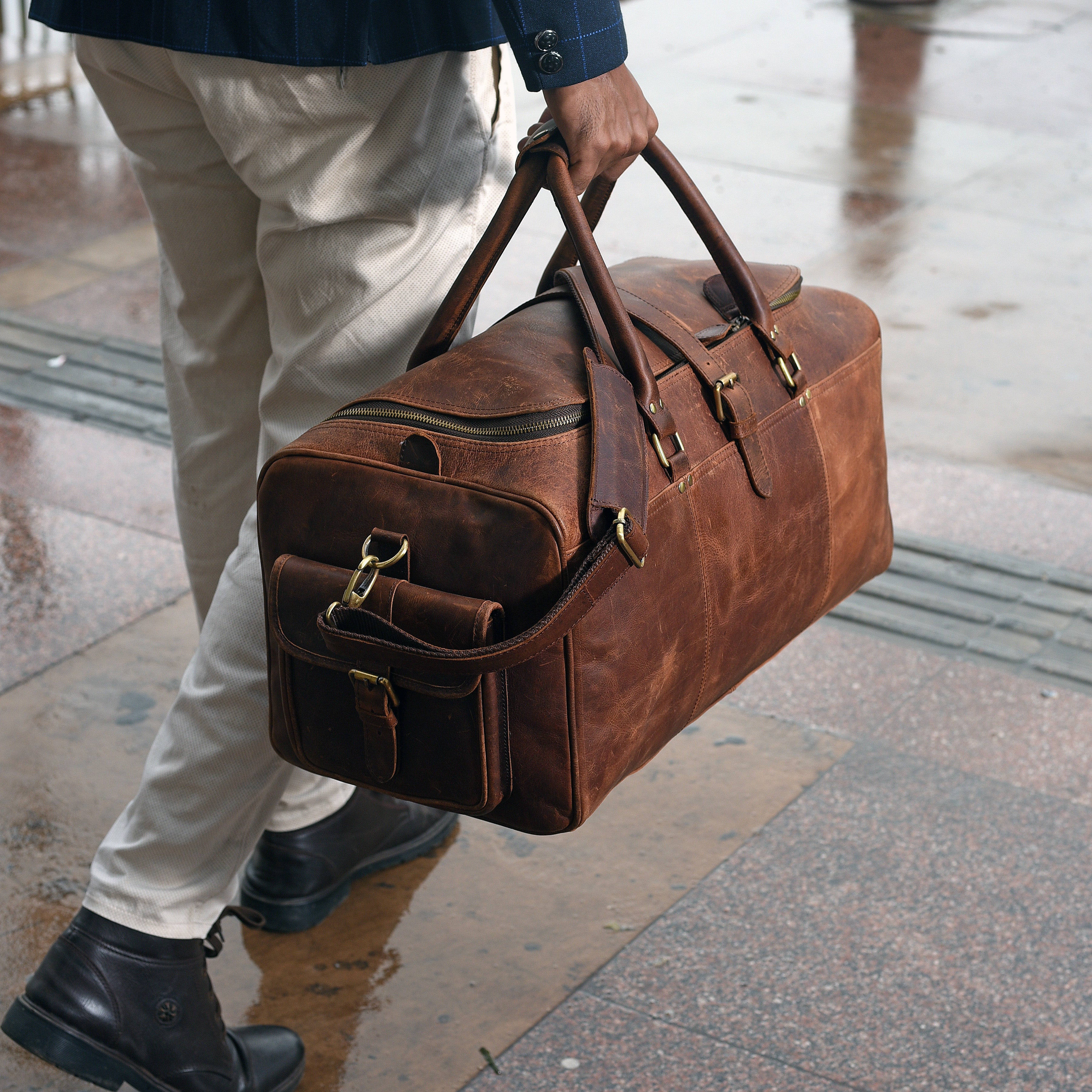
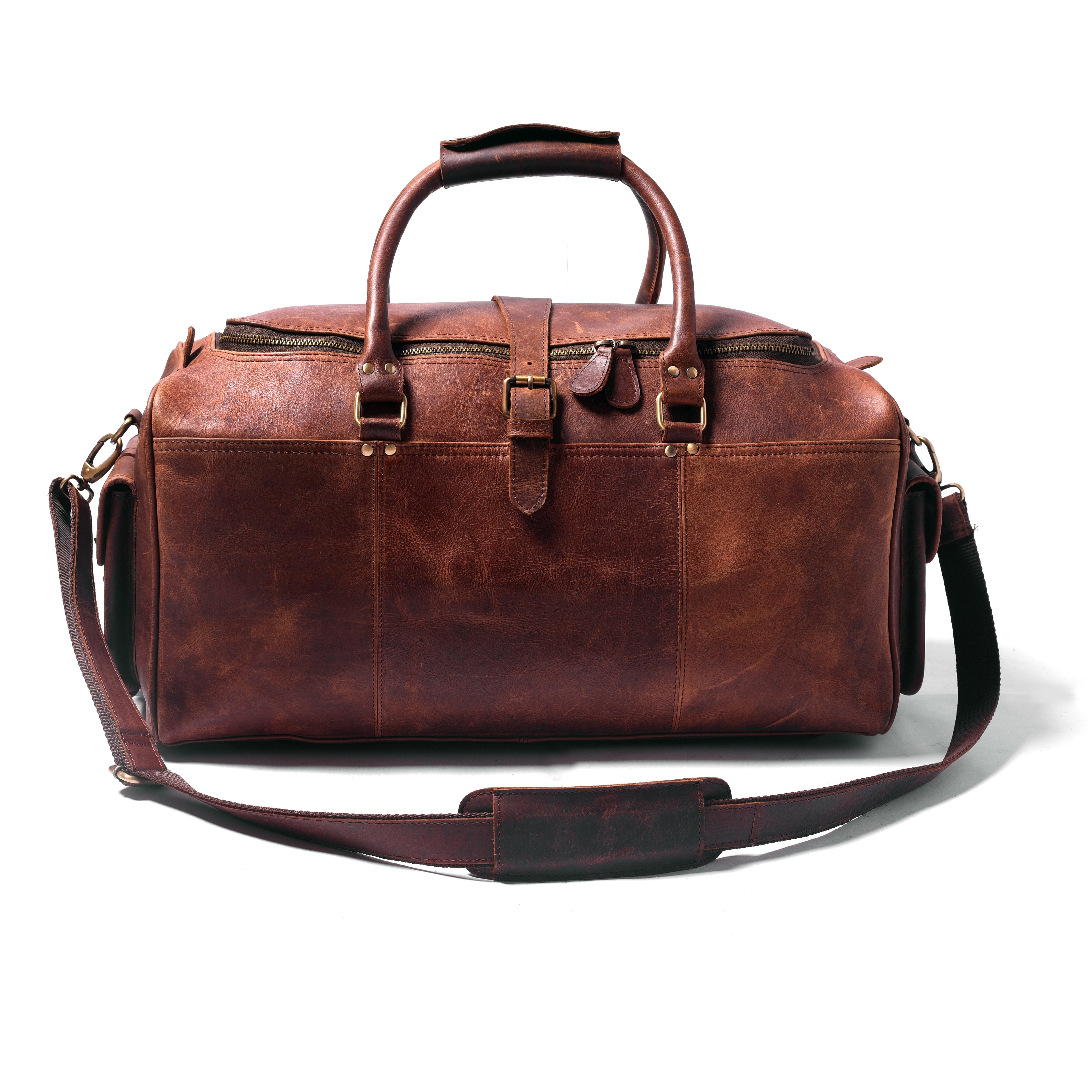
Unlike lower-grade leather, full-grain leather is not sanded or buffed to remove natural marks. Instead, it retains its original grain, giving every product a unique appearance.
Benefits of Full-Grain Leather
-
Exceptional durability
-
Develops a rich natural patina over time
-
Highly resistant to wear and tear
-
Premium, luxurious appearance
-
Long lifespan with proper care
-
Maintains its natural texture and strength
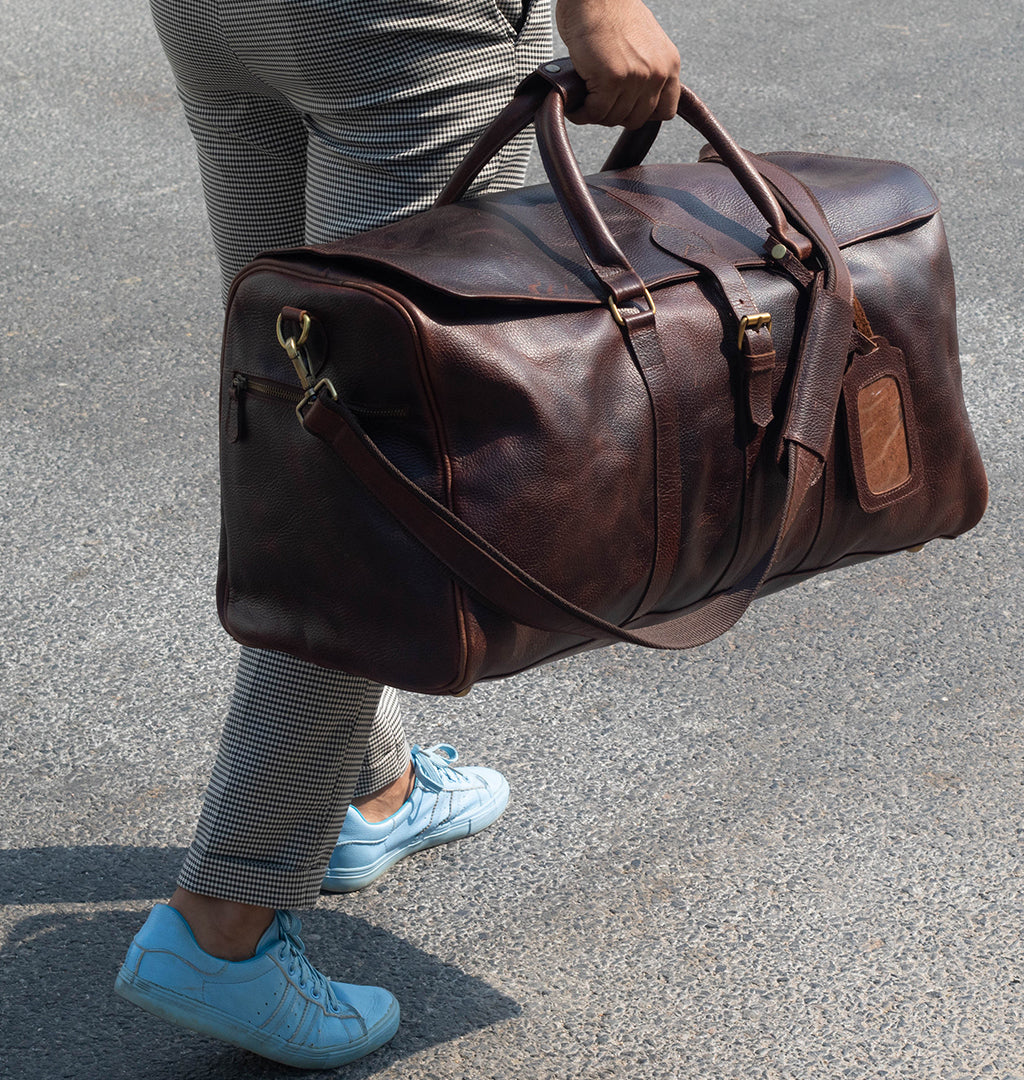
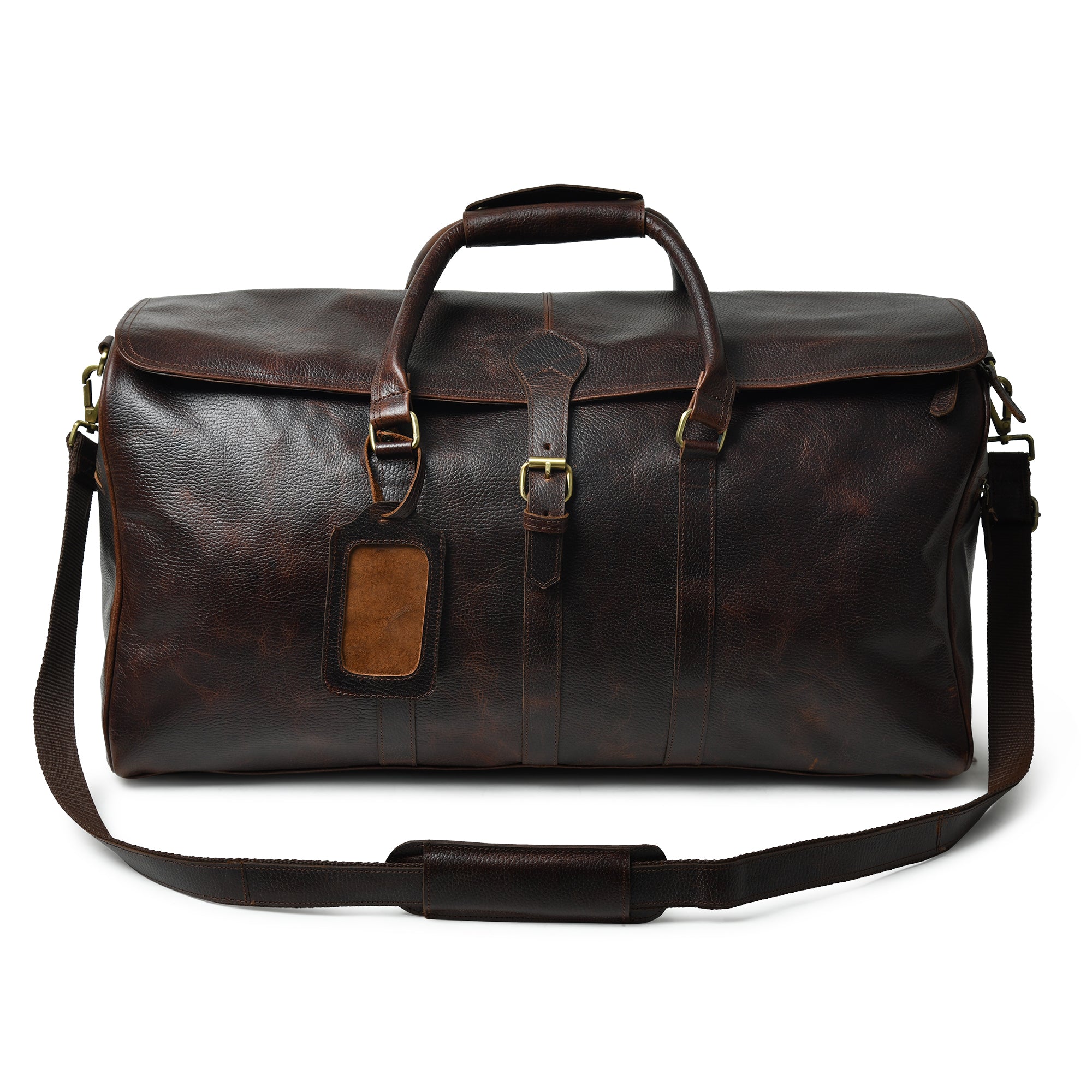
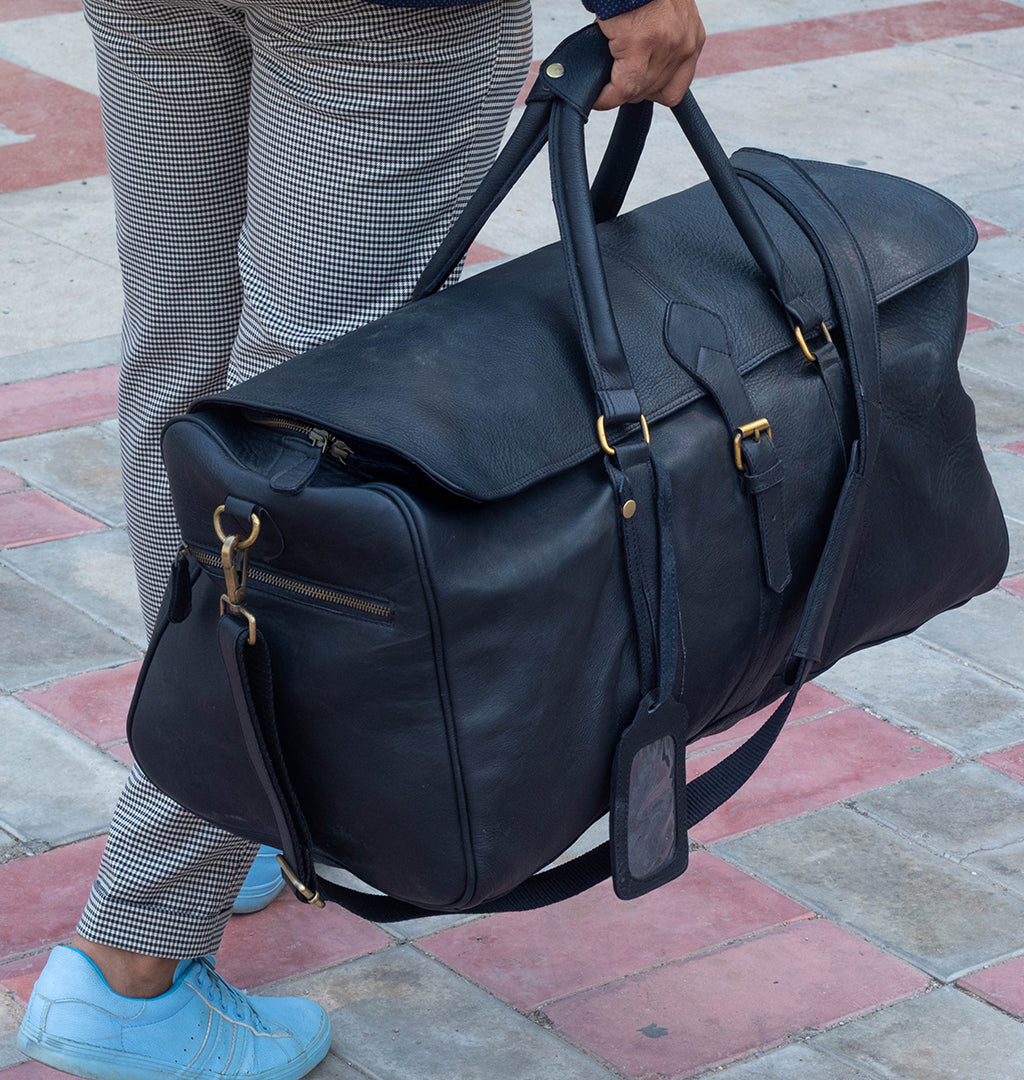
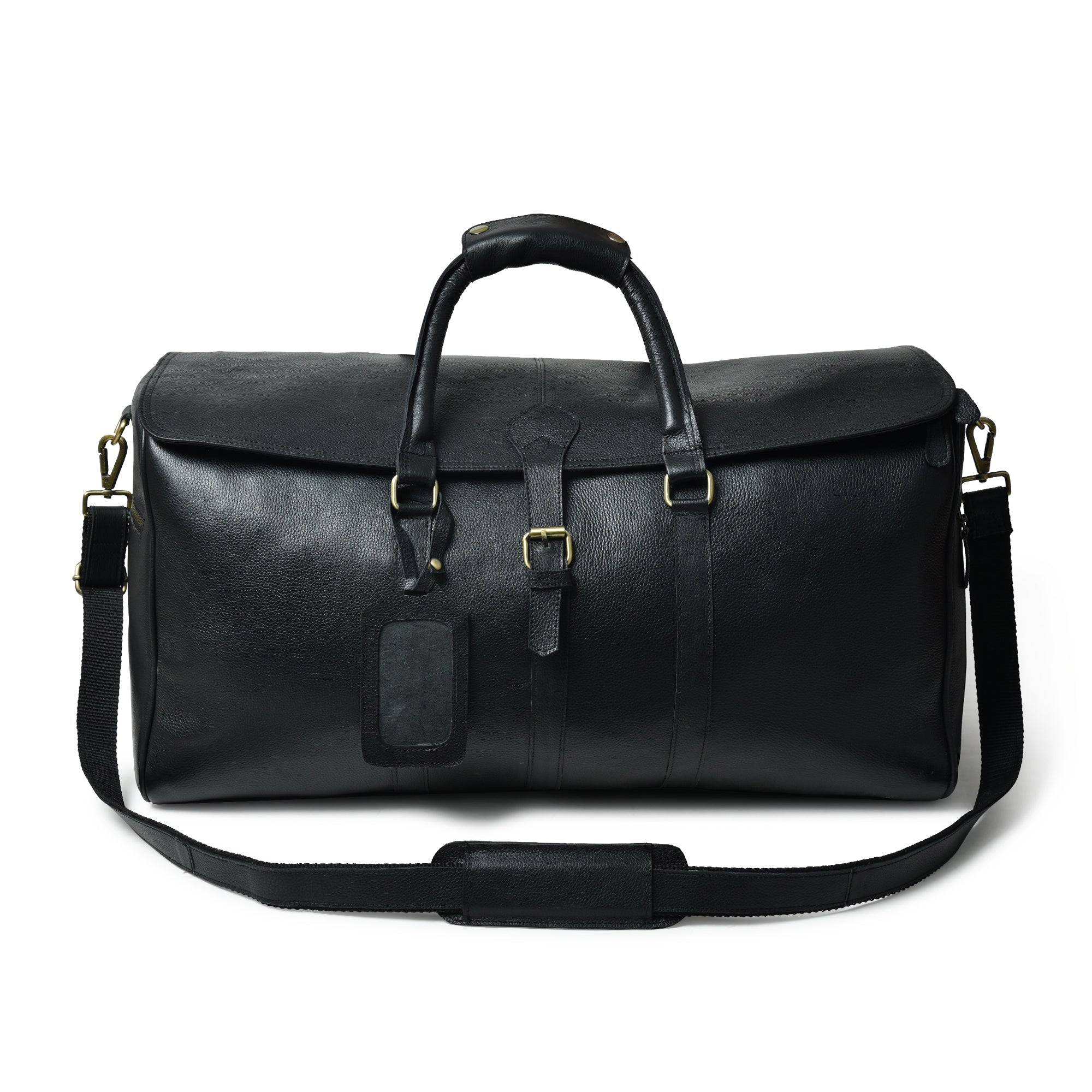
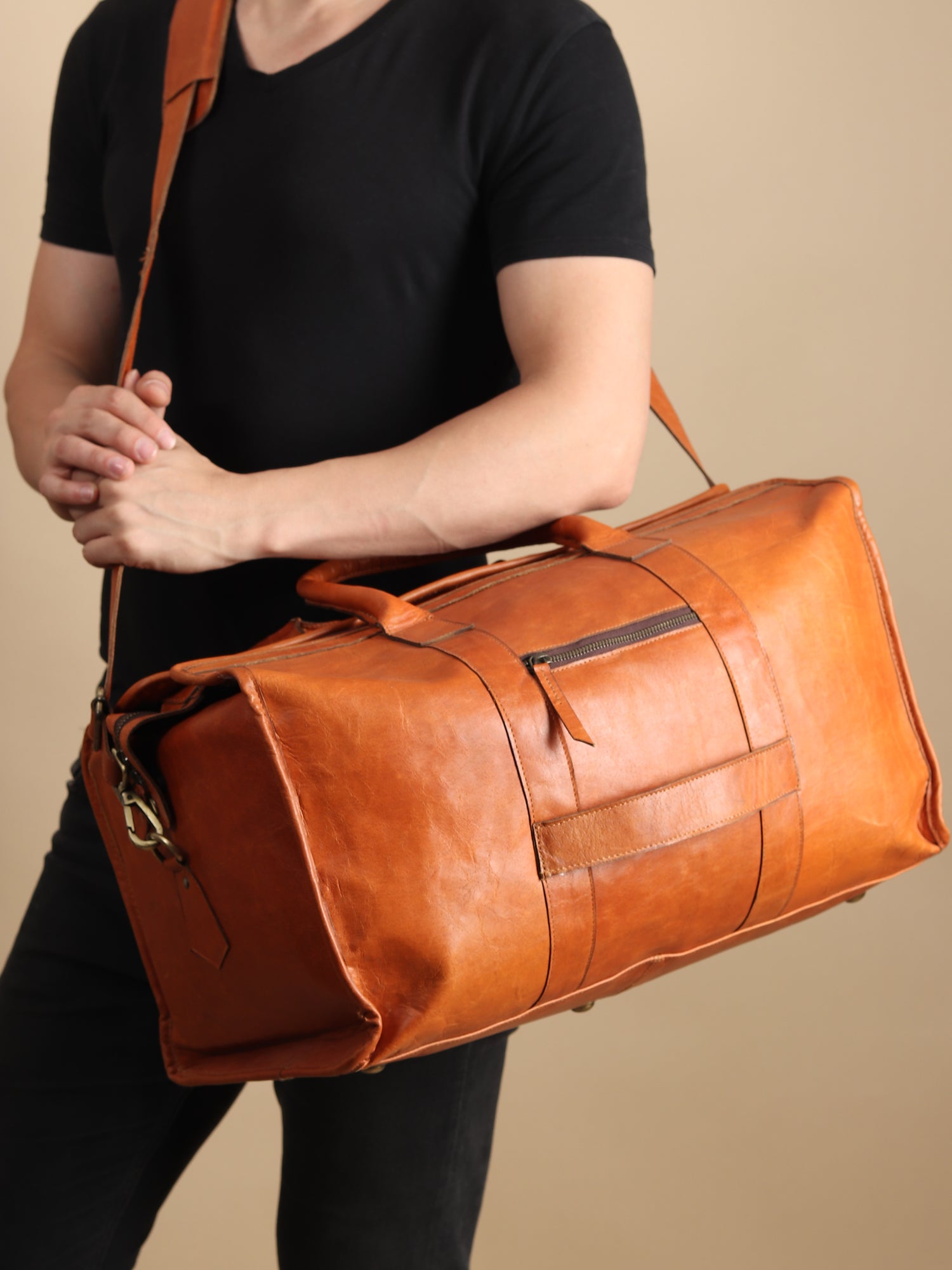
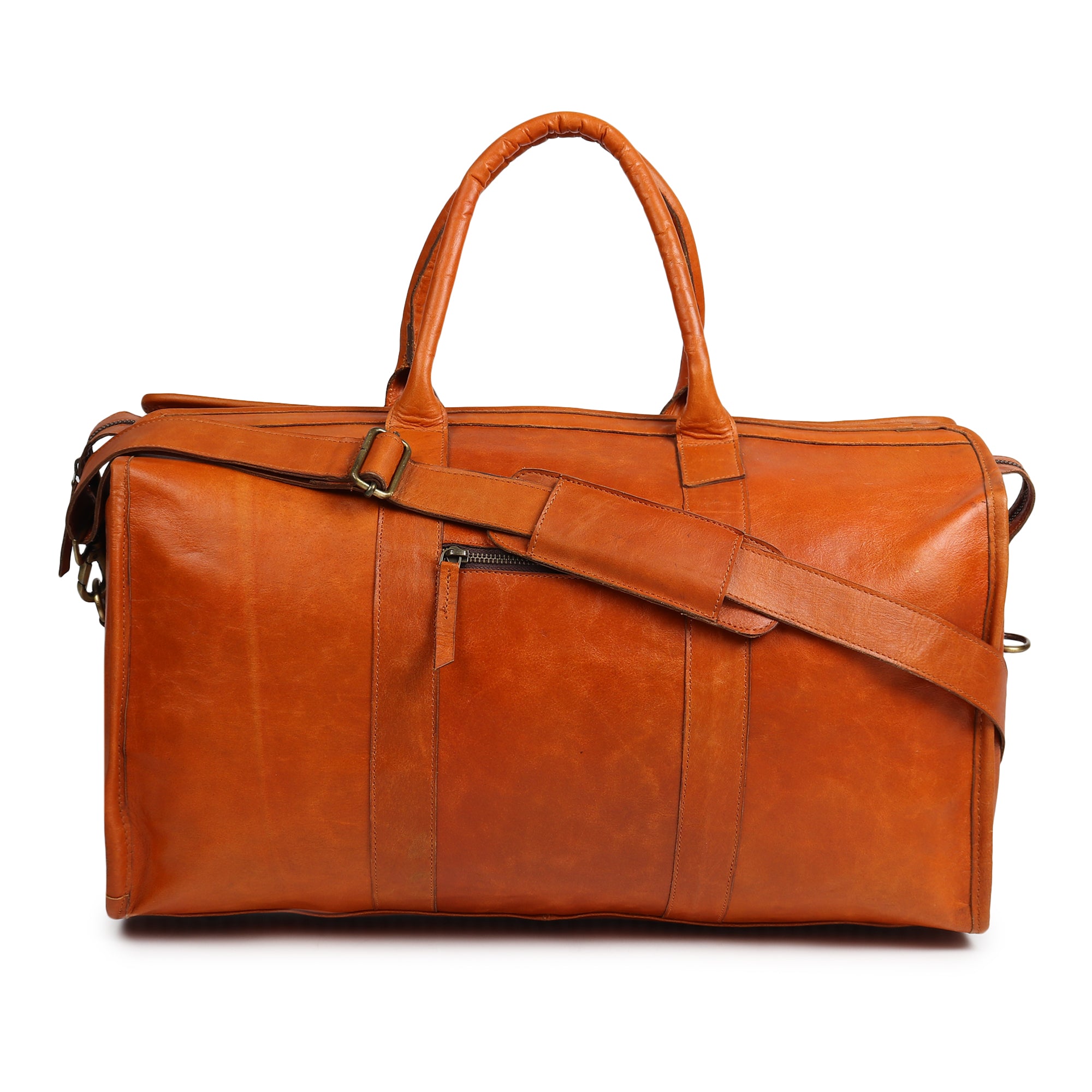
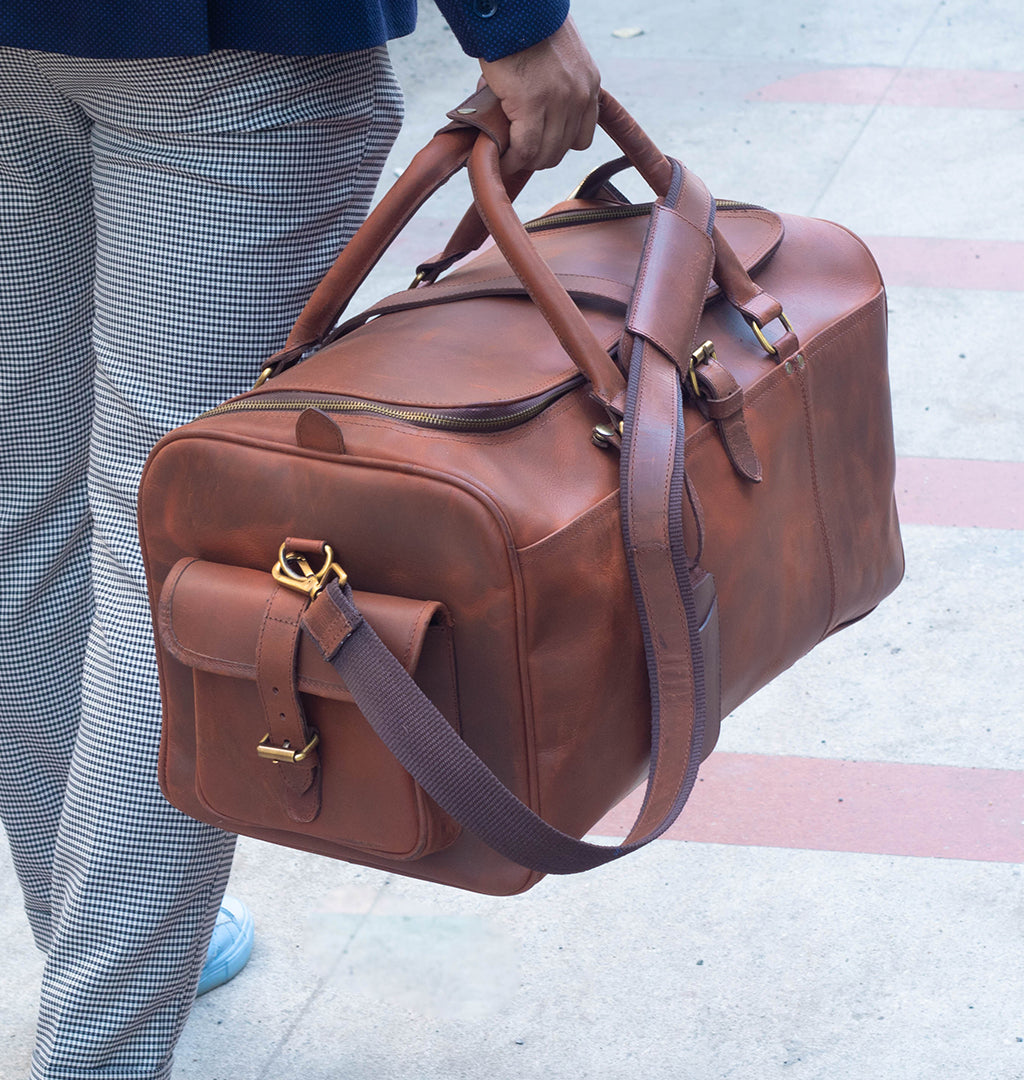
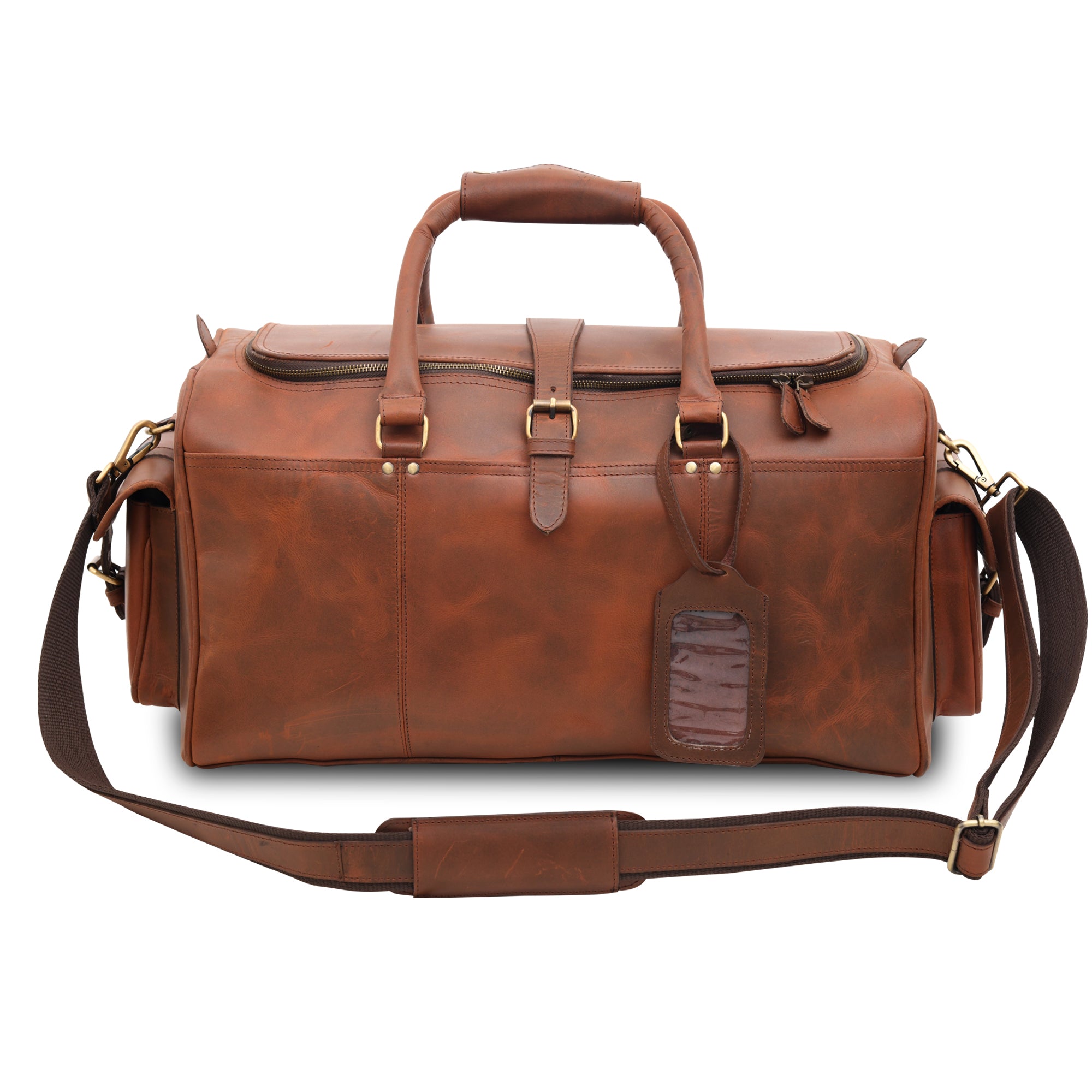
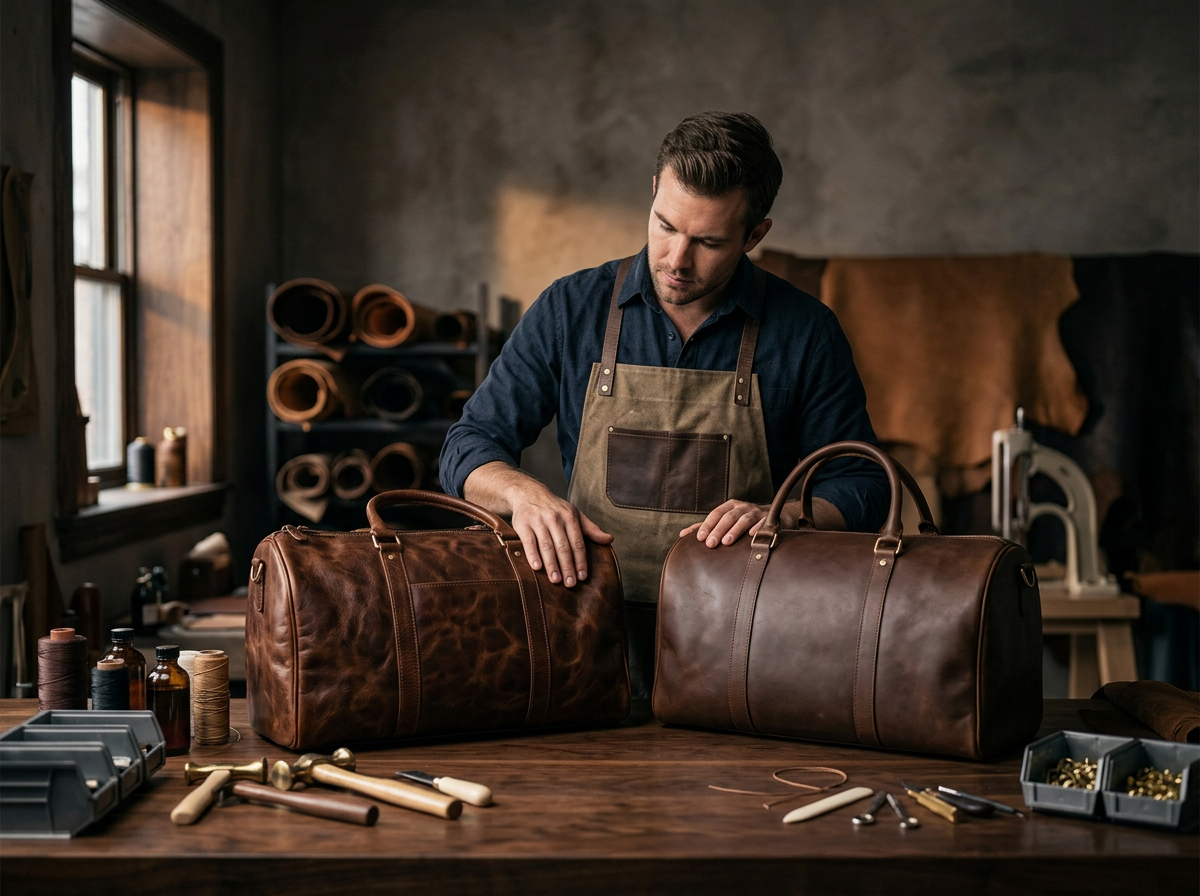
Because it ages beautifully, full-grain leather is commonly used for premium duffle bags, briefcases, wallets, belts, and luxury accessories.
What Is Genuine Leather?
Despite the name, genuine leather is a lower grade than full-grain leather.
It is made from the layers beneath the top grain of the hide. These layers are processed, sanded, and finished with coatings to create a uniform appearance.
While genuine leather is still real leather, it does not offer the same durability or aging characteristics as full-grain leather.
Benefits of Genuine Leather
-
More affordable
-
Smooth, consistent finish
-
Suitable for everyday use
-
Easier to manufacture in large quantities
For buyers on a budget, genuine leather can still provide good value, but it typically has a shorter lifespan.
Full-Grain Leather vs Genuine Leather
|
Feature |
Full-Grain Leather |
Genuine Leather |
|
Quality |
Premium |
Mid-range |
|
Durability |
Excellent |
Moderate |
|
Lifespan |
20+ years with care |
5–10 years (varies by use) |
|
Appearance |
Natural grain and patina |
Uniform finish |
|
Price |
Higher |
More affordable |
|
Water Resistance |
Better with proper care |
Moderate |
|
Best For |
Luxury bags, wallets, travel gear |
Everyday accessories |
Which Leather Lasts Longer?
Full-grain leather is significantly more durable because its natural fibers remain intact.
Instead of wearing out quickly, it develops a beautiful patina that adds character with age.
Genuine leather, on the other hand, often shows signs of peeling, cracking, or surface wear sooner because of its processed finish.
Which Leather Is Better for Bags?
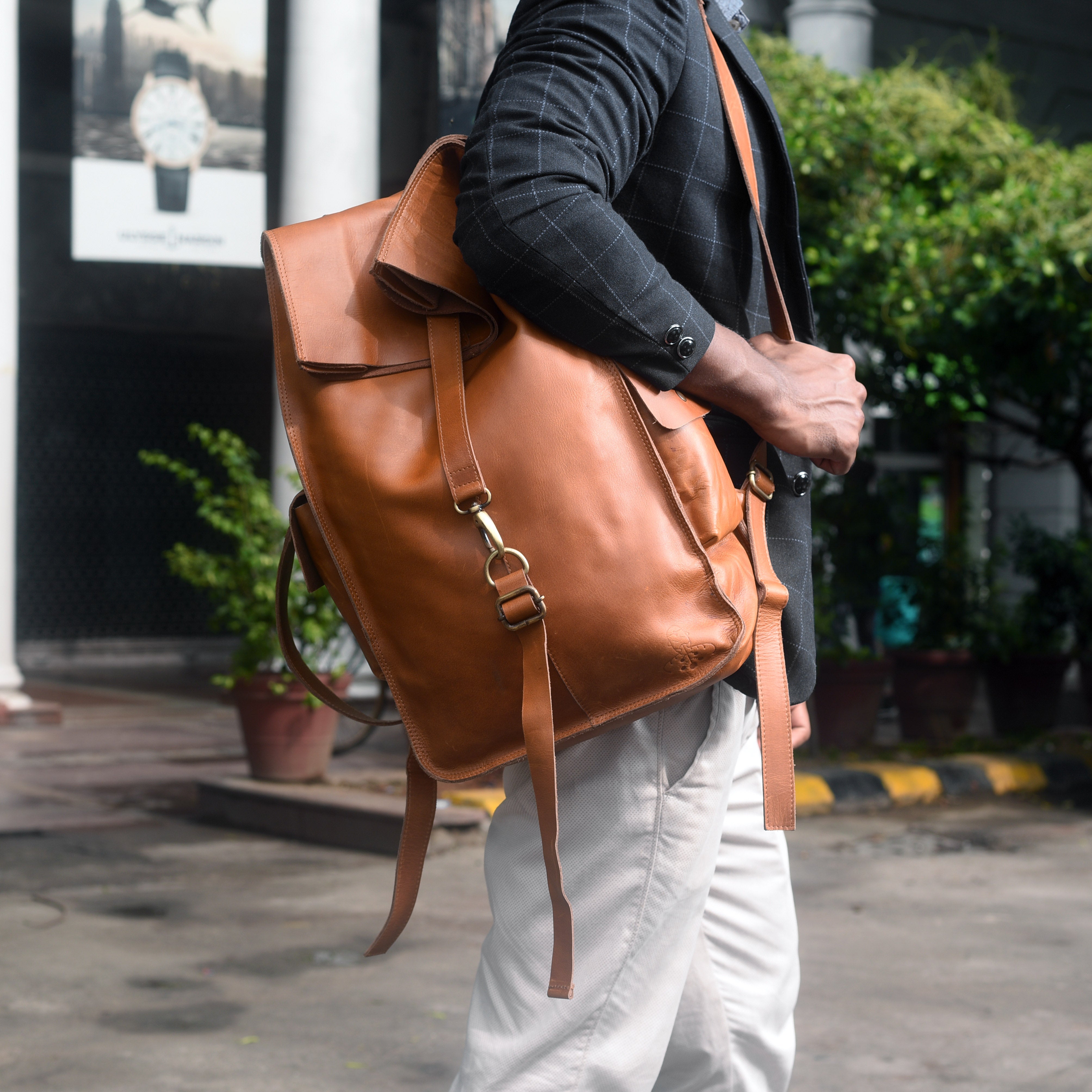
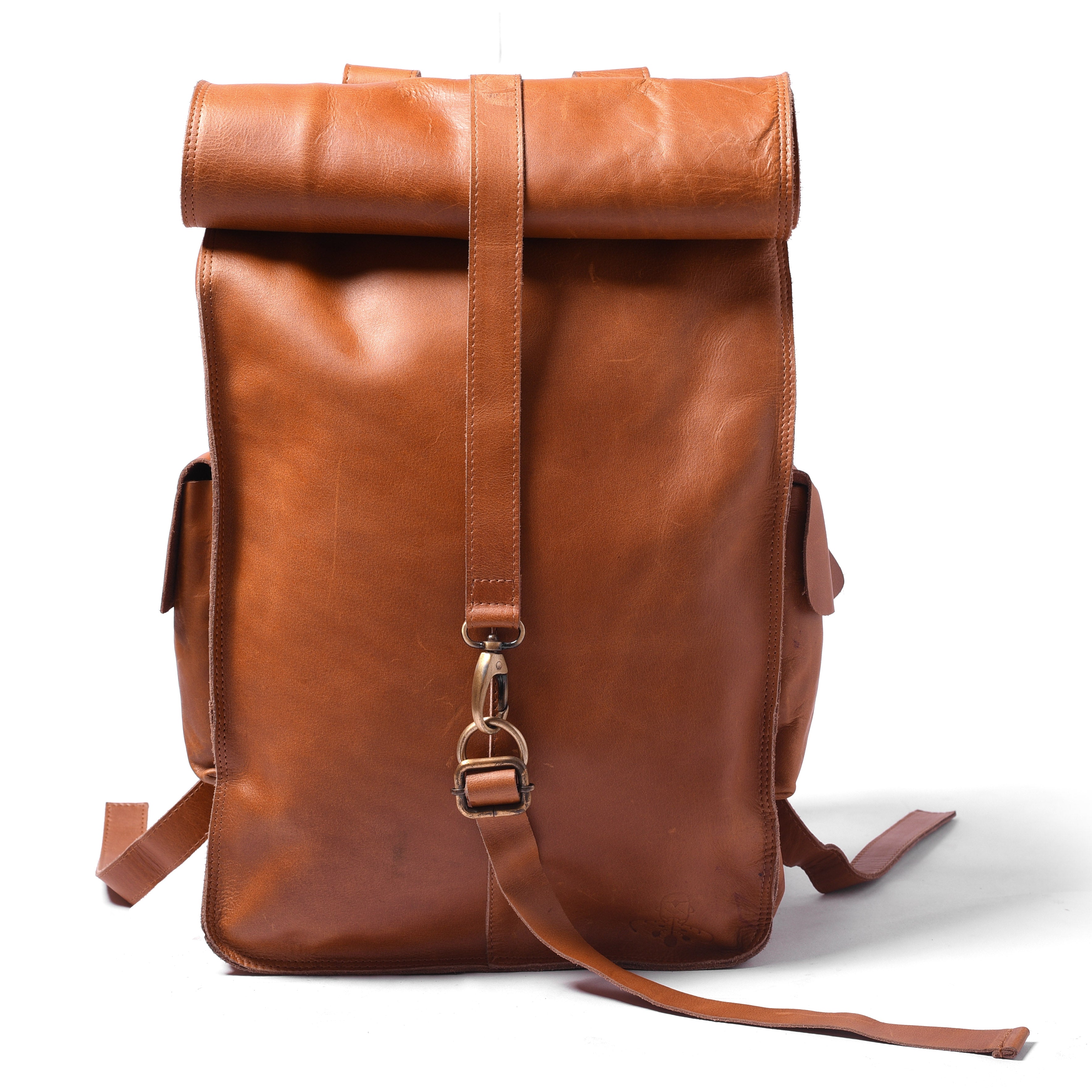
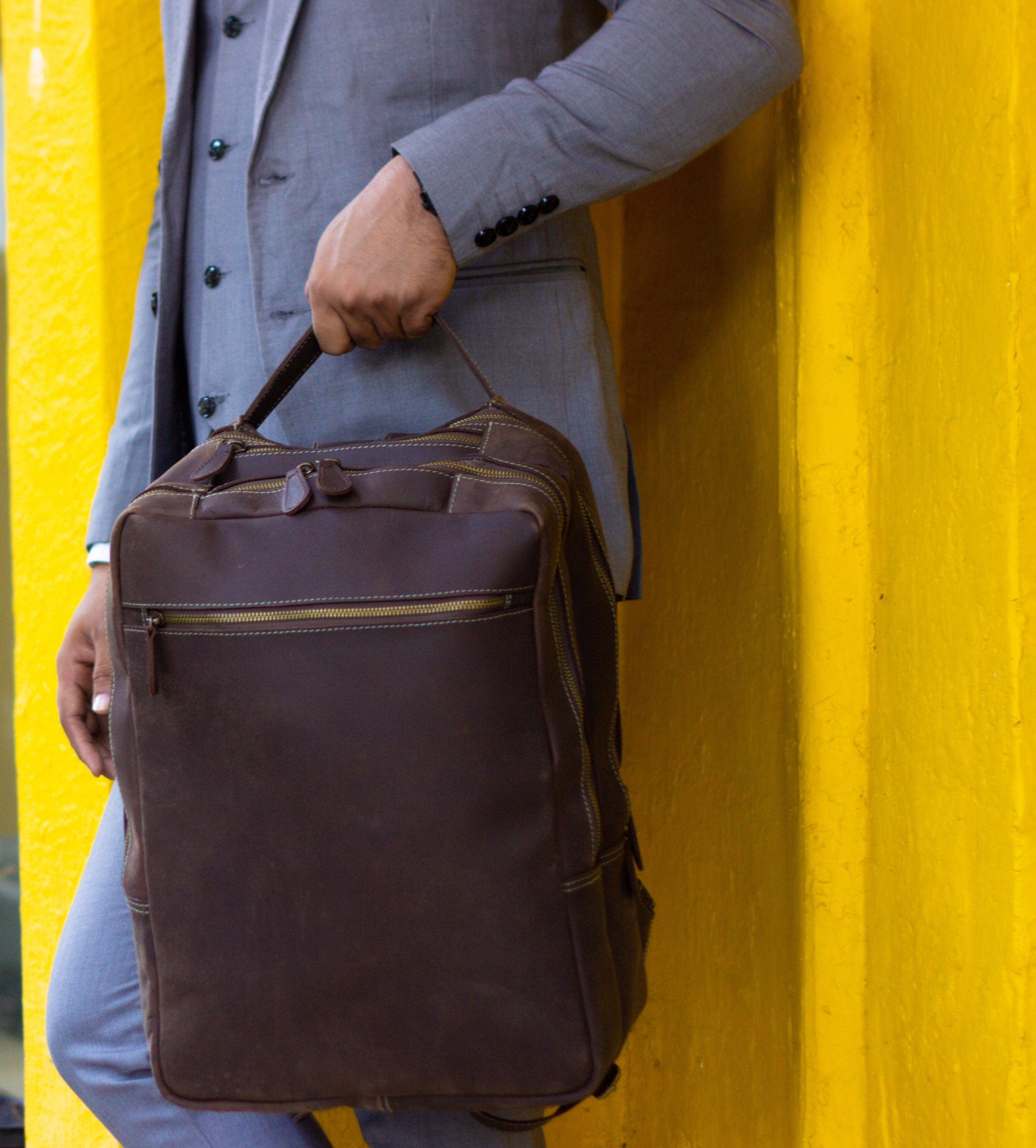
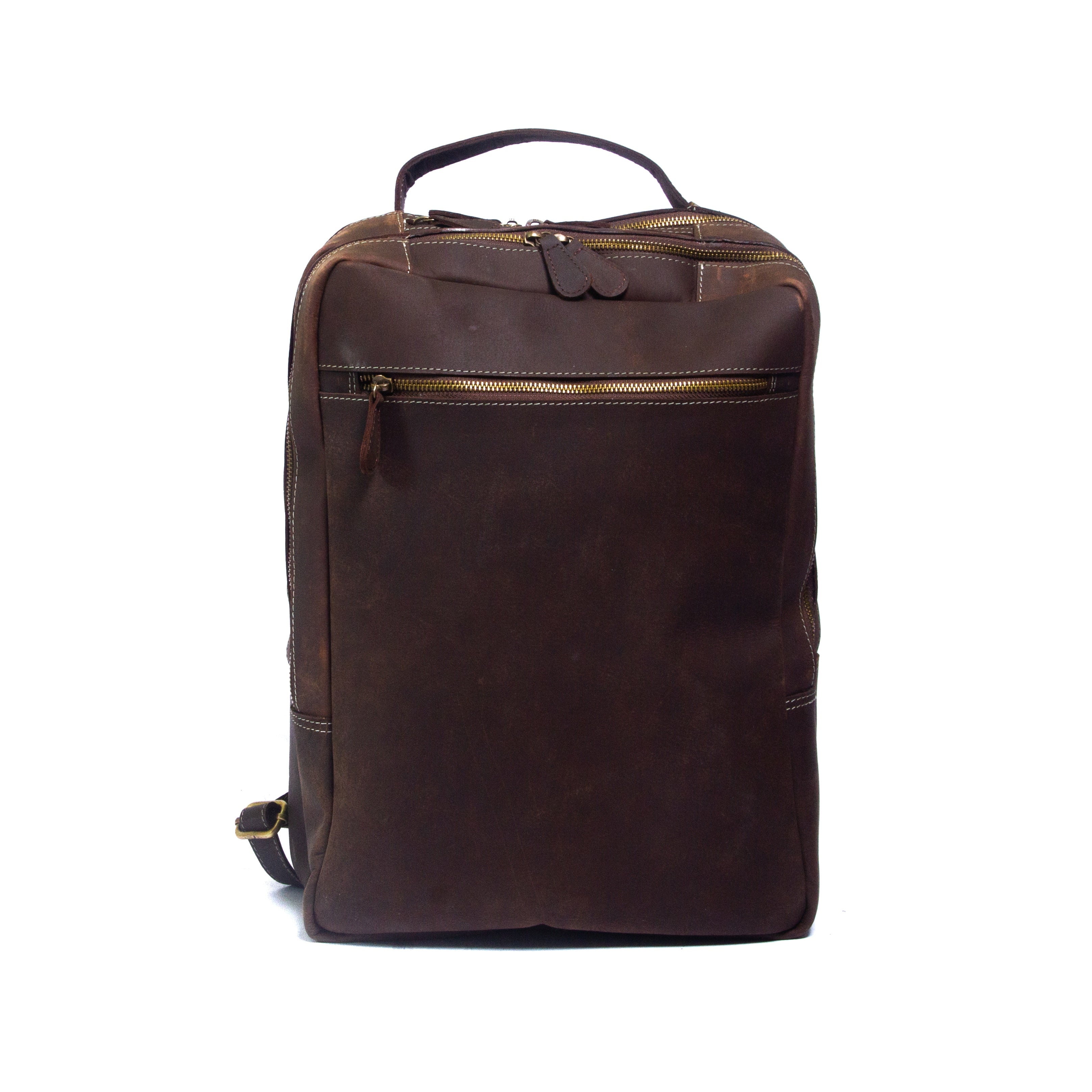
If you're buying a leather duffle bag, backpack, messenger bag, or briefcase, full-grain leather is generally the better choice.
It offers:
-
Superior strength
-
Better resistance to daily wear
-
Longer lifespan
-
Timeless appearance
-
Higher resale value
For frequent travelers or professionals, investing in full-grain leather often pays off over time.
How to Identify Full-Grain Leather
When shopping, look for these signs:
-
Visible natural grain and unique markings
-
Slight variations in texture
-
Rich leather aroma
-
Thick, durable construction
-
Premium stitching and hardware
-
Product descriptions that clearly state "Full-Grain Leather"
Avoid vague marketing terms that don't specify the leather grade.
How to Care for Leather
Whether you own full-grain or genuine leather, proper maintenance extends its life.
Follow these care tips:
-
Clean with a soft microfiber cloth.
-
Use a leather-specific cleaner.
-
Condition every few months.
-
Store products in a breathable dust bag.
-
Keep leather away from excessive heat and moisture.
-
Allow wet leather to dry naturally.
Regular care helps preserve the leather's appearance and flexibility.
Is Full-Grain Leather Worth the Investment?
If you want a leather product that lasts for many years and improves with age, the answer is yes.
Although full-grain leather costs more upfront, its durability and timeless appeal often make it more economical in the long run than replacing lower-quality products.
Frequently Asked Questions
Is full-grain leather real leather?
Yes. Full-grain leather is 100% real leather and is considered the highest-quality grade available.
Is genuine leather fake?
No. Genuine leather is real leather, but it comes from lower layers of the hide and is more heavily processed than full-grain leather.
Which leather is best for travel bags?
Full-grain leather is the preferred choice because it offers superior durability, strength, and longevity.
Does full-grain leather scratch easily?
It can develop minor surface scratches, but many can be gently buffed out. Over time, these marks contribute to the unique patina that makes full-grain leather so desirable.
Final Thoughts
Choosing between full-grain leather and genuine leather ultimately depends on your budget and how you plan to use the product.
If you're looking for premium quality, exceptional durability, and a material that becomes more beautiful with age, full-grain leather is the clear winner. Genuine leather remains a practical option for those seeking a lower-cost entry into real leather goods, but it generally won't offer the same longevity or character.
For leather duffle bags, wallets, backpacks, and other everyday accessories that are built to stand the test of time, investing in full-grain leather is a decision you'll appreciate for years to come.