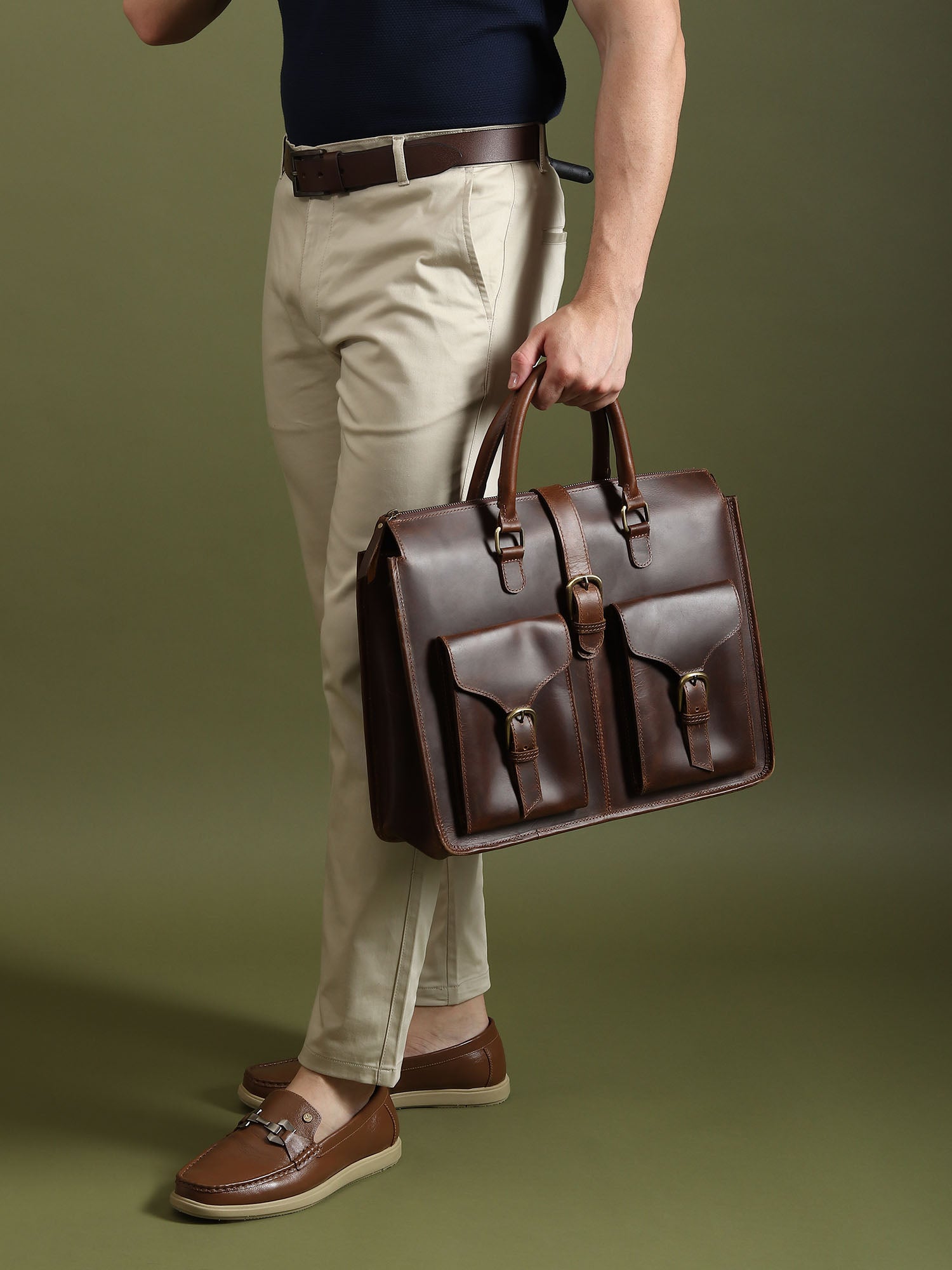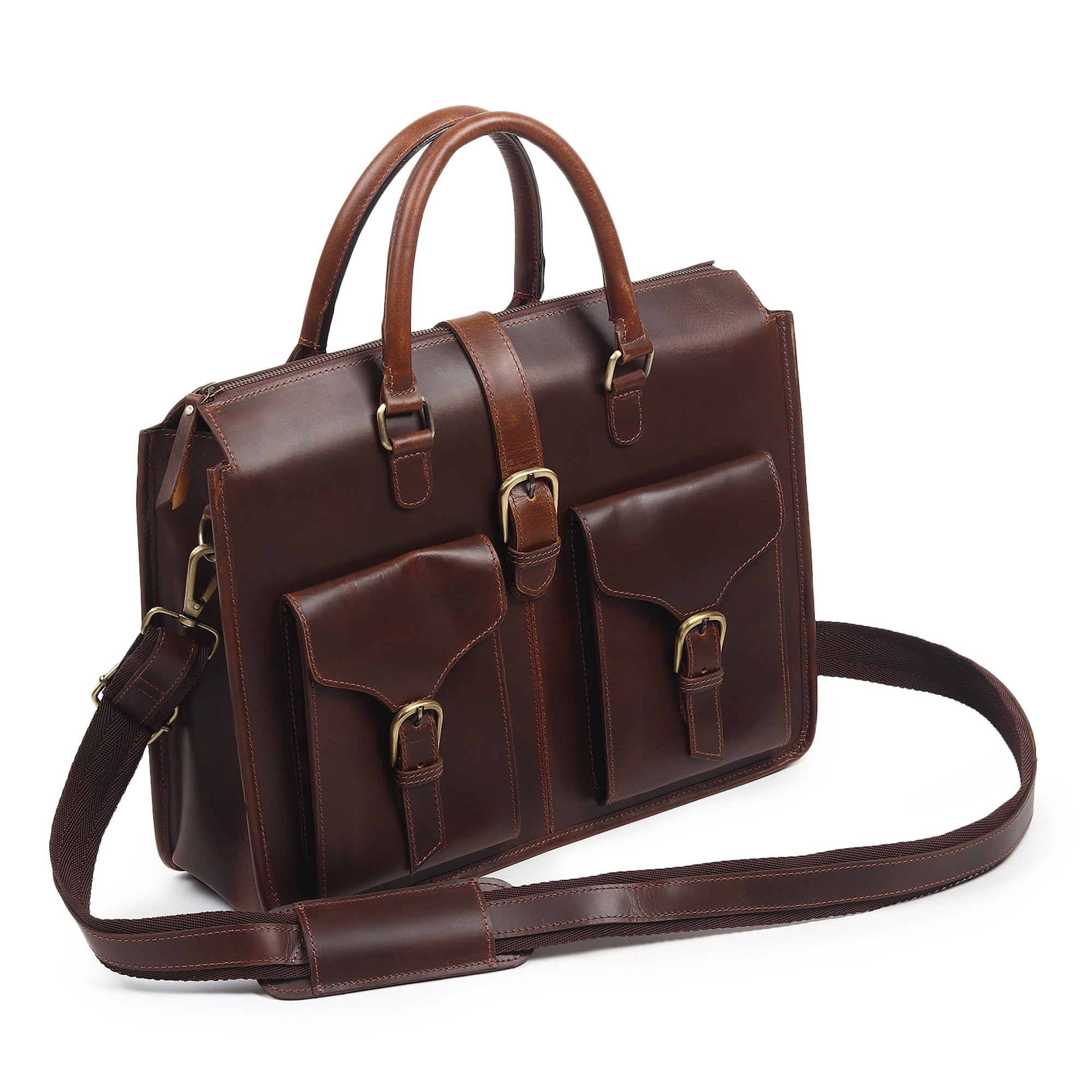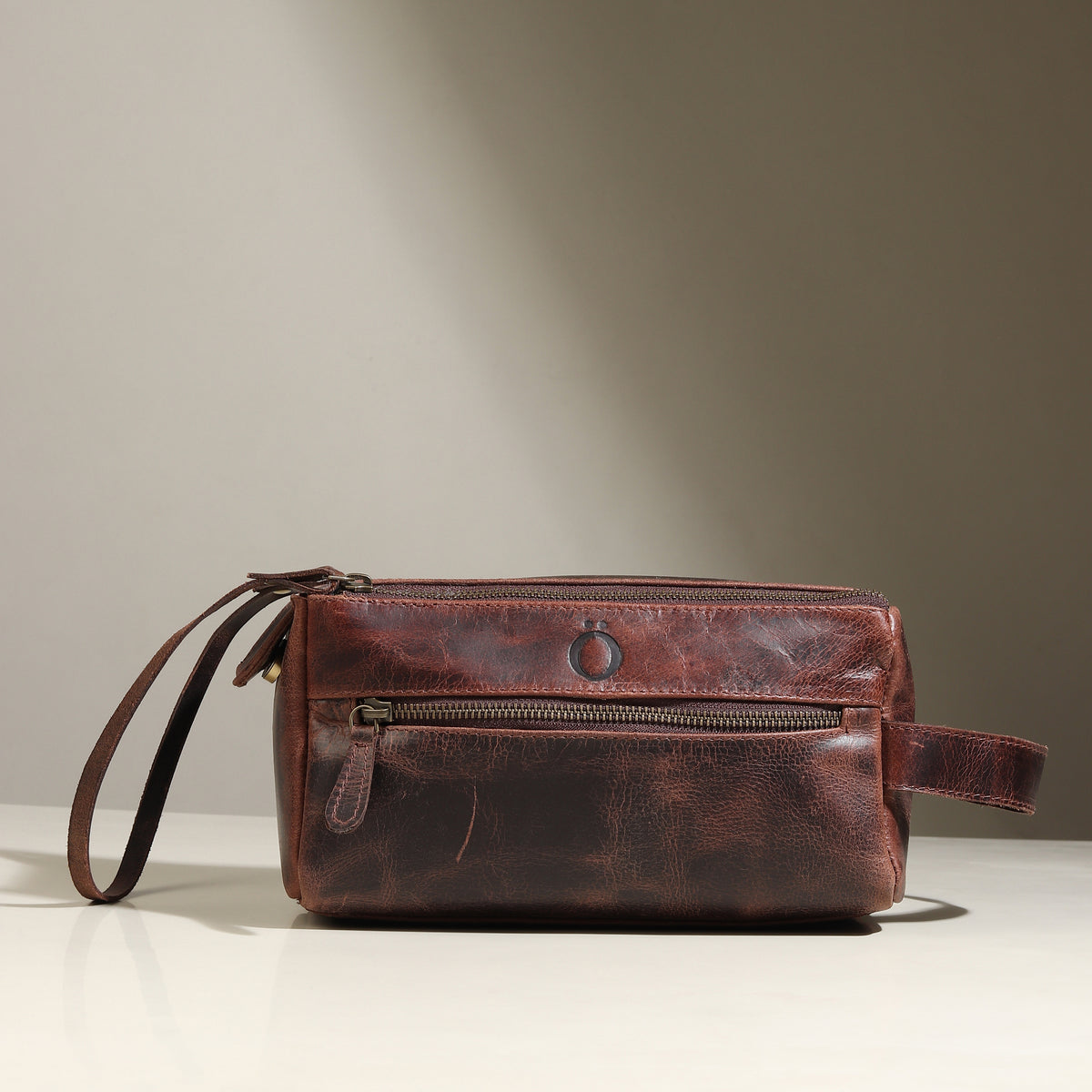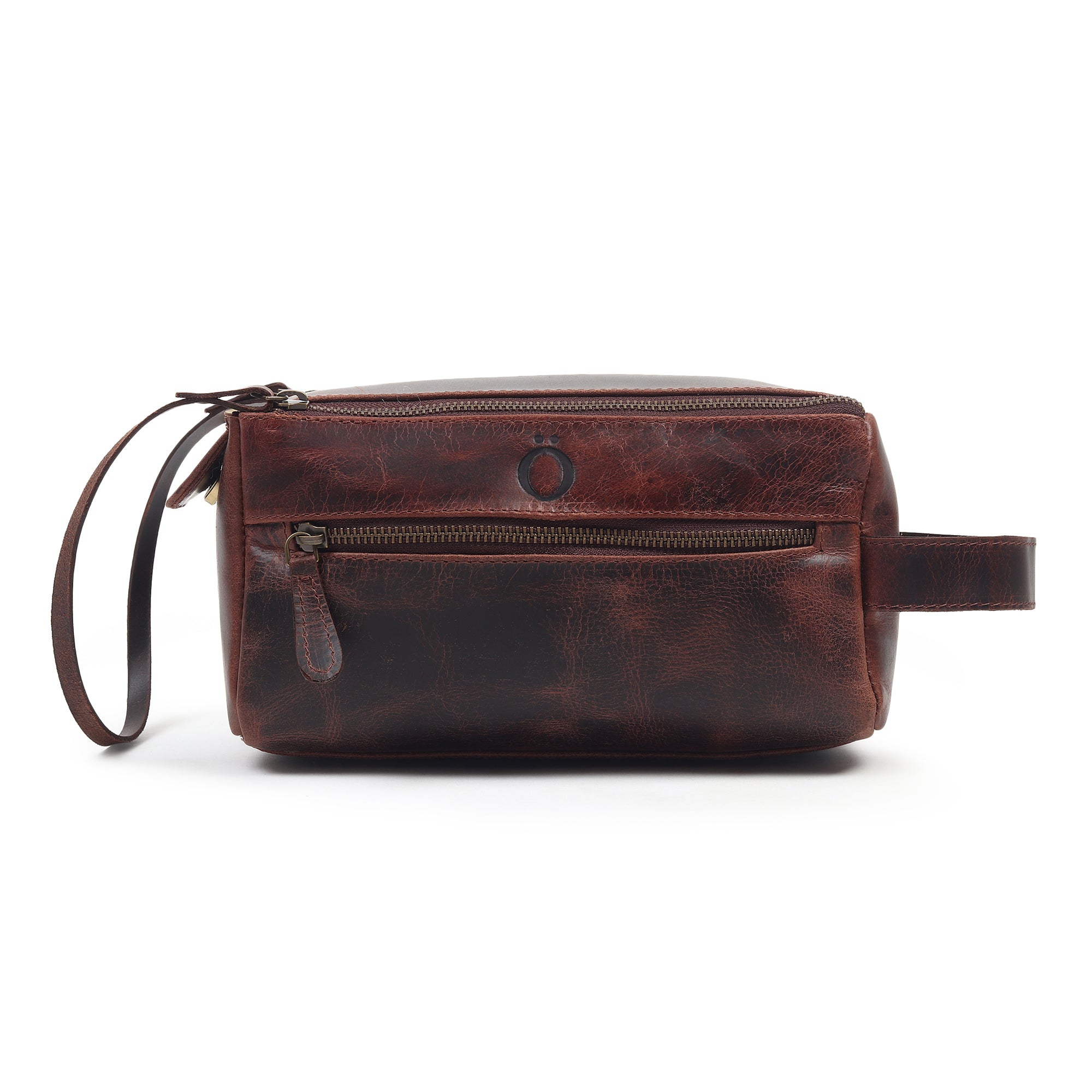


How Long Does a Full-Grain Leather Bag Last?
Quick answer: A well-made full-grain leather bag typically lasts 10–20 years or more with basic care \and often a lifetime. Unlike coated or bonded leather, full grain does not peel or flake; it wears in rather than out. The main limits on lifespan are stitching, edges, hardware and lining, not the leather itself.
What the leather actually does over time
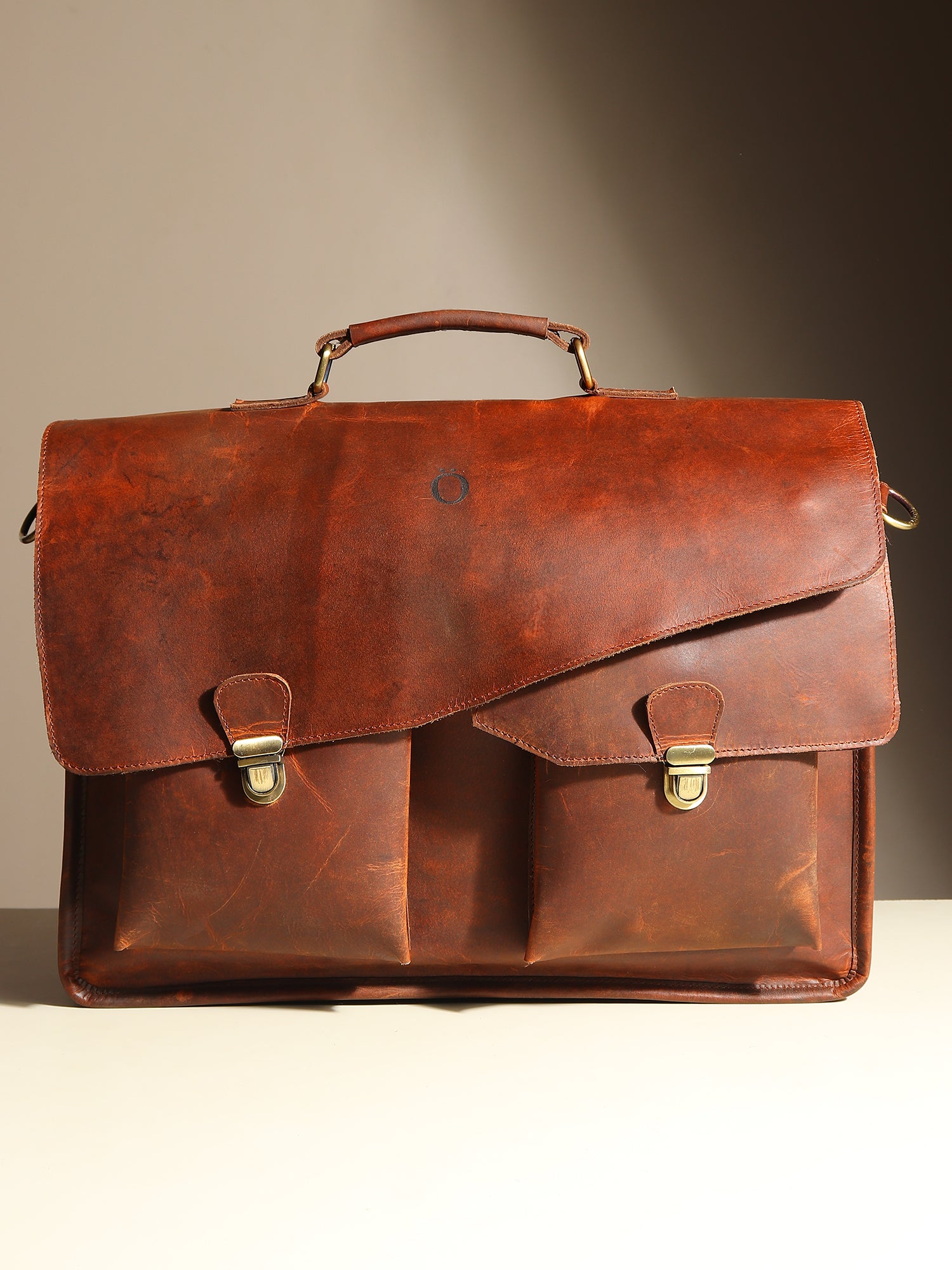
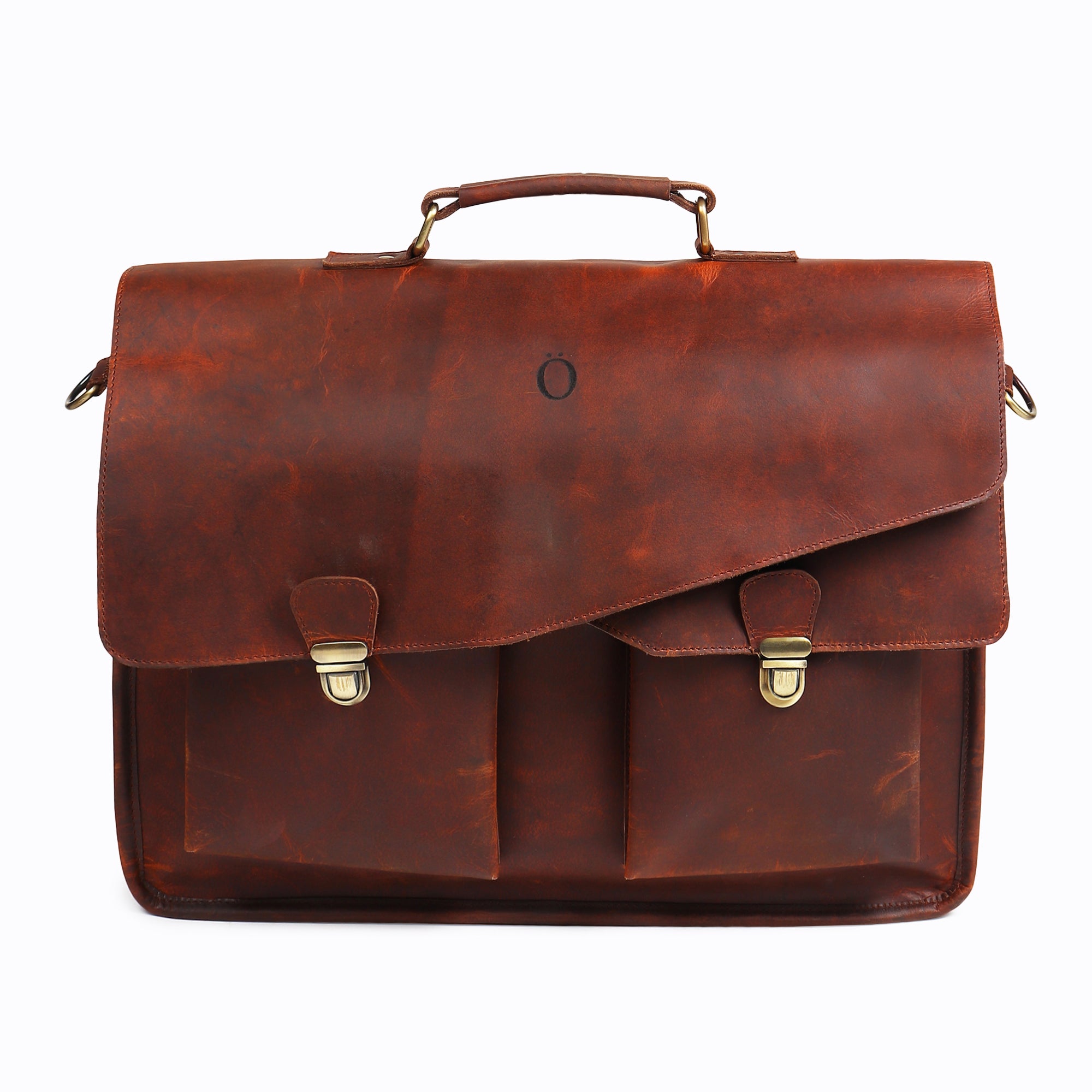
Full-grain leather is the outermost, densest layer of the hide, with its natural fibre structure intact. That structure is what gives it longevity: instead of a surface coating that cracks and lifts (the failure mode of cheap "genuine leather" and synthetics), full grain develops a patina and becomes more supple with use. The leather panel of a quality bag is rarely the first thing to fail.
What our owner data shows
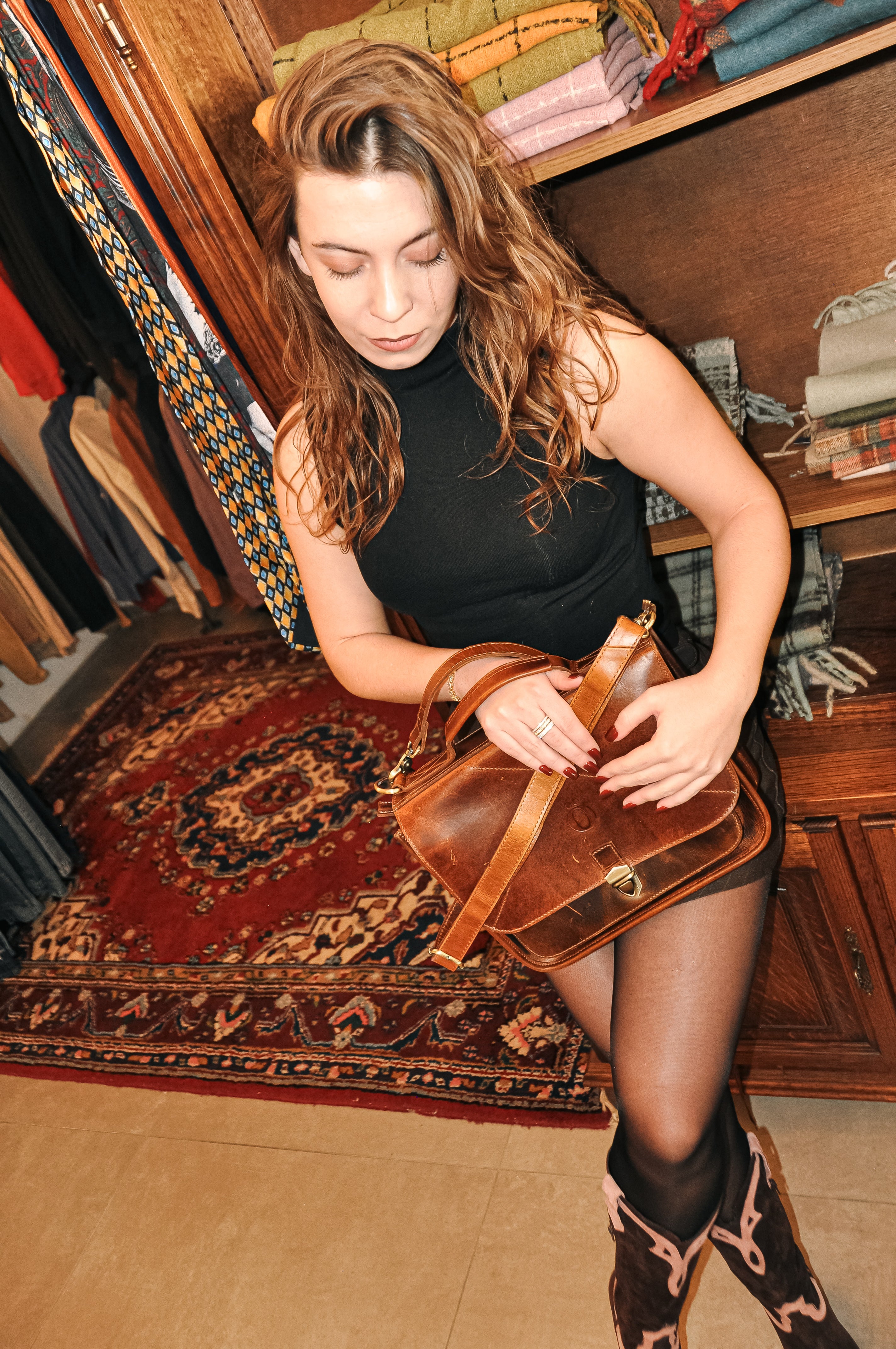
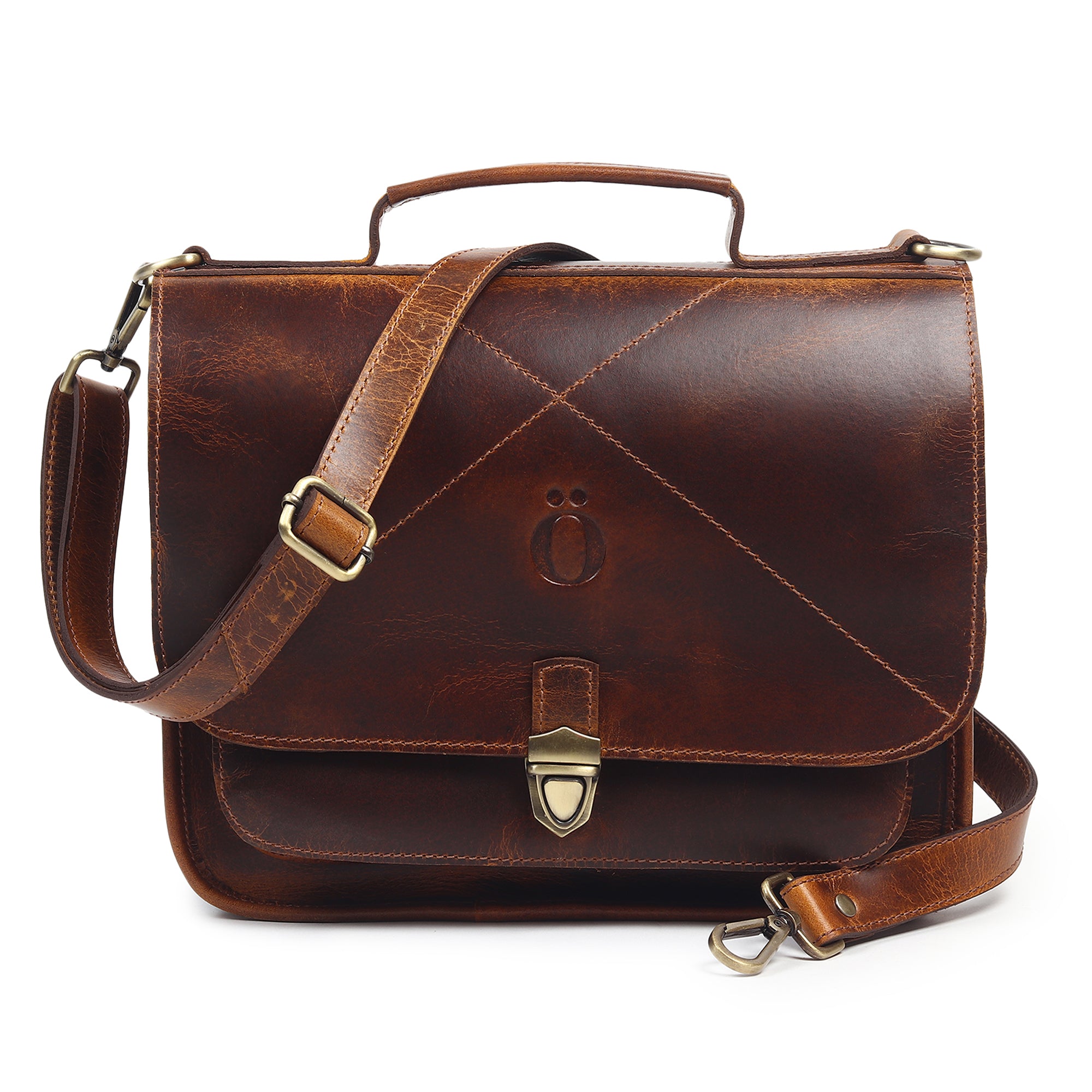
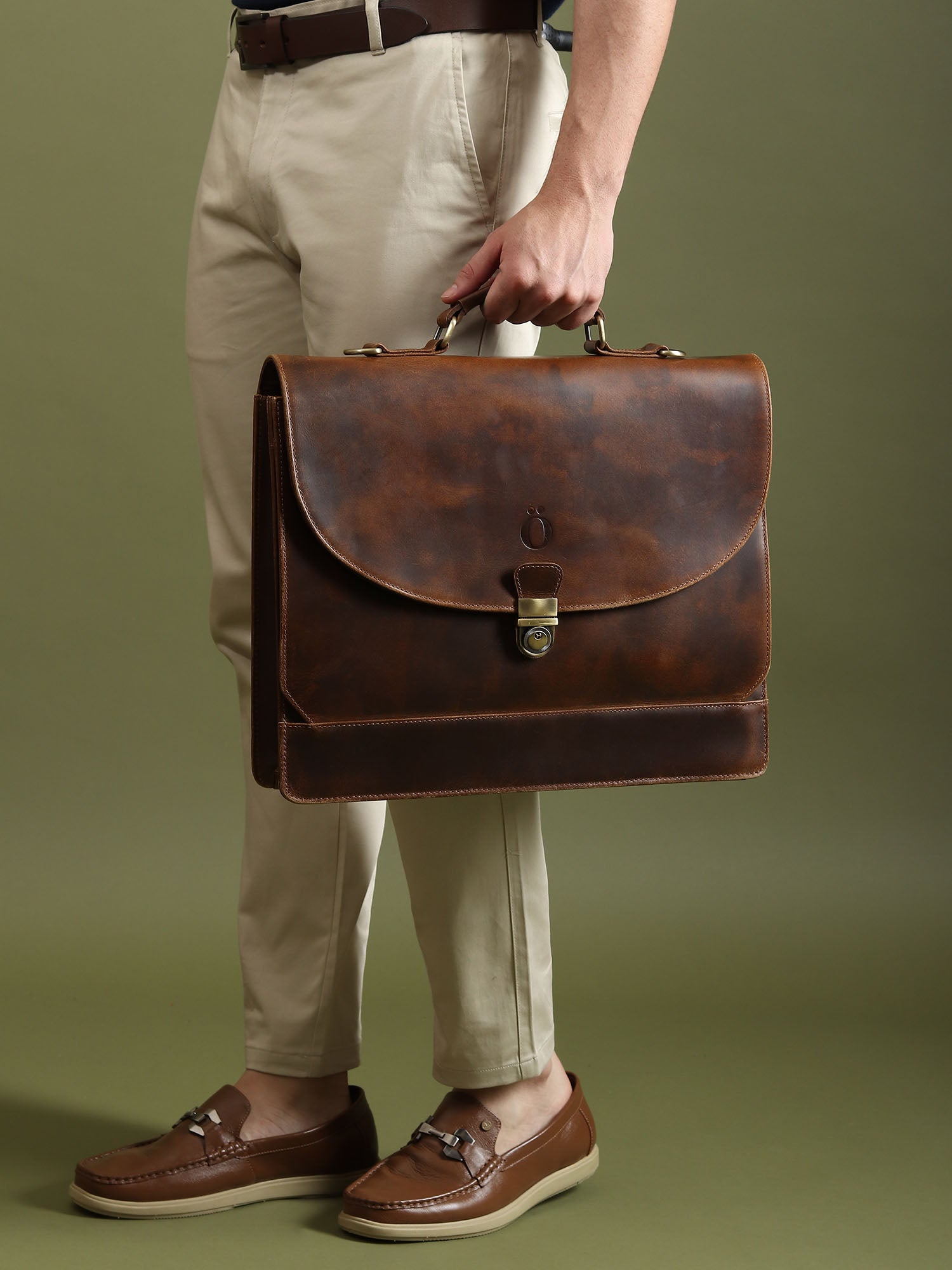
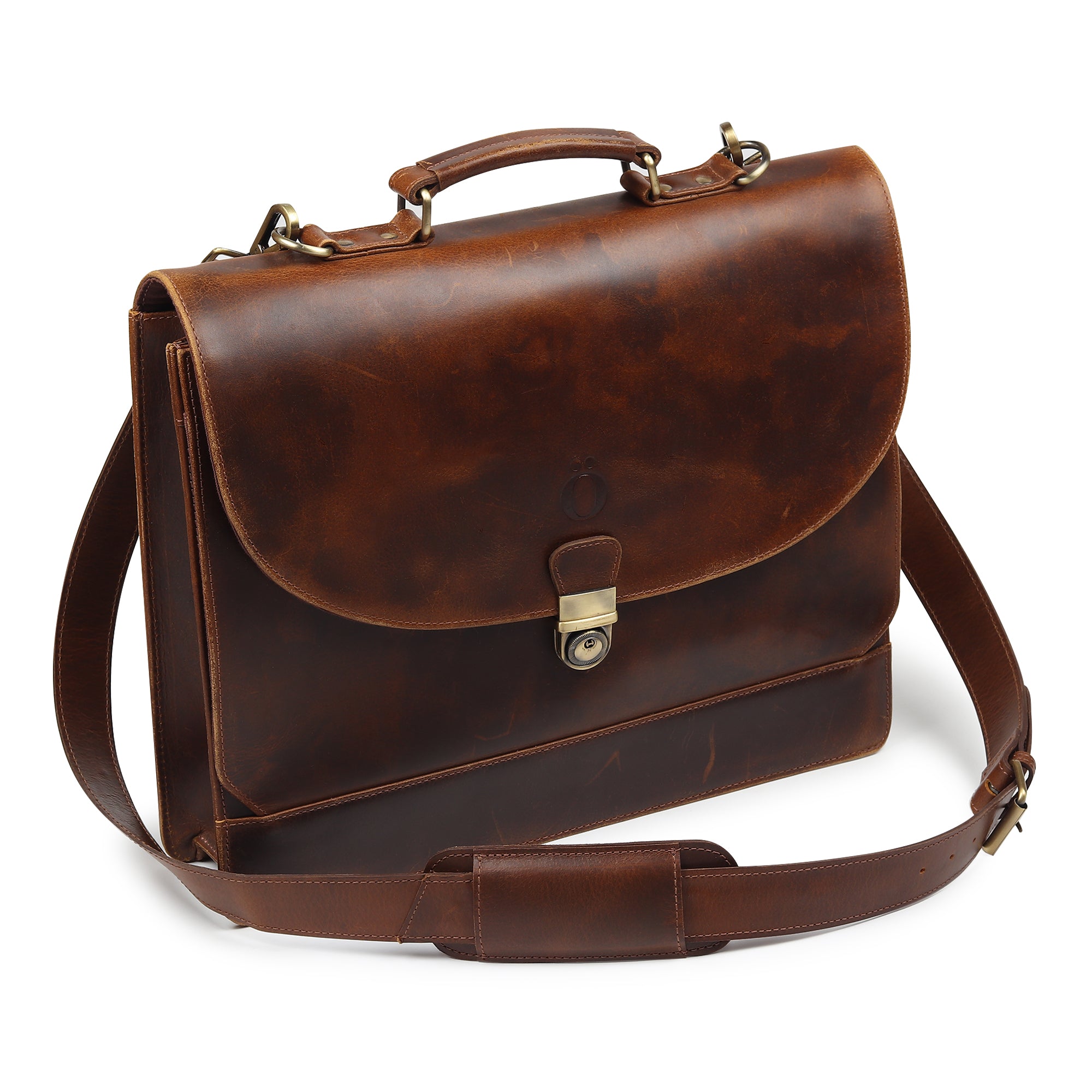
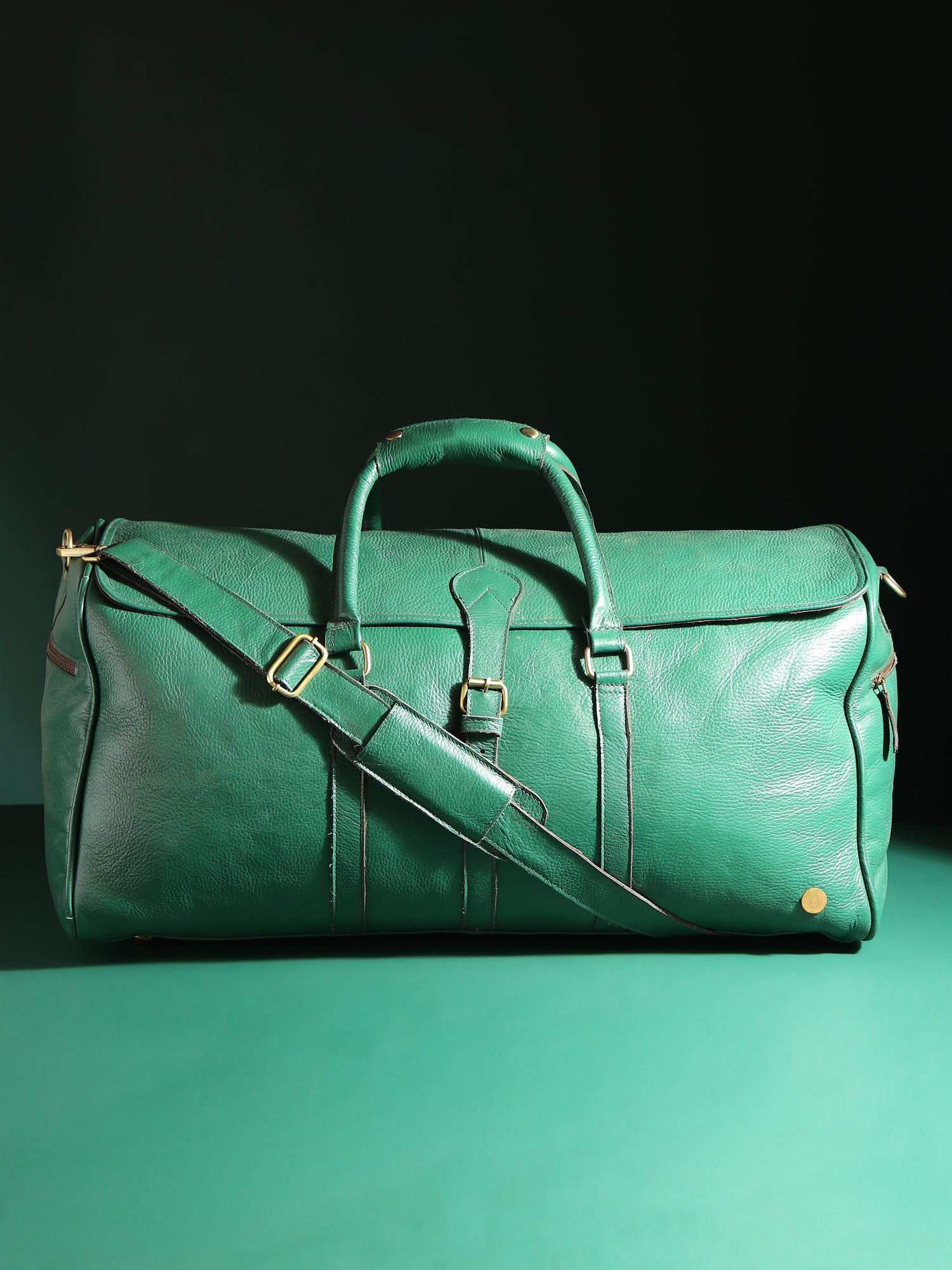
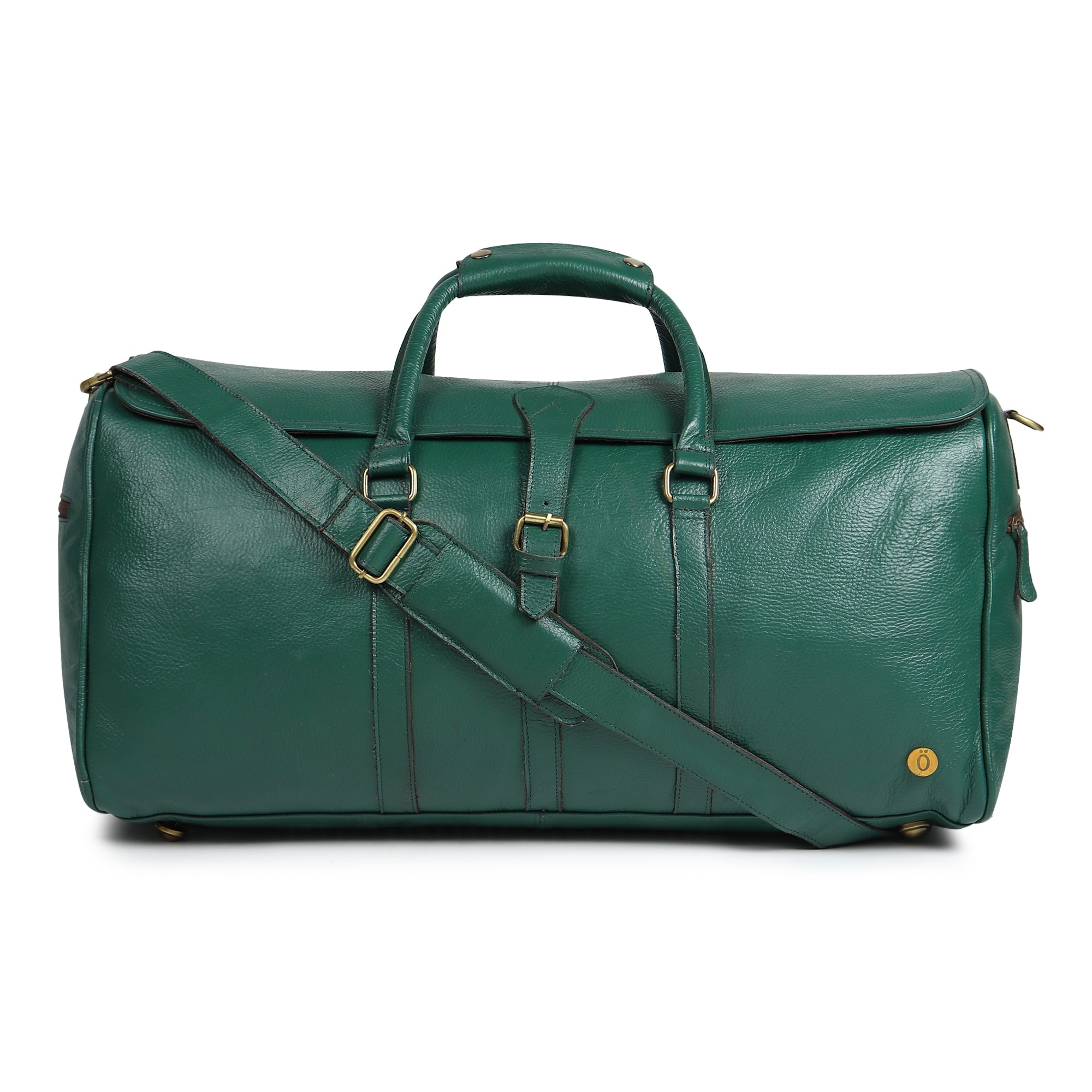
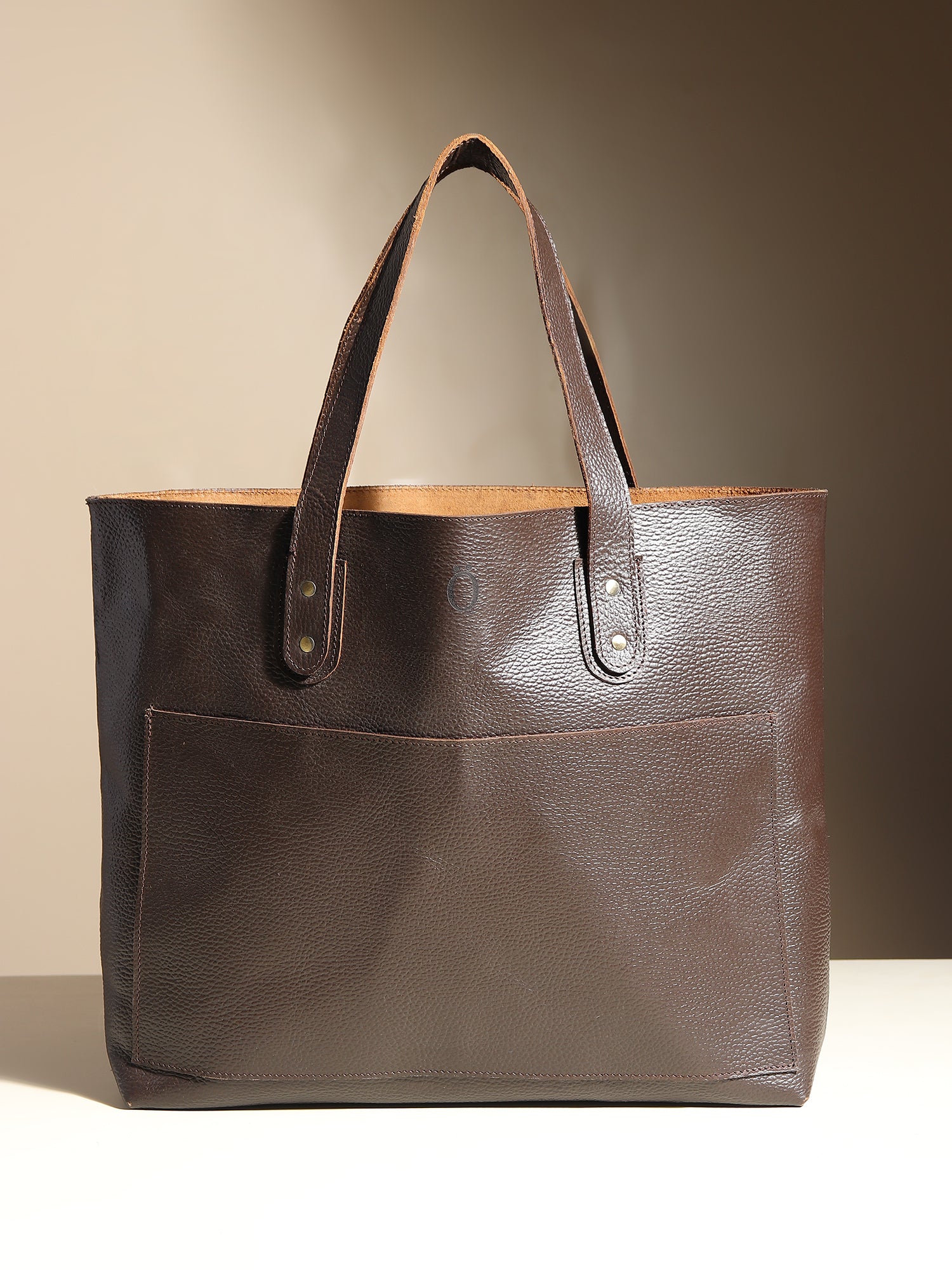
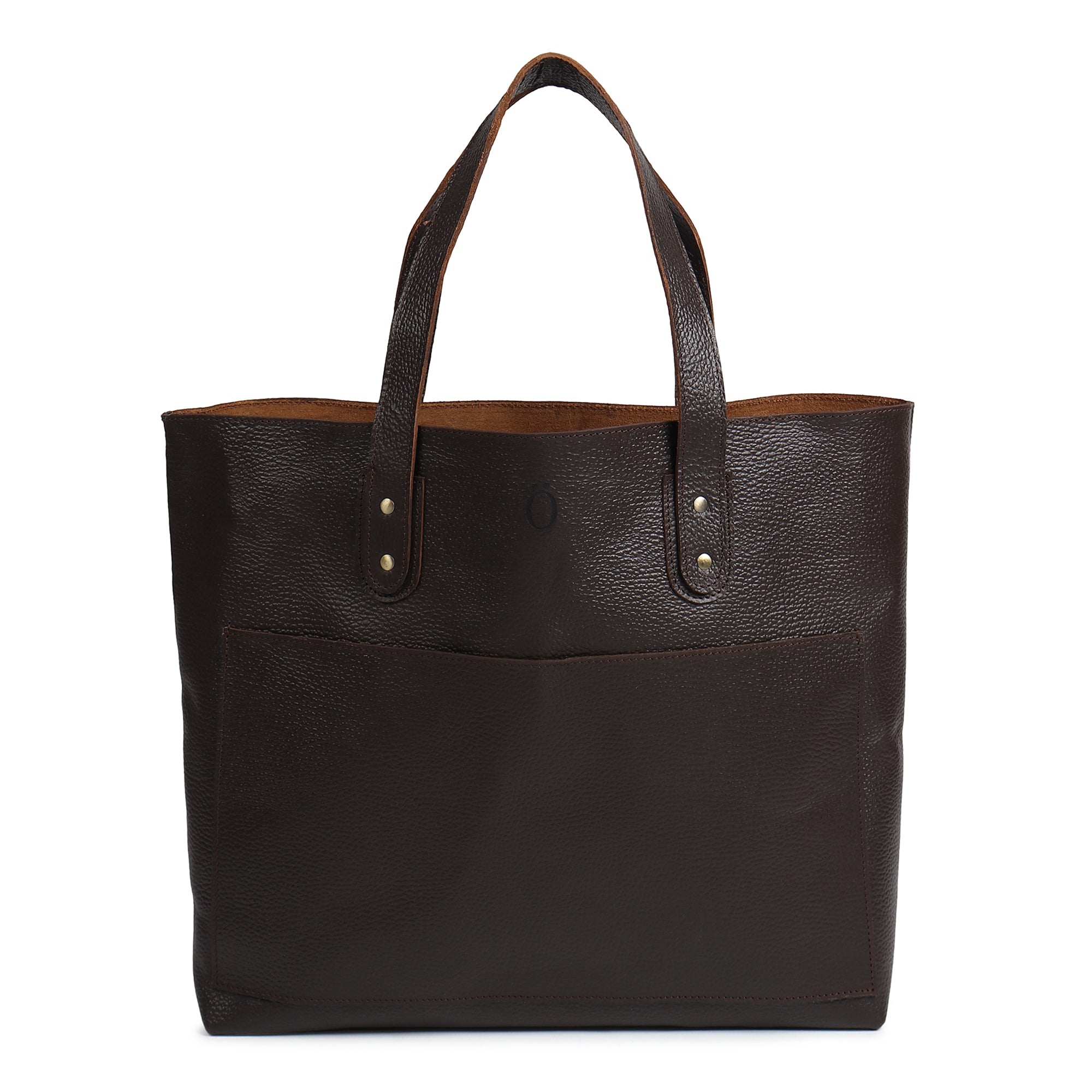
We looked at 3000+ verified customer reviews and [DATA: repeat-purchase / ownership figures] from people who own a Dotch full-grain buffalo bag.
-
40% of reviewers describe their bag as still in daily or weekly use after 2 years.
-
The most common long-term comment is Handmade with premium leather, mentioned in 60% of reviews.
-
Where wear was reported, it was most often edges, not the leather body consistent with the four failure points below.
The four things that actually wear out (and how to avoid them)
|
Failure point |
Why it happens |
How to extend its life |
|---|---|---|
|
Stitching |
Thread abrades or a seam takes repeated stress |
Choose saddle-stitched or heavily back-tacked stress points; avoid overloading |
|
Edges & corners |
Constant contact with floors, desks and car boots |
Rotate which side the bag rests on; condition edges lightly |
|
Hardware (zips, buckles, rivets) |
Mechanical wear; cheap zips fail first |
Look for solid metal hardware and YKK or equivalent zips; keep zips clean |
|
Lining |
Pens, keys and bottles tear or stain interiors |
Use a pouch for sharp items; spot-clean spills quickly |
Notice that the leather itself is not on this list. On a full-grain bag, scuffs and darkening are cosmetic and usually desirable. Replaceable failures a re-stitched seam or a swapped zip pull are what a good leather repairer fixes, which is why these bags are economically worth repairing and fast-fashion bags are not.
Is full-grain worth it? The cost-per-year maths
The honest way to compare a leather bag to a cheaper synthetic one is cost per year of use, not sticker price.
|
Full-grain leather bag |
Typical synthetic/fast-fashion bag |
|
|---|---|---|
|
Upfront cost |
Higher |
Lower |
|
Realistic lifespan |
10–20+ years |
1–3 years before peeling/failure |
|
Repairable? |
Yes (stitching, hardware) |
Rarely worth repairing |
|
Cost per year |
Low over its lifetime |
Higher than it looks once replaced repeatedly |
A bag that costs more once but lasts fifteen years can work out cheaper per year than a coated bag replaced every couple of seasons before counting the waste avoided.
Frequently asked questions
-
How long does a full-grain leather bag last? With basic care, 10–20 years or more is realistic, and often a lifetime. Full-grain leather wears in rather than peeling like coated or bonded leather.
-
Do leather bags wear out? The leather rarely fails first. Stitching, edges, hardware and lining are the parts that wear, and all of these can usually be repaired, which is why quality leather bags are worth maintaining.
-
Are expensive leather bags worth it? If the bag is full-grain and well-constructed, a higher upfront price often works out to a lower cost per year because it lasts many times longer than a cheap synthetic bag.
- How do I make a leather bag last longer? Avoid overloading stress points, keep it dry, condition it occasionally, store it with airflow, and deal with spills and stuck zips promptly.