

Briefcase vs Messenger Bag vs Backpack: Choosing the Right Work Bag
A briefcase suits formal offices and structured daily carry, a messenger bag suits quick access and shorter commutes, and a backpack suits longer commutes, heavier loads, or hands-free travel. The right choice depends less on style preference and more on how far you travel, what you carry, and how formal your workplace expects you to look.
Choosing a work bag is one of those decisions that seems simple until you actually live with the wrong one for a few weeks — a briefcase that strains your shoulder on a long commute, or a backpack that looks out of place walking into a client meeting. Here’s how the three compare on the factors that actually matter.
Briefcase: Best for Formal, Short-to-Medium Carry
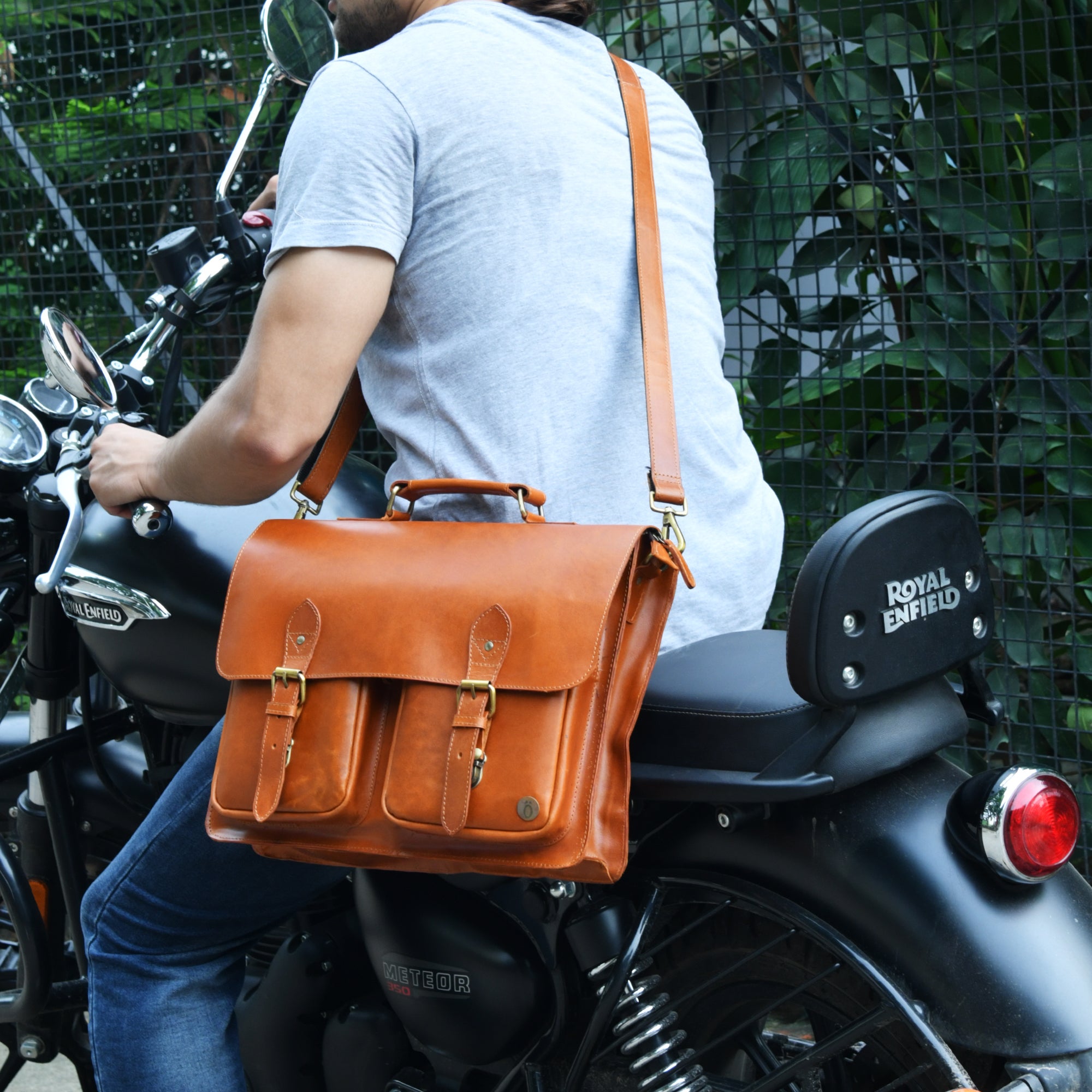
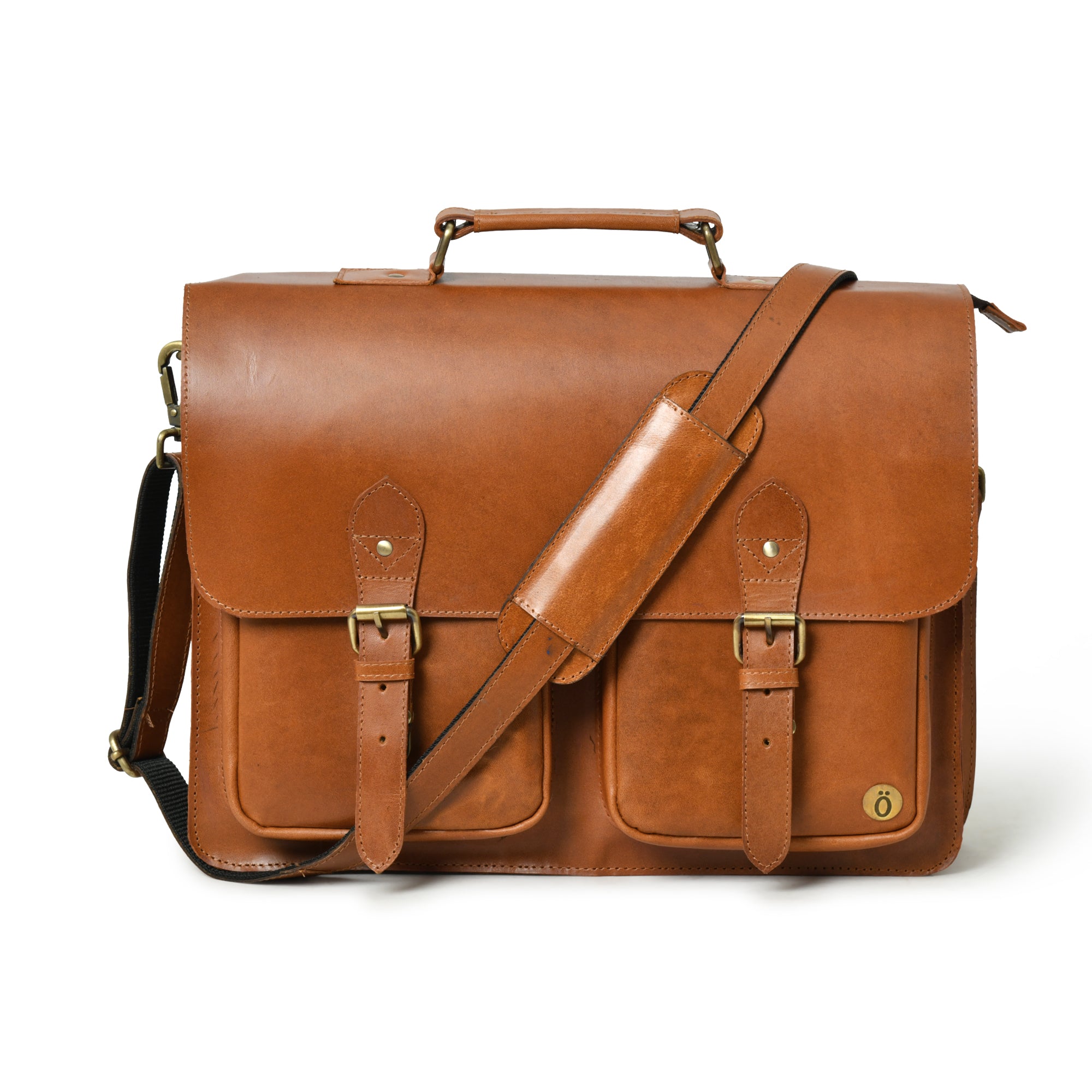
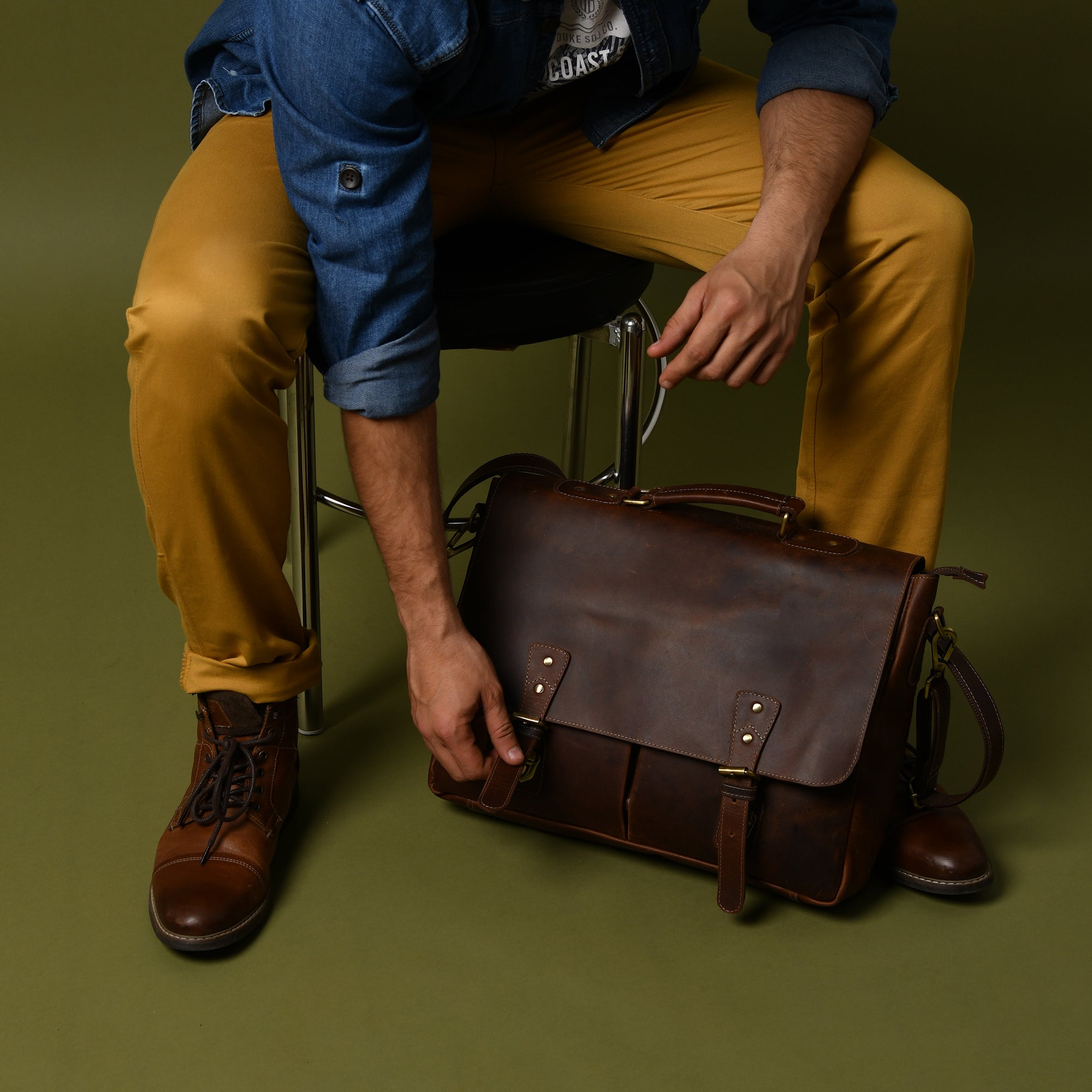
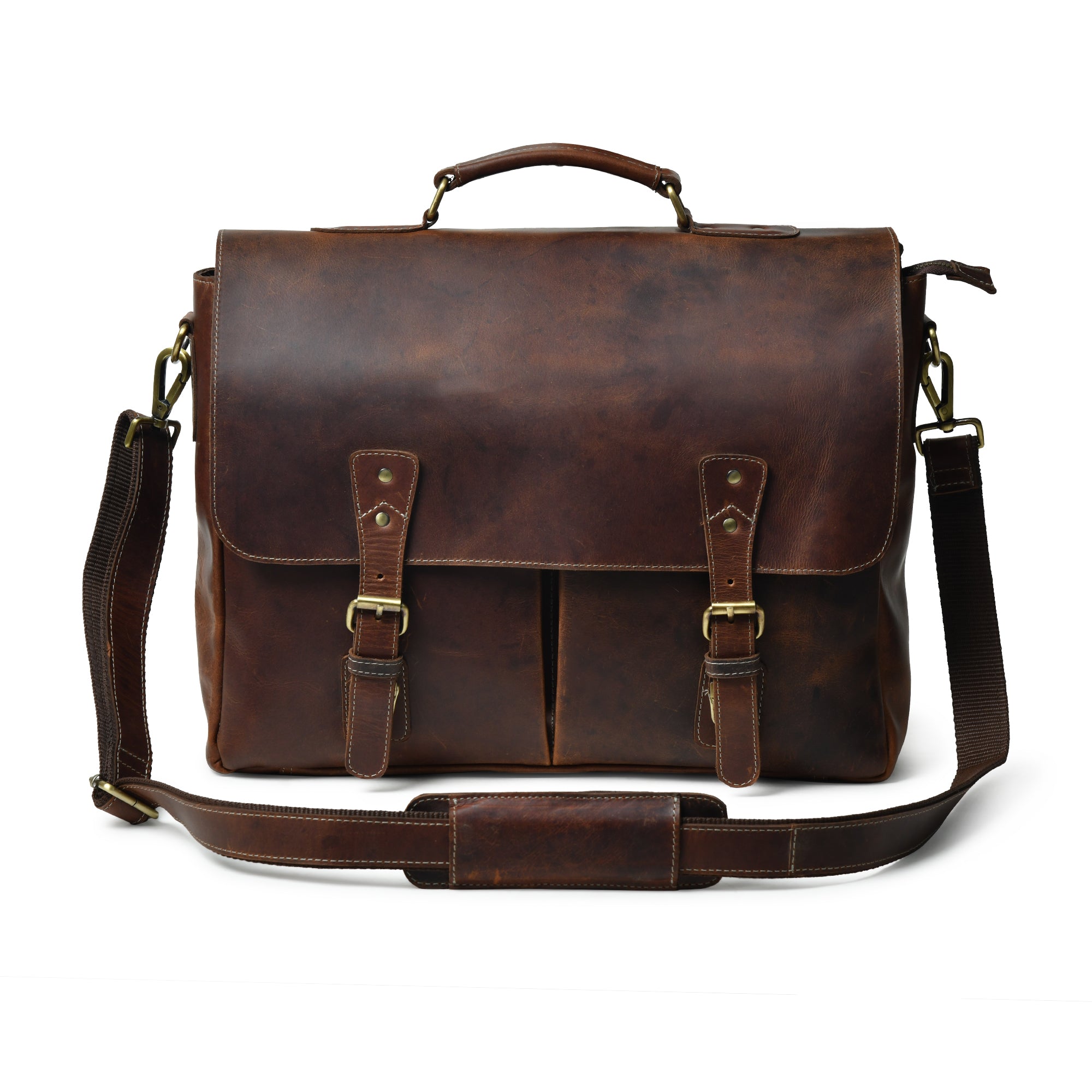
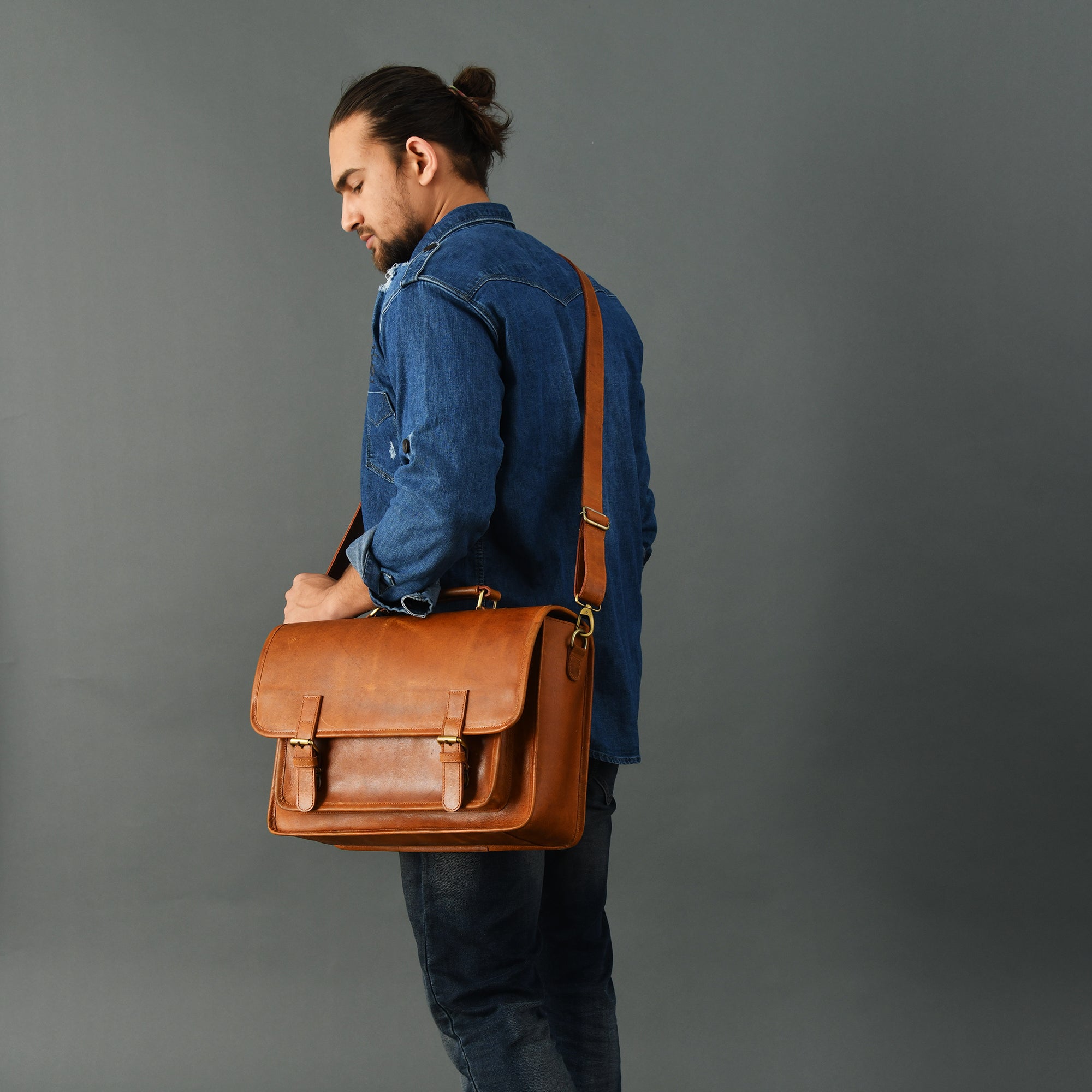
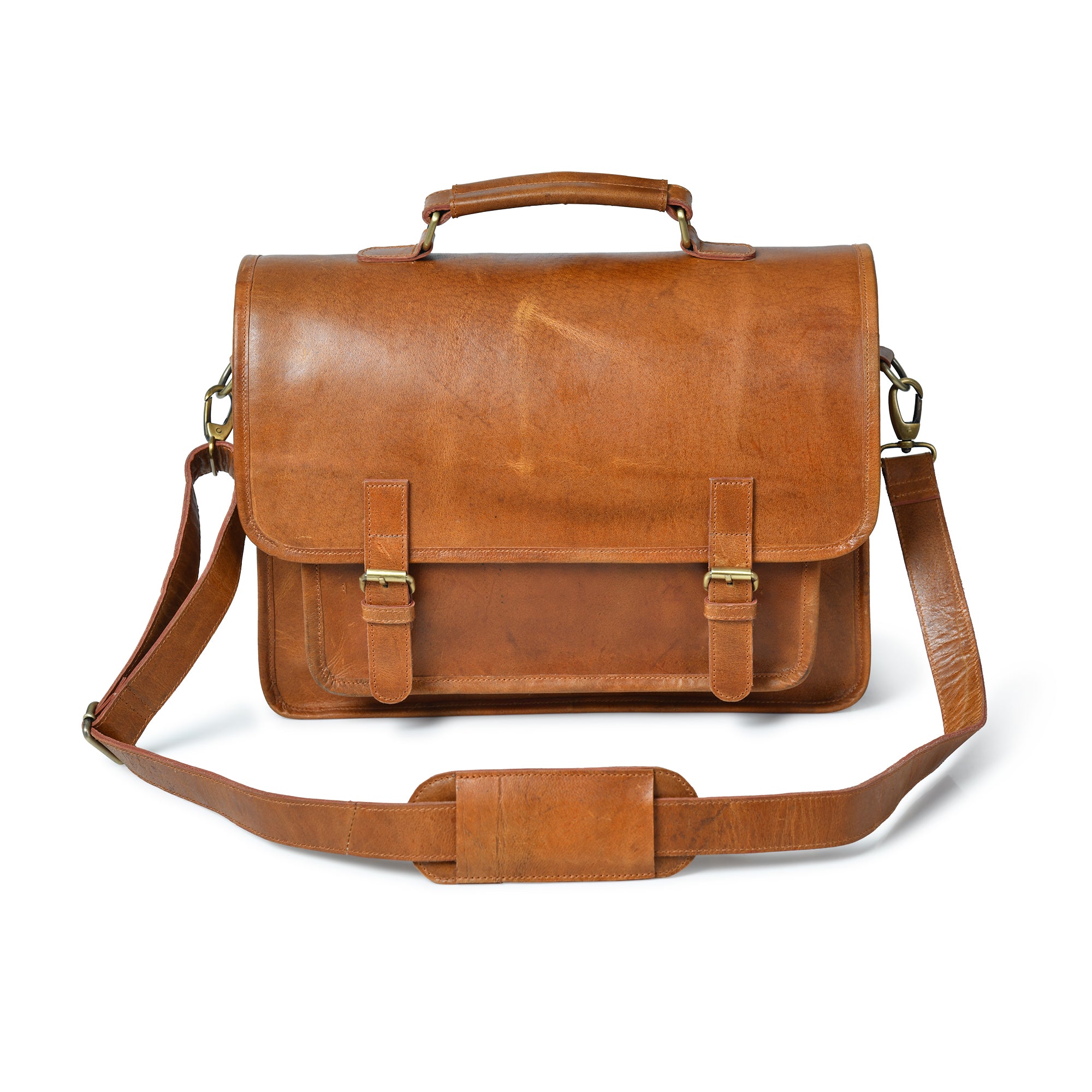
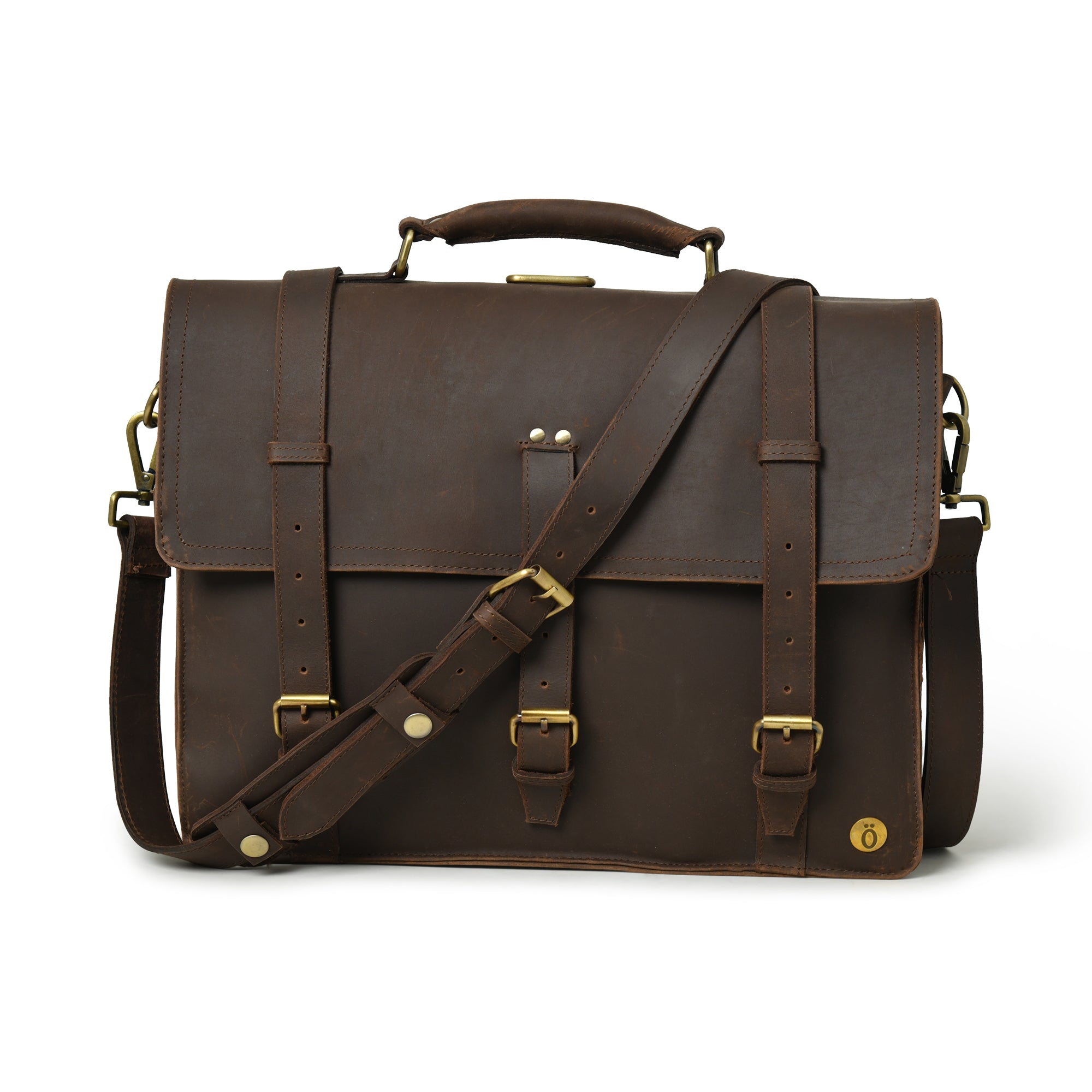
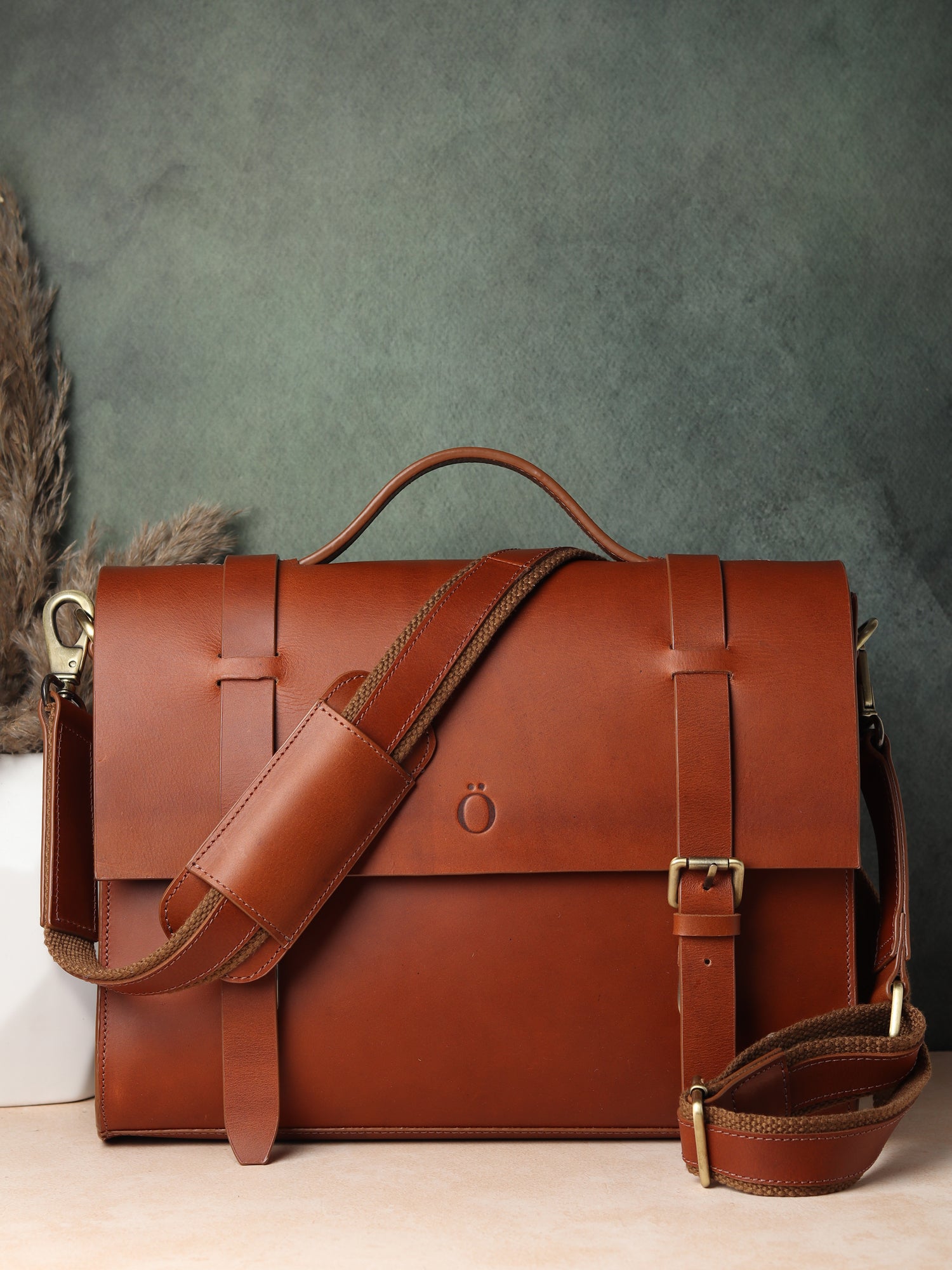
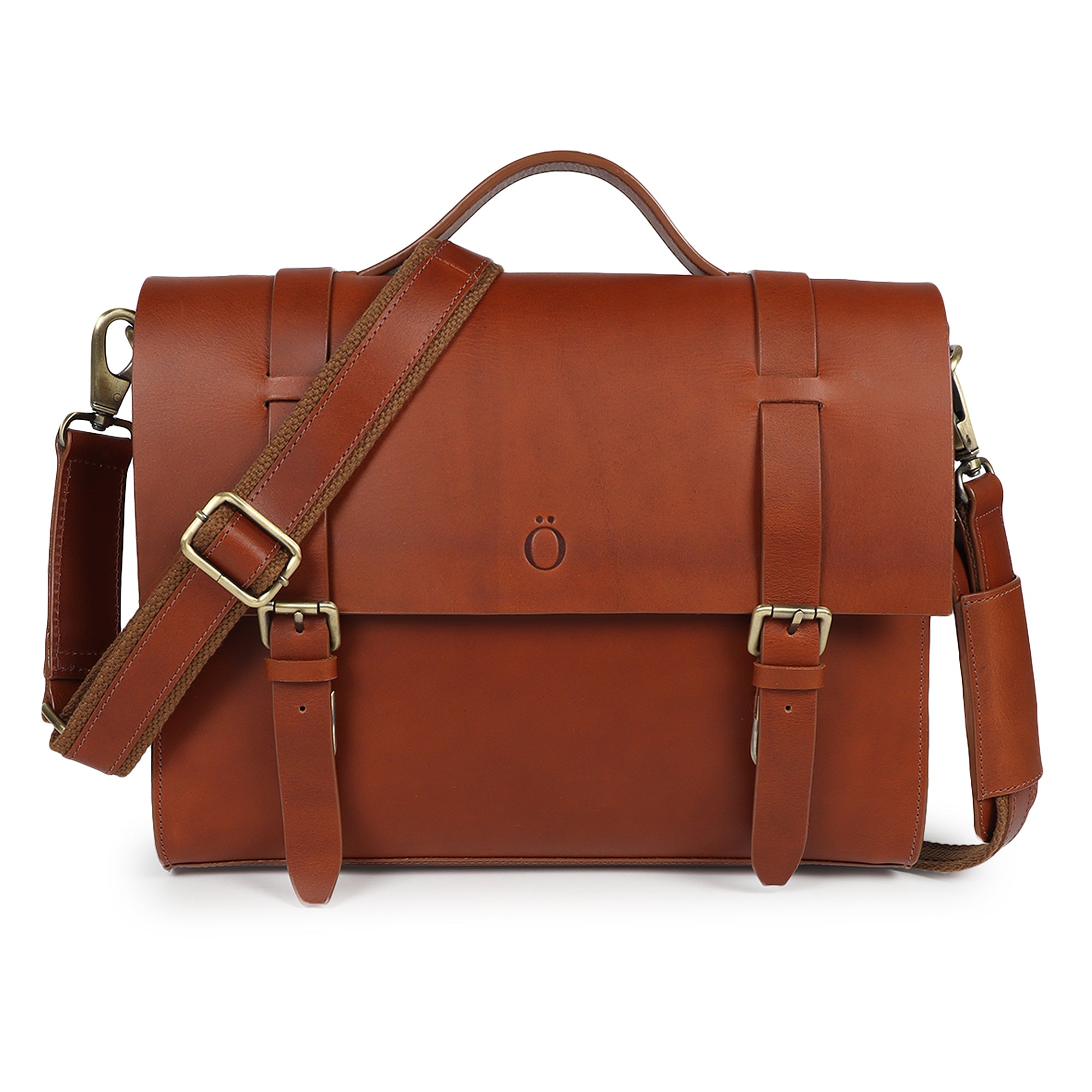
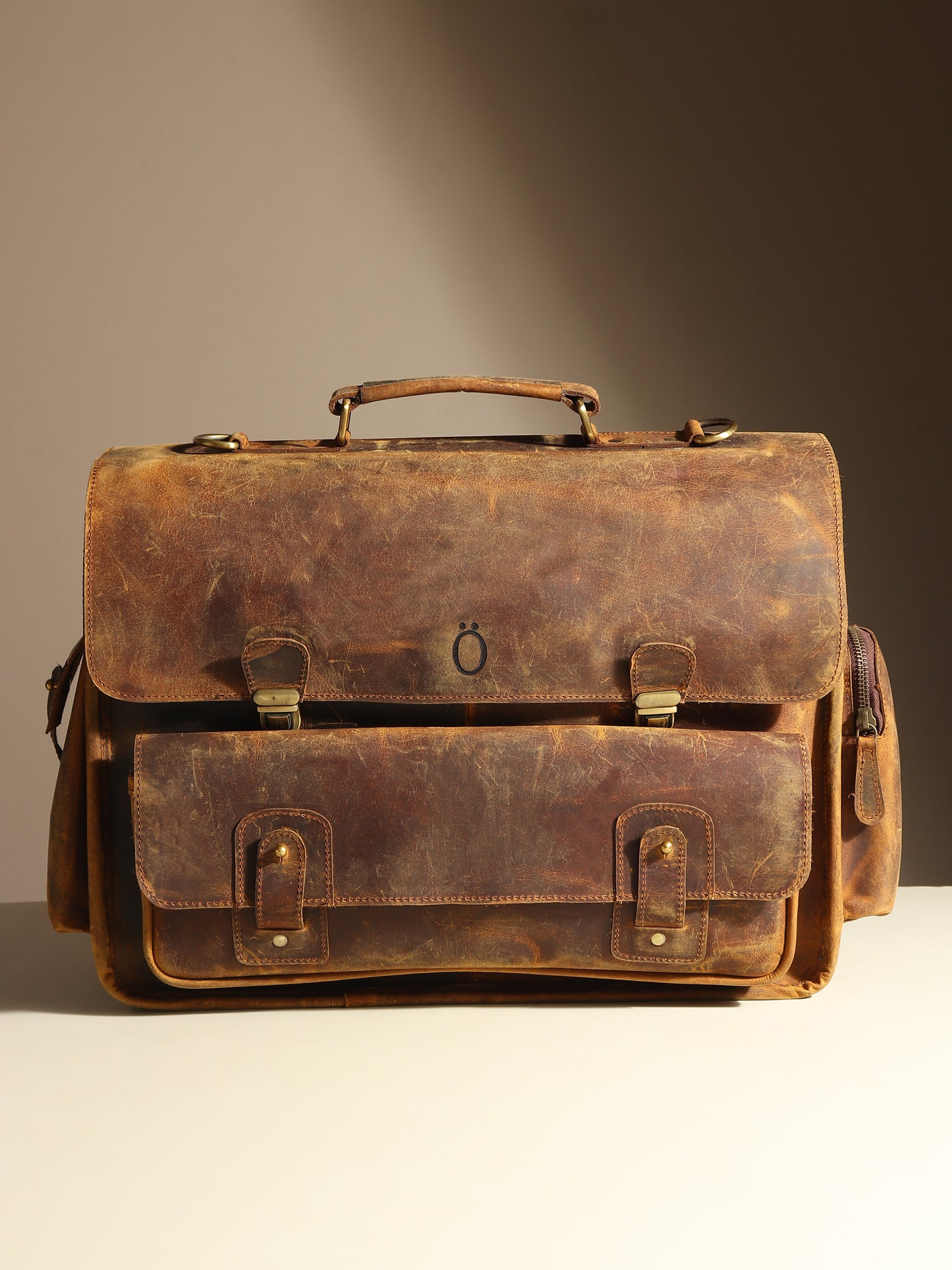
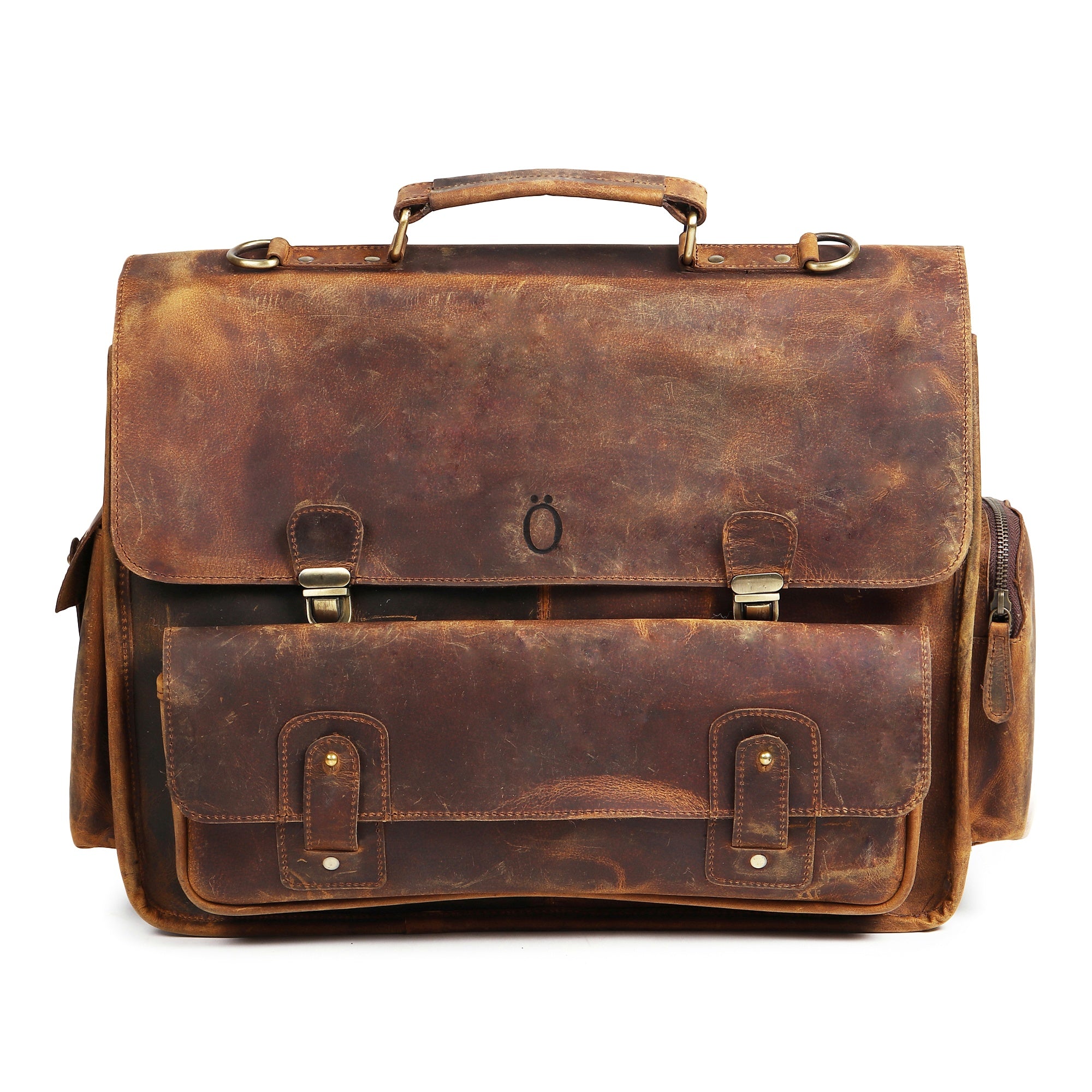
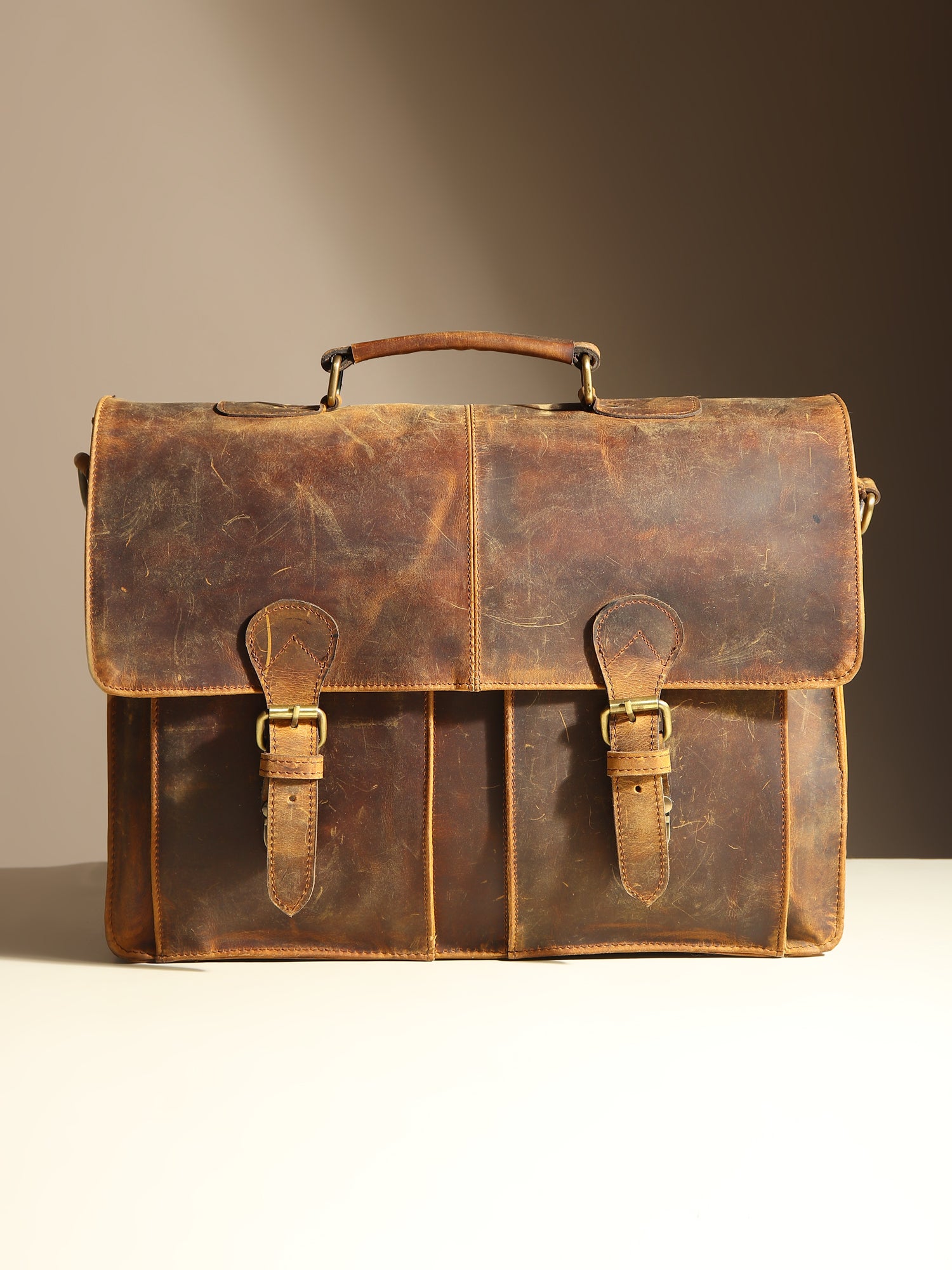
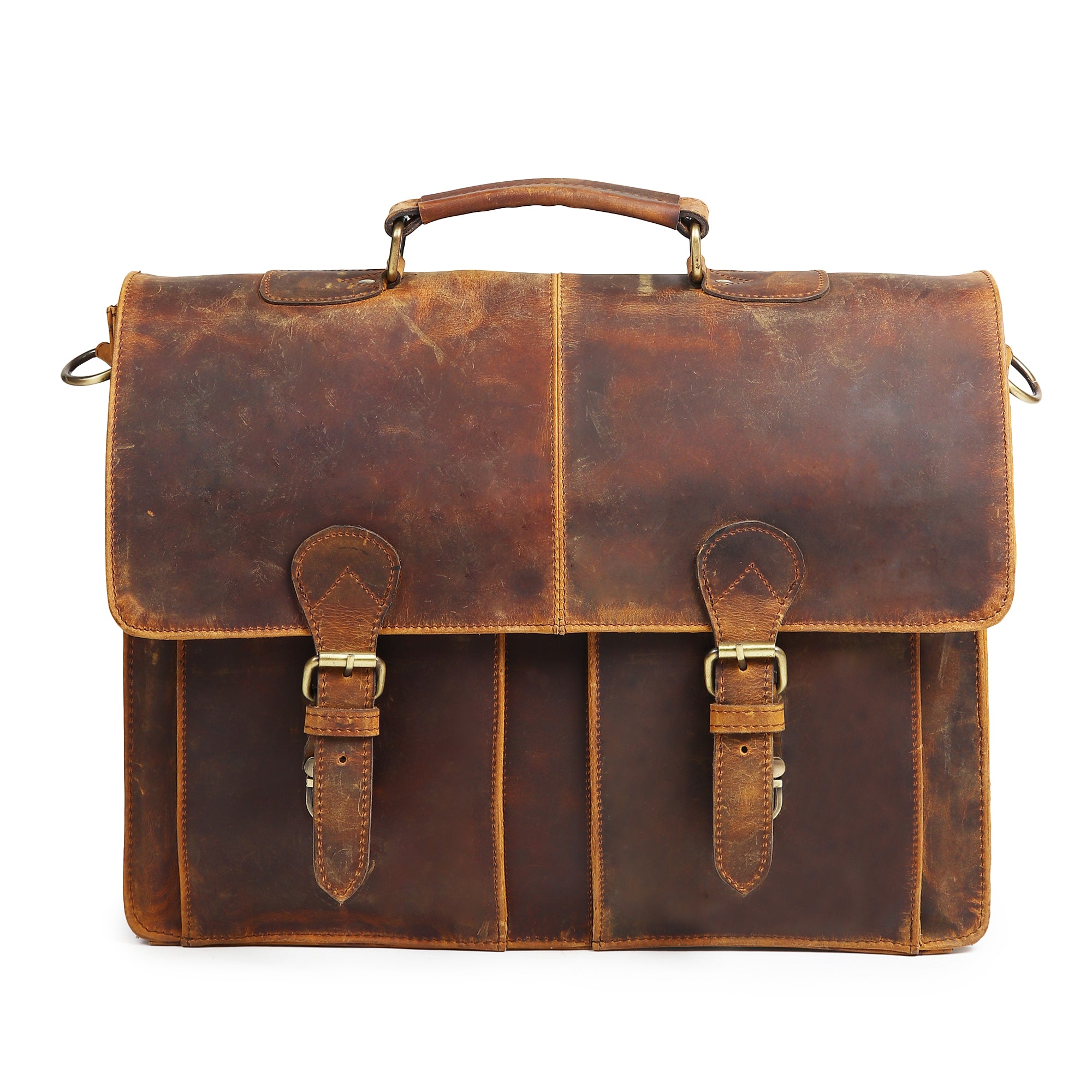
A structured leather briefcase remains the most formal of the three, and it’s still the default choice in law, finance, and client-facing roles where appearance carries real weight.
Strengths: - Projects a polished, professional image in any meeting or office setting - Structured shape protects laptops and documents from bending or crushing - Easy to set down and open flat on a desk or table
Limitations: - Carried in one hand or over one shoulder, which can strain that side on longer commutes - Limited capacity compared to a backpack — not ideal for carrying a change of clothes or gym kit - Less practical for cycling, walking long distances, or standing commutes on public transport
Briefcases suit people whose commute is short (a taxi, a short walk, a car) and whose day is spent mostly in offices or meetings rather than in transit.
Messenger Bag: Best for Quick Access and Versatility
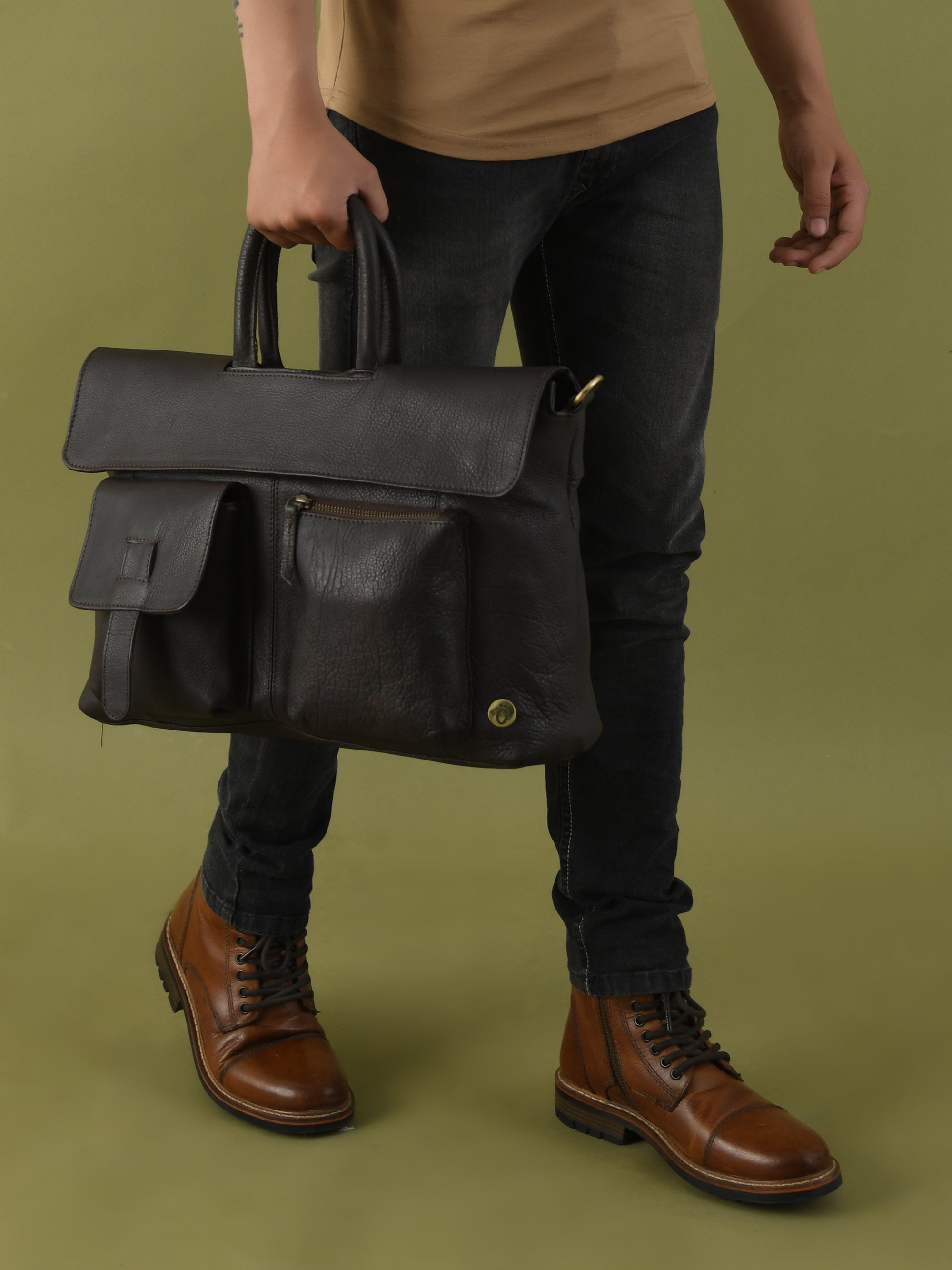
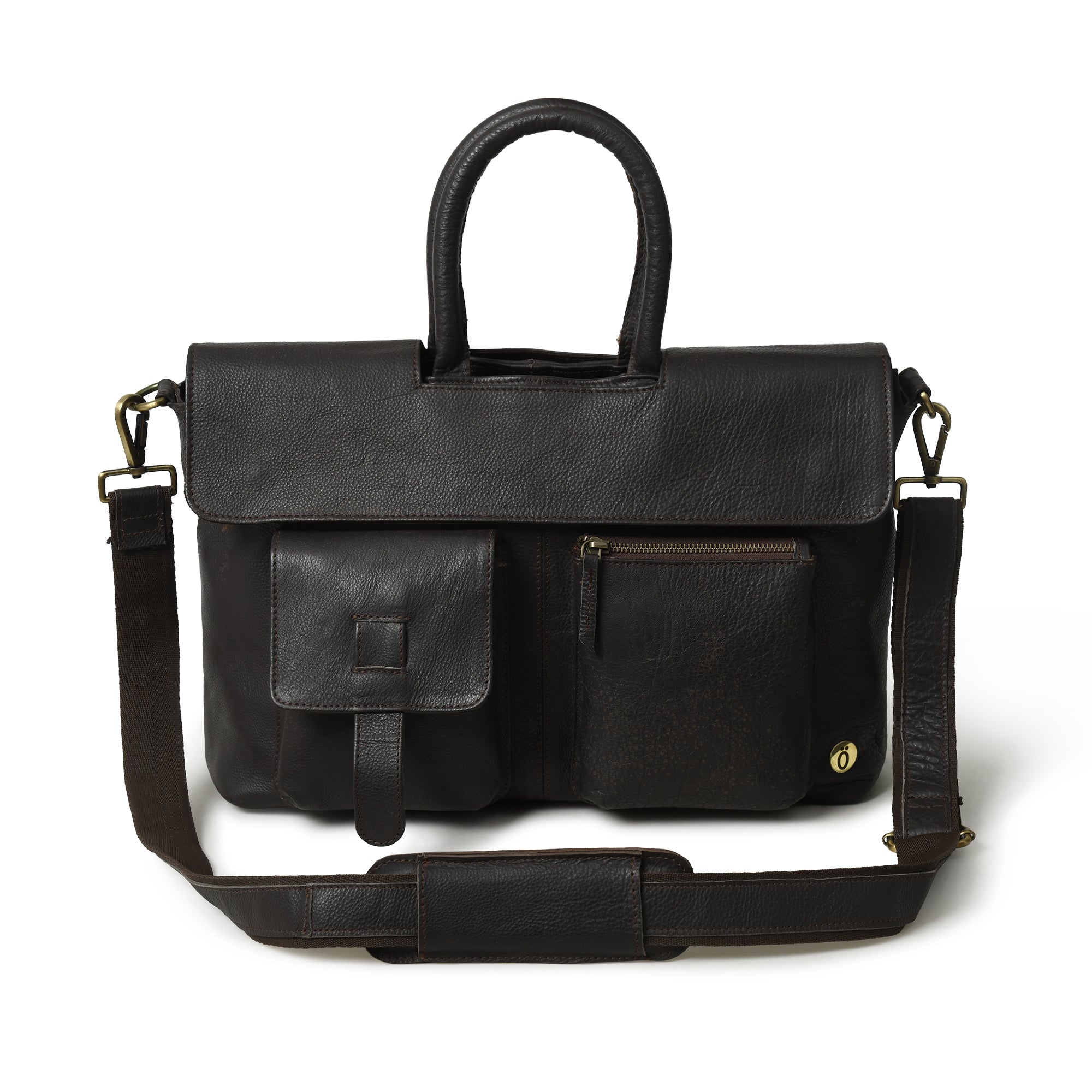
The messenger bag sits between the two extremes — less formal than a briefcase, less bulky than a backpack, and worn across the body for stability.
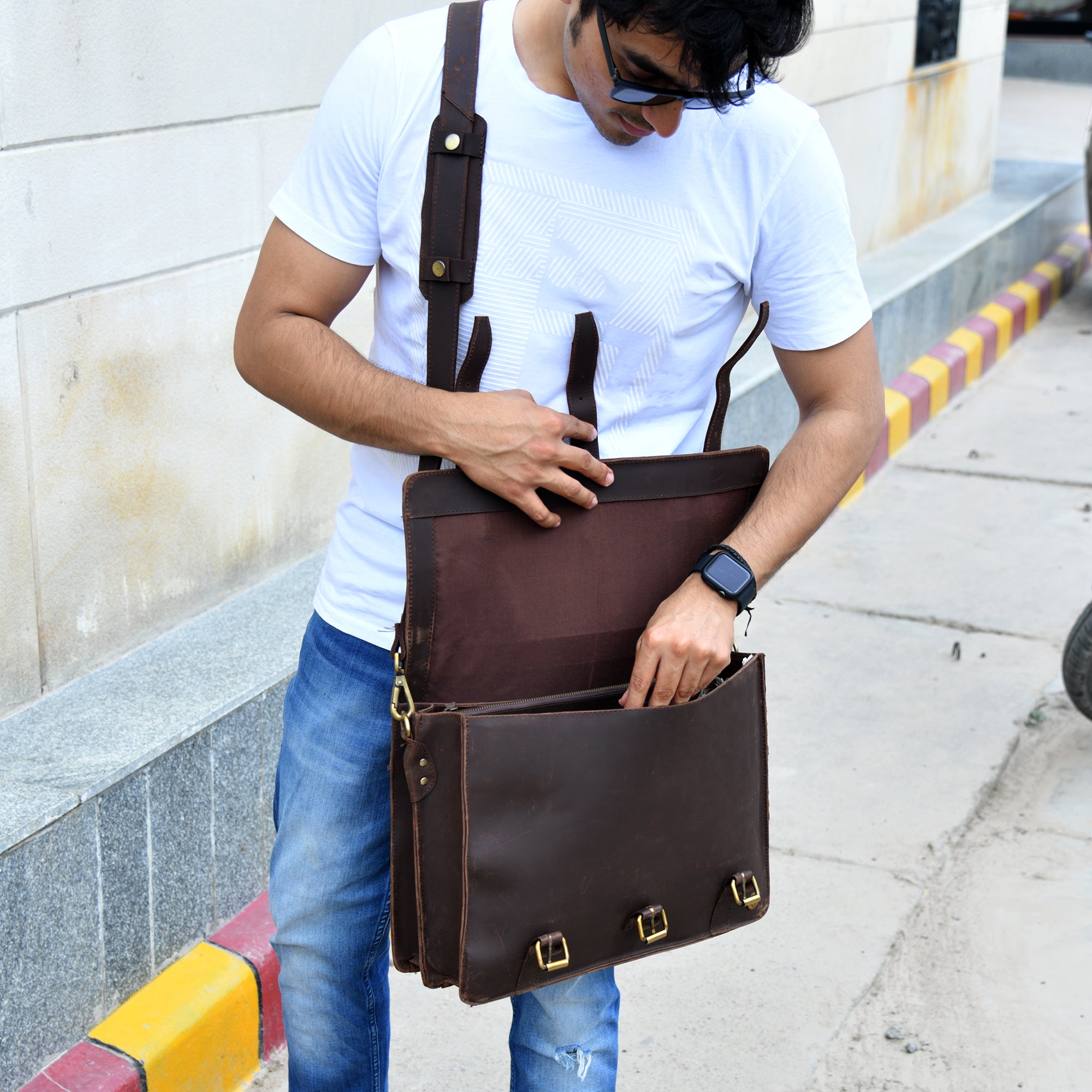
Strengths: - Cross-body strap distributes weight better than a one-shoulder briefcase - Front flap allows quick access to a laptop or documents without fully opening the bag - Works reasonably well in both business-casual and casual settings
Limitations: - Weight sits on one shoulder and hip, which can become uncomfortable on very long commutes - Slightly less formal than a briefcase, which matters in strictly traditional office environments - Capacity is moderate — fine for a laptop and daily essentials, tight for anything more
A messenger bag is the practical middle ground for commuters who want speed and flexibility without going fully casual.
Backpack: Best for Long Commutes and Heavier Loads
A well-made men’s leather backpack has become widely accepted even in business-casual and increasingly in formal environments, largely because ergonomics have caught up with style. For anyone commuting 30 minutes or more, especially by foot, bike, or public transport, a backpack is usually the most comfortable option by a wide margin.
Strengths: - Weight distributed evenly across both shoulders, reducing strain on long commutes - Highest capacity of the three — fits a laptop, files, and personal items like gym kit or a change of clothes - Hands-free carry, useful for cycling, walking, or navigating crowded transport
Limitations: - Slightly less formal in very traditional office cultures, though this is changing quickly - Bulkier to set down in tight meeting spaces compared to a slim briefcase - Needs a well-structured design to avoid looking sloppy in professional settings
Comparison at a Glance
|
Factor |
Briefcase |
Messenger Bag |
Backpack |
|---|---|---|---|
|
Formality |
Highest |
Medium |
Medium–High (design dependent) |
|
Comfort on long commutes |
Lower |
Medium |
Highest |
|
Capacity |
Lowest |
Medium |
Highest |
|
Best commute length |
Short |
Short–Medium |
Medium–Long |
|
Hands-free carry |
No |
Partial |
Yes |
How to Decide
Ask yourself three questions:
-
How long is your commute, and how do you travel? Under 15 minutes by car or taxi favours a briefcase; longer commutes on foot, bike, or transit favour a backpack.
-
How formal is your workplace? Traditional, client-facing environments still lean toward a briefcase or structured messenger bag.
-
What do you actually carry daily? A laptop and a notebook fit comfortably in any of the three; gym kit, a change of clothes, or multiple devices push the decision firmly toward a backpack.
Quick Answers
Is a leather backpack acceptable for a formal office? A well-structured, minimal-hardware leather backpack is increasingly accepted in most formal offices, though very traditional industries like law or private banking may still prefer a briefcase.
Which is more comfortable for a long commute — a messenger bag or a backpack? A backpack is generally more comfortable for long commutes because it distributes weight across both shoulders rather than one side of the body.
Can one bag work for both formal meetings and daily commuting? Yes — a structured leather backpack or a well-made messenger bag with a clean, minimal design can comfortably serve both purposes without needing separate bags.
The Bottom Line
There’s no universally “best” work bag — only the best fit for your specific commute, workplace, and daily load. A briefcase still wins on formality, a messenger bag wins on quick, versatile access, and a backpack wins on comfort and capacity over distance. Matching the bag to your actual routine, rather than to habit or convention, is what makes the daily carry decision easy.