
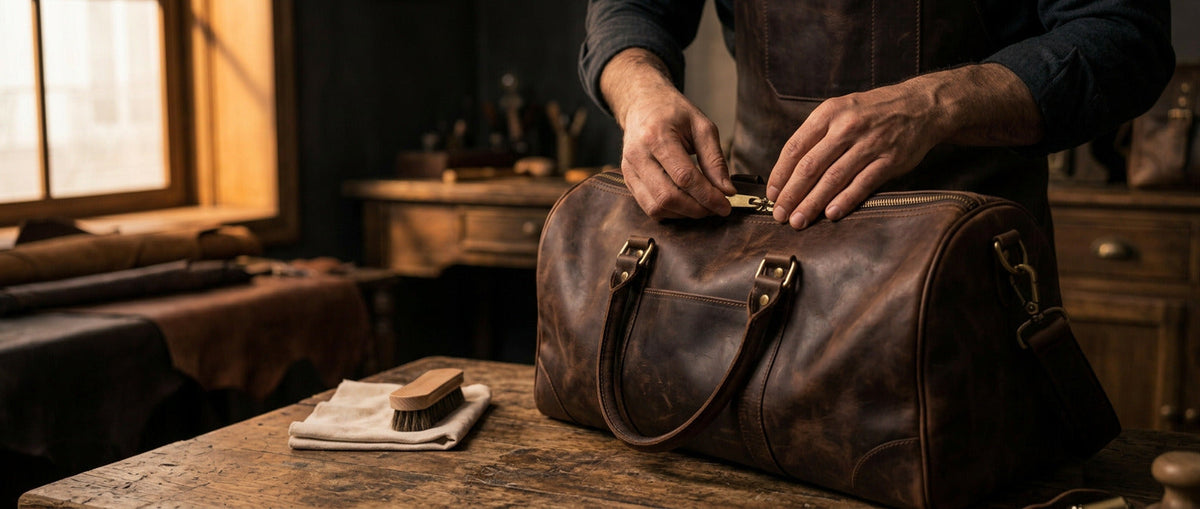
How to Care for Leather Hardware: Zips, Buckles & Clasps
Leather hardware — zips, buckles, clasps, and D-rings — lasts longest with regular light cleaning, occasional lubrication of moving parts, and prompt attention to sticking or corrosion before it worsens. Unlike leather itself, hardware rarely benefits from conditioning products; it needs mechanical care instead, focused on keeping moving parts clean and free of grit.
Among leather accessories, hardware is often the first component to show wear — not because it’s poorly made, but because it’s mechanical, moving constantly while the leather around it stays static. A little routine attention keeps it functioning smoothly for the life of the bag.
Zips: The Most Frequently Used Component
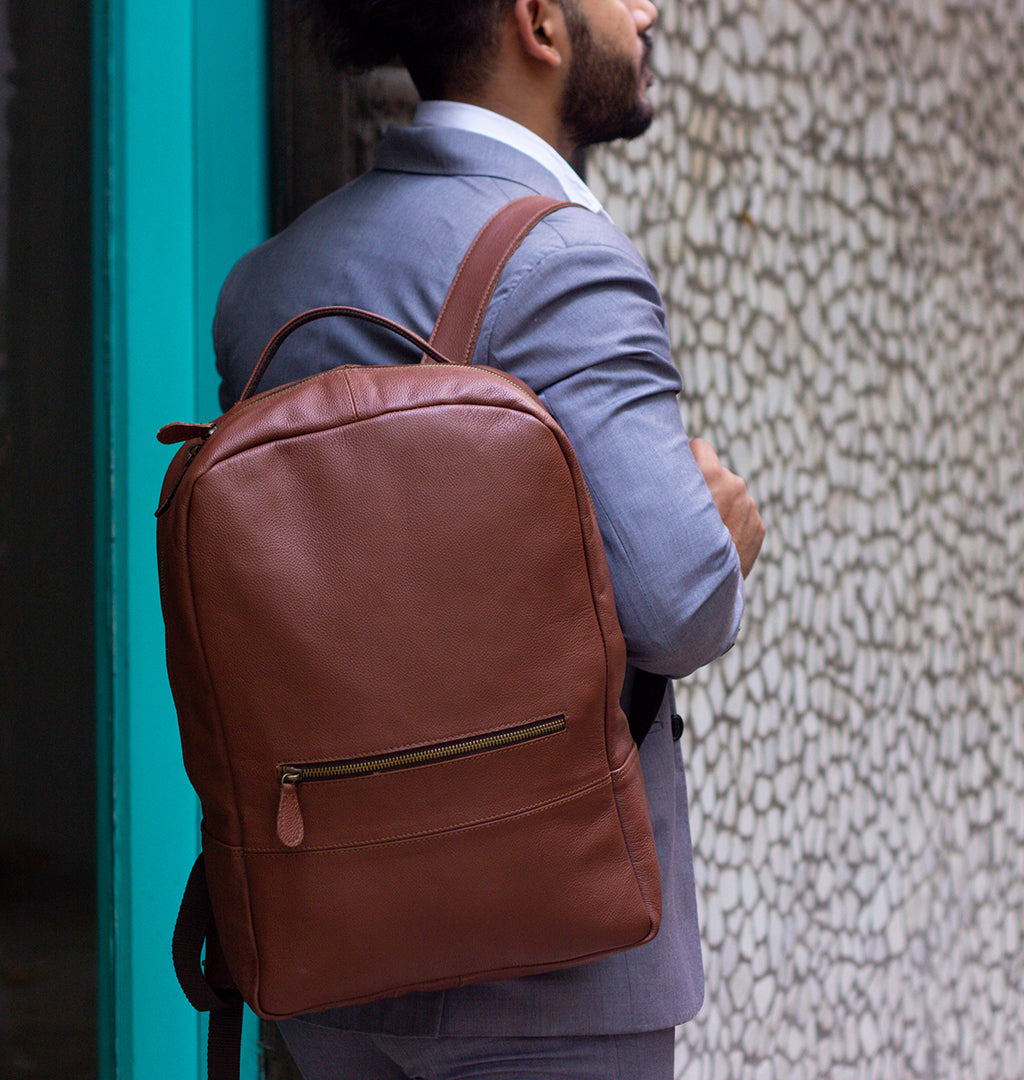
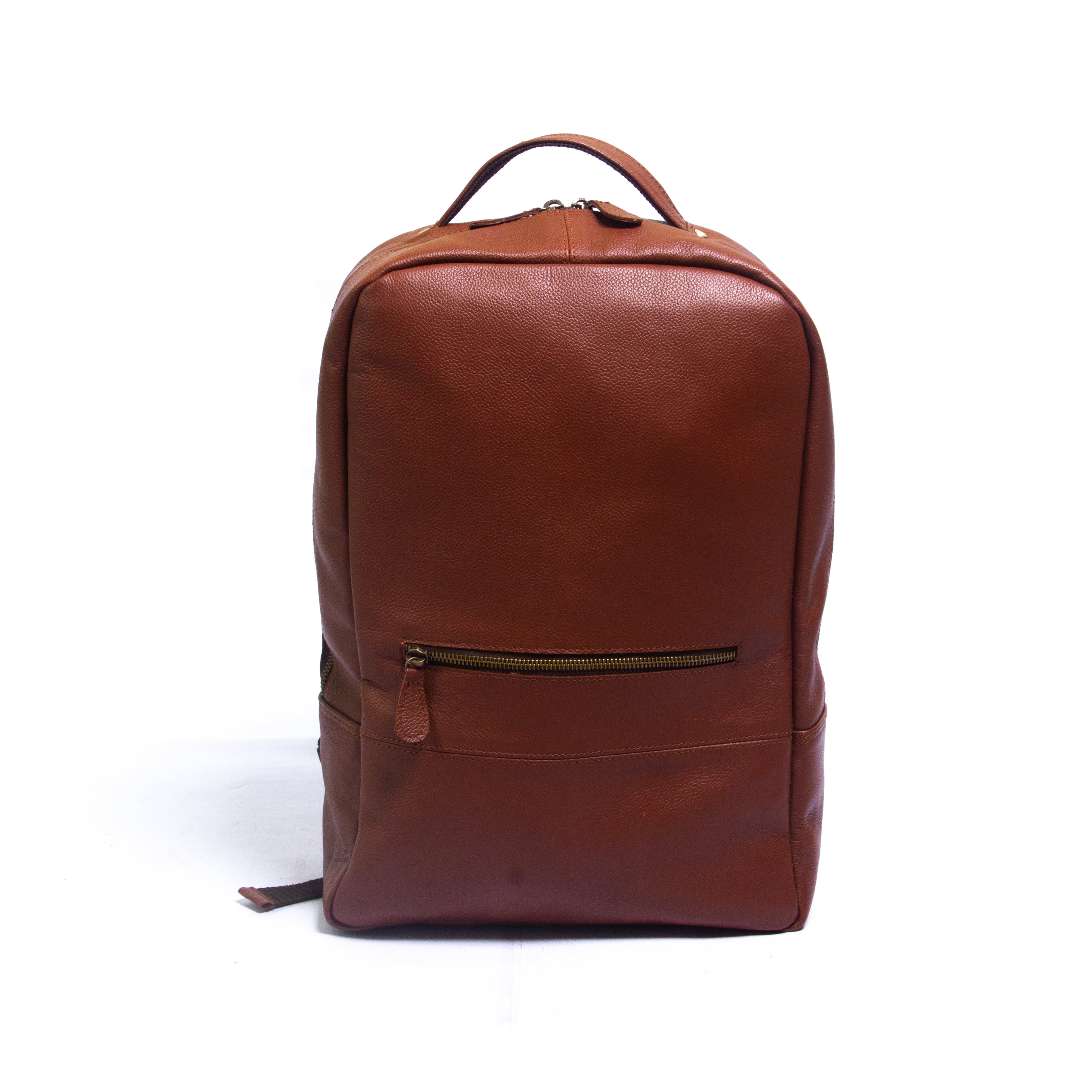
Zips see more repeated motion than almost any other part of a bag, which makes them prone to sticking, catching fabric, or corroding if neglected.
Routine care: - Wipe the zip teeth with a soft, dry cloth after use in dusty or sandy environments, since grit is the most common cause of sticking - If a zip starts to catch, rub a small amount of beeswax, paraffin wax, or a dedicated zip lubricant along the teeth — this reduces friction without attracting more dirt the way oil-based lubricants can - Avoid forcing a stuck zip; gently work it back slightly before trying again to avoid bending the slider or tearing surrounding fabric
When to worry: A zip that consistently skips teeth or won’t stay closed usually indicates a worn slider rather than dirty teeth, and typically needs professional replacement rather than home fixes.
Buckles: Simple but Easily Neglected
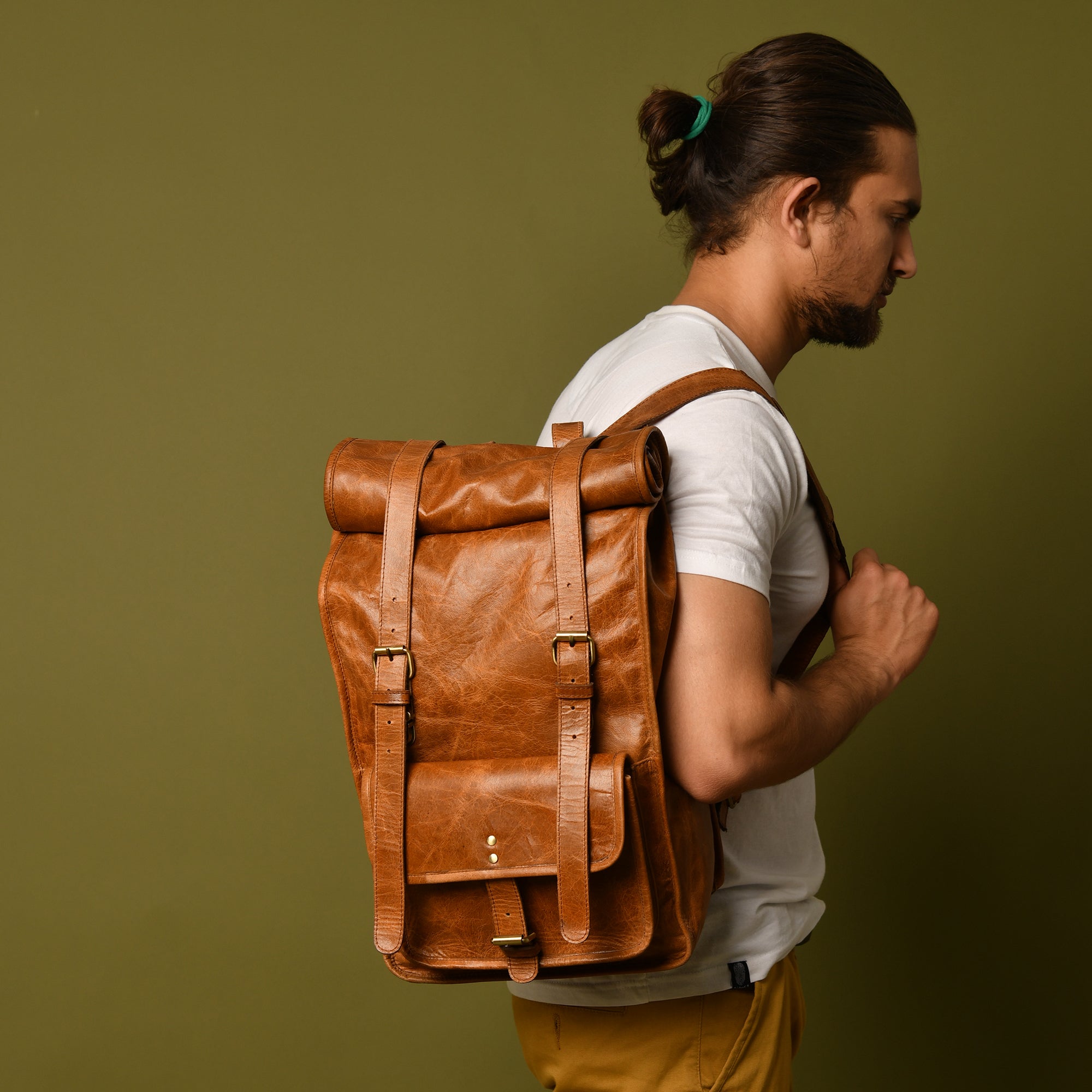
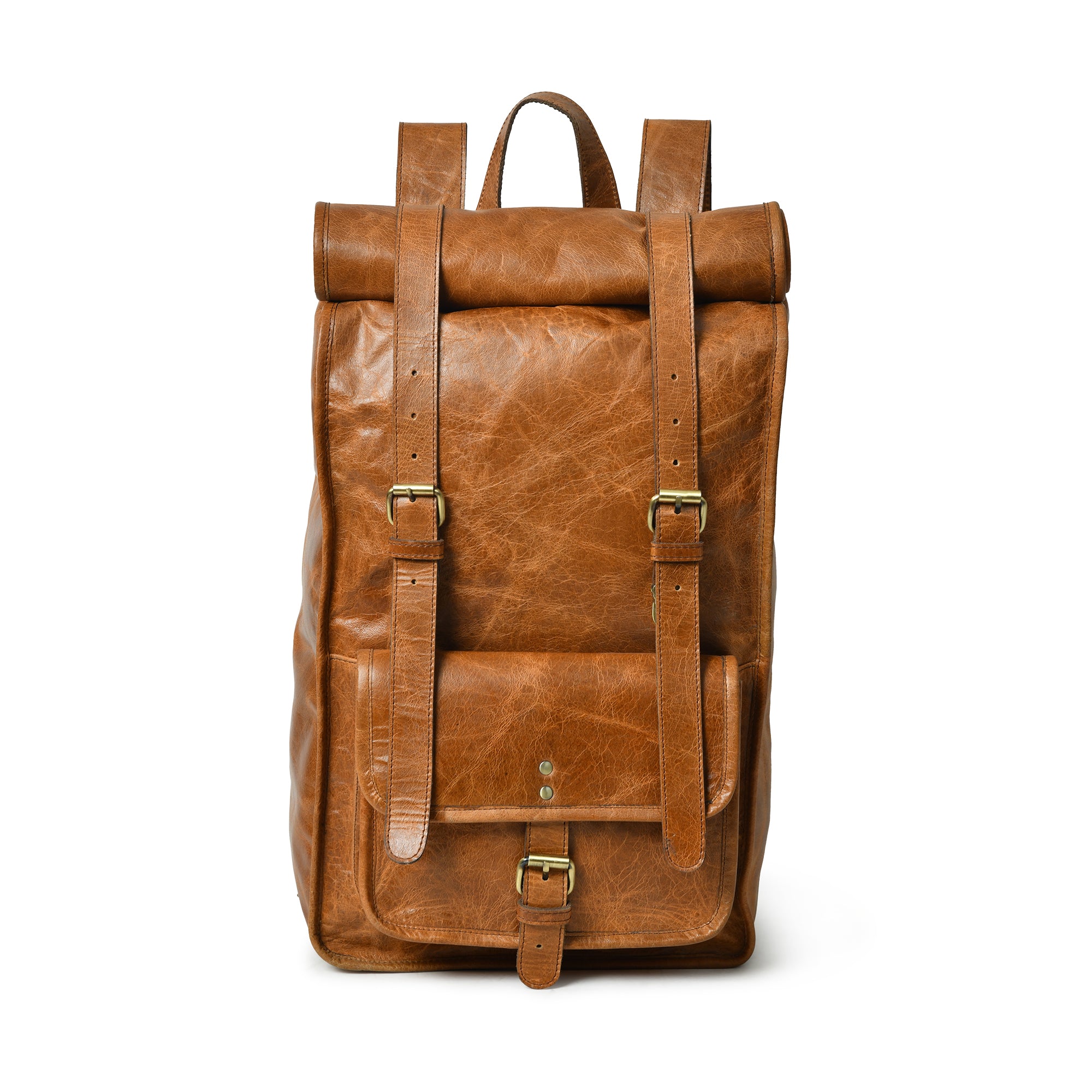
Buckles are mechanically simple, but corrosion and stiffness build up if they’re never cleaned, especially on bags exposed to rain or humidity.
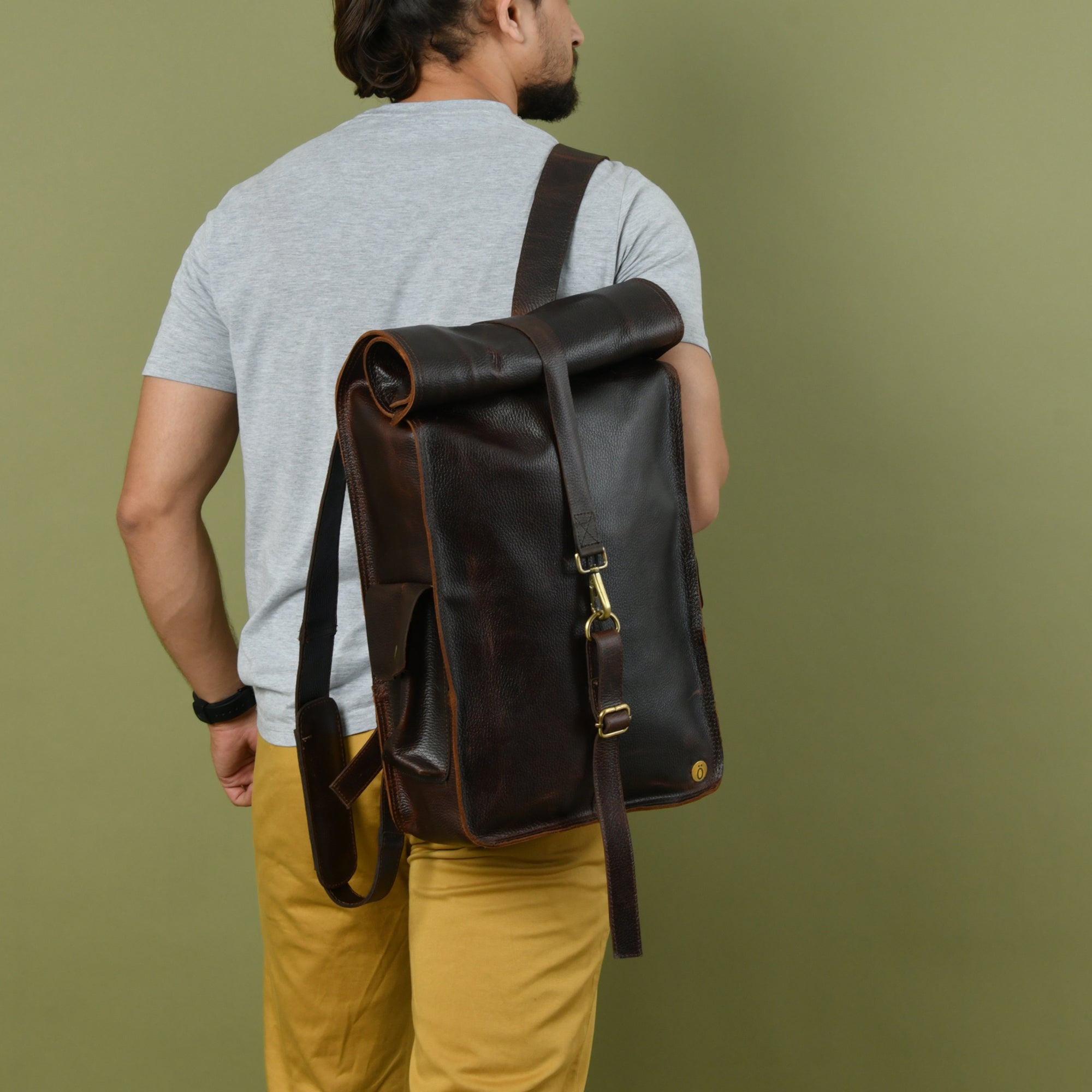
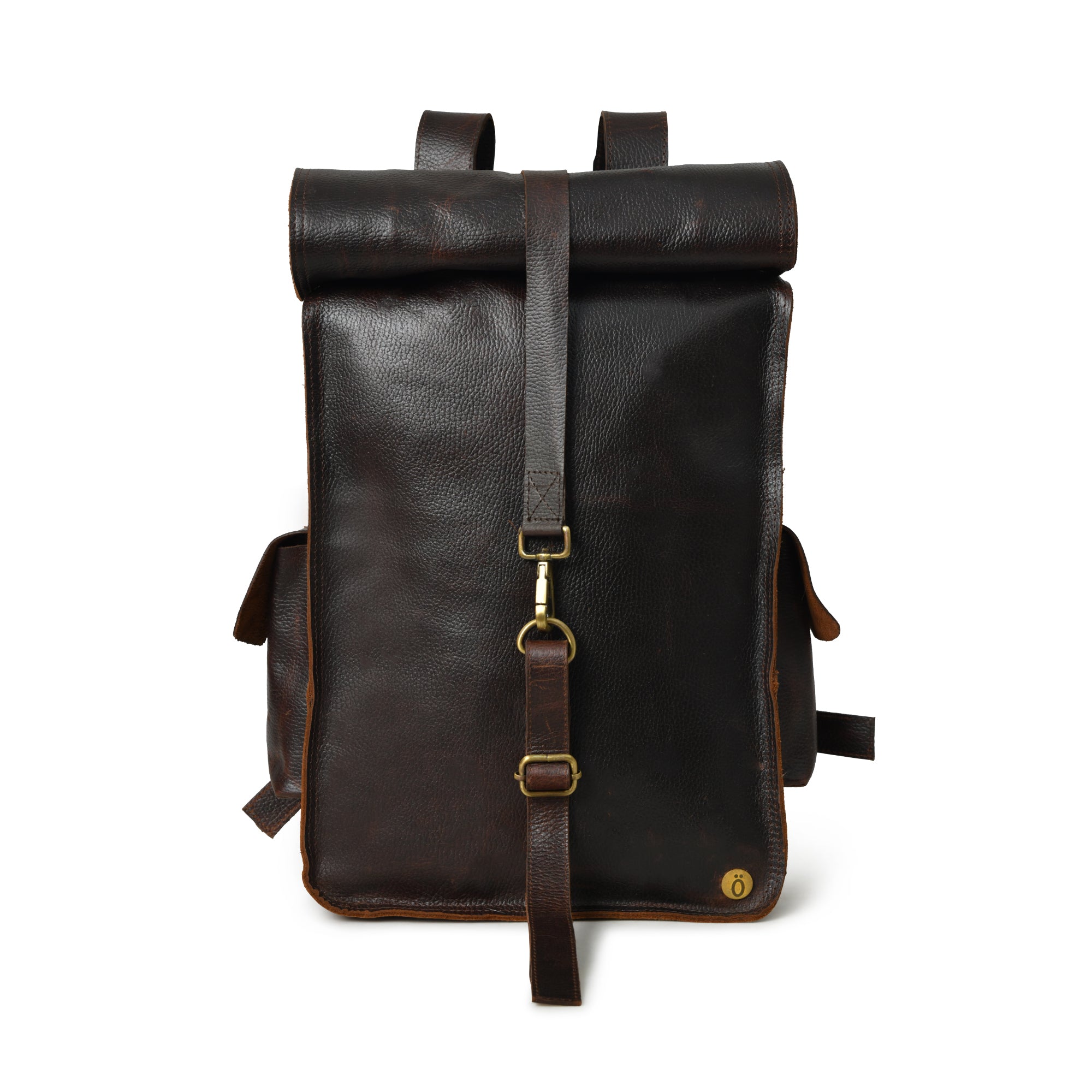
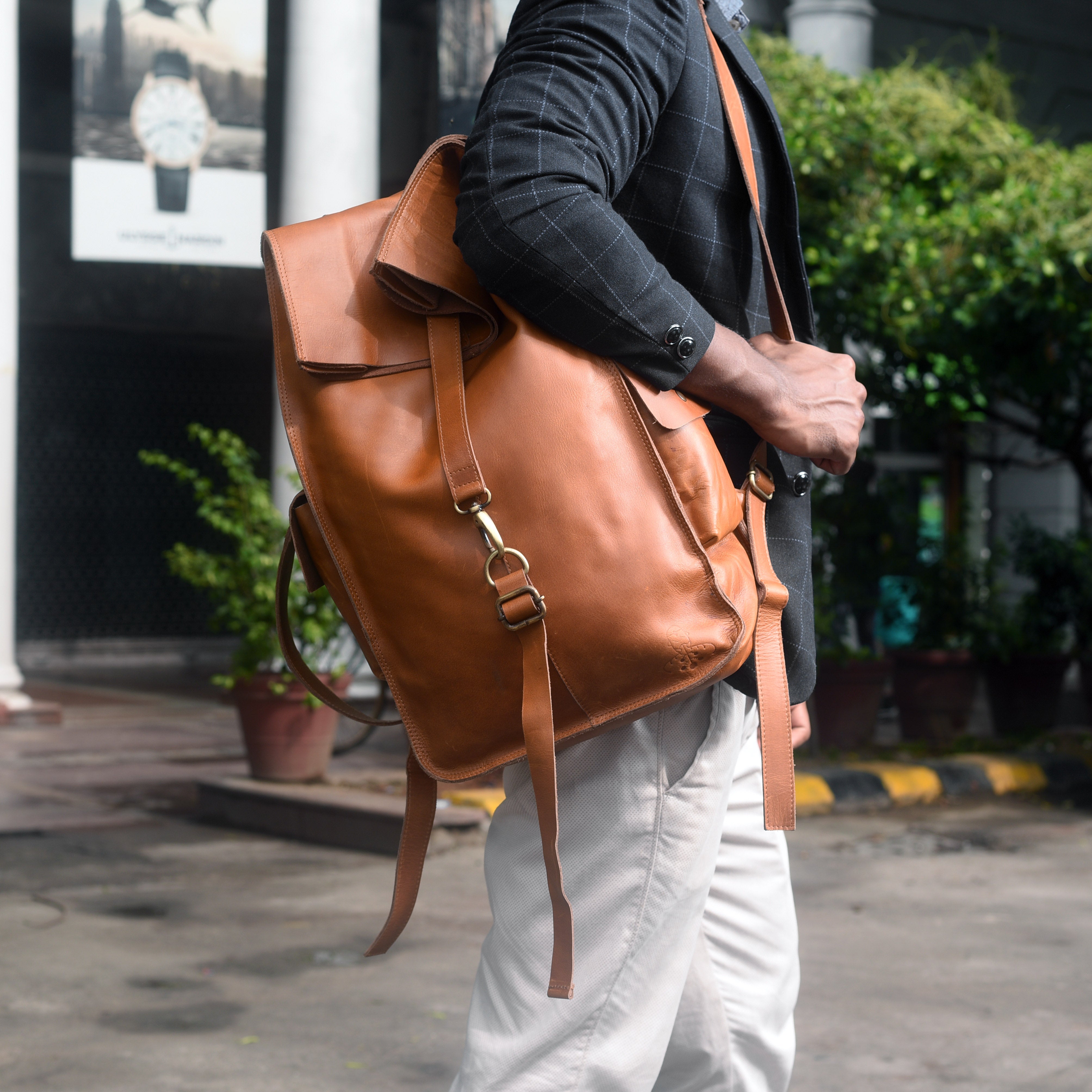
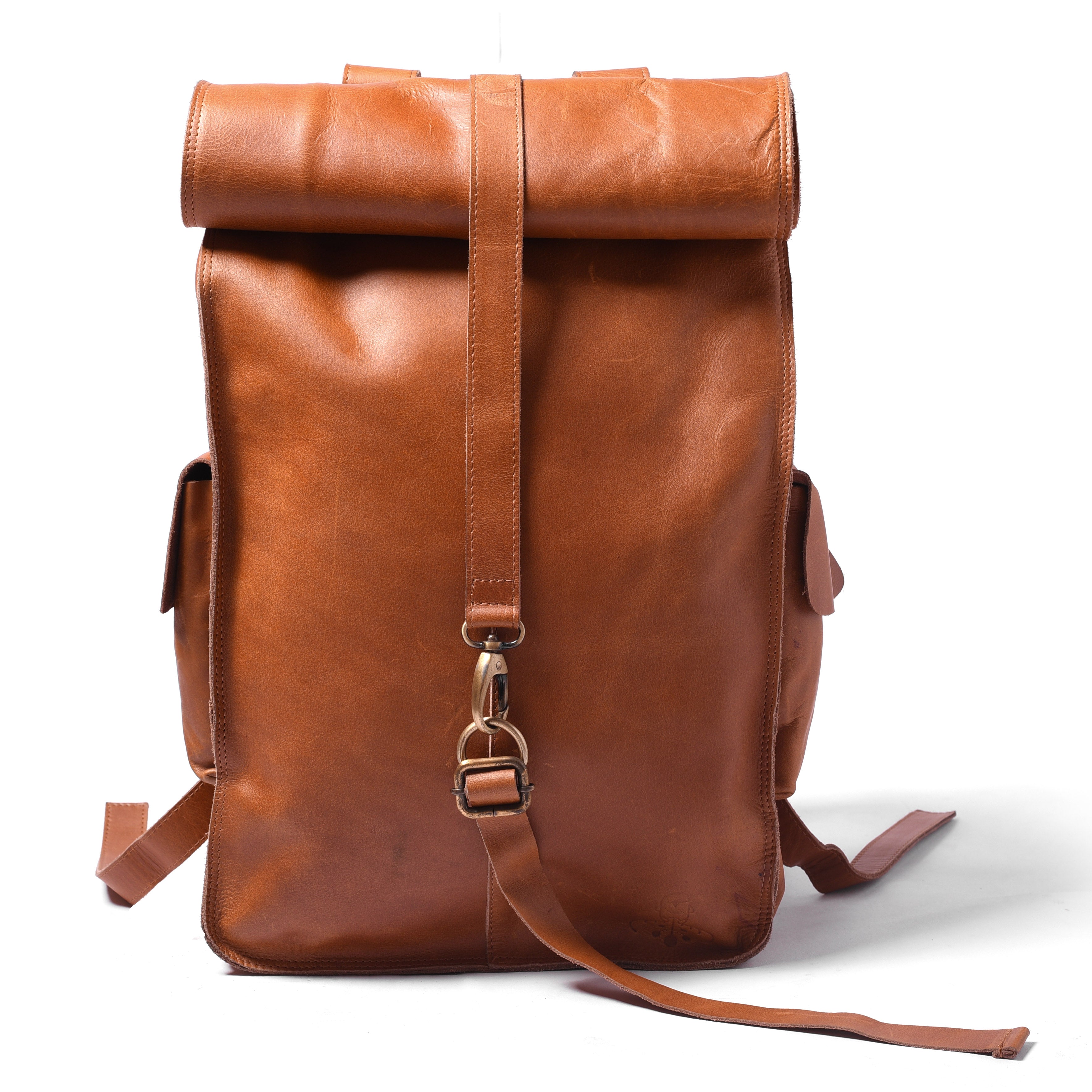
Routine care: - Wipe buckles with a slightly damp cloth followed immediately by a dry one — never leave metal hardware wet, as this accelerates corrosion - For solid brass or stainless steel buckles, an occasional light polish with a metal-safe cloth restores shine without needing harsh chemical polishes - Check the leather strap where it meets the buckle regularly, since this is a common wear point that can weaken before the buckle itself shows any issue
Clasps and Magnetic Closures
Clasps and turn-locks combine a metal mechanism with a leather or fabric base, making them vulnerable to both mechanical wear and material fatigue at the attachment point.
Routine care: - Test the mechanism periodically by opening and closing it fully, checking for looseness or resistance that wasn’t there when new - Keep the surrounding leather conditioned, since a stiff, cracked base around a clasp puts uneven stress on the metal fitting - Avoid overloading bags with magnetic or turn-lock closures beyond their designed capacity, since excess weight strains the closure mechanism over time
D-Rings and Strap Attachments
These load-bearing fittings rarely fail suddenly — they usually show early warning signs first.
What to watch for: - Visible thinning, stretching, or discolouration where the ring meets its leather loop - A slight looseness or rotation that wasn’t present when new - Any small cracks forming in the metal itself, particularly on plated (rather than solid) hardware
Catching these signs early allows for a straightforward repair; waiting until the fitting fails completely often means replacing an entire strap or panel.
General Hardware Maintenance Schedule
|
Task |
Frequency |
|---|---|
|
Wipe hardware clean of dust and grit |
After heavy use or exposure to dust/sand |
|
Dry hardware fully after rain exposure |
Immediately after |
|
Lubricate sticking zips |
As needed, roughly every few months with regular use |
|
Inspect D-rings and attachment points |
Every 3–6 months |
|
Light metal polish (brass/steel only) |
Every 6–12 months |
What to Avoid
-
Household cleaning sprays or chemical polishes not designed for the specific metal type, which can strip plating or cause discolouration
-
Oil-based lubricants on zips, which attract more dust and grit than wax-based alternatives
-
Ignoring early stiffness or resistance, since small mechanical issues typically worsen quickly once hardware starts working under strain
Quick Answers
Why does my zip keep sticking even though I clean my bag regularly? Zips often stick due to grit trapped between the teeth rather than surface dirt. A light wax-based lubricant applied directly to the teeth usually resolves this more effectively than general cleaning.
Can I use metal polish on all bag hardware? No — metal polish is generally safe for solid brass or stainless steel, but can damage plated finishes or coated hardware. Check the base metal before applying any polish.
How often should I check D-rings and strap attachments for wear? A quick visual and physical check every three to six months is generally sufficient to catch early signs of wear before they progress to failure.
The Bottom Line
Leather gets most of the attention in bag care routines, but hardware failure is one of the most common reasons a good bag gets retired early. A few minutes of regular cleaning, the right lubrication for zips, and periodic checks on load-bearing fittings keep the mechanical side of your bag working as reliably as the leather itself.